London:
Nationwide:


25,000+
Floors Restored

27 Years Experience

Wood Flooring Association Certified
Bloodwood Flooring: South America’s Crimson Hardwood Secret
Posted on August 12, 2023
Articles
Discovering Bloodwood: The Intense Crimson Hardwood from South America
In the ancient forests of South America, where time seems to breathe in rhythm with the whispering leaves, there grows a hardwood as enigmatic as a tale from old folklore. Named “bloodwood,” it might be something you’d imagine beneath the feet of Transylvanian tales, yet its roots are deeply anchored in the lands of Suriname, French Guyana, and Brazil, far from the mythic castles of Dracula.
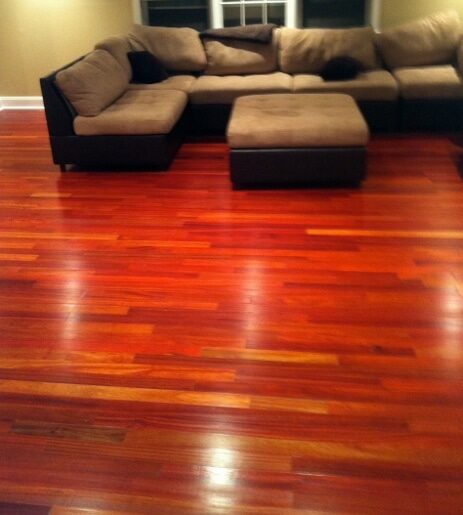
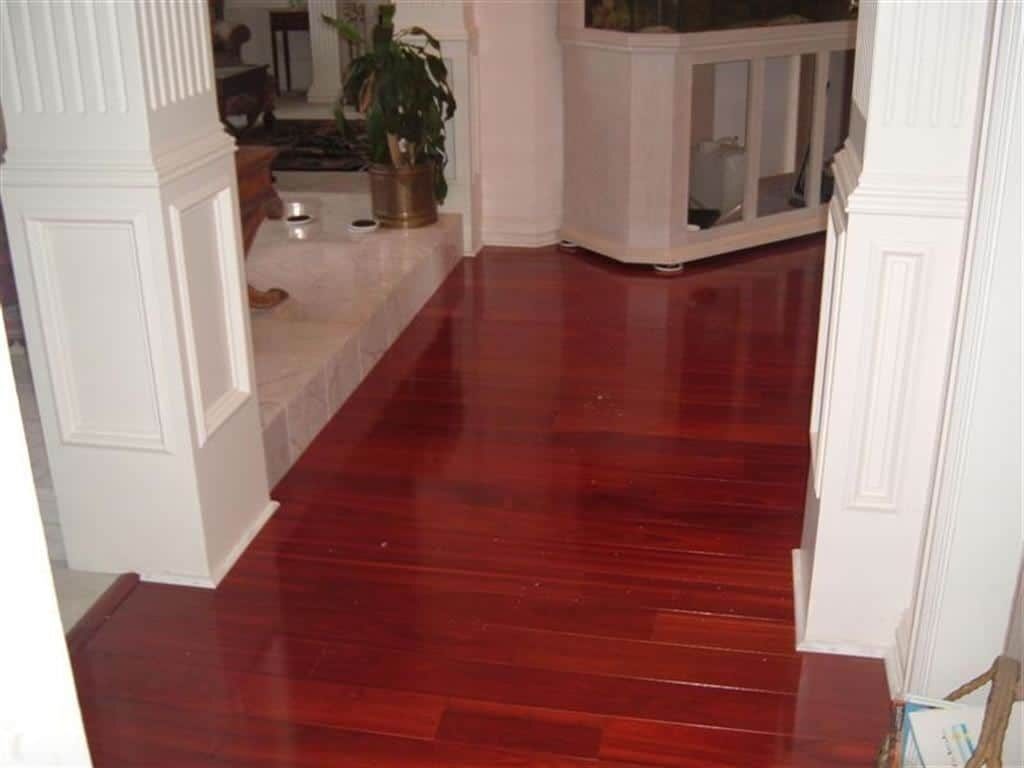
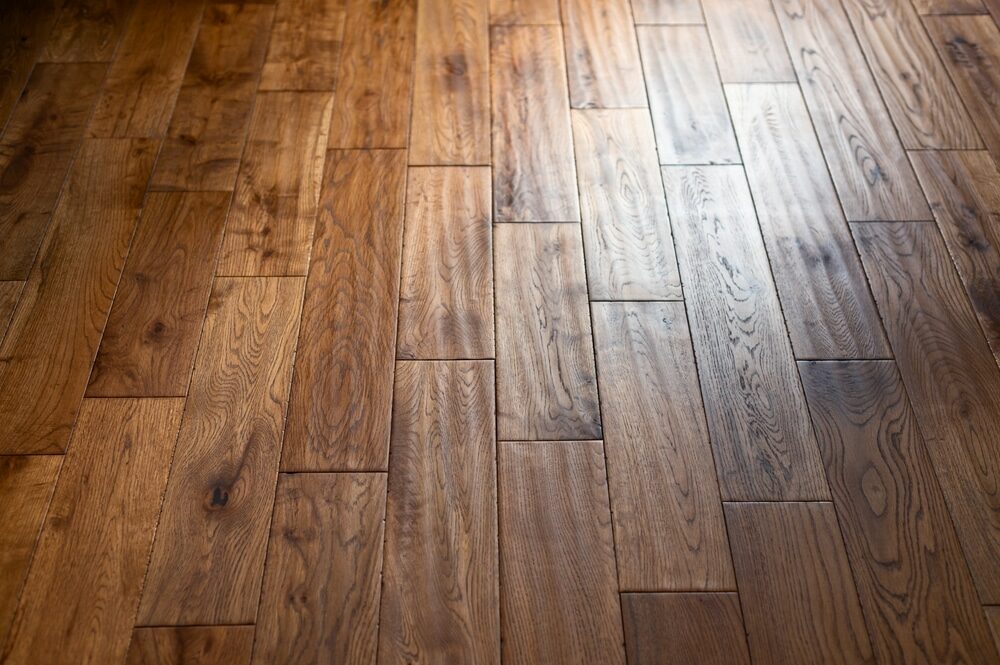
Yet, the very name, “bloodwood,” carries the weight of its own story. Known by many names, like the chameleon cardinal wood, conduru, satine rubane, and satinjout, its identity shifts with regions and dialects. But it’s perhaps its vivid hue that imprints itself most indelibly in memory – a deep, arresting crimson reminiscent of blood itself. And while its primary shade might draw the eye with the urgency of scarlet, closer inspection reveals subtle gradations: reds that wane into muted greys, streaks of gold and fiery red that meander like rivulets through the grain.
Yet, like all things wild and untamed, bloodwood is not a constant. Left to the whims of time, its fiery hues mellow, deepening into an elegant brown. For those who wish to hold onto the wood’s vivacious character, a touch of lacquer is often necessary, sealing in its passionate reds. Remarkably, this wood offers more than just its enthralling colors. It possesses a natural resilience, warding off decay and insects with stoic resolve. However, one must tread lightly, for the dust that rises from sanded bloodwood has been known to dance too close with some, triggering allergies. It is thus that expert hands often recommend a dustless dance when sanding this ancient and storied wood.
Some Useful Links:
- Floor Sanding Services
- School Floor Sanding
- Wood Floor Restorations
- Wood Floor Repairs
- Wood Floor Polishing
More from our Blog:
Repairing Parquet Flooring: Restoration Tips and Techniques Angelique Hardwood: The Beautiful & Resilient Choice for Flooring The Ultimate Guide to Staining Exotic Hardwood Floors Tropical Mango Hardwood Flooring: Sustainable Elegance Curupay Hardwood Flooring: Strength Meets Elegance for Busy Spaces Ipe Hardwood Flooring: A Durable & Unique Choice

Sanding
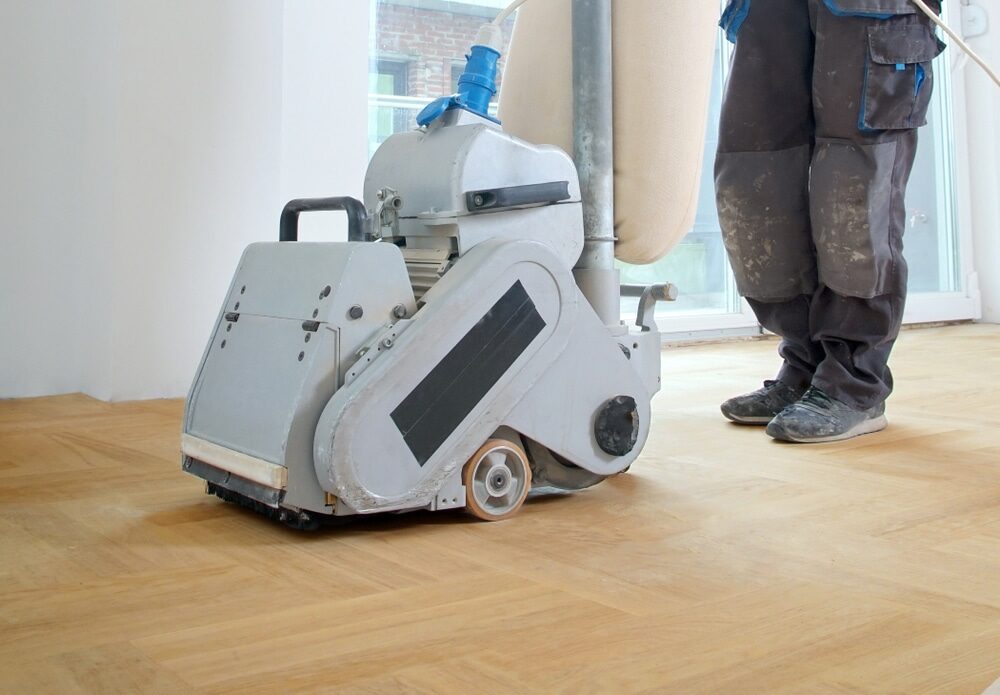
We provide virtually dust-free sanding with our continuous belt machinery with mobile extraction units, giving you a safer environment for your family.

Oiling
This organic finish not only adds beauty to your home but also has exceptional water-repellent characteristics, making it easier to clean and maintain.

Waxing
This natural floor finish offers the softest and most mellow appearance – and leaves your floor able to breath.

Buffing
Using soft buffing machines (and hand-polishing where required) will bring a wonderful sheen to your newly-finished floor.

Repairs
We offer a full assessment of your wooden floors to determine what repairs are needed to provide the perfect working surface for the later stages of sanding, staining and sealing.

Restoration
We offer a comprehensive restoration process designed to address floors that are improperly fitted or damaged over time through wear and tear.
Request a fixed price quote for your wood floor restoration now
Simply enter your postcode below to get started.






Services
Wood Floor Sanding Wood Floor Restoration Wood Floor Scratch Repair Squeaky Wood Floor Repair Parquet Floor Sanding Parquet Floor Restoration Commercial Floor Sanding Church Floor Sanding Community Centre Floor Sanding School Floor Sanding Gap Filling Gap Filling with ResinCopyright © Mr Sander®
Privacy & Cookies Terms & Conditions Complaints Procedure Cancellation Rights Sitemap

Get An Instant Price Estimate Before You Go…
Simply enter the rooms you need sanded and we’ll provide you with a price estimate instantly! Try our price calculator now.
Get a Price Estimate NowLocal Floor Sanding Experts
Over 500 5-Star Reviews
Safe, Dust Free Sanding
Operating Since 1994