London:
Nationwide:


25,000+
Floors Restored

27 Years Experience

Wood Flooring Association Certified
Oiling Wood Floor
VIEW PRICINGWood Floor Oiling
Wood floor oiling is an essential practice for maintaining the elegance and longevity of wooden floors, a classic feature in many homes known for their ability to add warmth and charm. This process is crucial not only for preserving the aesthetic appeal of the wood but also for accentuating its natural patterns and texture, ensuring the floor remains a beautiful and timeless investment.
Mr Sander®, a company with a strong reputation in the field, stands at the forefront of this practice. They bring unparalleled expertise to the table, offering a range of high-quality products tailored to meet the specific needs of different types of wood. Their approach goes beyond mere preservation; they aim to rejuvenate the wood, restoring its vitality and enhancing its natural beauty.
The company’s commitment to excellence is evident in the selection of their products, which are carefully chosen for their effectiveness and compatibility with various wood types. This ensures that each floor receives the optimal treatment, resulting in a finish that not only looks stunning but also stands the test of time.
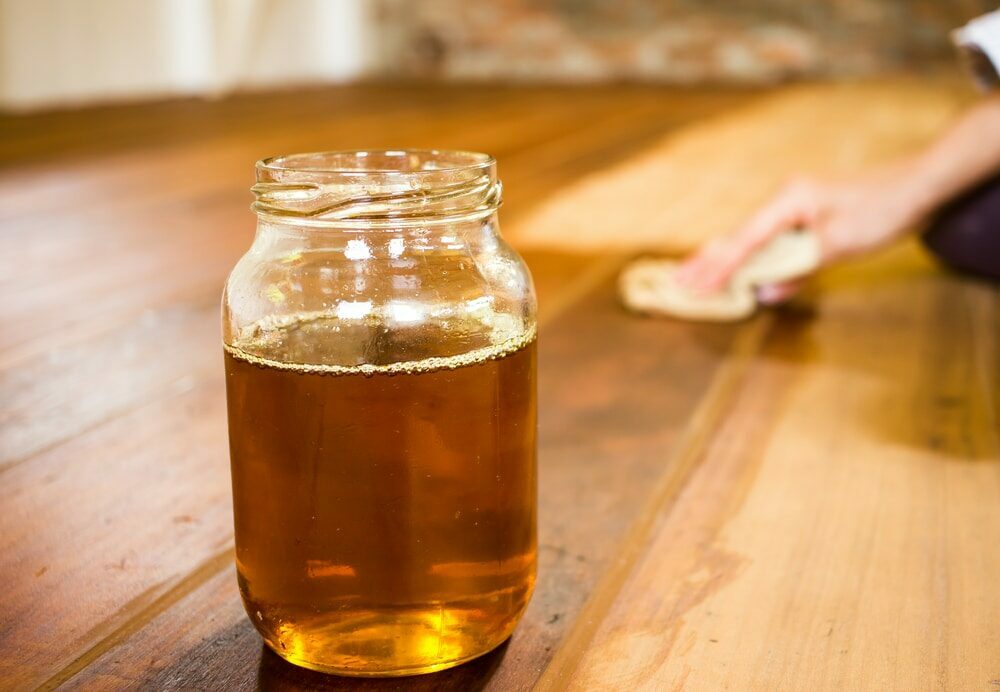
Why opt for wood floor oiling?
Wood floor oiling is a practice steeped in both artistry and scientific precision. This method is favored by those who value the natural beauty and authenticity of their wooden surfaces. The use of organic oils in this process not only enhances the wood’s inherent aesthetic appeal but also bestows it with superior water-repellent qualities. This dual benefit ensures that the floors retain their elegance while being practical for everyday use. The simplicity it brings to cleaning and maintenance routines is a significant advantage.
The process, however, does require a level of patience and attention to detail. While these oils provide a robust layer of protection, they can react to extreme humidity. This sensitivity necessitates occasional re-application to maintain the floor’s pristine condition. Nevertheless, this re-application is typically a straightforward process and serves as an effective way to repair minor damages and wear, thereby prolonging the floor’s lifespan and appearance.
Another notable aspect of wood floor oiling is the variety of finishes it offers. Homeowners can choose from a range of finishes, including matte and satin, depending on their personal preference and the desired aesthetic effect. Each type of oil brings its own unique qualities and requires a specific application method to achieve the best results.
It’s important to note that wood floor oiling is not a quick fix but a long-term investment in the beauty and durability of the wood. The oils often take a considerable amount of time, sometimes up to 12 hours, to fully settle and cure. This slow drying process is crucial for the oil to penetrate deeply into the wood, providing a robust and long-lasting finish.

The brands we trust
Our commitment to quality is exemplified in our selection of top-tier brands, each offering unique benefits to enhance the beauty and longevity of wooden surfaces:
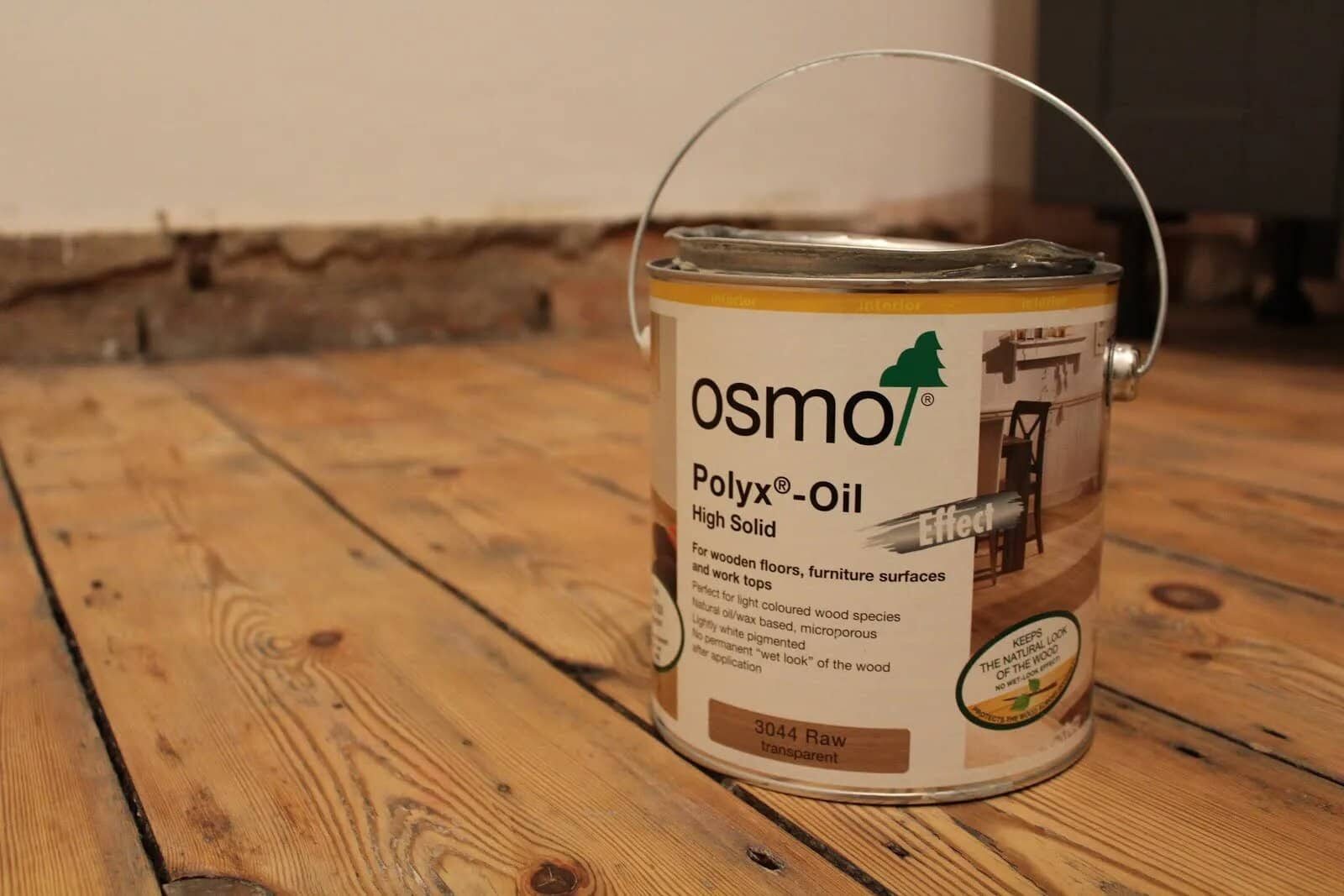
- Osmo Polyx Oil: This product is celebrated for its exceptional durability. Its formulation not only provides a robust finish but also brings out the natural grain and inherent character of the wood, offering an aesthetic that celebrates the wood’s organic beauty.
- Fiddes Hard Wax Oil: Comprising a mix of natural oils and waxes, this oil delivers a strong, water-resistant seal. It’s particularly suited for high-traffic areas, ensuring longevity and preserving the wood’s appearance under frequent use.
- Rubio Monocoat Oil: Distinguished by its one-coat application, this oil is an environmentally friendly option. It guarantees prolonged protection for the wood, making it a practical choice for those seeking both eco-conscious and effective wood care.
- Rustins Danish Oil: This product is a concoction of various oils and resins. It imparts a natural, low-luster finish to the wood, enhancing its innate beauty without overpowering it.
- Blanchon Hard Wax Oil: A fusion of natural vegetable oils and waxes, this oil stands out for its superior protection against common household spills and stains, safeguarding the wood while maintaining its natural look.
- Osmo Maintenance Oil: Specifically formulated for periodic upkeep, this oil revitalizes and restores the sheen to wood that has begun to look worn, breathing new life into the surface.
- Bona Craft Oil: Its quick-drying properties, combined with deep penetration into the wood, ensure a lasting and natural finish, making it ideal for those seeking both efficiency and quality.
- Holzol and Liberon Floor Oils: These products are noted for enhancing the wood’s natural character. They provide an organic, breathable finish, preserving the wood’s essence.
- Colron Refined Teak Oil: This oil is particularly effective for teak wood, enriching its natural beauty with a lavish finish while also offering protection.
- Liberon Anti-Slip Coating Oil: Prioritizing safety along with aesthetics, this oil ensures that the wooden floors are not only beautiful but also slip-resistant, adding a layer of safety to the elegance.
- Polyvine Wood Oil: Known for its hard-wearing finish, this oil is ideal for surfaces subject to daily wear and tear, providing robust protection.
- Blanchon Universal Maintenance Oil: This product not only protects and rejuvenates oiled wooden flooring but also features anti-slip properties, making it a popular choice for homeowners seeking both beauty and safety.
- Bona Care Oil: With its rapid drying feature, it complements floors treated with Bona Craft Oil, offering a quick and efficient maintenance solution.
- Morrells Induro XLO Natural Parquet Floor Oil: This oil represents the pinnacle of luxury, offering a finish that reflects the natural essence of the wood, blending seamlessly with its innate character.
Expert Wood Floor Oiling Services for Homes, Businesses, and Industrial Spaces
Our expertise lies in wood floor oiling, providing bespoke solutions that cater to the distinctive requirements of residential, commercial, and industrial settings. Our skilled team excels in the art of oiling various wood floor types, executing each project with precision, focusing on quality, and maintaining the integrity of the wood.
Residential Wood Floor Oiling:
- Personalized Treatment: Recognizing the uniqueness of each home, we offer customized wood floor oiling services. This approach ensures that your floors not only match the aesthetic of your home but also resonate with your personal style, adding warmth and character to your living space.
- Revitalizing Various Wood Types: Whether dealing with historical wooden floors or contemporary wood designs, our professionals are adept at enhancing all wood types. We focus on restoring their natural luster and ensuring their functionality remains intact.
- Considerate and Efficient: We prioritize your comfort, conducting our oiling services in a way that minimizes disruption to your home life. Our schedules are flexible, designed to fit smoothly into your daily routine.
Commercial and Business Wood Floor Oiling:
- Transforming Business Environments: A professionally oiled wood floor can elevate the appearance of your commercial space, whether it’s an office, retail outlet, or hospitality establishment. Our services ensure that your floors mirror the professionalism and values of your business.
- Robust and Aesthetic Solutions: Given the high traffic in commercial areas, we provide durable oiling options that endure daily use while retaining their visual appeal over time.
- Adaptable Scheduling: We understand the importance of business continuity. Therefore, we offer our services outside of regular business hours, including evenings and weekends, to prevent any interference with your business operations.
Industrial Wood Floor Oiling:
- Heavy-Duty Oiling Services: Industrial environments demand floors that are both resilient and enduring. Our team delivers extensive wood floor oiling services tailored to withstand the intense demands of industrial settings.
- Prioritizing Safety and Compliance: In our services, safety is a top priority. We adhere to all relevant industry standards, ensuring the oiled floors meet safety and regulatory requirements for a safe and compliant workplace.
- Focus on Longevity and Low Maintenance: Our approach to industrial wood floor oiling is designed for longevity and ease of upkeep, considering the intense usage and operational requirements of industrial sites.
Wood Floor Oiling Services for All Types of Floors
- Pine floorboards
- Parquet
- Cork
- Granwood
- Engineered wood flooring
- Solid Wood Floors
- Bamboo
Experience the Elegance of Expertly Oiled Floors
Embark on a transformative journey with us, where raw wood evolves into a polished gem. The finish you choose is crucial, and at Mr Sander®, we’re committed to excellence. We meticulously select each oil and product for its quality and compatibility with different wood types.
Our guarantee? We deliver floors that transcend mere appearance, offering a touch of luxury you can feel with every step. Your wooden floors are a canvas for our expertise, and we ensure they receive nothing less than a premier experience.
Whether your preference is a sleek, high-gloss finish or a natural, matte look, our experienced team is here to provide personalized guidance. We invite you to explore the array of oils and sealants we specialize in. Contact us for a complimentary consultation and a no-obligation quote. Embrace the craftsmanship and beauty of expertly oiled floors with us.
Contact Us
We invite you to connect with us and discover the exceptional difference our expert floor oiling services can make in your space. Whether you’re contemplating a sleek, modern finish or a timeless, rustic look, our dedicated team is ready to assist. Contact us today for a personalized consultation and a detailed, no-obligation quote. Let’s discuss how we can bring out the true beauty and character of your wooden floors. Reach out by phone, email, or through our website’s contact form – we are eager to hear from you and to embark on this journey of transformation together.
Bring the smile back to your floors – Get a Quote or Call us on 020 7381 9408
Check out our amazing customer reviews…

Chris and Christina
August 2023

Jeff Jones
August 2023

Rocco DeLuca
July 2023

Sanding
We provide virtually dust-free sanding with our continuous belt machinery with mobile extraction units, giving you a safer environment for your family.

Oiling
This organic finish not only adds beauty to your home but also has exceptional water-repellent characteristics, making it easier to clean and maintain.

Waxing
This natural floor finish offers the softest and most mellow appearance – and leaves your floor able to breath.

Buffing
Using soft buffing machines (and hand-polishing where required) will bring a wonderful sheen to your newly-finished floor.

Repairs
We offer a full assessment of your wooden floors to determine what repairs are needed to provide the perfect working surface for the later stages of sanding, staining and sealing.

Restoration
We offer a comprehensive restoration process designed to address floors that are improperly fitted or damaged over time through wear and tear.
Request a fixed price quote for your wood floor restoration now
Simply enter your postcode below to get started.





Services
Wood Floor Sanding Wood Floor Restoration Wood Floor Scratch Repair Squeaky Wood Floor Repair Parquet Floor Sanding Parquet Floor Restoration Commercial Floor Sanding Church Floor Sanding Community Centre Floor Sanding School Floor Sanding Gap Filling Gap Filling with ResinCopyright © Mr Sander®
Privacy & Cookies Terms & Conditions Complaints Procedure Cancellation Rights Sitemap

Get An Instant Price Estimate Before You Go…
Simply enter the rooms you need sanded and we’ll provide you with a price estimate instantly! Try our price calculator now.
Get a Price Estimate NowLocal Floor Sanding Experts
Over 500 5-Star Reviews
Safe, Dust Free Sanding
Operating Since 1994