London:
Nationwide:


25,000+
Floors Restored

27 Years Experience

Wood Flooring Association Certified
Kitchen Worktop Sanding Services
VIEW PRICINGKitchen Worktop Sanding
Welcome to Mr Sander® Company, your premier destination for professional kitchen worktop sanding services. With over twenty years of experience in the woodworking industry, we specialize in transforming worn and tired-looking kitchen worktops into stunning surfaces that become the highlight of your kitchen. Our dedicated team of experts brings craftsmanship, precision, and a passion for wood restoration to every project, ensuring results that not only meet but exceed your expectations.
We believe that the heart of your home deserves to shine, and our Kitchen Worktop Sanding Service is specifically designed to achieve that goal. Over the years, we’ve honed our craft to perfection, turning worn, scratched, and dated kitchen worktops into pieces of art that enhance the beauty and functionality of your kitchen. Our service isn’t just about sanding away the old; it’s about unlocking the potential of your kitchen surfaces to become a focal point of beauty and pride in your home. With meticulous attention to detail, customized finishing options, and a commitment to customer satisfaction, we ensure that your kitchen worktops not only look their best but also reflect the quality and care you cherish in your home. Join us in our mission to bring out the best in your kitchen, where every meal prepared and every moment shared is underscored by the elegance and durability of beautifully restored worktops.
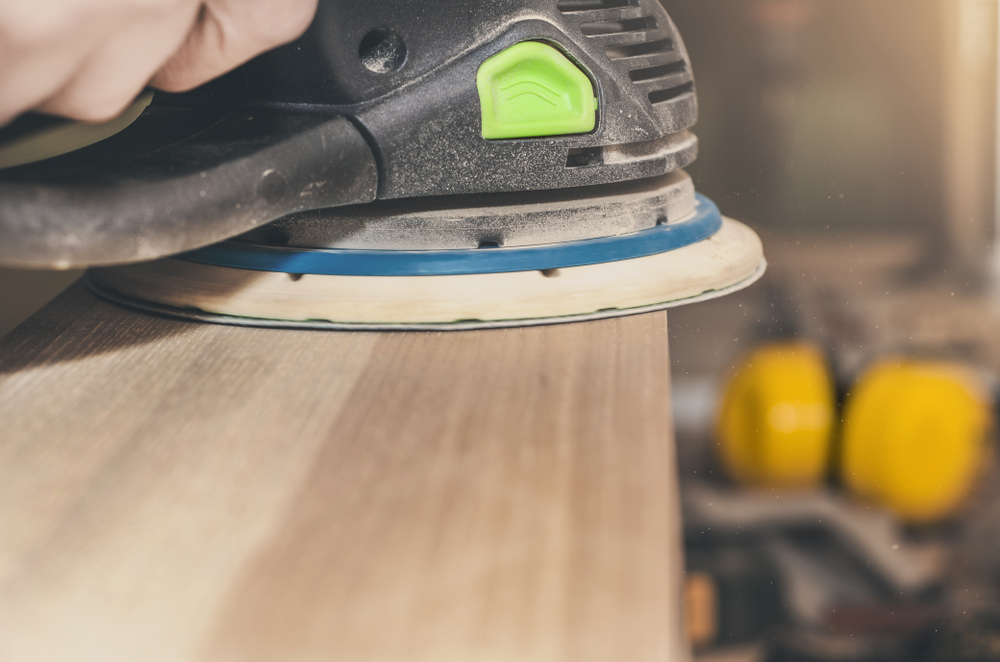
Kitchen Worktop Oiling
At Mr Sander®, we recognize the central role your kitchen worktop plays in daily life—from a bustling spot for morning breakfasts to a gathering place for evening meals. It’s where life’s moments unfold, and its appearance and durability matter immensely. That’s why our Kitchen Worktop Oiling Service is designed not only to preserve the natural aesthetics and integrity of your wood surfaces but also to enrich your home with a sense of warmth and elegance. With a meticulous blend of traditional techniques and modern, eco-friendly practices, we ensure that each worktop we treat is transformed into a durable, beautiful surface that stands the test of time. Let us bring our passion for wood restoration into your kitchen, where every detail counts towards creating a space that’s both inviting and functional.
With over twenty years of craftsmanship in wood care and restoration, we specialize in reviving the natural charm and durability of your kitchen worktops. Oiling Kitchen Worktop is not just a service for us; it’s an art that enhances the intrinsic beauty of wood, ensuring your kitchen remains the heart and soul of your home with surfaces that are both captivating and resilient.
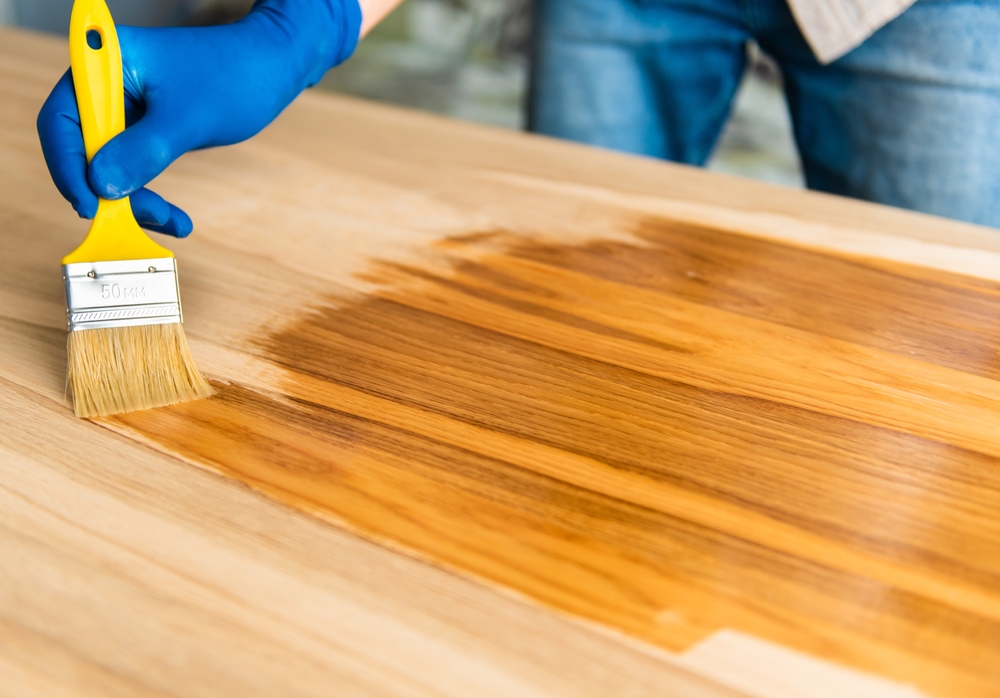
Our Dust-Free Kitchen Worktop Sanding & Oiling Process
The process of sanding and oiling kitchen worktops is a meticulous and detailed method aimed at reviving and protecting the natural beauty of wooden surfaces. Here’s a comprehensive guide to the sanding and oiling process, designed to ensure your kitchen worktops are not only aesthetically pleasing but also durable and resistant to the everyday rigors of kitchen use.
Step 1: Preparation
- Clear the Area: Begin by removing any items from the worktops, including appliances, to ensure a clear workspace.
- Clean the Surface: Wipe down the worktops with a mild cleaner to remove grease, dirt, and residue. Allow the surface to dry completely.
- Protect Surrounding Areas: Use plastic sheeting or newspapers to cover cabinets, appliances, and floors to protect against dust and oil spills.
Step 2: Sanding
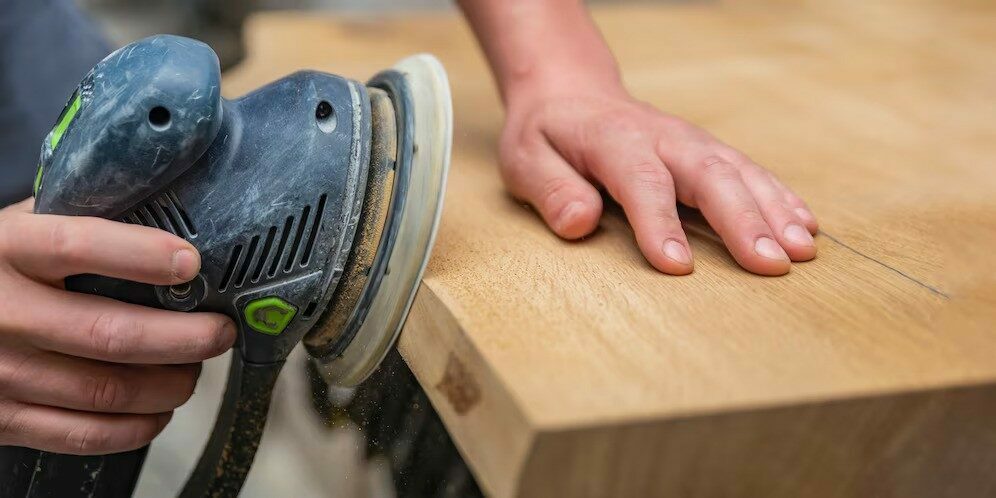
- Initial Sanding: Start with a coarse grit sandpaper (around 80-120 grit) for the initial sanding. Use a hand sander or orbital sander for even coverage. This step removes the old finish, stains, and any surface damage.
- Progressive Sanding: Move to a medium grit (150-180 grit) to smooth out the surface further. Finally, finish with a fine grit sandpaper (220-240 grit) to achieve a smooth, even surface.
- Dust Removal: After sanding, thoroughly vacuum the worktop to remove all dust. Follow up with a tack cloth or slightly damp cloth to pick up any residual dust.
Step 3: Oiling
- Choosing the Right Oil: We Select a food-safe oil suitable for your type of wood. Common options include linseed oil, tung oil, and mineral oil. Each has its benefits, so choose based on the desired finish and wood type.
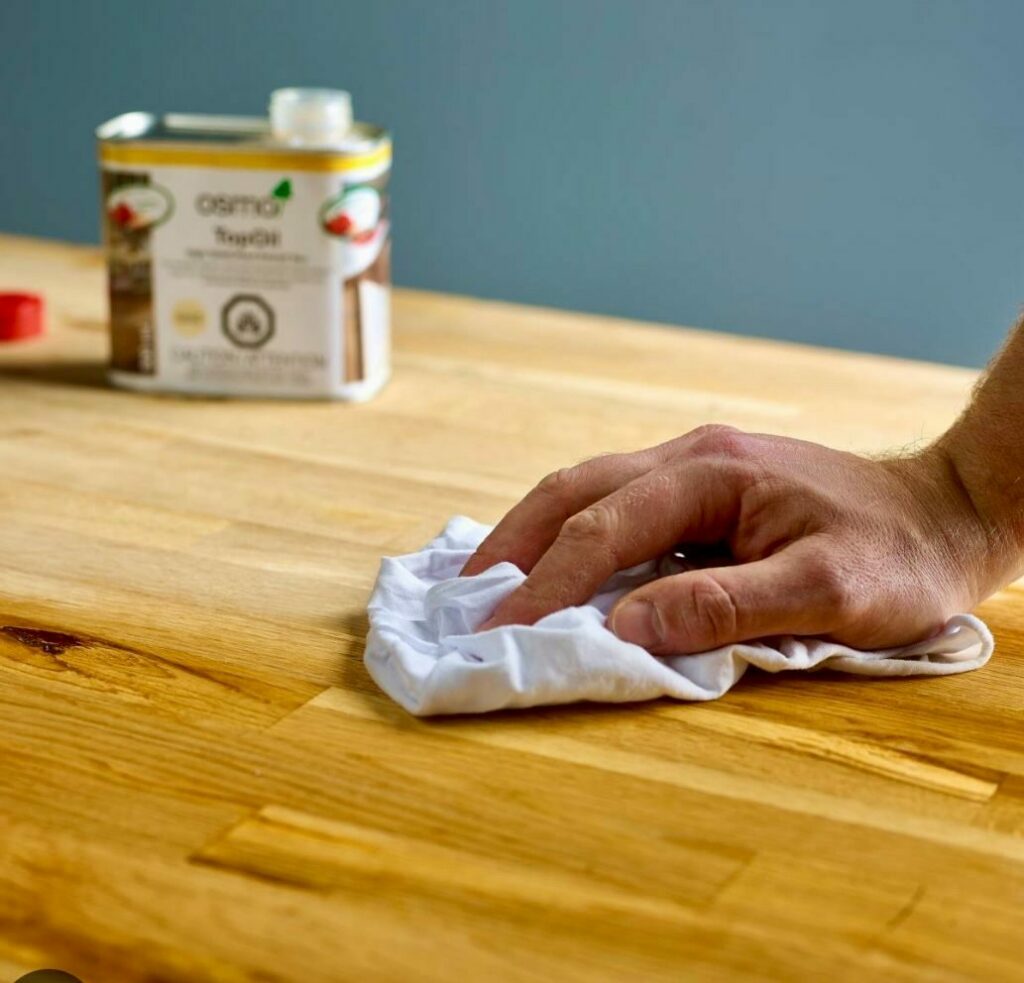
- Applying the First Coat: Using a clean, lint-free cloth, apply the oil evenly across the surface. Work in manageable sections, ensuring the oil penetrates the wood. Allow the oil to soak into the wood for 15-30 minutes.
- Wiping Off Excess: After the oil has had time to soak in, use a clean cloth to wipe off any excess oil that hasn’t been absorbed. This prevents a sticky surface.
- Additional Coats: Depending on the wood type and the oil used, multiple coats may be necessary for optimal protection. Wait for the recommended time between coats, usually 24 hours. Lightly sanding between coats with a very fine grit sandpaper (320 grit or higher) can help achieve a smoother finish.
- Final Buffing: Once the final coat has been applied and has had sufficient time to dry, buff the surface with a clean, dry cloth to enhance the shine and ensure an even finish.
Step 4: Maintenance and Care
- Regular Cleaning: Use a mild soap and water for daily cleaning. Avoid harsh chemicals that can strip the oil from the wood.
- Re-oiling: Depending on usage, re-oil the worktop every 6 to 12 months or whenever the wood starts to look dry and loses its sheen.
- Immediate Spill Cleanup: Wipe up spills immediately to prevent staining and water damage.
We follow these detailed steps for sanding and oiling, so your kitchen worktops will not only exhibit their natural beauty but will also be well-protected against everyday wear and tear. Regular maintenance and care will ensure that they remain a durable and attractive feature in your kitchen for years to come.
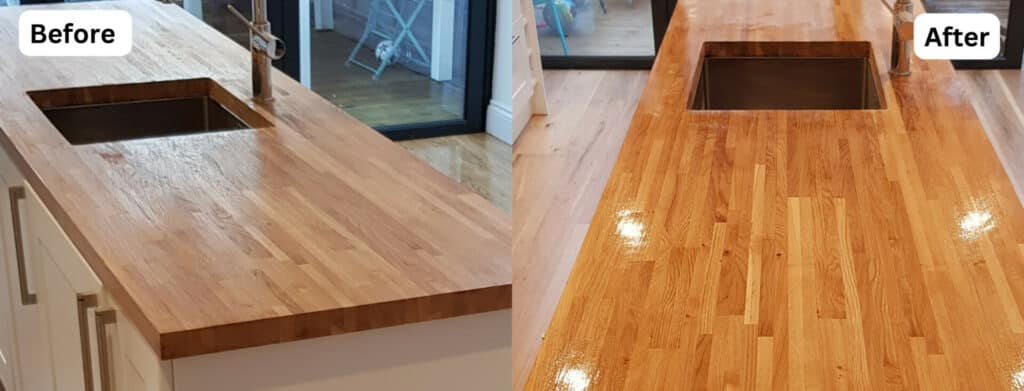
Why Choose Mr Sander® For your Kitchen Worktop Sanding & Oiling ??
Choosing Mr. Sander for your kitchen worktop sanding and oiling offers a unique blend of quality, craftsmanship, and attention to detail that sets us apart in the industry. Here are key reasons why Mr. Sander should be your go-to choice:
Unmatched Expertise
Mr. Sander brings over twenty years of specialized experience in wood sanding and finishing. This deep-rooted expertise means we understand the nuances of various wood types and the best techniques to apply, ensuring your worktops not only look beautiful but are also treated with the care they deserve.
Customized Approach
We recognize that each kitchen and worktop has its own character. That’s why we offer bespoke solutions tailored to the specific needs of your worktop, considering factors like wood type, finish preferences, and the overall aesthetic of your kitchen. Our customized approach ensures a finish that complements your home’s unique style.
Advanced Technology and Techniques
Employing the latest in dust-free sanding technology, Mr. Sander ensures a clean and efficient process, minimizing disruption and mess in your home. Our commitment to using high-quality oils and finishes guarantees a durable and attractive outcome, protecting your worktops against daily wear and tear.
Eco-Friendly and Safe
In today’s world, the safety of your home environment is paramount. Mr. Sander prioritizes the use of non-toxic, eco-friendly products in all our sanding and oiling services. This commitment ensures that your kitchen remains a safe space for food preparation and family gatherings.
Exceptional Customer Service
From the initial consultation to the completion of your project, Mr. Sander prides itself on transparent communication and a customer-first approach. Our goal is to ensure your complete satisfaction, providing guidance and support throughout the process and beyond.
Dedication to Quality and Durability
Our meticulous attention to detail and dedication to craftsmanship mean we don’t just restore your worktops; we enhance their beauty and functionality. By choosing Mr. Sander, you’re investing in a service that extends the life of your worktops, ensuring they remain a centerpiece in your kitchen for years to come.
Comprehensive Maintenance Support
Beyond the initial service, Mr. Sander offers ongoing support and advice on maintaining your newly treated worktops. We provide tips on daily care and when to schedule follow-up treatments, ensuring your worktops continue to look their best.
In choosing Mr. Sander for your kitchen worktop sanding and oiling, you’re opting for a service that combines professionalism, quality, and an unmatched love for woodcare. Let us help you transform your kitchen into a space that’s not only functional but also a true reflection of your personal style and quality craftsmanship.
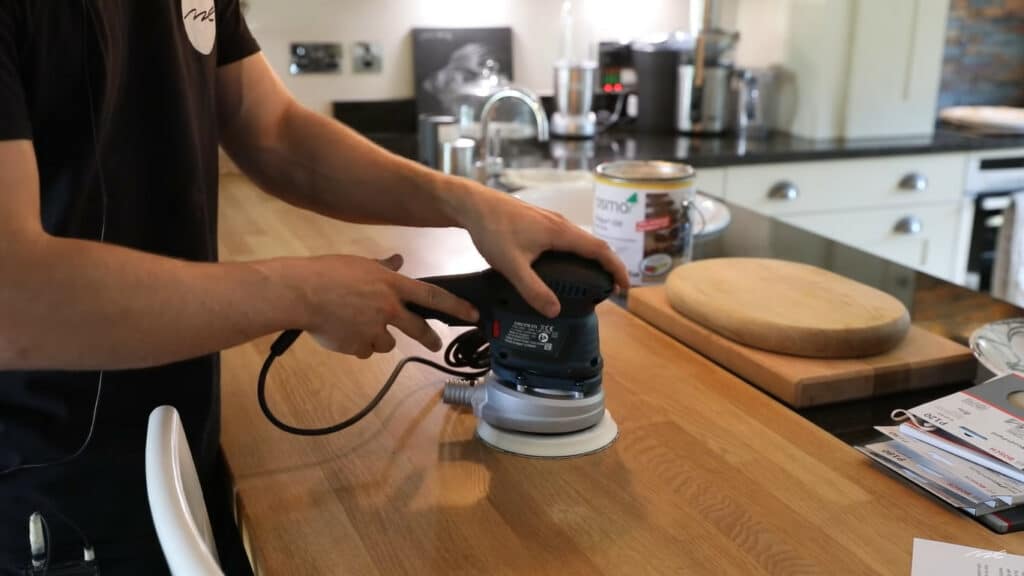
Kitchen Worktop Sanding & Oiling Services For All Types Of Wood
- Oak
- Walnut
- Maple
- Cherry
- Beech
- Teak
- Bamboo
- Pine
- Acacia
- Black Walnut
- Hickory
We Use Best Oil Finishes For Kitchen Worktop Oiling
Premium Quality and Durability:
Osmo Oil is renowned for its exceptional quality, providing a durable and hard-wearing finish that preserves the natural beauty of wood. Its unique composition combines natural oils and waxes to penetrate deeply into the wood, protecting it from the inside out. This results in a surface that is resistant to water, food stains, and common household chemicals, making it an ideal solution for kitchen worktops that see a lot of use.
Natural and Safe:
One of the reasons Mr. Sander prefers Osmo Oil is its composition of natural ingredients, making it safe for use in homes and particularly in kitchen environments. It is food-safe, ensuring that worktops treated with Osmo Oil are suitable for direct contact with food items. This aligns with Mr. Sander’s commitment to providing environmentally friendly and health-conscious solutions for their clients.
Aesthetic Enhancement:
Osmo Oil is designed to enhance the natural beauty of wood, emphasizing its grain and texture without altering its inherent character. It offers a range of finishes, from matte to satin, allowing for customization according to the homeowner’s preferences. This versatility ensures that every kitchen worktop finished by Mr. Sander with Osmo Oil not only gains in durability and protection but also in visual appeal.
Low Maintenance:
Another significant advantage of using Osmo Oil for kitchen worktops is its ease of maintenance. Unlike some finishes that require frequent reapplication or special cleaning agents, Osmo Oil-finished surfaces are easy to clean and maintain, needing only occasional touch-ups to keep them looking their best. This low-maintenance aspect is highly appreciated by Mr. Sander’s clients, who prefer spending time enjoying their kitchens rather than maintaining them.
Professional Application:
Mr. Sander’s team of skilled professionals is trained in the precise application of Osmo Oil, ensuring that every worktop is finished to the highest standards. The expertise of Mr Sander® craftsmen guarantees a uniform application that maximizes the finish’s durability and aesthetic qualities, providing clients with peace of mind and satisfaction with the final result.
Benefits of Kitchen Worktop Sanding & Oiling
Sanding and oiling kitchen worktops are essential maintenance tasks that help in preserving the beauty, functionality, and longevity of your surfaces. Here are some of the key benefits of regularly sanding and oiling your kitchen worktops:
1. Restores Appearance
- Sanding removes the top layer of the worktop, which can be scratched, stained, or worn out, revealing a fresh and new surface underneath. This can significantly improve the appearance of your kitchen worktop, making it look brand new.
- Oiling enhances the natural color and grain of the wood, giving it a rich, rejuvenated look. It can also even out the color variations and hide minor blemishes.
2. Increases Durability
- Sanding smooths out rough areas and imperfections that could become worse over time and potentially harbor bacteria or cause splinters.
- Oiling penetrates deep into the wood, providing a protective layer that makes the surface more resistant to water, stains, and damage from everyday use.
3. Improves Hygiene
- A well-sanded and oiled worktop is more resistant to water and moisture, preventing the growth of mold, mildew, and bacteria that thrive in damp environments.
- The smooth, sealed surface is easier to clean and sanitize, ensuring a hygienic surface for food preparation.
4. Enhances Water Resistance
- Regular oiling creates a barrier that repels water and liquids, reducing the risk of water damage, warping, or swelling of the wood.
- This is particularly important in a kitchen environment where spills are common.
5. Cost-Effective Maintenance
- By regularly maintaining your worktops through sanding and oiling, you can avoid the need for more expensive repairs or replacements in the future.
- It extends the life of your worktops, making it a cost-effective solution in the long run.
6. Natural and Safe
- Many oils used for worktops are natural and non-toxic, making them safe for use in food preparation areas. They do not emit harmful chemicals or odors.
7. Customization
- Oiling allows you to modify the finish of your worktop. You can choose from a variety of oils to achieve a matte, satin, or glossy finish, depending on your personal preference.
Contact Us
We warmly invite you to get in touch with us to explore the transformative impact our kitchen worktop sanding and oiling services can bring to your home. Whether you’re aiming for a sleek, contemporary look or prefer a classic, natural ambiance, our skilled team stands ready to guide you through the process. Reach out today for a custom consultation and receive a comprehensive, no-obligation estimate. Let’s discuss the potential of your kitchen worktops and how we can unveil their true beauty and durability. You can contact us via phone, email, or by filling out the contact form on our website – we’re keen to hear from you and excited to start this journey of revitalization together.
Rediscover the beauty of your kitchen worktops – Get a Quote or Call us on 020 7381 9408


Check out our amazing customer reviews…

Chris and Christina
August 2023

Jeff Jones
August 2023

Rocco DeLuca
July 2023

Sanding
We provide virtually dust-free sanding with our continuous belt machinery with mobile extraction units, giving you a safer environment for your family.

Oiling
This organic finish not only adds beauty to your home but also has exceptional water-repellent characteristics, making it easier to clean and maintain.

Waxing
This natural floor finish offers the softest and most mellow appearance – and leaves your floor able to breath.

Buffing
Using soft buffing machines (and hand-polishing where required) will bring a wonderful sheen to your newly-finished floor.

Repairs
We offer a full assessment of your wooden floors to determine what repairs are needed to provide the perfect working surface for the later stages of sanding, staining and sealing.

Restoration
We offer a comprehensive restoration process designed to address floors that are improperly fitted or damaged over time through wear and tear.
Request a fixed price quote for your wood floor restoration now
Simply enter your postcode below to get started.






Services
Wood Floor Sanding Wood Floor Restoration Wood Floor Scratch Repair Squeaky Wood Floor Repair Parquet Floor Sanding Parquet Floor Restoration Commercial Floor Sanding Church Floor Sanding Community Centre Floor Sanding School Floor Sanding Gap Filling Gap Filling with ResinCopyright © Mr Sander®
Privacy & Cookies Terms & Conditions Complaints Procedure Cancellation Rights Sitemap

Get An Instant Price Estimate Before You Go…
Simply enter the rooms you need sanded and we’ll provide you with a price estimate instantly! Try our price calculator now.
Get a Price Estimate NowLocal Floor Sanding Experts
Over 500 5-Star Reviews
Safe, Dust Free Sanding
Operating Since 1994