London:
Nationwide:


25,000+
Floors Restored

27 Years Experience

Wood Flooring Association Certified
Wood Floor Waxing
VIEW PRICINGWood Floor Waxing
At Mr Sander®, we understand the beauty and value of your wooden floors. Our professional wood floor waxing services are designed to not only protect your floors but also to bring out their natural elegance and warmth. With years of experience and a passion for perfection, our team of skilled experts ensures a flawless finish every time.
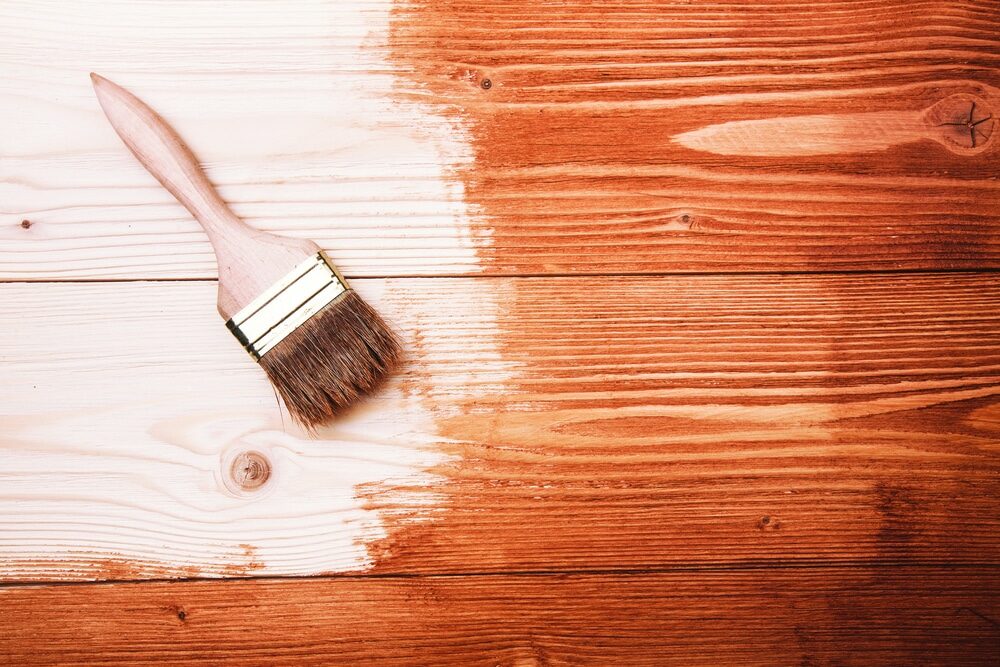
We Use Premium Wood Floor Waxing Products
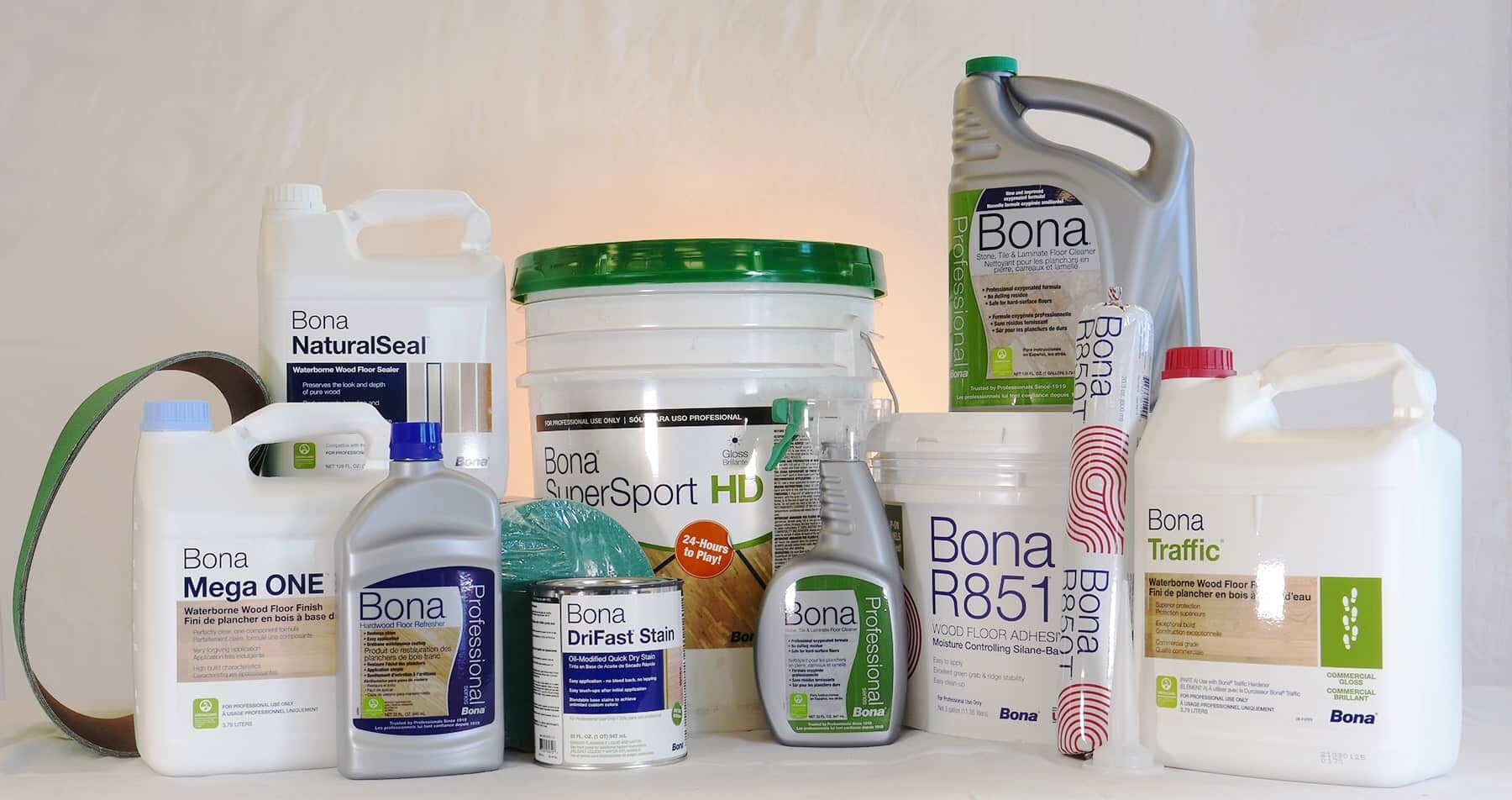
At Mr Sander®, we believe in using only the best products to care for your wooden floors. Our selection of wood floor waxes is carefully chosen to ensure superior protection, enhanced beauty, and long-lasting results. Here’s a closer look at the types of products we use:
High-Quality Natural Waxes
- Beeswax-Based Blends: Renowned for its natural origins and excellent protective qualities, beeswax is a key component in some of our preferred waxes. It helps to nourish the wood and leaves a soft, natural sheen.
- Carnauba Wax: Known as the “queen of waxes,” Carnauba is prized for its durability and high-gloss finish. This plant-based wax forms a hard, protective layer on your floors, guarding against scuffs and scratches.
Advanced Synthetic Formulas
- Polyurethane Waxes: Ideal for high-traffic areas, our polyurethane-based waxes offer robust protection against wear and tear. They create a tough, resilient layer that keeps your floors looking pristine for longer.
- Acrylic Waxes: These waxes provide a crystal-clear finish and excellent durability. They’re perfect for modern homes and commercial spaces, offering ease of maintenance and long-lasting shine.
Eco-Friendly and Safe Solutions
- Low VOC Products: We prioritize the use of waxes with low volatile organic compound (VOC) levels, ensuring a safer environment for your family and pets.
- Non-Toxic Ingredients: Our commitment to health and safety means choosing products that are free from harmful chemicals and toxins.
Compatibility with Various Wood Types
- Our range of waxes is suitable for all types of wood floors, from classic hardwoods to contemporary engineered woods. We match the product to the specific needs of your floor, considering factors like wood species, finish, and age.
Regular Training and Updates
- Our team regularly undergoes training to stay updated on the latest products and application techniques. This commitment to excellence ensures that we are always using the best and most effective products available.
Why These Products?
- By using these top-tier products, we ensure that your floors are not only aesthetically pleasing but also well-protected and easy to maintain. The quality of our waxes translates into longevity and beauty for your wooden floors.
Why Choose Our Wood Floor Waxing Services?
- Enhanced Durability: Our high-quality waxing products provide a protective layer that shields your wood floors from scratches, dents, and daily wear and tear.
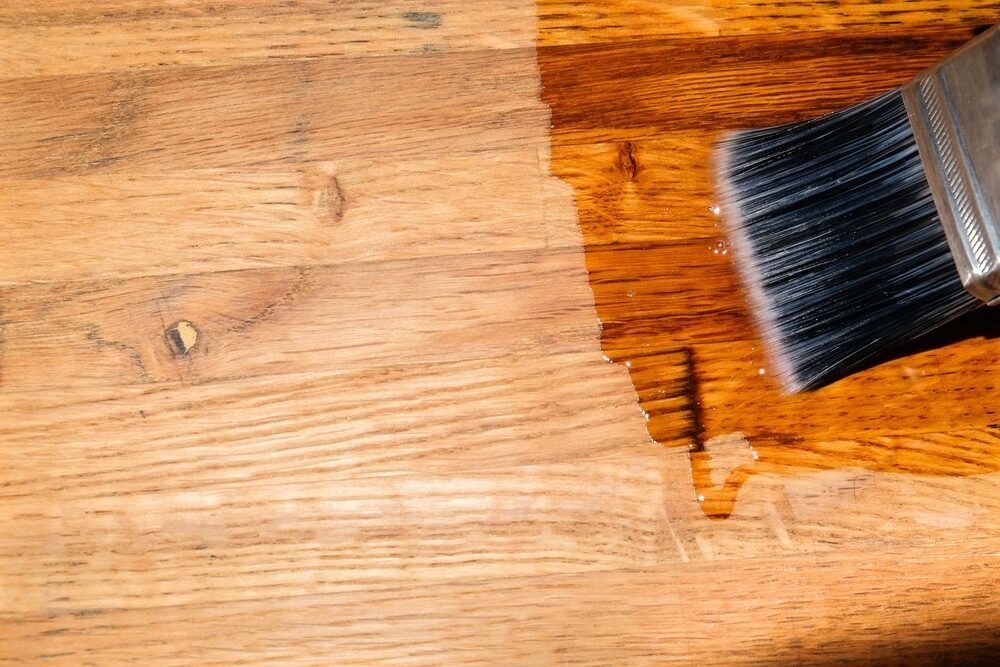
- Natural Beauty Amplified: We use the finest waxes that enhance the wood’s natural grain, giving your floors a lustrous, rich glow.
- Expert Techniques: Our team employs the latest techniques and equipment to ensure even application and a smooth, streak-free finish.
- Eco-Friendly Solutions: We are committed to the environment and use eco-friendly, non-toxic waxes that are safe for your family and pets.
Our Process
- Initial Consultation: We begin with a detailed assessment of your floors to determine the best approach and wax selection.
- Preparation: Our experts meticulously clean and prepare your floor, ensuring it’s free of dust and debris for optimal waxing results.
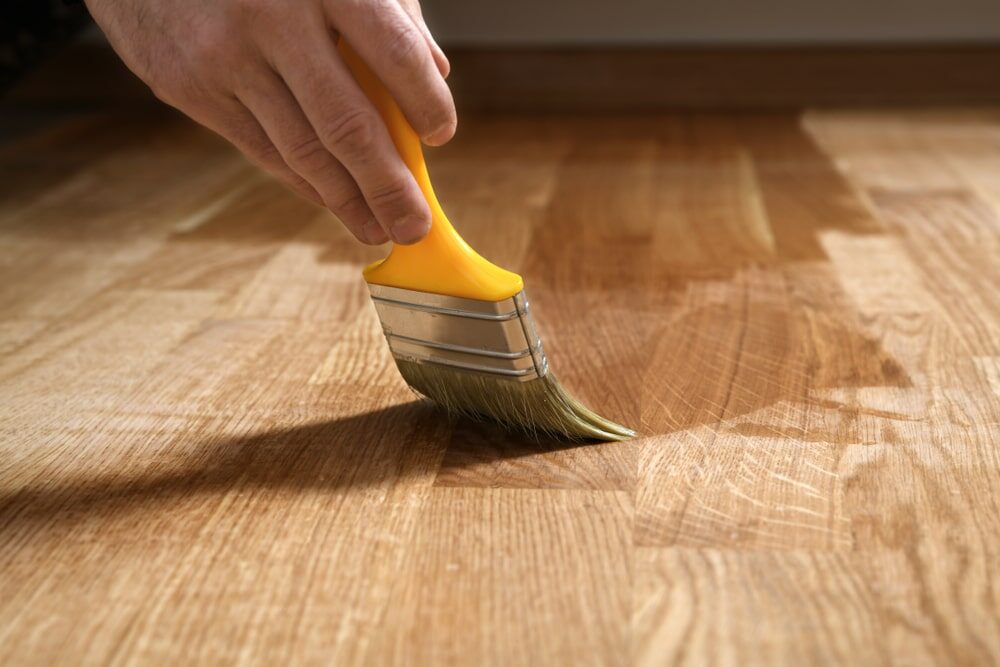
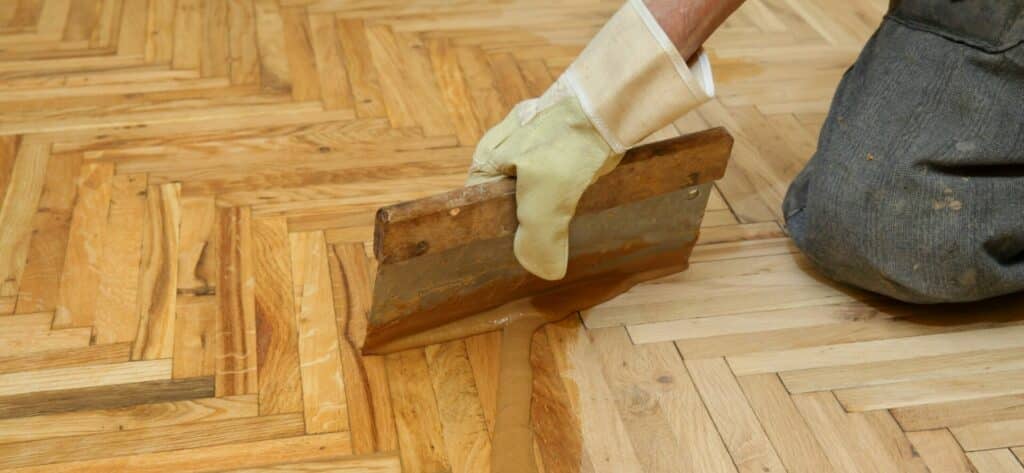
- Waxing: Using state-of-the-art equipment, we apply the wax evenly, taking care to cover every inch of your floor.
- Buffing and Polishing: After the wax settles, we buff and polish the floor to a perfect sheen, highlighting its natural beauty.
- Final Inspection: We conduct a thorough inspection to ensure your complete satisfaction with our work.
Customized Solutions for All Types of Wood Floors
Whether you have antique hardwood, modern engineered wood, or parquet floors, our experts have the skills and knowledge to handle them all. We tailor our services to meet the unique needs of each type of wood, ensuring the best possible results.
Wood Floor Waxing Services for All Types of Floors
- Pine floorboards
- Parquet
- Cork
- Granwood
- Engineered wood flooring
- Solid Wood Floors
- Bamboo
Maintenance Tips
To keep your waxed wood floors looking their best, follow these simple tips:
- Regularly sweep or vacuum to remove dirt and grit.
- Use only recommended cleaning products.
- Avoid excessive water exposure.
- Consider periodic professional cleanings and touch-ups.
Expert Wood Floor Waxing Services for Homes, Businesses, and Industrial Spaces
We offer specialized wood floor waxing services, catering to the distinct needs of residential, commercial, and industrial clients. Our team is adept in managing the unique challenges of waxing various types of wood floors, ensuring every project, no matter its size or environment, is completed with meticulous attention to detail and excellence.
Residential Wood Floor Waxing:
- Customized Service: Recognizing every home’s unique character, we provide tailored waxing solutions that align with your home’s decor and your taste.
- Restoration of All Wood Floors: Whether your home boasts vintage wooden flooring with classic charm or modern wood designs, our professionals are equipped to enhance its natural beauty.
- Minimal Disruption Guarantee: We prioritize your comfort, aiming to limit any inconvenience, ensuring a smooth and efficient waxing process that fits into your daily routine.
Business and Commercial Wood Floor Waxing:
- Transforming Business Spaces: A professionally waxed wood floor can greatly enhance the appearance of your business environment, be it an office, retail outlet, or hospitality area. We ensure your floors reflect the high standards of your business.
- Resilient Finishing Choices: Recognizing the demands of high-traffic business areas, we provide robust waxing options that endure wear while maintaining the floor’s aesthetic.
- Adaptable Scheduling: Our services are scheduled around your business operations to minimize interruption, with after-hours and weekend appointments available.
Industrial Wood Floor Waxing:
- Heavy-Duty Waxing Solutions: Industrial settings require strong and resilient flooring solutions. We offer intensive waxing services designed to endure the heavy usage of industrial environments.
- Focus on Safety and Standards: We prioritize safety and adherence to industry regulations, ensuring the waxed floors are safe and compliant for employees and visitors.
- Emphasis on Longevity and Maintenance: Our industrial waxing process is tailored for long-lasting durability and easy upkeep, considering the intensive use and operational needs of industrial sites.
Contact Us
Ready to rejuvenate your wood floors? Contact Mr Sander® today for a free quote and consultation. Let us bring the beauty back to your floors!
Get a Quote or Call us on 020 7381 9408 for the best treatments for your commercial wooden floors!
Check out our amazing customer reviews…

Chris and Christina
August 2023

Jeff Jones
August 2023

Rocco DeLuca
July 2023

Sanding
We provide virtually dust-free sanding with our continuous belt machinery with mobile extraction units, giving you a safer environment for your family.

Oiling
This organic finish not only adds beauty to your home but also has exceptional water-repellent characteristics, making it easier to clean and maintain.

Waxing
This natural floor finish offers the softest and most mellow appearance – and leaves your floor able to breath.

Buffing
Using soft buffing machines (and hand-polishing where required) will bring a wonderful sheen to your newly-finished floor.

Repairs
We offer a full assessment of your wooden floors to determine what repairs are needed to provide the perfect working surface for the later stages of sanding, staining and sealing.

Restoration
We offer a comprehensive restoration process designed to address floors that are improperly fitted or damaged over time through wear and tear.
Request a fixed price quote for your wood floor restoration now
Simply enter your postcode below to get started.




Services
Wood Floor Sanding Wood Floor Restoration Wood Floor Scratch Repair Squeaky Wood Floor Repair Parquet Floor Sanding Parquet Floor Restoration Commercial Floor Sanding Church Floor Sanding Community Centre Floor Sanding School Floor Sanding Gap Filling Gap Filling with ResinCopyright © Mr Sander®
Privacy & Cookies Terms & Conditions Complaints Procedure Cancellation Rights Sitemap

Get An Instant Price Estimate Before You Go…
Simply enter the rooms you need sanded and we’ll provide you with a price estimate instantly! Try our price calculator now.
Get a Price Estimate NowLocal Floor Sanding Experts
Over 500 5-Star Reviews
Safe, Dust Free Sanding
Operating Since 1994