London:
Nationwide:


25,000+
Floors Restored

27 Years Experience

Wood Flooring Association Certified
Parquet Flooring Restoration, Sanding & Repair
VIEW PRICINGParquet Flooring Restoration, Sanding & Repair
Whether your parquet floor is showing signs of wear and tear, or you’re seeking to revive its original splendor, Mr Sander® is here to help you to Restore your Parquete Floor. From assessing the current condition of your floors to applying the final touches that bring out their natural beauty, we are committed to delivering results that not only meet but exceed your expectations. Contact us for your Parquet Floor Restoration, where we turn the old into extraordinary and the damaged into dazzling.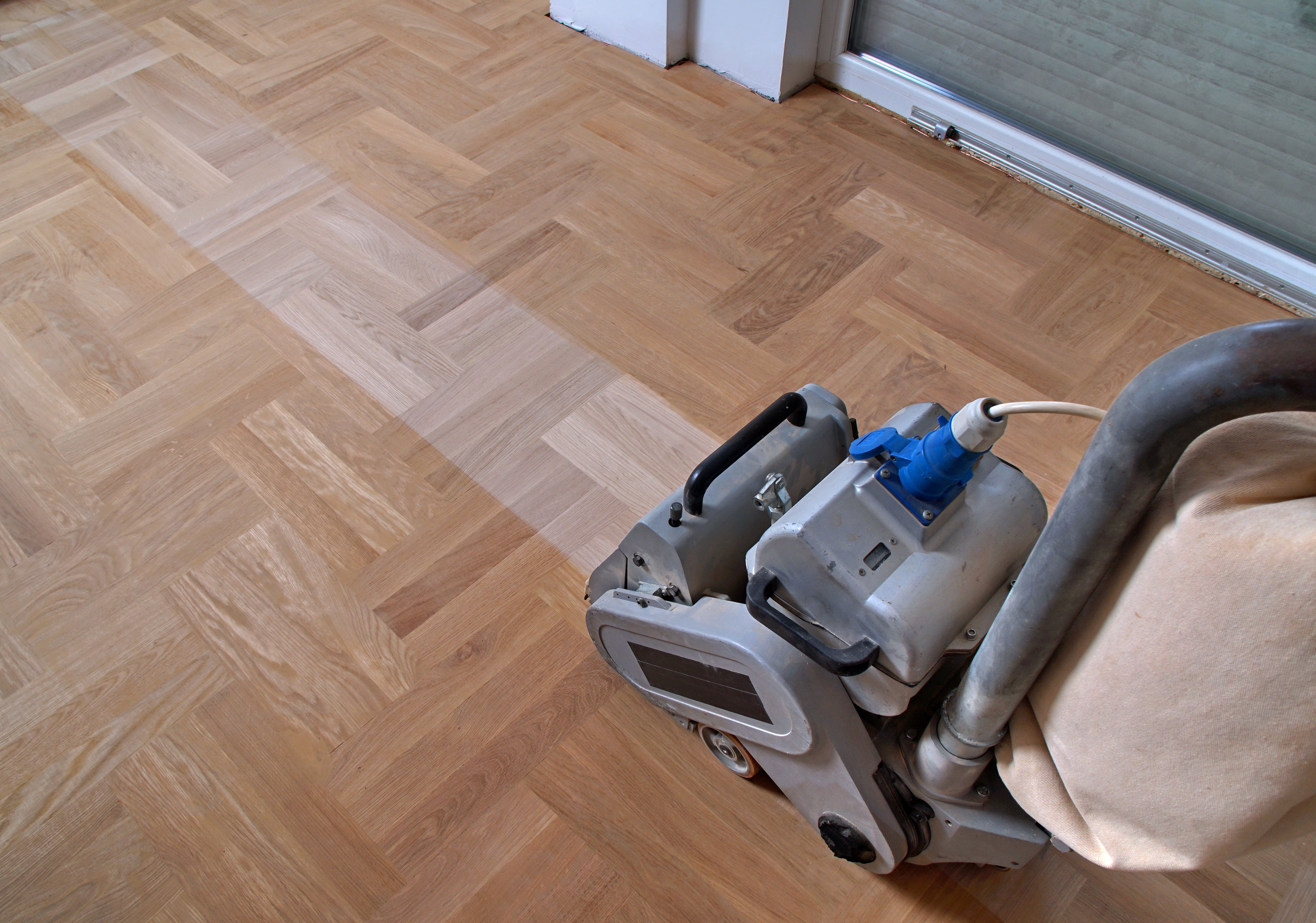
Parquet Flooring Restoration
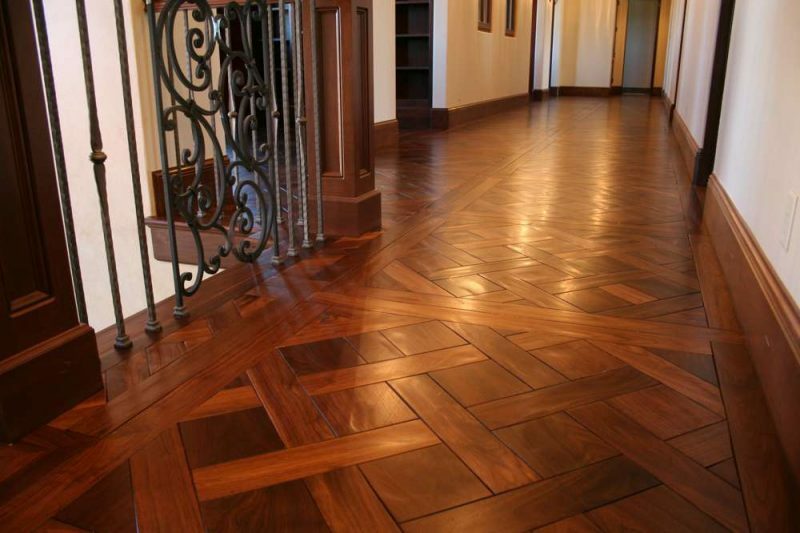
Parquet flooring restoration is a meticulous and rewarding process that revives the original splendor of wooden floors. Over time, parquet floors may lose their luster due to wear and tear, fading, scratches, or even water damage. However, with the right approach and expertise, these classic floors can be brought back to their former glory, preserving their elegance and extending their life.- Assessment and Planning: The first step in parquet floor restoration is a thorough assessment of the flooring’s condition. This involves examining the extent of damage, identifying the type of wood, and determining the patterns and finishes used. Based on this evaluation, a detailed plan is formulated, outlining the necessary restoration steps, which may include repair, sanding, and refinishing.
- Repairing Damages: Before sanding, any damaged or loose pieces of wood need to be repaired or replaced. This step is crucial in maintaining the integrity of the parquet pattern. Repair may involve re-affixing loose blocks, replacing damaged ones with matching wood, and addressing any issues with the subfloor. This process requires precision to ensure the new pieces blend seamlessly with the existing flooring.
- Sanding the Floor: Sanding is a critical stage in the restoration process. It involves removing the old layer of finish, along with any scratches or imperfections, revealing a fresh layer of wood. For parquet floors, this step must be approached with care due to the different grain directions of the wood pieces. Professional floor restorers use specialized equipment and techniques to sand the floor evenly without damaging the intricate patterns.
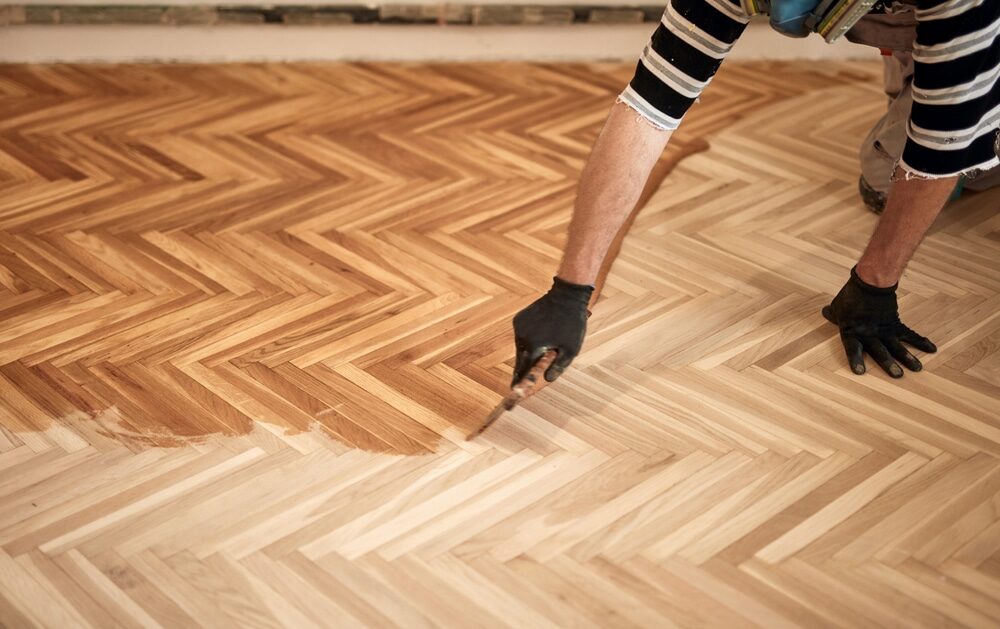
- Refinishing: After sanding, the floor is vacuumed and cleaned to remove all dust and debris. Then, a new finish is applied. The choice of finish (oil, wax, or varnish) depends on the type of wood and the desired aesthetic. The finish not only enhances the beauty of the wood but also provides a protective layer, safeguarding the floor against future wear and enhancing its durability.
- Maintenance Advice: Post-restoration, it’s essential to provide clients with guidance on maintaining their parquet floors. This includes advice on cleaning methods, products to avoid, and tips on protecting the floor from scratches and damage. Regular maintenance ensures the longevity of the restoration work and keeps the parquet flooring looking beautiful for years to come.
Parquet Flooring Restoration
Restoring parquet flooring is a specialized craft that blends precision, artistry, and a deep understanding of woodwork. Parquet floors, known for their unique patterns and inherent beauty, can over time become dull, scratched, or damaged. Restoration breathes new life into these floors, not only rejuvenating their appearance but also preserving their structural integrity and extending their lifespan.- Initial Assessment: The restoration process begins with a thorough evaluation of the parquet flooring. This assessment includes identifying the type of wood, the condition of the floor, the extent of wear or damage, and the original finish used. It’s crucial to determine whether the flooring requires simple refinishing or more extensive repair work.
- Repairing and Replacing Damaged Pieces: One of the first steps in the restoration process is addressing any damage. This could involve replacing broken or missing pieces of wood, re-attaching loose blocks, or even repairing the subfloor if necessary. The key is to match the new wood as closely as possible to the original in terms of species, grain, and color to maintain the floor’s overall aesthetic.
- Sanding the Floor: Sanding is a critical aspect of restoration. This process removes the old finish, evens out any imperfections, and prepares the floor for a new finish. Sanding parquet flooring requires expertise due to the varied directions of the wood grain in the pattern. It’s important to use the right equipment and techniques to avoid damaging the intricate design of the parquet.
- Finishing: After sanding, the floor needs to be thoroughly cleaned to remove all dust and debris. Then, a new finish is applied. The choice of finish (like lacquer, oil, or varnish) depends on the desired look and the level of protection required. The right finish will not only enhance the beauty of the wood but also protect it from wear and tear, moisture, and other environmental factors.
- Final Touches and Maintenance: Once the floor is refinished, it’s important to provide guidance on how to maintain its beauty. Advice on regular cleaning, the type of cleaners to use, and tips to avoid scratches and damage are essential. Proper maintenance ensures the restoration work lasts and keeps the parquet floor looking its best for years.
Repairing Parquet Floors
Repairing parquet floors is a crucial aspect of their maintenance and longevity. Parquet, known for its distinctive and intricate patterns, can sometimes suffer from specific types of damage that require careful and expert repair. The goal of parquet floor repair is not just to fix the visible damage but also to ensure the integrity and continuity of the pattern, blending the repair seamlessly with the original flooring.- Assessment of Damage: The first step in repairing parquet floors is a thorough assessment to understand the extent and type of damage. Common issues include loose or missing blocks, scratches, water damage, or stains. The repair strategy depends on this initial assessment.
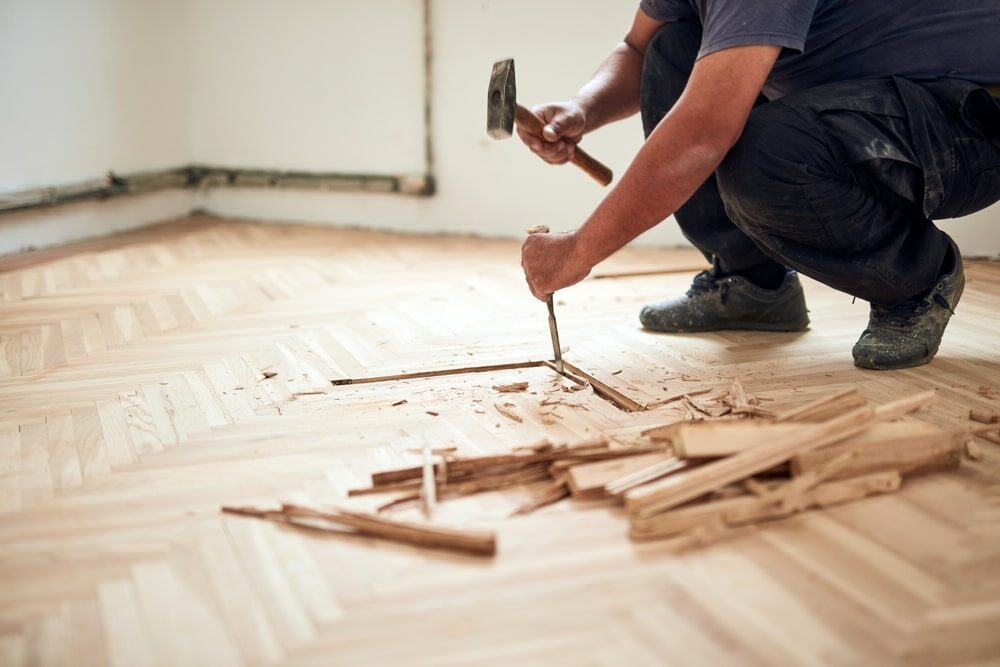
- Replacing Damaged Blocks: In cases where parquet blocks are damaged beyond repair, the best solution is to replace them. This involves carefully removing the damaged pieces and finding a matching replacement. The challenge here is to match the new block in terms of wood type, grain, and color to the existing floor. This might involve sourcing vintage wood or custom staining to achieve a seamless match.
- Re-fixing Loose Blocks: Sometimes, parquet blocks may become loose over time. These blocks need to be carefully re-attached to the subfloor. This involves cleaning the area underneath and using a suitable adhesive to fix the block back into position, ensuring it is level with the surrounding blocks.
- Dealing with Water Damage: Water damage can cause parquet blocks to warp or lift. Repairing water-damaged parquet often involves drying out the area, assessing the damage, and then either flattening the warped blocks or replacing them if they are too damaged.
- Sanding and Refinishing: After the repair work is completed, sanding and refinishing might be necessary to ensure the repaired area blends in with the rest of the floor. Sanding should be done carefully to avoid damaging the parquet pattern. A matching finish is then applied to protect the wood and enhance its appearance.
- Regular Maintenance and Care: Post-repair, it is important to advise on proper maintenance to prevent future damage. This includes regular cleaning with appropriate products, controlling room humidity, and avoiding direct sunlight or moisture exposure.
Comprehensive Parquet Wood Floor Restoration for Residential, Business, and Industrial Clients
We specialize in Parquet wood floor restoration services tailored to meet the unique needs of residential, business, and industrial clients. Our expertise in handling the intricacies of parquet flooring restoration ensures that every project, regardless of its scale or setting, is executed with precision, quality, and care.- Residential Parquet Floor Restoration:
- Personalized Approach: Understanding that each home has its unique style, we offer customized restoration solutions to match your home’s aesthetic and your personal preferences.
- Restoration of Historical and Modern Floors: Whether your home features historical parquet flooring with traditional patterns or a modern installation with contemporary designs, our team has the expertise to restore its beauty.
- Focus on Minimizing Disruption: We value your comfort and aim to minimize disruption to your daily life, ensuring a smooth and efficient restoration process.
- Business and Commercial Parquet Floor Restoration:
- Enhancing Business Interiors: A well-maintained parquet floor can significantly elevate the look of your business space, be it an office, retail store, or hospitality venue. We ensure your floors reflect your business’s professionalism and ethos.
- Durable Finishing Options: Understanding the high-traffic nature of business environments, we offer durable finishing options that stand up to wear and tear while maintaining the floor’s aesthetic appeal.
- Flexible Scheduling: We work around your business hours to ensure minimal disruption to your operations, offering after-hours and weekend services if required.
- Industrial Parquet Floor Restoration:
- Heavy-Duty Restoration Solutions: Industrial settings demand robust flooring solutions. We provide heavy-duty restoration services that ensure your parquet floors can withstand the rigors of industrial use.
- Safety and Compliance: In addition to aesthetics, we focus on safety and compliance with industry standards, ensuring that the restored floors are safe for employees and visitors.
- Long-Term Durability: Our restoration process for industrial settings prioritizes long-term durability and ease of maintenance, considering the high-traffic and operational demands of industrial spaces.
Why Choose Our Professional Services
Choosing the right professionals for parquet flooring restoration, sanding, and repair is crucial to ensure the longevity, beauty, and integrity of your flooring. At Mr Sander®, we offer a combination of expertise, quality, and customer-focused services that set us apart in the field of floor restoration.- Expertise and Experience: Our team comprises skilled craftsmen with extensive experience in all aspects of parquet floor restoration. This expertise ensures that every project we undertake is handled with the utmost care and precision, whether it’s a simple repair or a complete restoration.
- Customized Solutions: We understand that each parquet floor is unique, with its own history and pattern. Our approach is tailored to meet the specific needs of your flooring, ensuring a result that respects the original design and character of your parquet.
- Quality Materials and Equipment: We use only the highest quality materials and state-of-the-art equipment in our restoration processes. This commitment to quality ensures that not only is the immediate aesthetic appeal of your floor enhanced, but its durability and longevity are also significantly improved.
- Attention to Detail: Our team pays meticulous attention to every detail, from matching the wood type and grain in repairs to ensuring the finish is applied evenly. This level of detail ensures a seamless and superior finish that revives the original beauty of your parquet flooring.
- Sustainable Practices: We are committed to environmentally responsible practices. This includes using eco-friendly products and sustainable materials wherever possible, ensuring our work is not only good for your floors but also for the environment.
- Customer Satisfaction: Our goal is to exceed customer expectations, not just meet them. We take the time to understand your vision and requirements, and we keep you informed throughout the restoration process. Your satisfaction is our top priority.
- Aftercare Support: Our service doesn’t end with the completion of the project. We provide comprehensive aftercare advice to help you maintain the beauty of your restored parquet flooring. This includes tips on cleaning, maintenance, and prevention of future damage.
Contact Us
Are you ready to restore the elegance and charm of your parquet flooring? At Mr Sander®, we are passionate about bringing the timeless beauty of parquet floors back to life. Our team of experts is here to provide you with the highest quality restoration, sanding, and repair services, ensuring your flooring regains its original luster and continues to enchant for years to come. Don’t let your beautiful parquet floors fade into the background. Contact us today to schedule a consultation and discover how our specialized services can rejuvenate your space. Whether it’s a cherished family home or a prestigious business venue, your floors deserve the best care and attention.Check out our amazing customer reviews…

Chris and Christina
August 2023

Jeff Jones
August 2023

Rocco DeLuca
July 2023

Sanding
We provide virtually dust-free sanding with our continuous belt machinery with mobile extraction units, giving you a safer environment for your family.

Oiling
This organic finish not only adds beauty to your home but also has exceptional water-repellent characteristics, making it easier to clean and maintain.

Waxing
This natural floor finish offers the softest and most mellow appearance – and leaves your floor able to breath.

Buffing
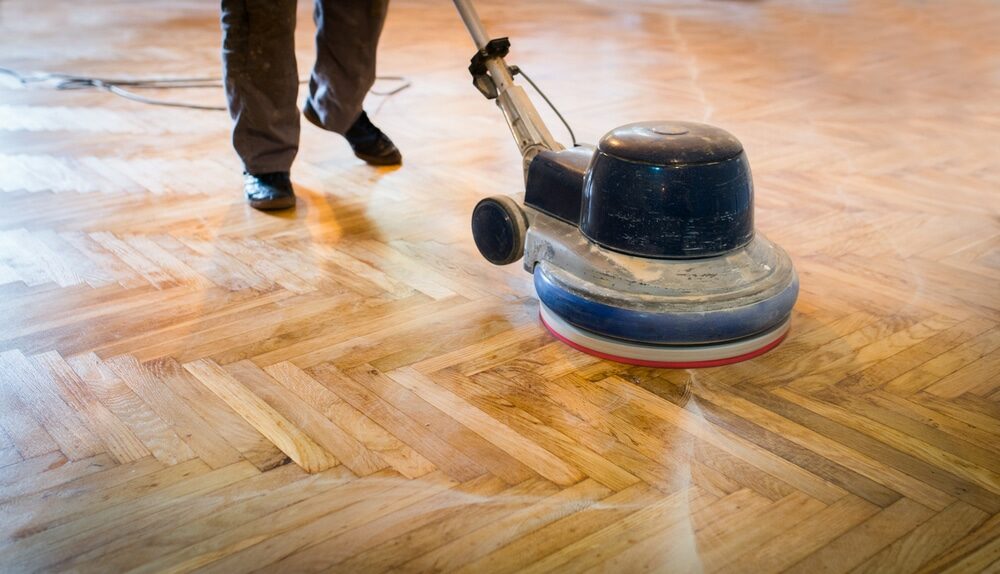
Using soft buffing machines (and hand-polishing where required) will bring a wonderful sheen to your newly-finished floor.

Repairs
We offer a full assessment of your wooden floors to determine what repairs are needed to provide the perfect working surface for the later stages of sanding, staining and sealing.

Restoration
We offer a comprehensive restoration process designed to address floors that are improperly fitted or damaged over time through wear and tear.
Request a fixed price quote for your wood floor restoration now
Simply enter your postcode below to get started.





Services
Wood Floor Sanding Wood Floor Restoration Wood Floor Scratch Repair Squeaky Wood Floor Repair Parquet Floor Sanding Parquet Floor Restoration Commercial Floor Sanding Church Floor Sanding Community Centre Floor Sanding School Floor Sanding Gap Filling Gap Filling with ResinCopyright © Mr Sander®
Privacy & Cookies Terms & Conditions Complaints Procedure Cancellation Rights Sitemap

Get An Instant Price Estimate Before You Go…
Simply enter the rooms you need sanded and we’ll provide you with a price estimate instantly! Try our price calculator now.
Get a Price Estimate NowLocal Floor Sanding Experts
Over 500 5-Star Reviews
Safe, Dust Free Sanding
Operating Since 1994