London:
Nationwide:


25,000+
Floors Restored

27 Years Experience

Wood Flooring Association Certified
Tropical Mango Hardwood Flooring: Sustainable Elegance
Posted on August 12, 2023
Articles
Exploring the Charm of Tropical Mango Hardwood Flooring
When thinking about hardwood flooring options, oak, hickory, or maple might instantly come to mind. These are timeworn classics, renowned for their durability and timeless beauty. However, in recent years, a new contender has emerged from the lush tropical regions of our world: the Mango tree. Traditionally celebrated for its delicious fruit, the Mango tree is now also getting attention for the exquisite hardwood it offers. In this post, we’ll delve into Tropical Mango hardwood flooring, discussing its aesthetics, benefits, and considerations.
A Brief Introduction to Mango Wood
Mango trees are native to South Asia but have been cultivated in multiple tropical regions around the globe. As a fruit-producing tree, it is primarily grown for its fruit. However, once the tree ages and its fruit-bearing capacity decreases, instead of it becoming waste, it’s sustainably harvested for timber. This approach ensures that the trees are utilized to their full potential, emphasizing sustainability and eco-friendliness.
Aesthetic Appeal
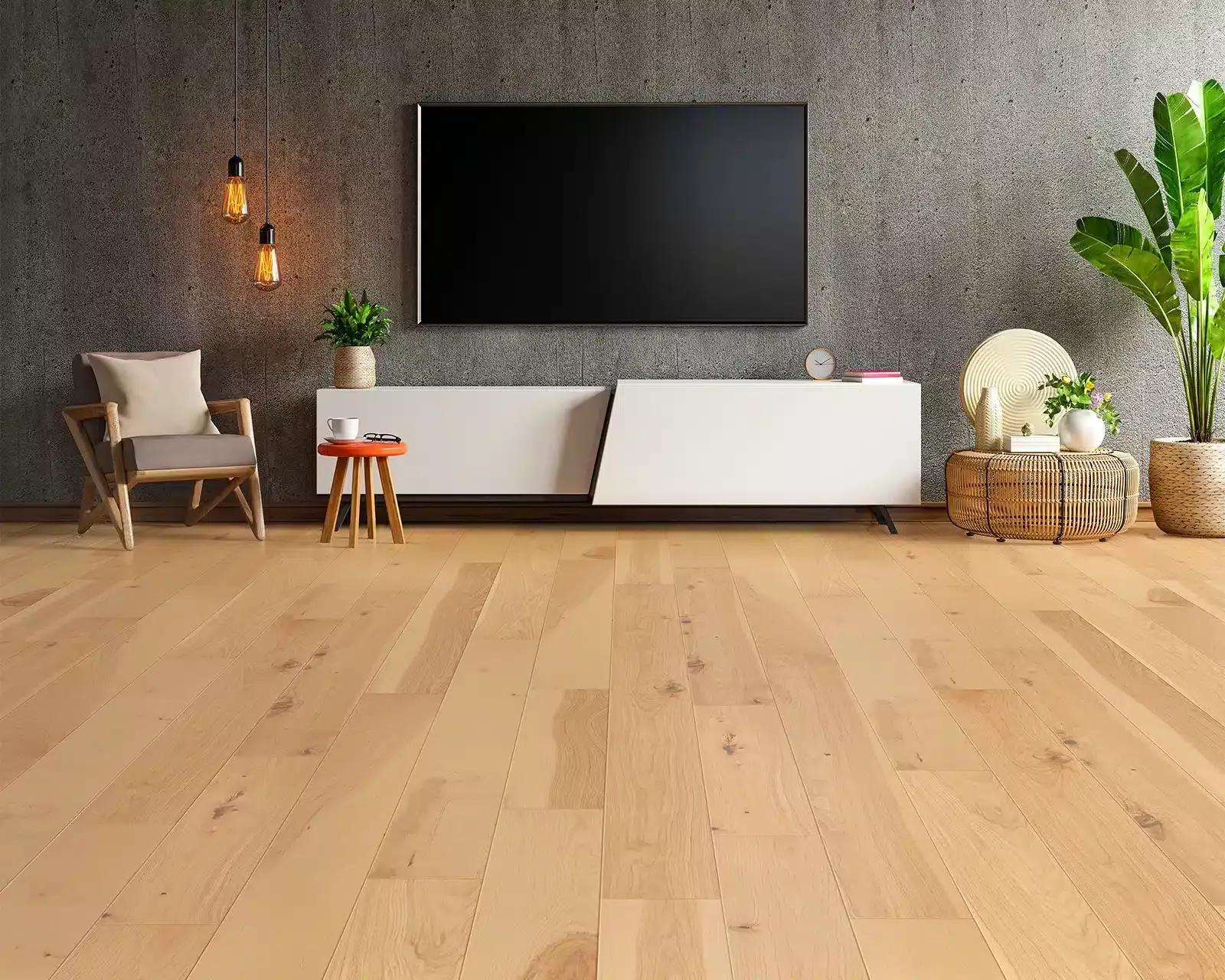
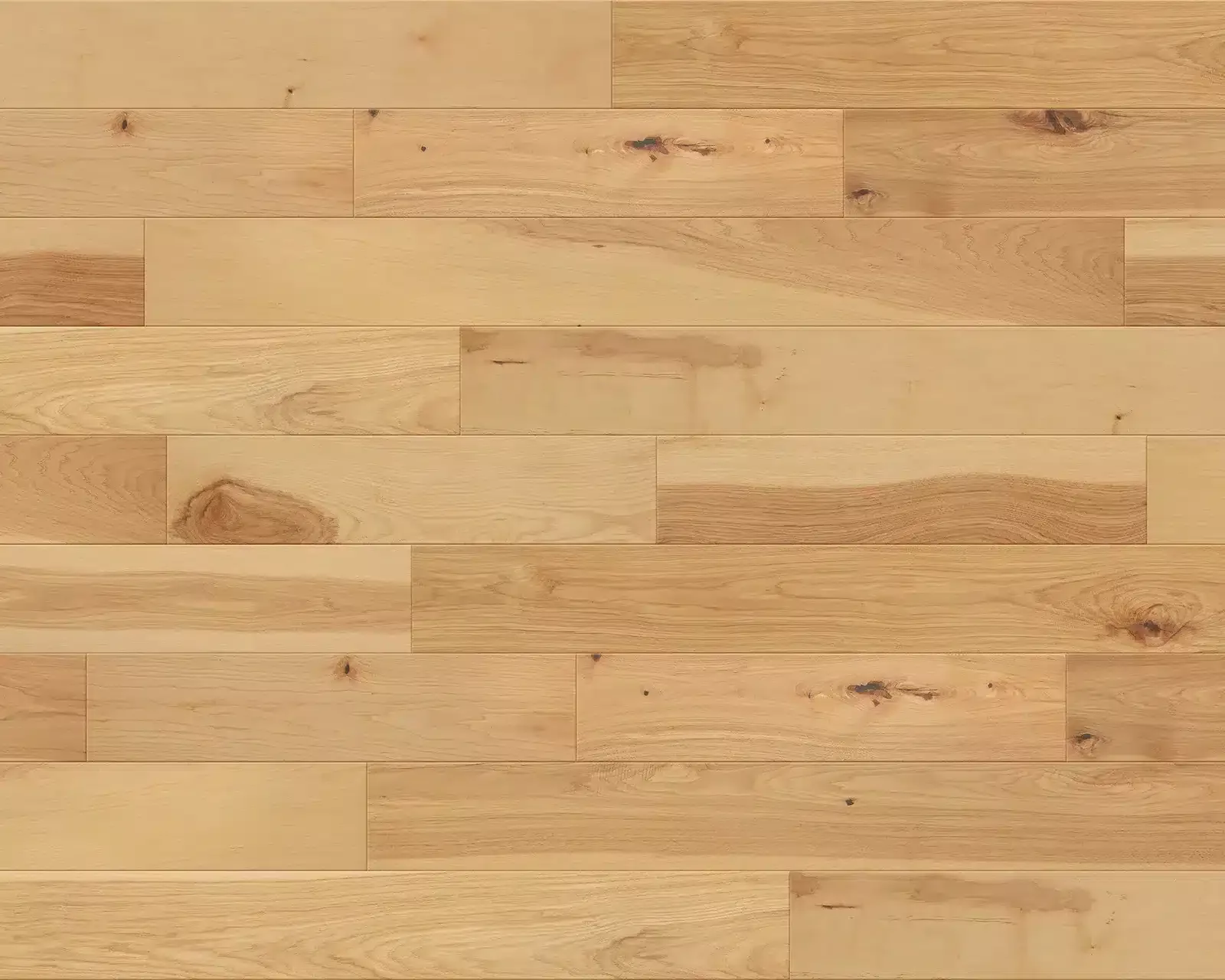
Mango wood boasts a unique grain pattern that stands out from traditional hardwoods. The grain is often interlocked, with a mixture of light and dark tones that offer a sense of depth and dynamism to any room. Its natural hues range from golden browns to light beige, interspersed occasionally with streaks of pink or even a mild green. This vibrant color palette makes mango wood an excellent choice for those looking to inject warmth and tropical charm into their interiors.
Durability and Maintenance
While mango wood may not have the same hardness level as oak or maple, it offers a reasonable durability that can stand up to daily wear and tear. With proper care and maintenance, a mango wood floor can last decades.
Maintenance is relatively straightforward. Regular sweeping or vacuuming keeps the floor free from grit and dirt, which might cause scratches. And, like other hardwoods, it’s advisable to promptly clean up any spills to prevent staining or water damage.
Environmental Impact and Sustainability
One of the standout benefits of choosing mango wood flooring is its positive environmental impact. Since mango trees are primarily cultivated for fruit, the wood is often sourced from trees that have passed their fruit-bearing prime. This means that instead of these older trees going to waste, they’re repurposed into beautiful flooring. This approach promotes sustainability and reduces waste.
Moreover, mango trees grow relatively quickly, making them a more renewable resource compared to slow-growing trees like oaks.
Pricing and Availability
Mango wood flooring, being a somewhat novel option in the hardwood market, can have varied pricing. Generally, it tends to be more affordable than traditional hardwoods, making it an attractive choice for budget-conscious homeowners looking for a unique flooring option.
Its popularity has been on the rise, and as a result, more suppliers are offering mango wood as part of their hardwood collections. It’s always advisable to check with multiple suppliers to get the best quality and pricing options.
Final Thoughts
Tropical Mango hardwood flooring is more than just an alternative to the classics. It’s a statement of style, sustainability, and a nod to the beauty that nature offers. Whether you’re looking to bring a touch of the tropics to your home or simply want an eco-friendly flooring option that doesn’t compromise on beauty, mango wood might just be the perfect choice.
Remember, the best floor is not only about appearance or durability; it’s about the story it tells. And with Mango wood, you’re narrating a tale of tropical allure, sustainability, and innovation.
Some Useful Links:
- Floor Sanding Services
- School Floor Sanding
- Wood Floor Restorations
- Wood Floor Repairs
- Wood Floor Polishing
More from our Blog:
Curupay Hardwood Flooring: Strength Meets Elegance for Busy Spaces Ipe Hardwood Flooring: A Durable & Unique Choice Acacia Hardwood Flooring: Beauty, Durability & History Hardwood Flooring Grades: Unveiling Their Unique Tales Understanding and Sanding Historic Wood Floors


Sanding
We provide virtually dust-free sanding with our continuous belt machinery with mobile extraction units, giving you a safer environment for your family.
Oiling
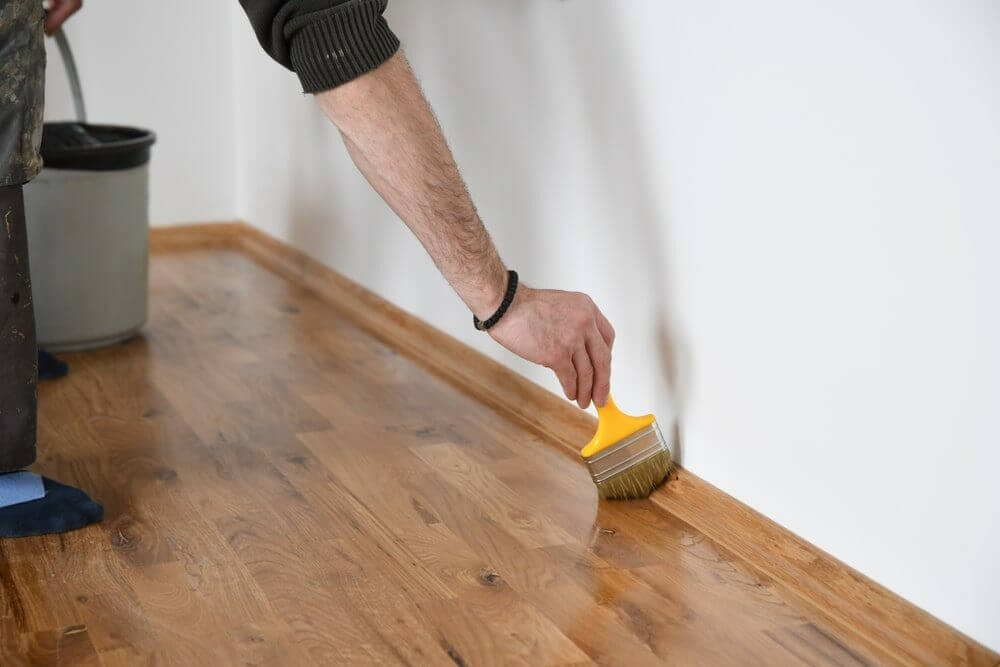
This organic finish not only adds beauty to your home but also has exceptional water-repellent characteristics, making it easier to clean and maintain.

Waxing
This natural floor finish offers the softest and most mellow appearance – and leaves your floor able to breath.

Buffing
Using soft buffing machines (and hand-polishing where required) will bring a wonderful sheen to your newly-finished floor.

Repairs
We offer a full assessment of your wooden floors to determine what repairs are needed to provide the perfect working surface for the later stages of sanding, staining and sealing.

Restoration
We offer a comprehensive restoration process designed to address floors that are improperly fitted or damaged over time through wear and tear.
Request a fixed price quote for your wood floor restoration now
Simply enter your postcode below to get started.





Services
Wood Floor Sanding Wood Floor Restoration Wood Floor Scratch Repair Squeaky Wood Floor Repair Parquet Floor Sanding Parquet Floor Restoration Commercial Floor Sanding Church Floor Sanding Community Centre Floor Sanding School Floor Sanding Gap Filling Gap Filling with ResinCopyright © Mr Sander®
Privacy & Cookies Terms & Conditions Complaints Procedure Cancellation Rights Sitemap

Get An Instant Price Estimate Before You Go…
Simply enter the rooms you need sanded and we’ll provide you with a price estimate instantly! Try our price calculator now.
Get a Price Estimate NowLocal Floor Sanding Experts
Over 500 5-Star Reviews
Safe, Dust Free Sanding
Operating Since 1994