London:
Nationwide:


25,000+
Floors Restored

27 Years Experience

Wood Flooring Association Certified
Water: The Biggest Threat to Hardwood Floors
Posted on June 11, 2023
News
Hardwood Floors and Water Damage: Prevention and Remedies | Home Improvement Blog
Hardwood floors bring beauty, warmth, and value to a home, but they also require care and maintenance. Of all the threats to hardwood floors, one of the most damaging is water. This comprehensive guide will explain why water is the biggest enemy of hardwood floors and provide practical tips for preventing and addressing water damage.
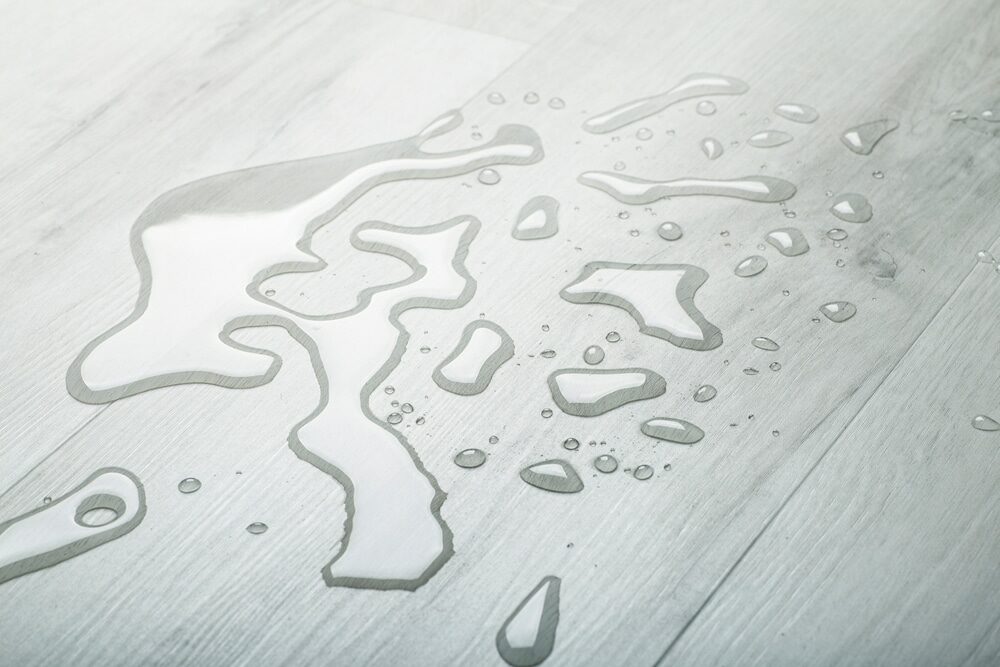
Understanding the Impact of Water on Hardwood Floors
Hardwood floors are highly sensitive to their surrounding environment, particularly when it comes to moisture. When exposed to water, hardwood floors can experience various types of damage, such as warping, cupping, crowning, and buckling. Prolonged exposure to water can also lead to discoloration, mold growth, and structural damage.
Types of Water Damage on Hardwood Floors
Understanding the types of water damage can help you identify potential issues early and take appropriate corrective action.
Warping
When exposed to water for an extended period, wood fibers absorb moisture and swell. This causes the shape of the boards to distort, resulting in warping.
Cupping
Cupping occurs when the edges of the wood planks rise while the center dips down, creating a concave appearance. This happens when a moisture imbalance exists, with more water underneath the wood than on top.
Crowning
The opposite of cupping, crowning happens when the center of the wood plank is higher than the edges. This is usually due to excessive moisture on the top of the wood.
Buckling
The most extreme type of water damage, buckling, occurs when the wood floorboards lift several inches off the underlying surface. This usually happens after a significant water event, like flooding.
How to Prevent Water Damage on Hardwood Floors
While hardwood floors are susceptible to water damage, there are several preventive measures you can take to protect them.
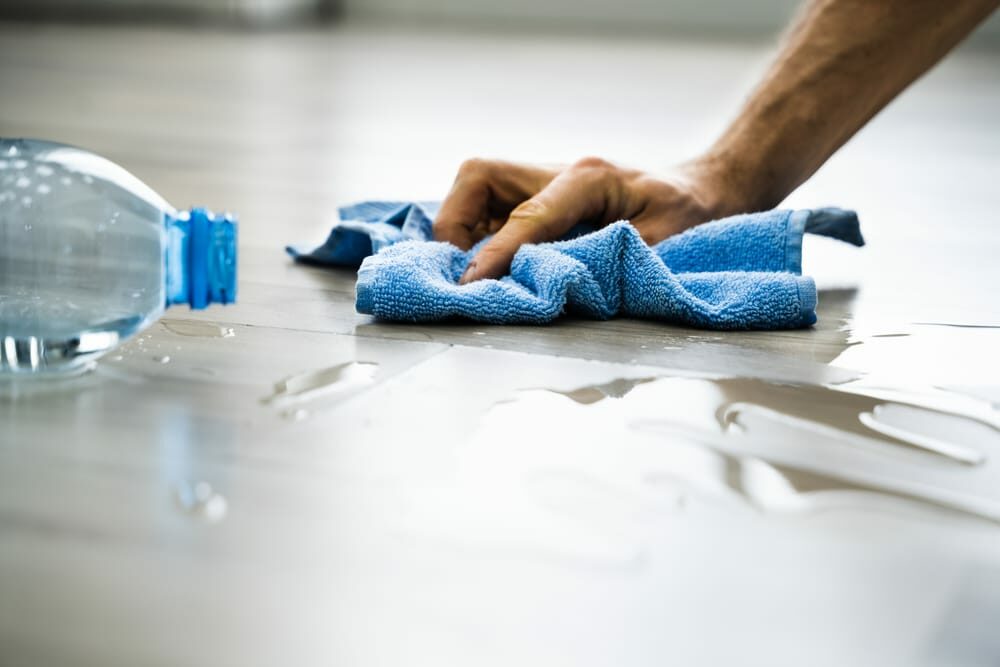
Regular Cleaning
Regular cleaning can prevent spills and moisture from settling on your floors. However, avoid using excessive water when cleaning hardwood floors. Instead, use a slightly damp mop and immediately dry the surface afterward.
Use mats and rugs.
Place mats and rugs in areas prone to spills, such as the kitchen, bathroom, and entryways. Mats can absorb moisture and provide a layer of protection for your floors.
Immediate clean-up of spills
If a spill occurs, clean it up immediately. Don’t give the water a chance to penetrate the wood’s surface.
Proper humidity control
Maintain a consistent indoor humidity level between 30% and 50% to prevent moisture-induced wood expansion and contraction.
Regular Maintenance
Regularly reseal your hardwood floors as per the manufacturer’s recommendations to protect them from moisture damage.
How to Address Water Damage on Hardwood Floors
If your hardwood floors suffer water damage, swift action is crucial to minimize the impact and restore your floors.
Step 1: Remove water
Start by removing any standing water on the floor. Use a mop, towels, or a wet vacuum to do this.
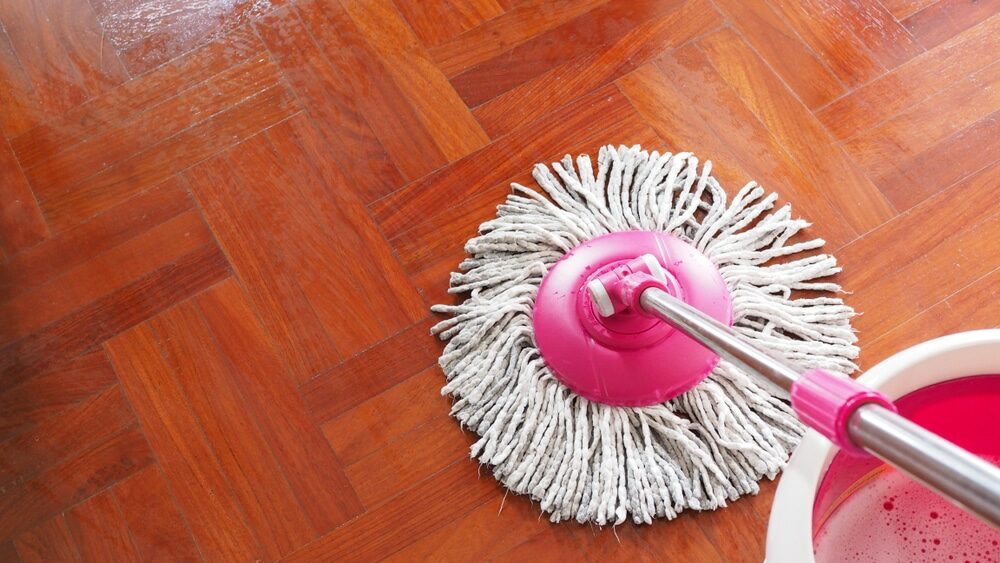
Step 2: Dry the Floor
Use fans, dehumidifiers, and heaters to speed up the drying process. The aim is to remove as much moisture as possible from the wood.
Step 3: Assess the damage
Once the floor is dry, assess the damage. Look for signs of warping, cupping, or crowning. Some minor damage may correct itself over time as the wood naturally contracts back into shape.
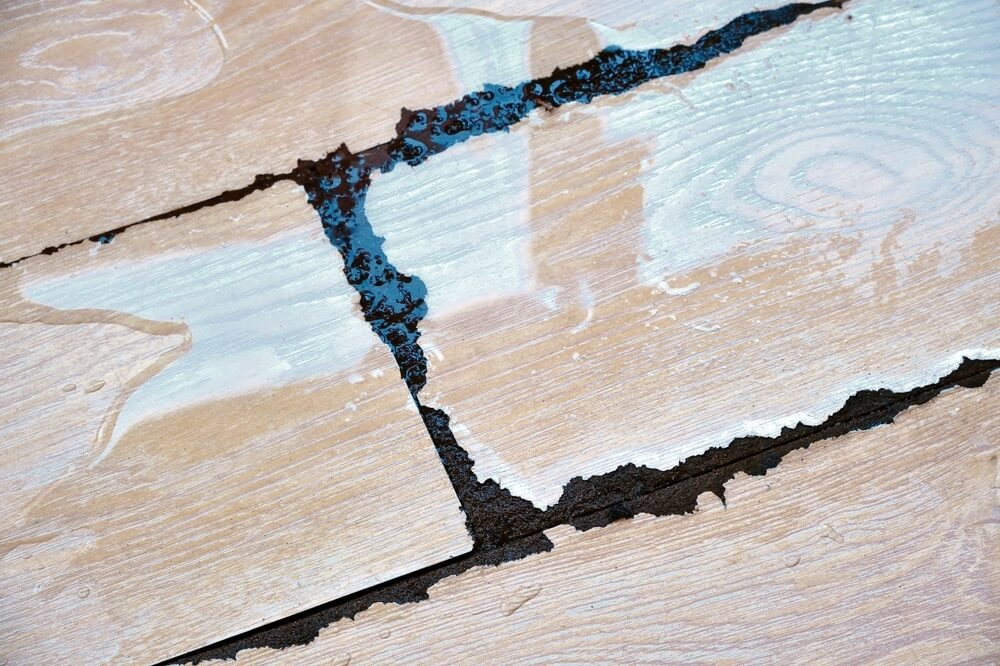
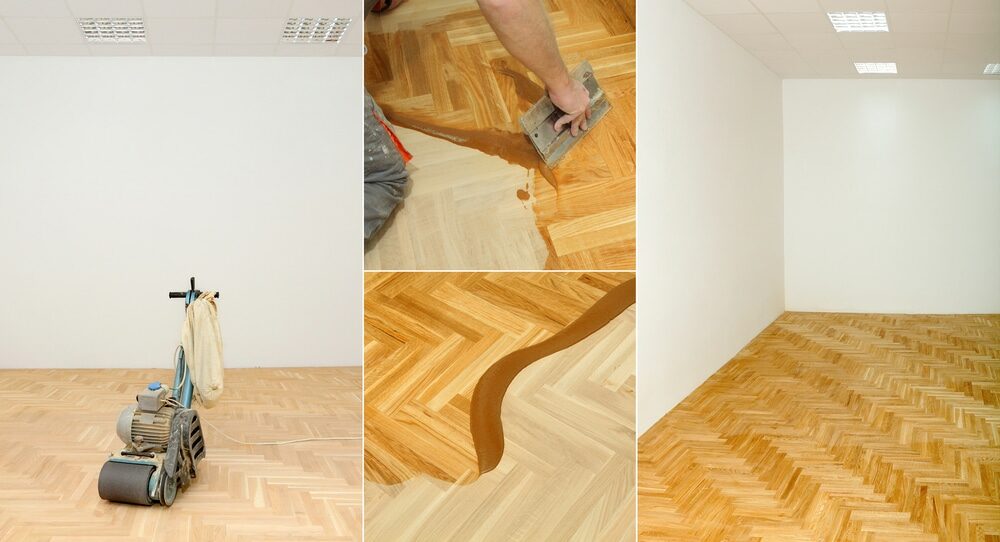
Step 4: Sand and refinish
If the damage is more serious, sanding and refinishing might be needed. Depending on the extent of the damage, this can be a DIY project or require a professional.
Step 5: Consult a Professional
In severe cases, such as when buckling occurs, you may need to replace the damaged floorboards. Consult with a professional to ensure this is done correctly.

Conclusion: Protecting Your Hardwood Floors
Water is indeed one of the biggest threats to hardwood floors, but with the right preventive measures and prompt action in case of damage, you can protect and preserve your beautiful hardwood floors. Remember, the key lies in prevention and early detection of potential water damage.
Some Useful Links:
- Floor Sanding Services
- School Floor Sanding
- Wood Floor Restorations
- Wood Floor Repairs
- Wood Floor Polishing
More from our Blog:
Choosing the Best Local Wood Floor Sanding Specialist: Mr Sander® DIY Guide to Refinishing Hardwood Floors | Mr Sander® Underfloor Heating System: Revolutionizing Wood Flooring Heating Solutions Hardwood vs. Laminate: Insights into the Best Flooring Choice for Your Home A Handy Guide to Efficiently Manage Your Floor Sanding and Polishing Project


Sanding
We provide virtually dust-free sanding with our continuous belt machinery with mobile extraction units, giving you a safer environment for your family.

Oiling
This organic finish not only adds beauty to your home but also has exceptional water-repellent characteristics, making it easier to clean and maintain.

Waxing
This natural floor finish offers the softest and most mellow appearance – and leaves your floor able to breath.

Buffing
Using soft buffing machines (and hand-polishing where required) will bring a wonderful sheen to your newly-finished floor.

Repairs
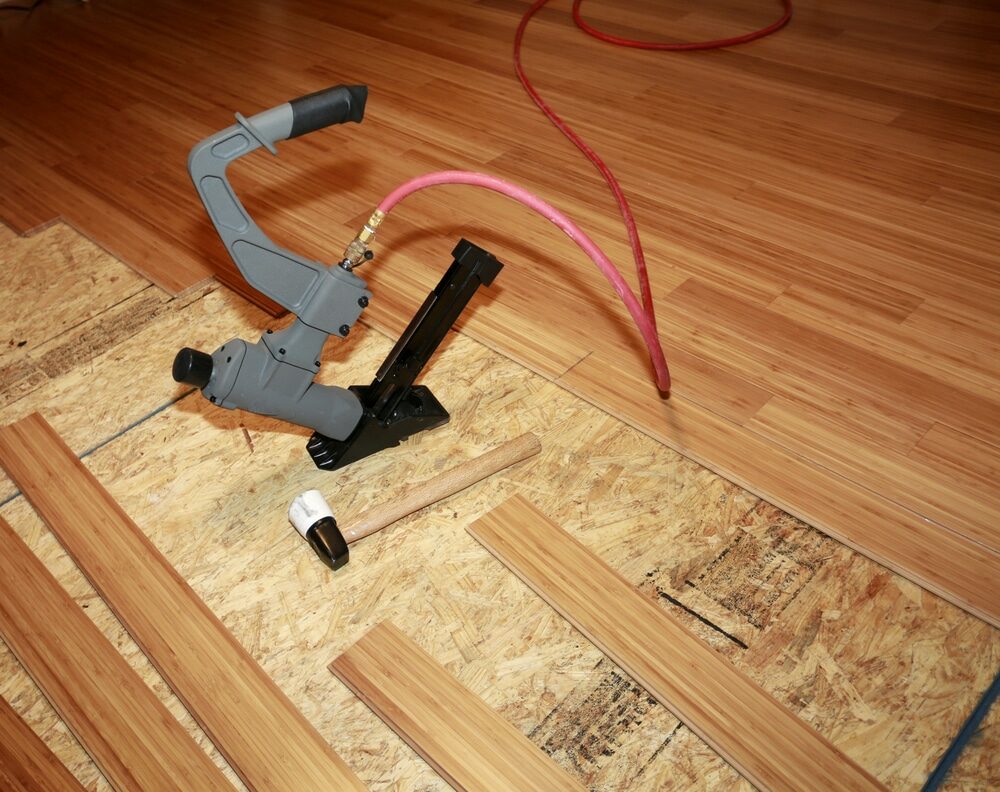
We offer a full assessment of your wooden floors to determine what repairs are needed to provide the perfect working surface for the later stages of sanding, staining and sealing.

Restoration
We offer a comprehensive restoration process designed to address floors that are improperly fitted or damaged over time through wear and tear.
Request a fixed price quote for your wood floor restoration now
Simply enter your postcode below to get started.






Services
Wood Floor Sanding Wood Floor Restoration Wood Floor Scratch Repair Squeaky Wood Floor Repair Parquet Floor Sanding Parquet Floor Restoration Commercial Floor Sanding Church Floor Sanding Community Centre Floor Sanding School Floor Sanding Gap Filling Gap Filling with ResinCopyright © Mr Sander®
Privacy & Cookies Terms & Conditions Complaints Procedure Cancellation Rights Sitemap

Get An Instant Price Estimate Before You Go…
Simply enter the rooms you need sanded and we’ll provide you with a price estimate instantly! Try our price calculator now.
Get a Price Estimate NowLocal Floor Sanding Experts
Over 500 5-Star Reviews
Safe, Dust Free Sanding
Operating Since 1994