London:
Nationwide:


25,000+
Floors Restored

27 Years Experience

Wood Flooring Association Certified
Health and Safety Guidelines to Sanding Floorboards
Posted on July 1, 2023
Blog
Ensuring Safety while Sanding Floorboards | Comprehensive Guide
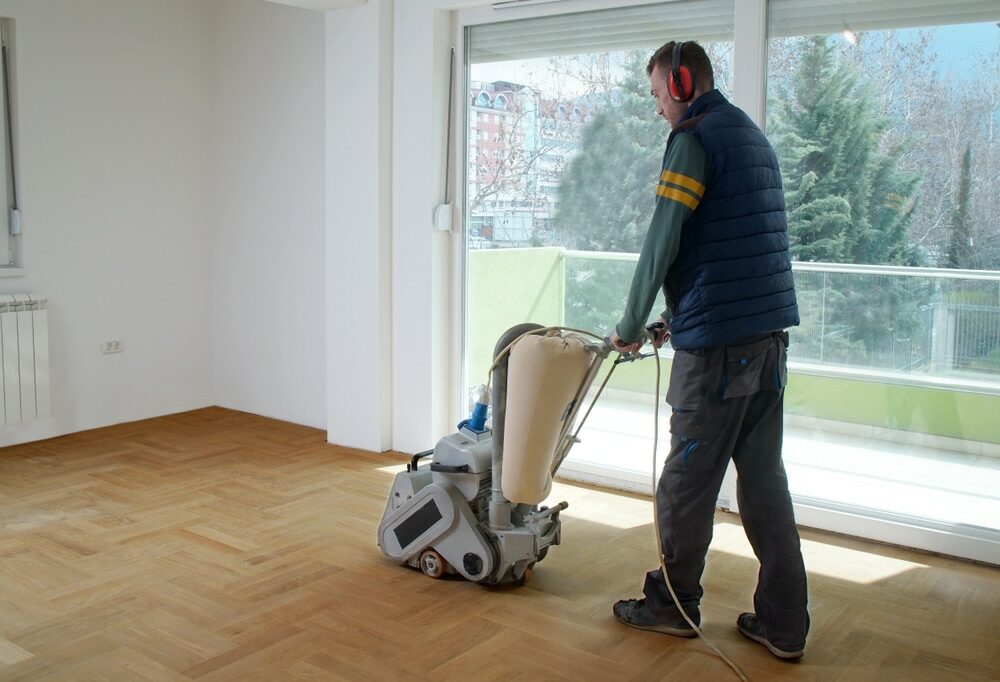
Sanding floorboards can transform a worn-out wooden floor into a beautiful and stylish surface. However, without proper precautions, this DIY task can pose certain health and safety risks. This blog post will guide you through essential health and safety guidelines for sanding floorboards, ensuring you achieve stunning results without compromising your well-being. Sanding floorboards involves a series of steps that generate dust and noise and require the use of potentially dangerous tools. It’s essential to understand the potential hazards and how to mitigate them effectively. Let’s dive into the safety measures you should keep in mind during this process.
1. Personal Protective Equipment (PPE)
The first line of defense against potential hazards when sanding floorboards is wearing appropriate Personal Protective Equipment (PPE).
Eye Protection
Sanding generates a lot of dust and debris that can cause irritation or injury if it gets into your eyes. Always wear safety goggles or glasses to protect your eyes.Respiratory Protection
Fine dust particles generated during sanding can be harmful if inhaled. A face mask or respirator will filter out these particles, protecting your respiratory system.Hearing Protection
Sanding machines can be loud and may cause hearing damage over prolonged periods. Use earplugs or earmuffs to safeguard your hearing.Hand and Foot Protection
Wearing gloves can help avoid blisters, while sturdy footwear protects your feet from any falling objects or accidental run-ins with the sander.2. Safe Use of Equipment
Floor sanding machines can be hazardous if not used correctly. Here are some safety tips:Read the manual.
Before using a sanding machine, read the user manual thoroughly to understand how to operate it safely.Maintain a Firm grip.
Always hold the machine firmly with both hands while it’s running. A loose grip can cause a loss of control.Power Down Before adjustments.
Always turn off and unplug the machine before changing the sanding belt or performing any other adjustments.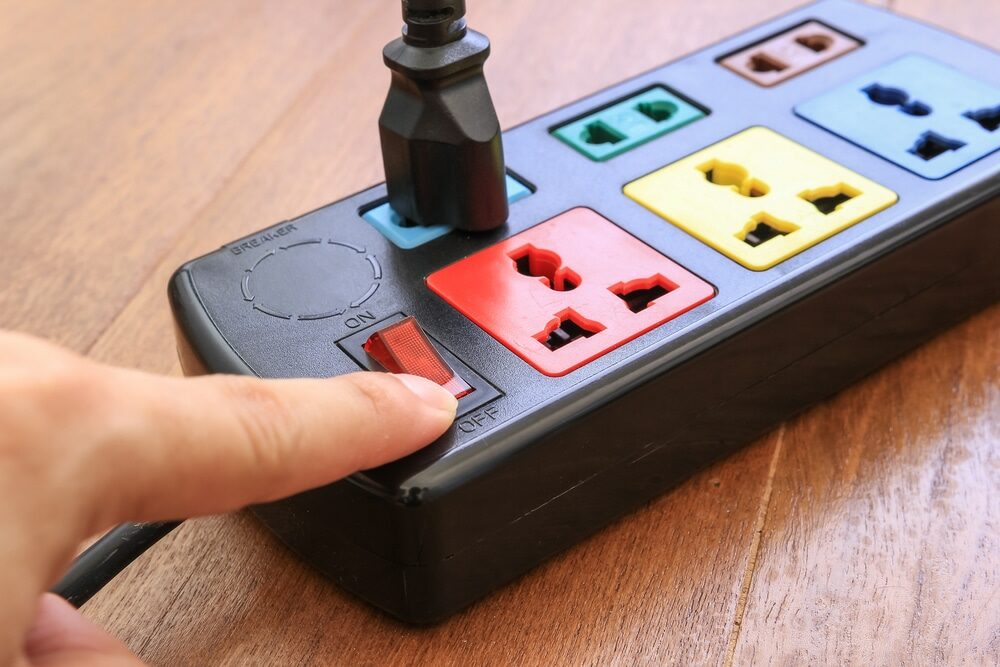
3. Work Area Safety
The area where you’ll be sanding should also be prepared to ensure safety.Clear the area.
Remove all furniture, loose objects, and decorative items from the area to avoid accidents and damage.Secure Loose floorboards.
Check for loose floorboards and secure them before sanding to prevent the machine from catching and causing injury.Good Ventilation
Ensure the room is well ventilated. Open windows and doors to allow dust to escape and fresh air to enter.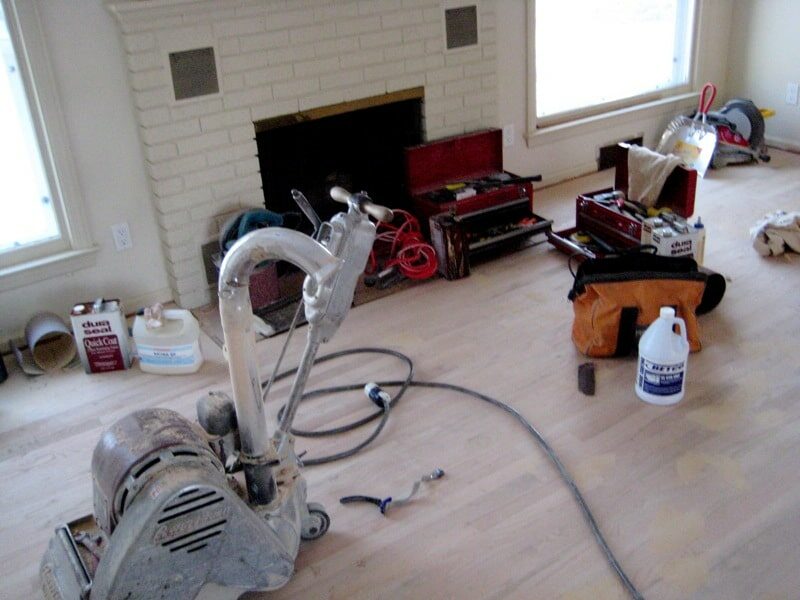
4. Dust Management
The dust generated by sanding can be a significant health hazard. It’s crucial to manage it effectively.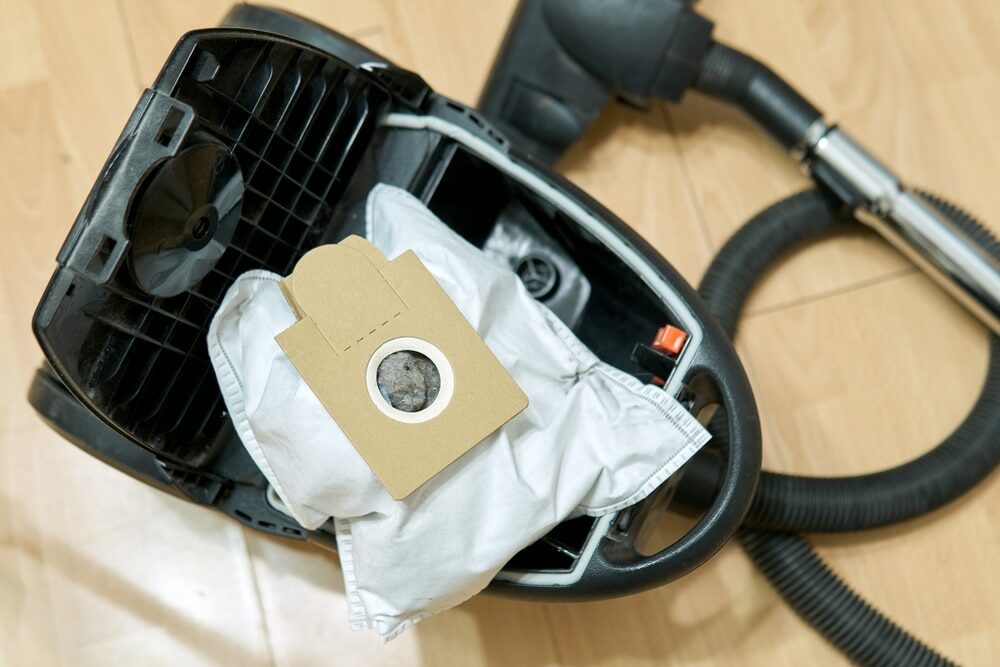
Use Dust bags.
Most sanding machines come with dust bags or can be connected to a vacuum to collect dust. Make sure you use them to minimize dust.Regular Cleaning
Clean the area regularly during the process to avoid dust buildup. This will keep the air cleaner and make the job easier.5. Safe Handling of Finishing Products
Finishes and sealants can contain harmful chemicals, so they must be handled safely.Use in Well-Ventilated Areas
Always apply finishes and sealants in well-ventilated areas to avoid inhaling fumes.Use Gloves
Use gloves to protect your skin from direct contact with these products.Follow the manufacturer’s instructions.
Read and follow the safety instructions provided by the manufacturer on the product’s label.6. Post-Sanding Cleanup
The cleanup process after sanding is crucial to maintaining a safe environment.Dispose of Dust safely.
Dust from sanding can be harmful if inhaled or ingested. Dispose of it safely, as per your local waste disposal regulations.Clean Thoroughly
Clean the area thoroughly after sanding to remove any residual dust or debris. This may include vacuuming, mopping, and wiping down surfaces.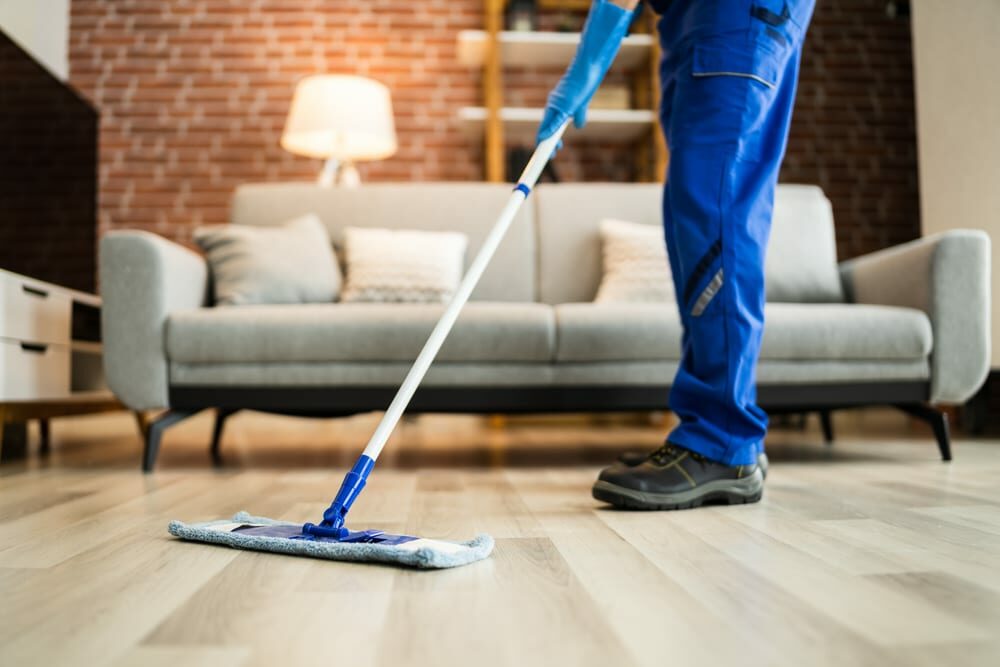
7. Health Precautions
Finally, take care of your health during the sanding process.Take Breaks
Sanding can be a physically demanding task. Take regular breaks to avoid exhaustion.Stay Hydrated
Drink plenty of water, especially if sanding in a warm environment.Conclusion
With these safety guidelines, you can ensure that your floor sanding project is not only successful but also safe. Remember, your health and safety are paramount. Always prioritize them during any DIY project. With the right precautions, sanding your floorboards can be a safe, rewarding, and satisfying task. Happy sanding!Some Useful Links:
- Floor Sanding Services
- School Floor Sanding
- Wood Floor Restorations
- Wood Floor Repairs
- Wood Floor Polishing
More from our Blog:
Latest Trends in Kitchen Flooring | Your Guide to Style & Function Easy Guide to Wood Floor Sanding & Polishing | DIY in 5 Steps Understanding the Risks Involved in Sanding Floorboards Top Reasons to Use Bona Traffic for Your High-Traffic Wooden Floors


Sanding
We provide virtually dust-free sanding with our continuous belt machinery with mobile extraction units, giving you a safer environment for your family.

Oiling
This organic finish not only adds beauty to your home but also has exceptional water-repellent characteristics, making it easier to clean and maintain.

Waxing
This natural floor finish offers the softest and most mellow appearance – and leaves your floor able to breath.

Buffing
Using soft buffing machines (and hand-polishing where required) will bring a wonderful sheen to your newly-finished floor.

Repairs
We offer a full assessment of your wooden floors to determine what repairs are needed to provide the perfect working surface for the later stages of sanding, staining and sealing.

Restoration
We offer a comprehensive restoration process designed to address floors that are improperly fitted or damaged over time through wear and tear.
Request a fixed price quote for your wood floor restoration now
Simply enter your postcode below to get started.






Services
Wood Floor Sanding Wood Floor Restoration Wood Floor Scratch Repair Squeaky Wood Floor Repair Parquet Floor Sanding Parquet Floor Restoration Commercial Floor Sanding Church Floor Sanding Community Centre Floor Sanding School Floor Sanding Gap Filling Gap Filling with ResinCopyright © Mr Sander®
Privacy & Cookies Terms & Conditions Complaints Procedure Cancellation Rights Sitemap

Get An Instant Price Estimate Before You Go…
Simply enter the rooms you need sanded and we’ll provide you with a price estimate instantly! Try our price calculator now.
Get a Price Estimate NowLocal Floor Sanding Experts
Over 500 5-Star Reviews
Safe, Dust Free Sanding
Operating Since 1994