London:
Nationwide:


25,000+
Floors Restored

27 Years Experience

Wood Flooring Association Certified
Wood Floor Sanding: A Complete Overview | Mr Sander®
Posted on June 16, 2023
Floor Sanding Articles
Wood Floor Sanding: An Overview and a Detailed Guide
Wooden floors bring a touch of elegance and warmth to any home. However, over time, they can lose their luster due to wear and tear. That’s where wood floor sanding comes into play. Sanding helps restore the original beauty of your wooden floors, making them look as good as new. This guide will provide an overview of wood floor sanding, covering everything from why it’s important to the steps involved and tips for successful sanding.1. What is wood floor sanding?
Wood floor sanding is the process of removing the top surface of a wooden floor with abrasive materials. It involves three stages: preparation, sanding, and coating with a protective sealant. Sanding can be carried out on different types of wood floors, including solid wood, engineered wood, and parquet floors.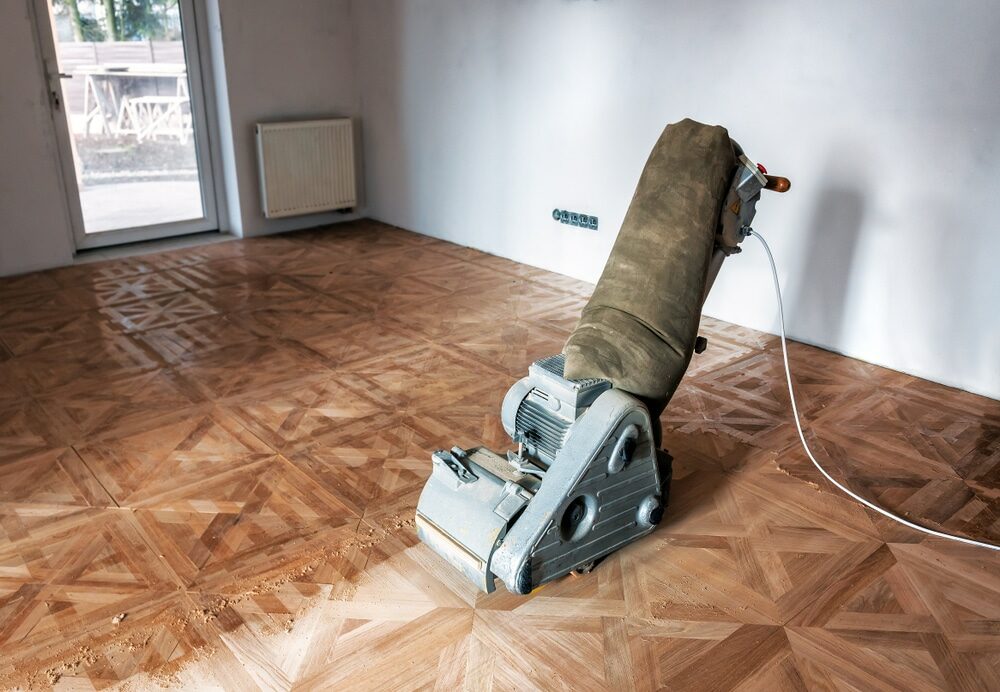
2. Why Sand Your Wood Floor?
Sanding rejuvenates your wooden floor and extends its lifespan. It can help fix minor scratches, dents, and stains by removing the worn-out top layer of the floor and revealing a fresh layer underneath. Additionally, sanding provides a smooth surface for the application of a new finish or sealant, enhancing the floor’s look and making it easier to clean and maintain.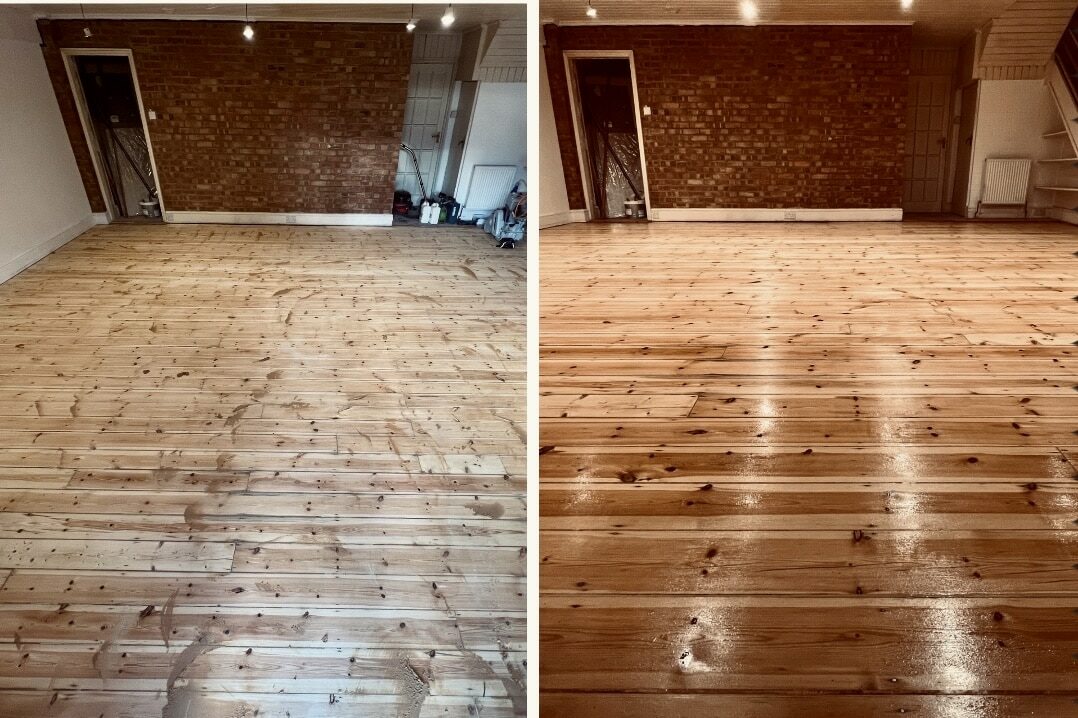
3. When to Sand Your Wood Floor
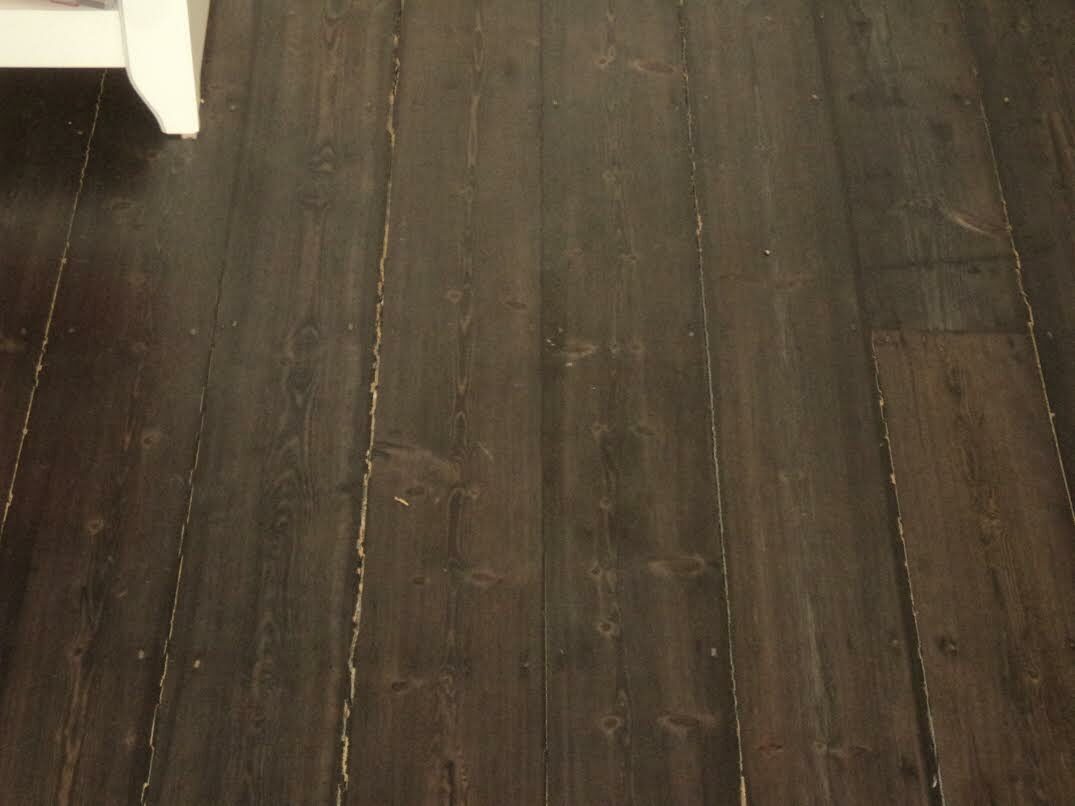
If your wooden floor appears dull, has deep scratches or dents, or the finish is worn out, it might be time for sanding. Additionally, if you’re planning to change the color of the floor or switch to a different type of finish, sanding will be a necessary step.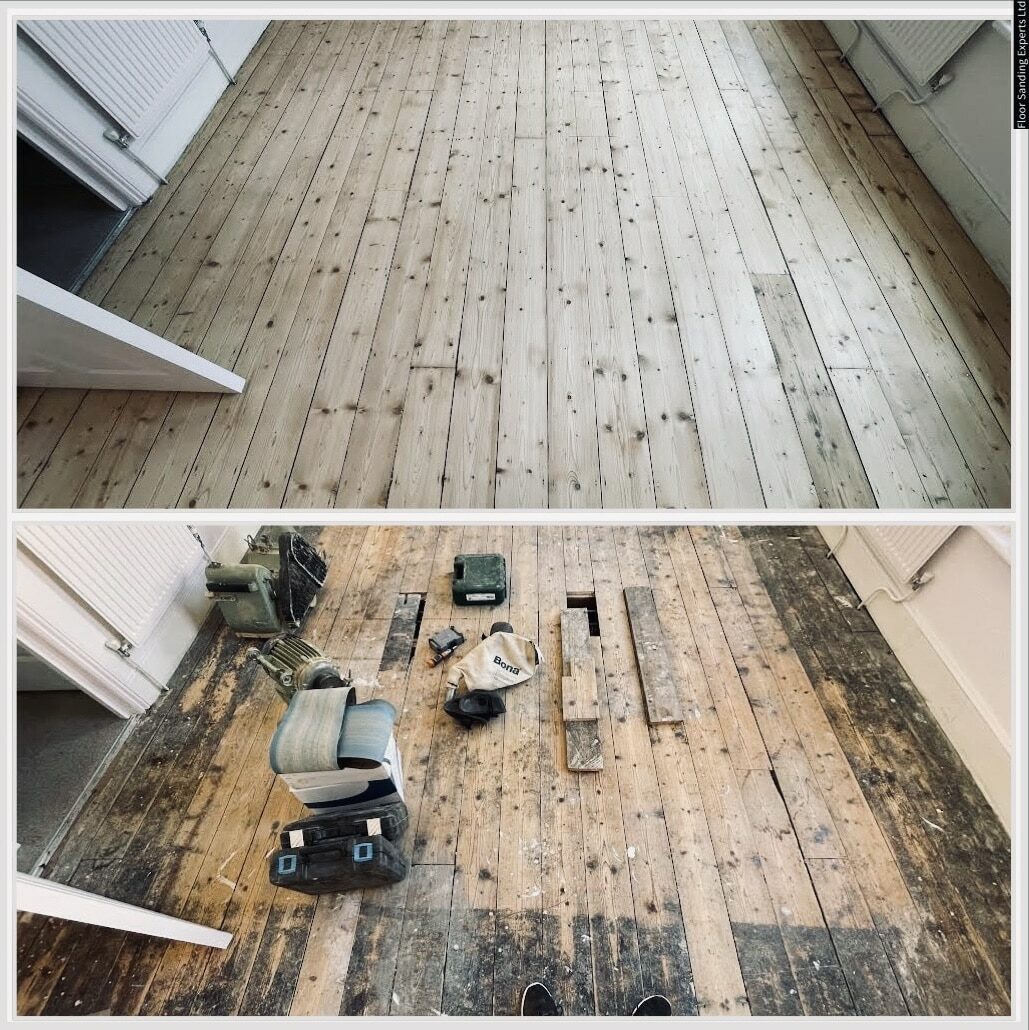
4. Tools needed for wood floor sanding
You’ll need a variety of tools for a successful sanding project. These include a drum sander or orbital sander for the main floor area, an edge sander for corners and edges, and sandpaper in various grits (coarse, medium, and fine). You’ll also need a vacuum cleaner or broom to clean up the dust, as well as safety gear, including a dust mask and safety glasses.

5. Steps Involved in Wood Floor Sanding
Wood floor sanding is a multi-step process. Start by preparing the floor. Remove any furniture and rugs from the room, and check the floor for protruding nails or staples. Then, start sanding with the coarse-grit sandpaper. Always sand along the grain of the wood, not against it. Repeat the process with medium-grit and then fine-grit sandpaper. After sanding, thoroughly clean up the dust using a vacuum cleaner or broom. Your floor is then ready for a new finish or sealant.6. Professional wood floor sanding vs. DIY
While sanding can be a DIY project, it requires a significant amount of time, effort, and skill. Professional floor sanding services, on the other hand, can complete the job quickly and efficiently, with minimal dust and disruption. They also have the experience and equipment to deal with any unexpected issues that might arise.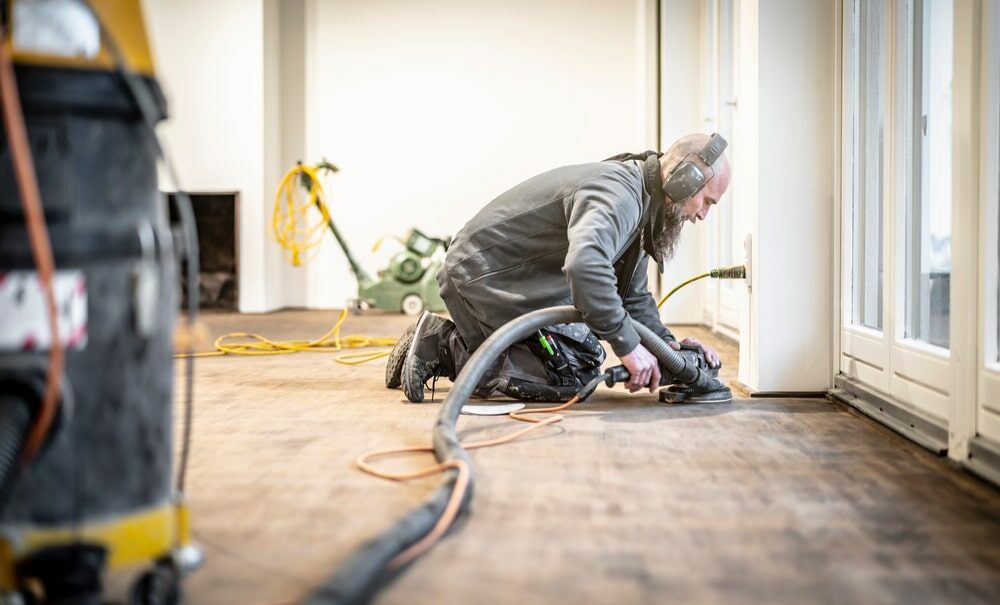
7. Care After Sanding
After sanding, it’s crucial to take proper care of your floor to maintain its new look. Clean the floor regularly using products recommended for wood floors; avoid walking on the floor with sharp-heeled shoes; and use furniture pads to prevent scratches.
8. Common Mistakes to Avoid
When sanding your wood floor, avoid common mistakes like sanding against the grain, failing to remove all furniture and rugs from the room, and skipping the cleanup after sanding. Also, remember to always wear appropriate safety gear.Conclusion
Wood floor sanding is an effective way to rejuvenate your wooden floors. Whether you choose to do it yourself or hire a professional, understanding the process can help ensure that you’re satisfied with the end result. A properly sanded wood floor not only enhances the aesthetic appeal of your home but also provides a durable, easy-to-maintain surface that can last for many years to come.Some Useful Links:
- Floor Sanding Services
- School Floor Sanding
- Wood Floor Restorations
- Wood Floor Repairs
- Wood Floor Polishing
More from our Blog:
Revitalizing Your Parquet Flooring: A Comprehensive Guide London Guide: How to Sand and Varnish Your Wood Floor Essential Guide to Hardwood Floors Refinishing | Top FAQs Answered Mastering Wooden Floor Cleaning: Top Tips & Tricks Fantastic Wood Floor Sanding Tips for a Superior Finish

Sanding
We provide virtually dust-free sanding with our continuous belt machinery with mobile extraction units, giving you a safer environment for your family.

Oiling
This organic finish not only adds beauty to your home but also has exceptional water-repellent characteristics, making it easier to clean and maintain.

Waxing
This natural floor finish offers the softest and most mellow appearance – and leaves your floor able to breath.

Buffing
Using soft buffing machines (and hand-polishing where required) will bring a wonderful sheen to your newly-finished floor.

Repairs
We offer a full assessment of your wooden floors to determine what repairs are needed to provide the perfect working surface for the later stages of sanding, staining and sealing.

Restoration
We offer a comprehensive restoration process designed to address floors that are improperly fitted or damaged over time through wear and tear.
Request a fixed price quote for your wood floor restoration now
Simply enter your postcode below to get started.






Services
Wood Floor Sanding Wood Floor Restoration Wood Floor Scratch Repair Squeaky Wood Floor Repair Parquet Floor Sanding Parquet Floor Restoration Commercial Floor Sanding Church Floor Sanding Community Centre Floor Sanding School Floor Sanding Gap Filling Gap Filling with ResinCopyright © Mr Sander®
Privacy & Cookies Terms & Conditions Complaints Procedure Cancellation Rights Sitemap

Get An Instant Price Estimate Before You Go…
Simply enter the rooms you need sanded and we’ll provide you with a price estimate instantly! Try our price calculator now.
Get a Price Estimate NowLocal Floor Sanding Experts
Over 500 5-Star Reviews
Safe, Dust Free Sanding
Operating Since 1994