London:
Nationwide:


25,000+
Floors Restored

27 Years Experience

Wood Flooring Association Certified
Safety Tips for Laying Wood Flooring | Mr Sander®
Posted on June 14, 2023
Floor Sanding Articles
Safety Tips for Laying Wood Flooring: A Comprehensive Guide
Laying wood flooring can dramatically improve the aesthetic appeal of your home. While the process is not excessively complex for a seasoned DIY enthusiast, it does come with certain safety hazards. This comprehensive guide will highlight the key safety tips you should follow when laying your wood flooring.
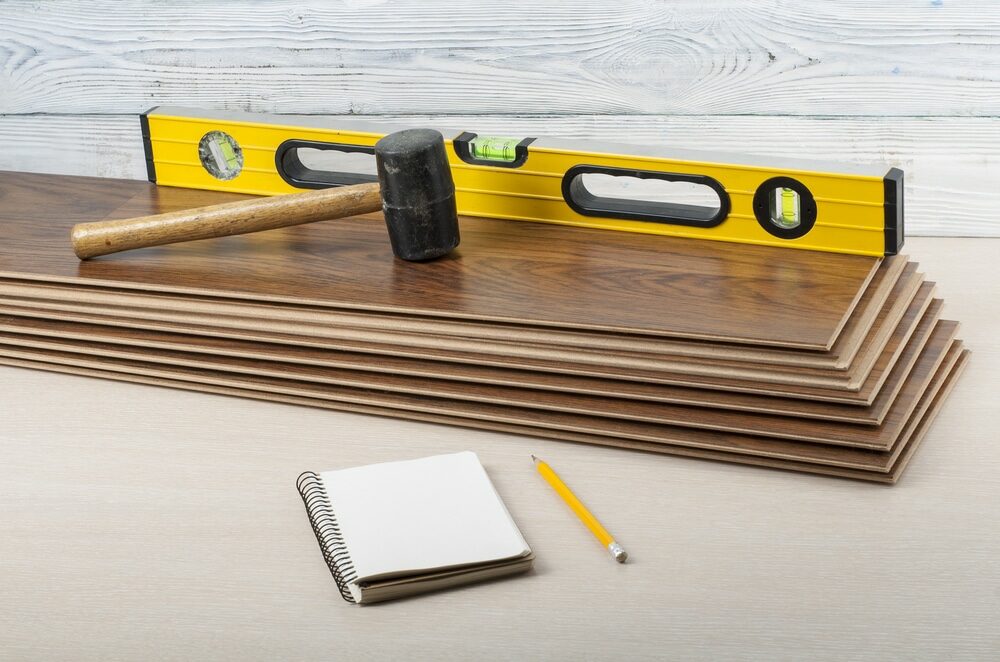
Understanding the risks
Before we dive into the safety tips, it’s important to understand the potential risks involved in laying wood flooring. These may include:
- Physical strain from lifting heavy materials
- Accidental injury from power tools
- Exposure to harmful dust and fumes
- Slips, trips, or falls
Having an understanding of these risks will help you better appreciate the importance of the safety tips discussed below.
Safety Tip 1: Use appropriate personal protective equipment (PPE).
Personal protective equipment (PPE) is your first line of defence against potential injuries. When laying wood flooring, your PPE should include:
- Safety glasses: These protect your eyes from flying debris when cutting wood or using power tools.
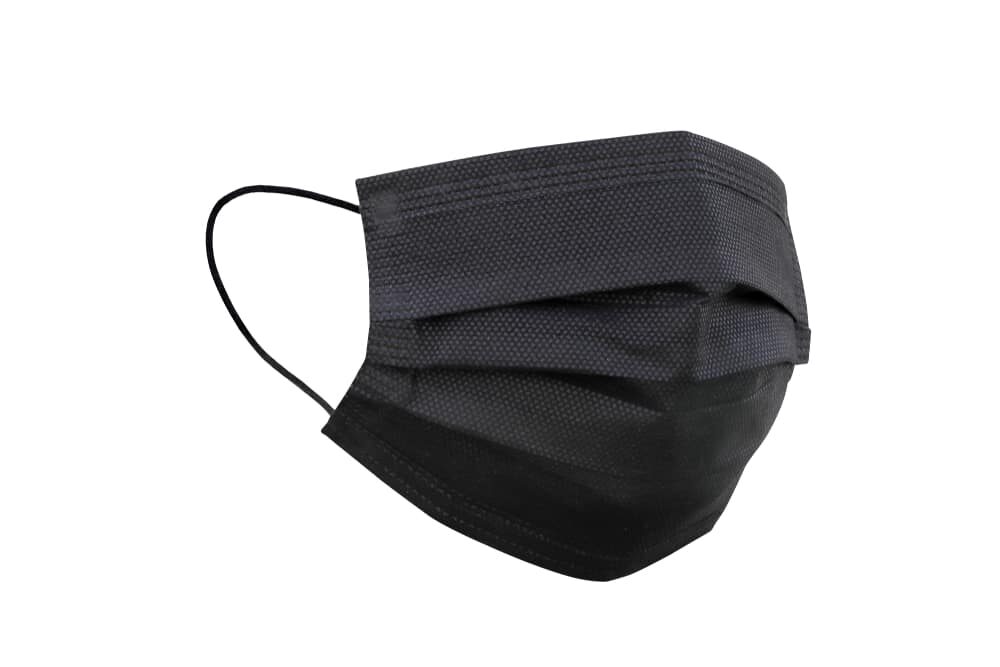
- Dust Mask or Respirator: These are essential for protecting your lungs from sawdust or fumes from adhesives and sealants.
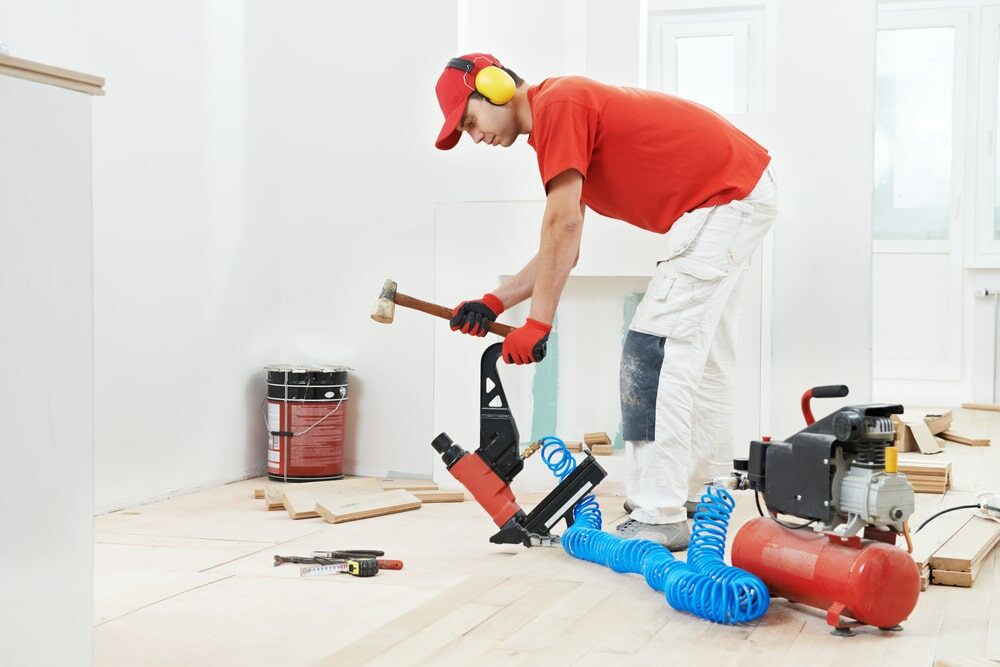
- Ear Protection: Tools like circular saws and nail guns can be loud and may damage your hearing over time. Use earplugs or earmuffs for protection.
- Work gloves: These protect your hands from splinters and offer a better grip on tools and materials.
- Knee Pads: Laying flooring often involves a lot of time spent on your knees. Knee pads provide much-needed cushioning.

Safety Tip 2: Handle Tools with Care
Power tools can be dangerous if not handled correctly. Here are some tips for safe tool use:
- Read the manual: Always read the user manual before using a new tool. Understand its operation, safety features, and potential hazards.
- Use the Right Tool: Each job requires a specific tool. Never substitute one tool for another.
- Keep Tools in Good Condition: Regularly maintain and clean your tools. Check for damage before each use.
Safety Tip 3: Practise Safe Lifting Techniques
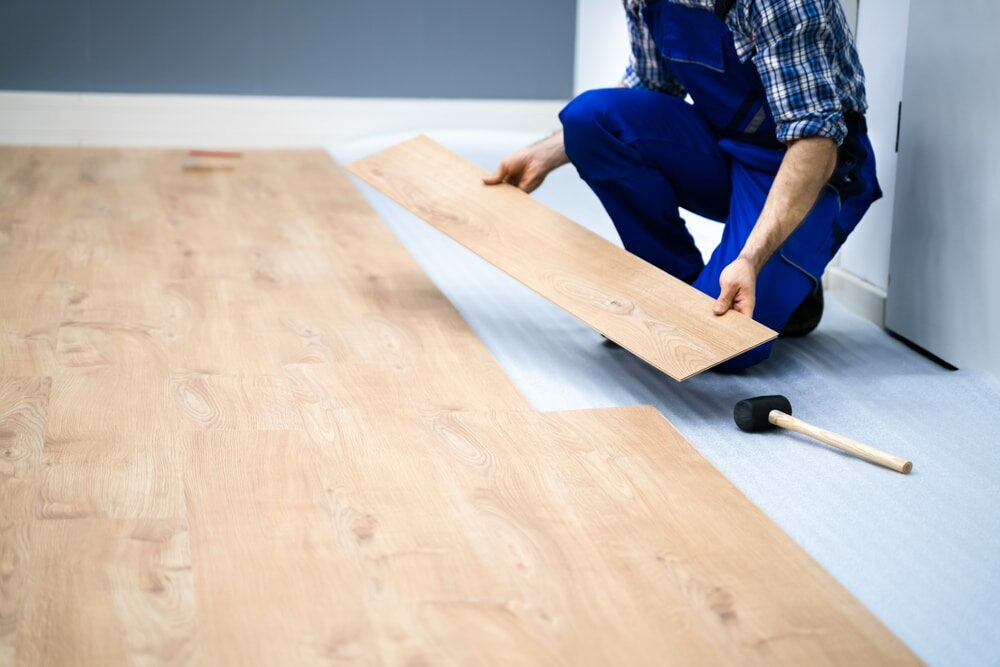
Laying wood flooring involves lifting heavy planks and tools. To avoid strain or injury:
- Bend at the knees: Always lift with your legs, not your back. Bend at the knees and keep your back straight.
- Keep loads close: Hold heavy items close to your body.
- Don’t overreach. Overreaching can cause a loss of balance. Keep your load well balanced and stable.
Safety Tip 4: Maintain a Clean Work Area
A clean work area is a safer work area. Here’s how to maintain cleanliness:
- Remove Clutter: Regularly remove offcuts and debris. Clutter can cause trips and falls.
- Manage Cables: Keep power cords and cables organised to prevent tripping.
Safety Tip 5: Exercise Caution with Chemicals
Many wood flooring projects involve the use of adhesives, stains, or sealants. When using these products:
- Read Instructions: Always read and follow the manufacturer’s instructions and safety warnings.
- Use in Ventilated Areas: Use chemicals in well-ventilated areas to avoid inhaling toxic fumes.
- Store safely: Store chemicals in a safe, dry place out of reach of children.
Conclusion
Safety should never be an afterthought when undertaking DIY projects like laying wood flooring. By wearing the appropriate PPE, handling tools with care, practising safe lifting techniques, keeping a clean workspace, and exercising caution with chemicals, you can significantly reduce your risk of injury. Remember, the goal is a beautiful new floor, but not at the expense of your health and wellbeing.
Bonus Tips: Safety in the Long Run
Beyond the installation process, remember that safety extends to the long-term care of your new wood flooring.
- Regular Maintenance: Regularly maintain and clean your flooring to prevent slips and falls.
- Quick Repairs: Fix any damage or wear quickly to prevent accidents.
- Use mats and rugs: Use mats and rugs to add friction and prevent slips.
By following these tips, you’ll not only ensure your own safety, but you’ll also help create a safer environment in your home in the long run.

Some Useful Links:
- Floor Sanding Services
- School Floor Sanding
- Wood Floor Restorations
- Wood Floor Repairs
- Wood Floor Polishing
More from our Blog:
How to Use a Drum Sander – Hints and Tips Sanding Wooden Floors – A Comprehensive DIY Guide for Beginners Unveiling the Secrets of Successful Floor Sanding Avoid Common Mistakes When Sanding Hardwood Floors


Sanding
We provide virtually dust-free sanding with our continuous belt machinery with mobile extraction units, giving you a safer environment for your family.

Oiling
This organic finish not only adds beauty to your home but also has exceptional water-repellent characteristics, making it easier to clean and maintain.

Waxing
This natural floor finish offers the softest and most mellow appearance – and leaves your floor able to breath.

Buffing
Using soft buffing machines (and hand-polishing where required) will bring a wonderful sheen to your newly-finished floor.

Repairs
We offer a full assessment of your wooden floors to determine what repairs are needed to provide the perfect working surface for the later stages of sanding, staining and sealing.

Restoration
We offer a comprehensive restoration process designed to address floors that are improperly fitted or damaged over time through wear and tear.
Request a fixed price quote for your wood floor restoration now
Simply enter your postcode below to get started.






Services
Wood Floor Sanding Wood Floor Restoration Wood Floor Scratch Repair Squeaky Wood Floor Repair Parquet Floor Sanding Parquet Floor Restoration Commercial Floor Sanding Church Floor Sanding Community Centre Floor Sanding School Floor Sanding Gap Filling Gap Filling with ResinCopyright © Mr Sander®
Privacy & Cookies Terms & Conditions Complaints Procedure Cancellation Rights Sitemap

Get An Instant Price Estimate Before You Go…
Simply enter the rooms you need sanded and we’ll provide you with a price estimate instantly! Try our price calculator now.
Get a Price Estimate NowLocal Floor Sanding Experts
Over 500 5-Star Reviews
Safe, Dust Free Sanding
Operating Since 1994