London:
Nationwide:


25,000+
Floors Restored

27 Years Experience

Wood Flooring Association Certified
The Allure and Durability of Ebony Wood in Flooring
Posted on August 12, 2023
News
Understanding Ebony: Origins, Characteristics, and Use in Flooring
In the melodies of time-honored songs, like “Ebony and Ivory”, the allure of ebony finds voice. Yet many, dancing to these tunes, remain unaware of the true nature of ebony. Contrary to popular belief, it is not a material fashioned from the tusk, as ivory is, but a rich, deep wood. Depending on where its roots touch the earth, it goes by different names: kukuo in Gambia, omenowa in Ghana, msindi in Tanzania, and nyareti in Nigeria. This mosaic of names paints a picture of its home, primarily the sun-drenched equatorial belt of West Africa.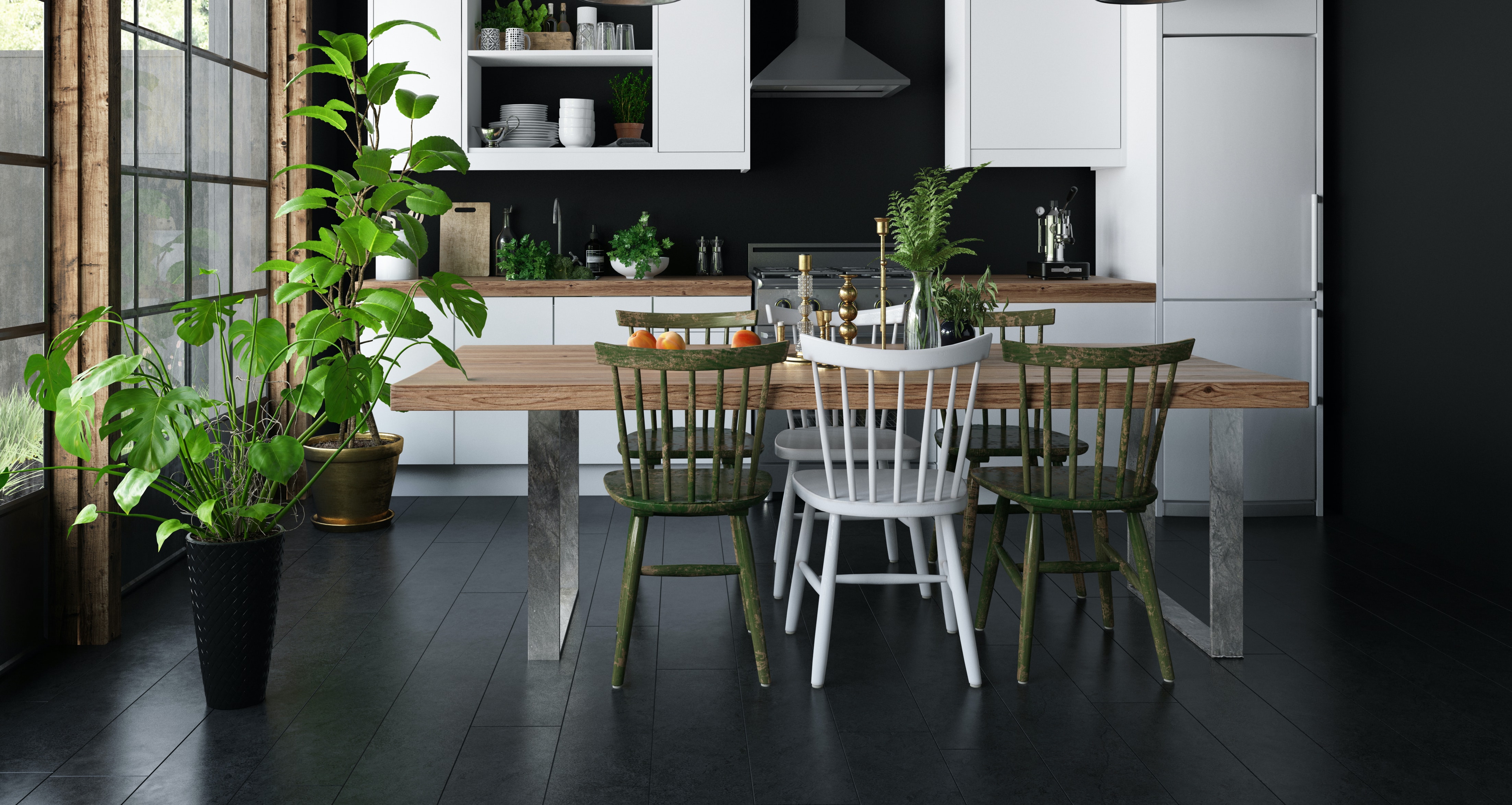 Beyond its resonance in song, ebony is cherished by those who seek steadfastness beneath their feet. As a choice for hardwood flooring, its character stands unmatched. It boasts a density and weight that allow it to gracefully bear the cycles of sanding and finishing that wooden floors inevitably face. Furthermore, its natural armor is a formidable barrier against termites, a vital consideration for homes in certain terrains.
Yet, like stories that evolve with time, ebony’s shade changes. Freshly harvested, its sapwood carries a hint of pink, maturing eventually into a rich, reddish-brown. Its heartwood, however, is a narrative of deepness, often cloaked in the profound brown-black or the iconic jet-black that people often associate with ‘ebony’. For those who seek its depth of color without its soul, staining alternative woods is an option. But such substitutes often lack the resilience and timelessness of authentic ebony.
Beyond its resonance in song, ebony is cherished by those who seek steadfastness beneath their feet. As a choice for hardwood flooring, its character stands unmatched. It boasts a density and weight that allow it to gracefully bear the cycles of sanding and finishing that wooden floors inevitably face. Furthermore, its natural armor is a formidable barrier against termites, a vital consideration for homes in certain terrains.
Yet, like stories that evolve with time, ebony’s shade changes. Freshly harvested, its sapwood carries a hint of pink, maturing eventually into a rich, reddish-brown. Its heartwood, however, is a narrative of deepness, often cloaked in the profound brown-black or the iconic jet-black that people often associate with ‘ebony’. For those who seek its depth of color without its soul, staining alternative woods is an option. But such substitutes often lack the resilience and timelessness of authentic ebony.
Some Useful Links:
- Floor Sanding Services
- School Floor Sanding
- Wood Floor Restorations
- Wood Floor Repairs
- Wood Floor Polishing
More from our Blog:
Hardwood vs. Softwood Flooring: Which Suits Your Home? Bloodwood Flooring: South America’s Crimson Hardwood Secret Repairing Parquet Flooring: Restoration Tips and Techniques Angelique Hardwood: The Beautiful & Resilient Choice for Flooring

Sanding
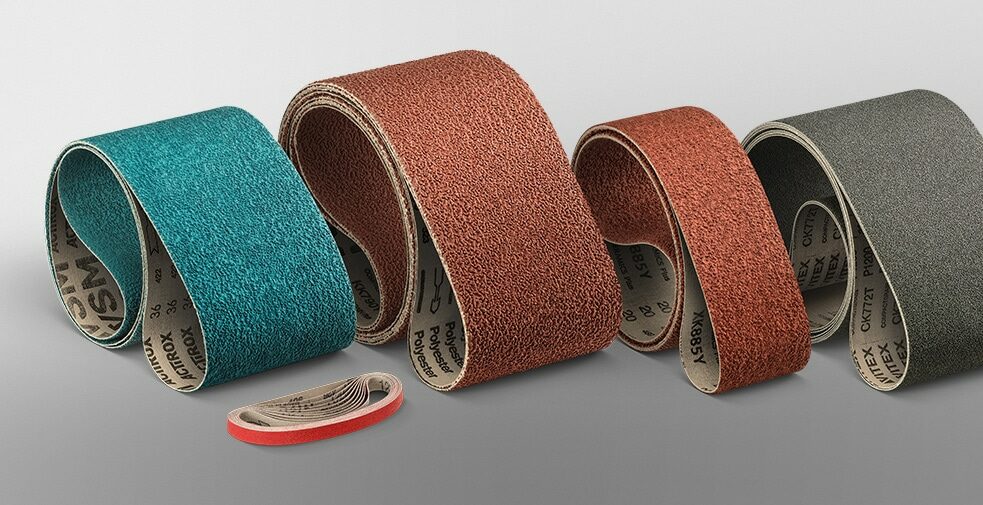
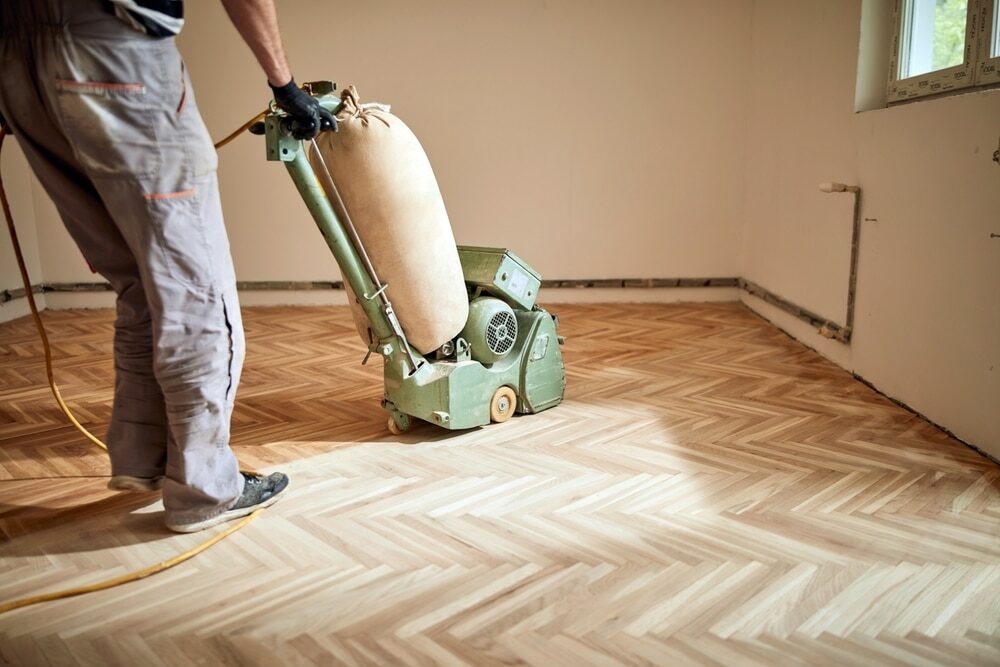
We provide virtually dust-free sanding with our continuous belt machinery with mobile extraction units, giving you a safer environment for your family.

Oiling
This organic finish not only adds beauty to your home but also has exceptional water-repellent characteristics, making it easier to clean and maintain.

Waxing
This natural floor finish offers the softest and most mellow appearance – and leaves your floor able to breath.

Buffing
Using soft buffing machines (and hand-polishing where required) will bring a wonderful sheen to your newly-finished floor.

Repairs
We offer a full assessment of your wooden floors to determine what repairs are needed to provide the perfect working surface for the later stages of sanding, staining and sealing.

Restoration
We offer a comprehensive restoration process designed to address floors that are improperly fitted or damaged over time through wear and tear.
Request a fixed price quote for your wood floor restoration now
Simply enter your postcode below to get started.






Services
Wood Floor Sanding Wood Floor Restoration Wood Floor Scratch Repair Squeaky Wood Floor Repair Parquet Floor Sanding Parquet Floor Restoration Commercial Floor Sanding Church Floor Sanding Community Centre Floor Sanding School Floor Sanding Gap Filling Gap Filling with ResinCopyright © Mr Sander®
Privacy & Cookies Terms & Conditions Complaints Procedure Cancellation Rights Sitemap

Get An Instant Price Estimate Before You Go…
Simply enter the rooms you need sanded and we’ll provide you with a price estimate instantly! Try our price calculator now.
Get a Price Estimate NowLocal Floor Sanding Experts
Over 500 5-Star Reviews
Safe, Dust Free Sanding
Operating Since 1994