London:
Nationwide:


25,000+
Floors Restored

27 Years Experience

Wood Flooring Association Certified
5 Best Sustainable Flooring Options | Mr Sander®
Posted on June 13, 2023
News
Top 5 Sustainable Flooring Options: Your Guide to Eco-Friendly Interiors
We are in an era where sustainability is no longer a choice but a necessity. Our choices today shape the planet’s future, and one such choice is the kind of flooring we use in our homes. This blog post will provide insights into the top five sustainable flooring options that are environmentally friendly, durable, and stylish. Let’s pave the way for a greener and more sustainable future, one floor at a time.
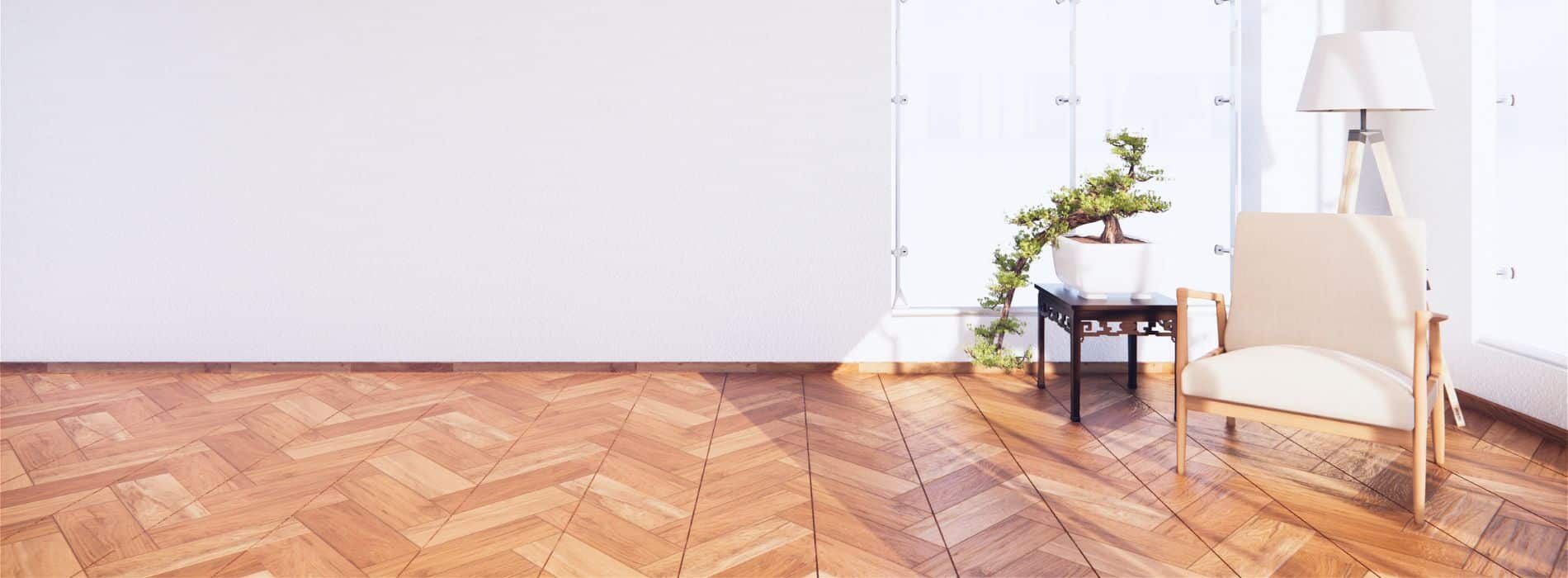
What makes a flooring option sustainable?
Before we delve into the top five options, it’s crucial to understand what makes a flooring option sustainable. Essentially, sustainable flooring refers to the use of eco-friendly materials and processes in its production, installation, and disposal. Key factors include:
- Renewability: Is the material easily replenished? Fast-growing resources like bamboo or cork are considered more sustainable than slow-growing ones like hardwood trees.
- Recyclability: Can the flooring be recycled at the end of its life, or is it destined for the landfill?
- Durability: A longer-lasting product means fewer frequent replacements, reducing the impact on the environment.
- Low toxicity: Eco-friendly flooring should have a low impact on indoor air quality. Materials should be free of harmful chemicals, and the adhesives used for installation should be low-VOC or VOC-free.
Now that we have understood the factors of sustainability, let’s explore the top five sustainable flooring options.
1. Cork Flooring: Nature’s Gift
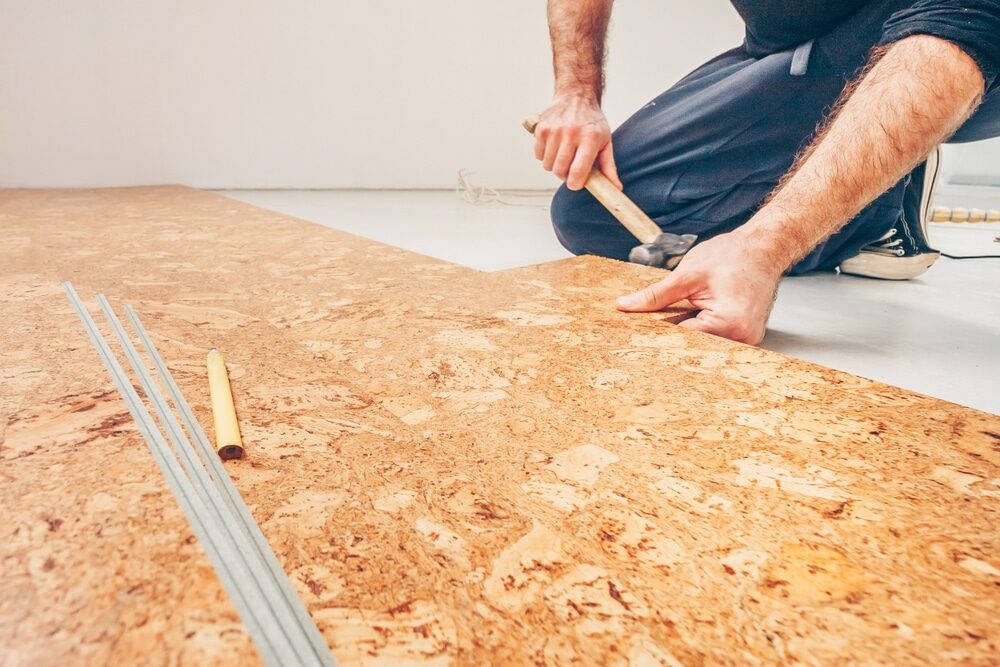
Cork is the poster child for sustainable flooring. It is harvested from the bark of the cork oak tree, a process that doesn’t harm the tree, making it a renewable resource. Moreover, cork trees absorb more carbon dioxide during the regrowth process, actively fighting climate change.
Cork flooring is not only sustainable but also boasts a plethora of benefits. It has excellent thermal and acoustic insulation properties, is hypoallergenic, and has a natural elasticity that makes it comfortable underfoot and resistant to damage. Additionally, it is available in various colours and patterns, enhancing the aesthetic appeal of any room.
2. Bamboo Flooring: Strength and Elegance
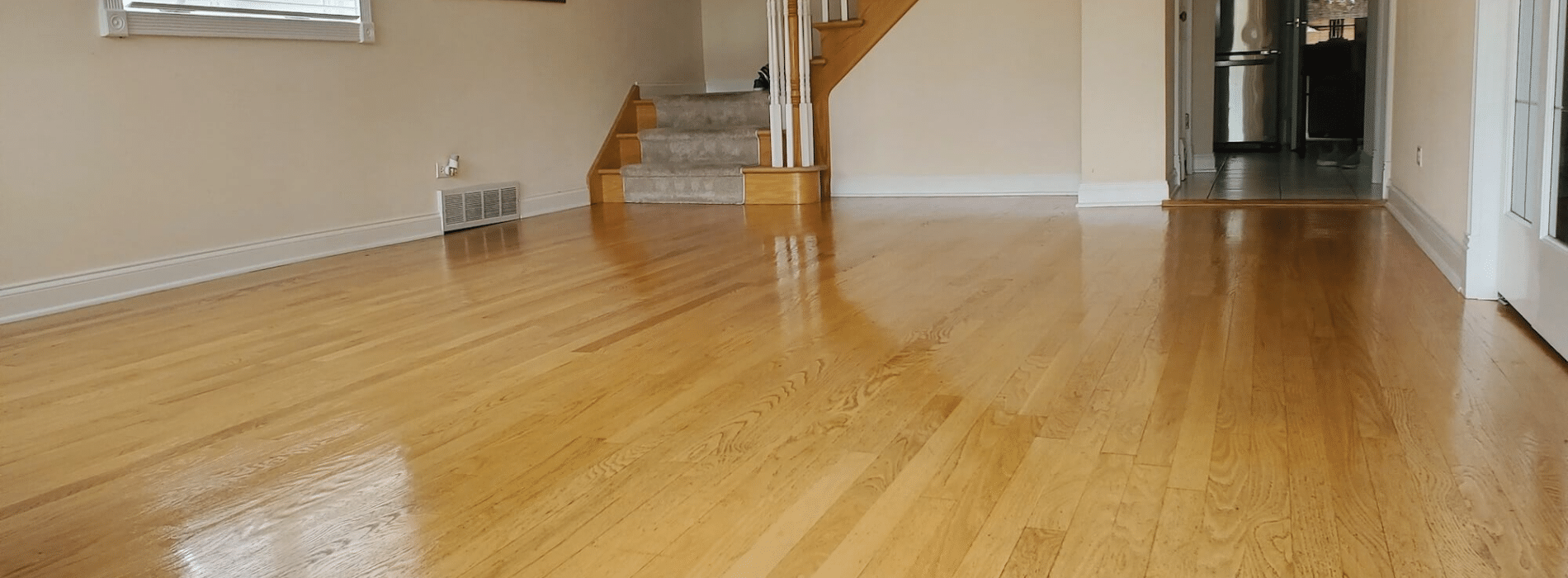
Bamboo, while technically a grass, shares many characteristics with hardwood and is often classified as such when it comes to flooring. It can reach maturity in just four to six years, making it a highly renewable resource.
Notably, bamboo flooring is stronger and more durable than many hardwoods, resisting dents and scratches. It’s available in a variety of shades and grains, making it a versatile choice for homeowners seeking a balance of sustainability, durability, and style.
3. Reclaimed Wood: Rich with History and Character
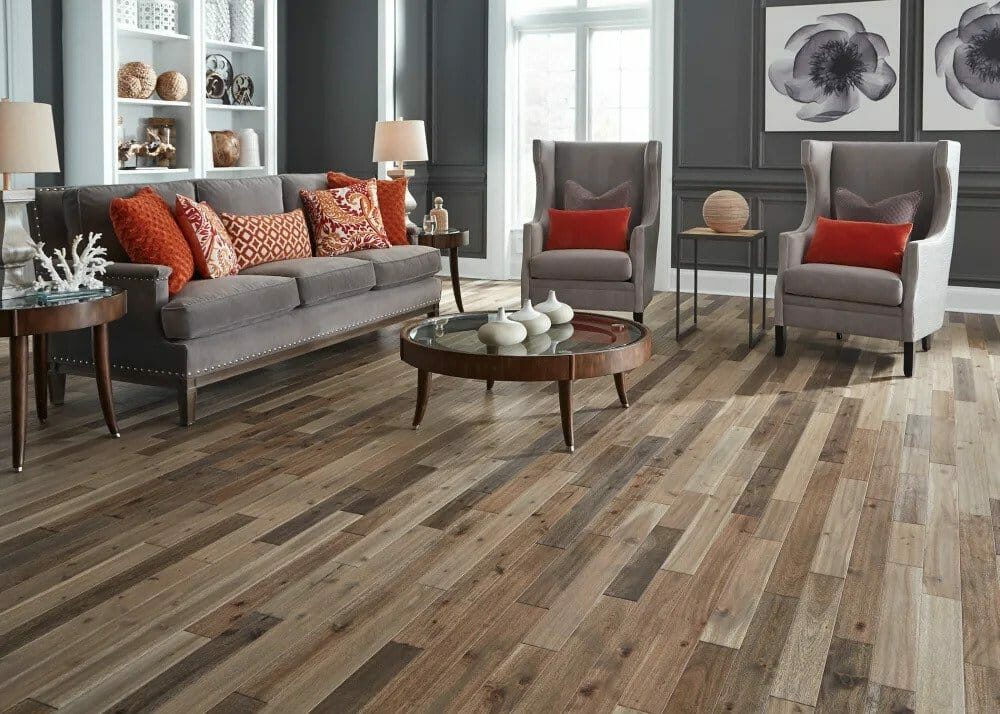
Reclaimed wood flooring gives old wood new life, making it an eco-friendly alternative to virgin hardwood. This wood is salvaged from old buildings, barns, or even underwater, preventing it from going to waste and reducing the demand for new timber.
Aside from its sustainability, reclaimed wood carries a unique, rustic charm filled with history and character. No two planks are alike, giving you a one-of-a-kind floor that’s both beautiful and kind to the planet.
4. Linoleum: The All-Natural Classic
Contrary to popular belief, linoleum is not a synthetic material but is made from all-natural, biodegradable materials, including linseed oil, cork dust, tree resins, and ground limestone. It was overshadowed by vinyl (a non-biodegradable petroleum product) for decades, but it’s now enjoying a comeback thanks to its green credentials and modern designs.
Linoleum is tough, resistant to scratches and scuffs, and has a lifespan of 40 years or more. With its wide range of colours and patterns, you can find a linoleum floor that fits your style and sustainable needs.
5. Recycled Rubber: Durable and Comfortable
Recycled rubber flooring, often made from old car tyres, offers an innovative, eco-friendly flooring option. It’s incredibly durable, water-resistant, easy to maintain, and perfect for high-traffic areas. Moreover, its cushioning effect makes it comfortable and safe, reducing the impact of falls.
Recycled rubber is available in tiles or rolls and comes in a variety of colours, textures, and patterns. It’s a unique, eco-friendly flooring option that proves that sustainability and style can go hand-in-hand.
Conclusion
Choosing sustainable flooring is a significant step towards creating a green, eco-friendly home. From the renewable resources of cork and bamboo to the history-rich character of reclaimed wood, the environmentally friendly innovation of linoleum, and the durable comfort of recycled rubber, there are numerous options that allow you to make an earth-friendly choice without sacrificing style or quality.
With these sustainable flooring options, you can make a lasting impact on your home’s look and feel and, more importantly, contribute positively to the health of our planet. Remember, our flooring choices are not just about the immediate aesthetic appeal or cost; they are about the future—our future.
Some Useful Links:
- Floor Sanding Services
- School Floor Sanding
- Wood Floor Restorations
- Wood Floor Repairs
- Wood Floor Polishing
More from our Blog:
Latest Environment Friendly Wood Floors | Mr Sander® Mastering the Art of Hardwood Floor Repairs Ultimate Guide to Keeping Your Wood Floors Looking Great Ultimate Guide to Wood Floor Oiling DIY Guide to Repairing Scratches in Hardwood Floors

Sanding
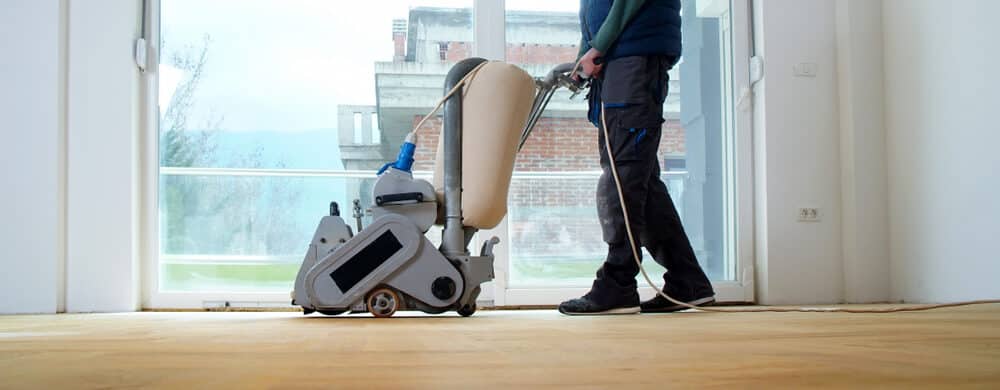
We provide virtually dust-free sanding with our continuous belt machinery with mobile extraction units, giving you a safer environment for your family.

Oiling
This organic finish not only adds beauty to your home but also has exceptional water-repellent characteristics, making it easier to clean and maintain.

Waxing
This natural floor finish offers the softest and most mellow appearance – and leaves your floor able to breath.

Buffing
Using soft buffing machines (and hand-polishing where required) will bring a wonderful sheen to your newly-finished floor.

Repairs
We offer a full assessment of your wooden floors to determine what repairs are needed to provide the perfect working surface for the later stages of sanding, staining and sealing.

Restoration
We offer a comprehensive restoration process designed to address floors that are improperly fitted or damaged over time through wear and tear.
Request a fixed price quote for your wood floor restoration now
Simply enter your postcode below to get started.






Services
Wood Floor Sanding Wood Floor Restoration Wood Floor Scratch Repair Squeaky Wood Floor Repair Parquet Floor Sanding Parquet Floor Restoration Commercial Floor Sanding Church Floor Sanding Community Centre Floor Sanding School Floor Sanding Gap Filling Gap Filling with ResinCopyright © Mr Sander®
Privacy & Cookies Terms & Conditions Complaints Procedure Cancellation Rights Sitemap

Get An Instant Price Estimate Before You Go…
Simply enter the rooms you need sanded and we’ll provide you with a price estimate instantly! Try our price calculator now.
Get a Price Estimate NowLocal Floor Sanding Experts
Over 500 5-Star Reviews
Safe, Dust Free Sanding
Operating Since 1994