London:
Nationwide:


25,000+
Floors Restored

27 Years Experience

Wood Flooring Association Certified
Wood Flooring Import Duties War in the US: An In-Depth Analysis
Posted on July 19, 2023
Floor Sanding Services News
Exploring the Implications of the Wood Flooring Import Duties War in the US
Trade wars can often seem like abstract concepts that don’t directly impact the lives of ordinary people. However, the ongoing debate surrounding wood flooring import duties in the US has significant implications for both industry stakeholders and consumers. This blog post will delve deep into the roots of the controversy, its current state, and potential future scenarios.
Understanding the Context: Origins of the Import Duties War
To fully comprehend the nuances of the wood flooring import duties war, one must first understand its genesis. The controversy traces its roots back to the clash between the US and its leading trading partners, primarily China.
The Beginning: Anti-Dumping Duties on Chinese Imports
In an effort to protect domestic manufacturing, the US introduced an anti-dumping duty on Chinese-made hardwood plywood products in 2013. This decision was a response to allegations that Chinese manufacturers were selling these products below market value, consequently harming the American wood flooring industry.
The Impact of Import Duties on US Industry
How have the import duties affected the US wood flooring industry, and what does this mean for consumers and businesses? Let’s break down the primary consequences.
Rising Costs for Domestic Manufacturers
While the measures were designed to protect local businesses, many US manufacturers who rely on imported raw materials faced an unexpected consequence: rising costs. The import duties increased the cost of Chinese wood, impacting manufacturers who used this affordable raw material to produce competitive flooring products.
Increased Prices for Consumers
As manufacturing costs rise, so do consumer prices. As a result, the duties have led to an increase in the cost of wood flooring products in the US. This increase has affected consumers, particularly those on tighter budgets, by limiting their choices or forcing them to opt for cheaper alternatives.
The Response from Trading Partners
The wood flooring import duties war did not go unanswered. Several of the US’s trading partners responded with retaliatory measures that have further complicated the situation.
China’s Retaliation
In response to the US duties, China imposed its own tariffs on a range of US products, escalating the trade dispute. While these tariffs didn’t directly target the wood flooring industry, they nevertheless contributed to an increasingly strained trade relationship.
Other Countries Step In
The void left by China was quickly filled by other countries, notably Vietnam and Indonesia, who began exporting more wood flooring products to the US. However, this has prompted the US to consider expanding its duties to include these countries, potentially triggering a new cycle of trade disputes.
The Current Scenario: An Ongoing Battle
The import duties war remains a contested issue, with ongoing debates and negotiations shaping the industry’s future.
Calls for Review
Domestic manufacturers and retailers who have been adversely affected by the duties have called for a review. They argue that the measures have done more harm than good, leading to job losses and business closures.
Industry Shifts
In response to the ongoing war, some businesses have shifted their strategies. Some have moved their manufacturing bases to countries not affected by duties, while others have explored alternative materials for their flooring products.
The Future: Potential Scenarios and Implications
The future of the wood flooring import duties war is uncertain, with different potential outcomes that could significantly impact the industry.
The Elimination of Duties
One potential scenario is the elimination of the import duties. This could result in decreased manufacturing costs and lower consumer prices. However, it could also renew concerns about foreign competition harming the domestic industry.
Expansion of Duties
Another possible outcome is the expansion of duties to include other countries. This could protect domestic manufacturers but may lead to further price increases for consumers and potential retaliatory measures from affected countries.
Final Thoughts
The wood flooring import duties war in the US is a complex issue that affects various stakeholders, from manufacturers and retailers to consumers and trading partners. As the situation continues to evolve, understanding the context, impact, and potential future scenarios is key to navigating this challenging landscape. Whether you are a business owner, industry professional, or a consumer, staying informed will help you make better decisions in this rapidly changing environment.
Some Useful Links:
- Floor Sanding Services
- School Floor Sanding
- Wood Floor Restorations
- Wood Floor Repairs
- Wood Floor Polishing
More from our Blog:
Filling the Gaps: Choosing the Right Method for Your Victorian or Georgian Floorboards Choosing Hardwood Floors for a Lifetime: Durability, Care, and Maintenance Coloured floors – what’s hot and what’s not How to Choose the Right Timber Floor Finish: An In-Depth Guide Exotic Hardwood Choices: Spotlight on Cabreuva

Sanding
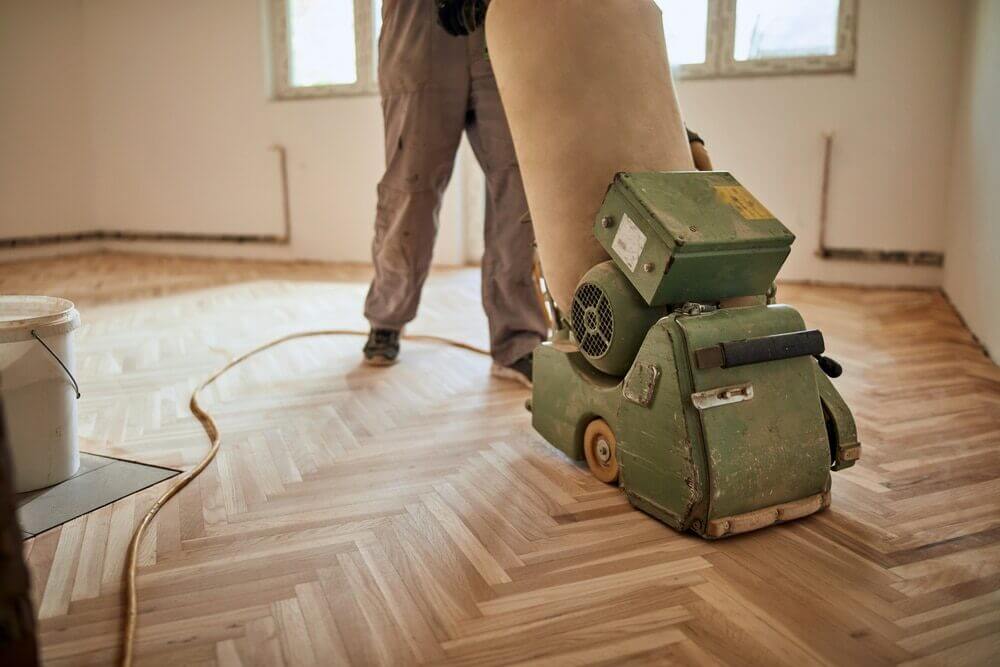
We provide virtually dust-free sanding with our continuous belt machinery with mobile extraction units, giving you a safer environment for your family.

Oiling
This organic finish not only adds beauty to your home but also has exceptional water-repellent characteristics, making it easier to clean and maintain.

Waxing
This natural floor finish offers the softest and most mellow appearance – and leaves your floor able to breath.

Buffing
Using soft buffing machines (and hand-polishing where required) will bring a wonderful sheen to your newly-finished floor.

Repairs
We offer a full assessment of your wooden floors to determine what repairs are needed to provide the perfect working surface for the later stages of sanding, staining and sealing.

Restoration
We offer a comprehensive restoration process designed to address floors that are improperly fitted or damaged over time through wear and tear.
Request a fixed price quote for your wood floor restoration now
Simply enter your postcode below to get started.





Services
Wood Floor Sanding Wood Floor Restoration Wood Floor Scratch Repair Squeaky Wood Floor Repair Parquet Floor Sanding Parquet Floor Restoration Commercial Floor Sanding Church Floor Sanding Community Centre Floor Sanding School Floor Sanding Gap Filling Gap Filling with ResinCopyright © Mr Sander®
Privacy & Cookies Terms & Conditions Complaints Procedure Cancellation Rights Sitemap

Get An Instant Price Estimate Before You Go…
Simply enter the rooms you need sanded and we’ll provide you with a price estimate instantly! Try our price calculator now.
Get a Price Estimate NowLocal Floor Sanding Experts
Over 500 5-Star Reviews
Safe, Dust Free Sanding
Operating Since 1994