London:
Nationwide:


25,000+
Floors Restored

27 Years Experience

Wood Flooring Association Certified
Dust Free Floor Sanding: Unraveling the Myth and Embracing the Reality
Posted on July 13, 2023
Blog
Decoding Dust Free Floor Sanding: A Comprehensive Examination
When it comes to floor sanding, dealing with the dust is often one of the most challenging aspects. Over time, professionals and DIY enthusiasts have sought a solution to this dusty dilemma, giving rise to the concept of dust-free sanding. But is it a myth or a reality? Let’s find out.
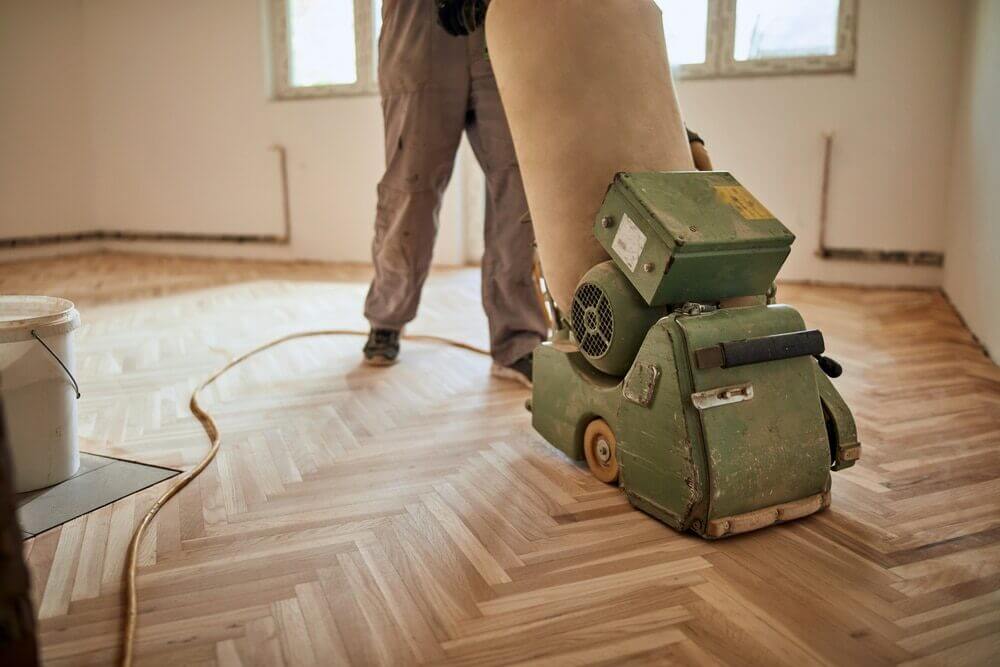
Understanding Traditional Floor Sanding
The Dust Dilemma
Traditional floor sanding is notoriously dusty. The process of removing the old finish and smoothing the wood surface creates a significant amount of fine dust. This dust not only makes a mess but can also affect air quality and pose health risks if inhaled.
The Cleanup Challenge
Post-sanding cleanup can be laborious and time-consuming, reaching every corner and crevice where dust has settled. Even with careful cleanup, some dust often remains, which can affect the quality of the new finish.
The Rise of Dust-Free Floor Sanding
How It Works
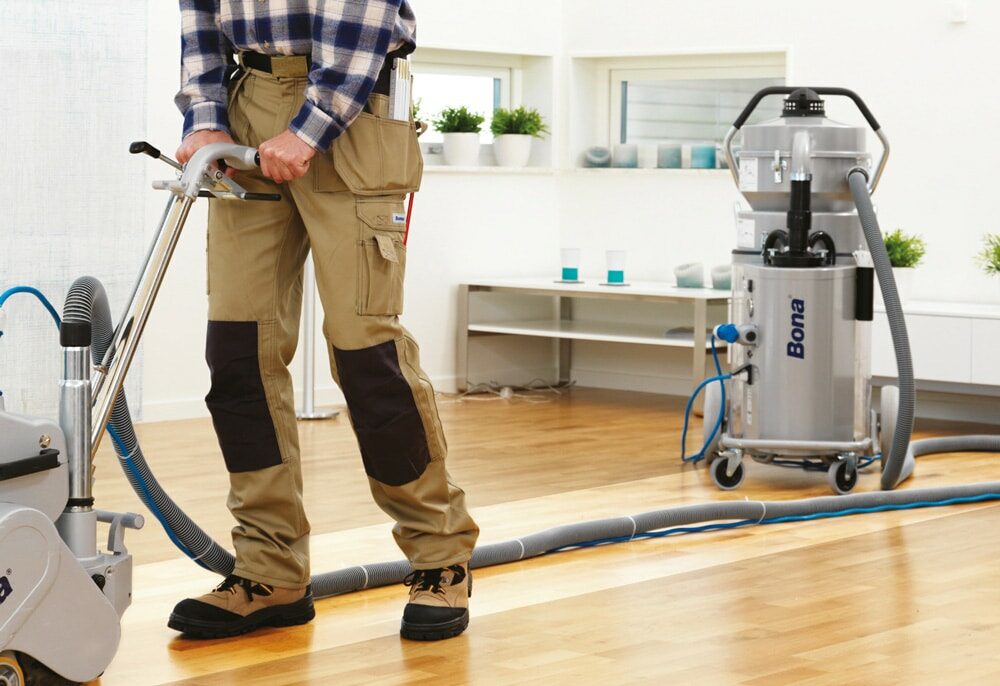
Dust-free floor sanding, also known as dustless sanding, involves the use of specialised sanding machines connected to powerful vacuum systems. As the floor is sanded, the dust is immediately sucked into the vacuum, significantly reducing the amount of airborne dust.
The Machines
Key players in the dust-free sanding game include advanced machines like the Bona Dust Containment System, Lagler Trio, and Festool Rotex. These machines come with high-powered vacuums and filters that promise to capture up to 99% of the sanding dust.
Dust-Free Sanding: Myth or Reality?
The Reality
While dust-free sanding systems dramatically reduce dust, claiming that they completely eliminate it would be an overstatement. Even the most advanced systems cannot capture 100% of the dust, but they can capture a substantial amount—up to 99%—making the process nearly dust-free.
The Benefits
Dust-free sanding comes with significant benefits. It creates a cleaner, healthier work environment, reduces cleanup time, and leads to a smoother, higher-quality finish as the dust doesn’t settle back into the fresh finish.
Health and Safety Considerations
Better Air Quality
By capturing most of the dust created during sanding, dust-free sanding improves air quality, reducing the potential for respiratory problems and allergic reactions. It’s a healthier option for both the workers and the homeowners.
Safety Precautions
Even with dust-free sanding, it’s important to still use safety measures, such as wearing protective goggles and masks and ensuring good ventilation. While dust is reduced, small amounts can still be present.
The Verdict
Dust-free floor sanding, in the sense of completely eliminating dust, remains a myth. However, the reality is that today’s advanced dustless sanding systems can dramatically reduce dust levels, making them as close to dust-free as currently possible. The benefits—healthier conditions, less cleanup, and a better finish—make dust-free sanding a worthwhile consideration for your next floor refinishing project.

Some Useful Links:
- Floor Sanding Services
- School Floor Sanding
- Wood Floor Restorations
- Wood Floor Repairs
- Wood Floor Polishing
More from our Blog:
Unusual Uses for Wood Floors Beyond Flooring Latest Festool Machines for Repairing Wood Floors Exploring the Timeless Appeal of Hardwood Floor The Easiest Way to Maintain your Wood Floor Real Wood Floor in Hallway Makes Good First Impression

Sanding
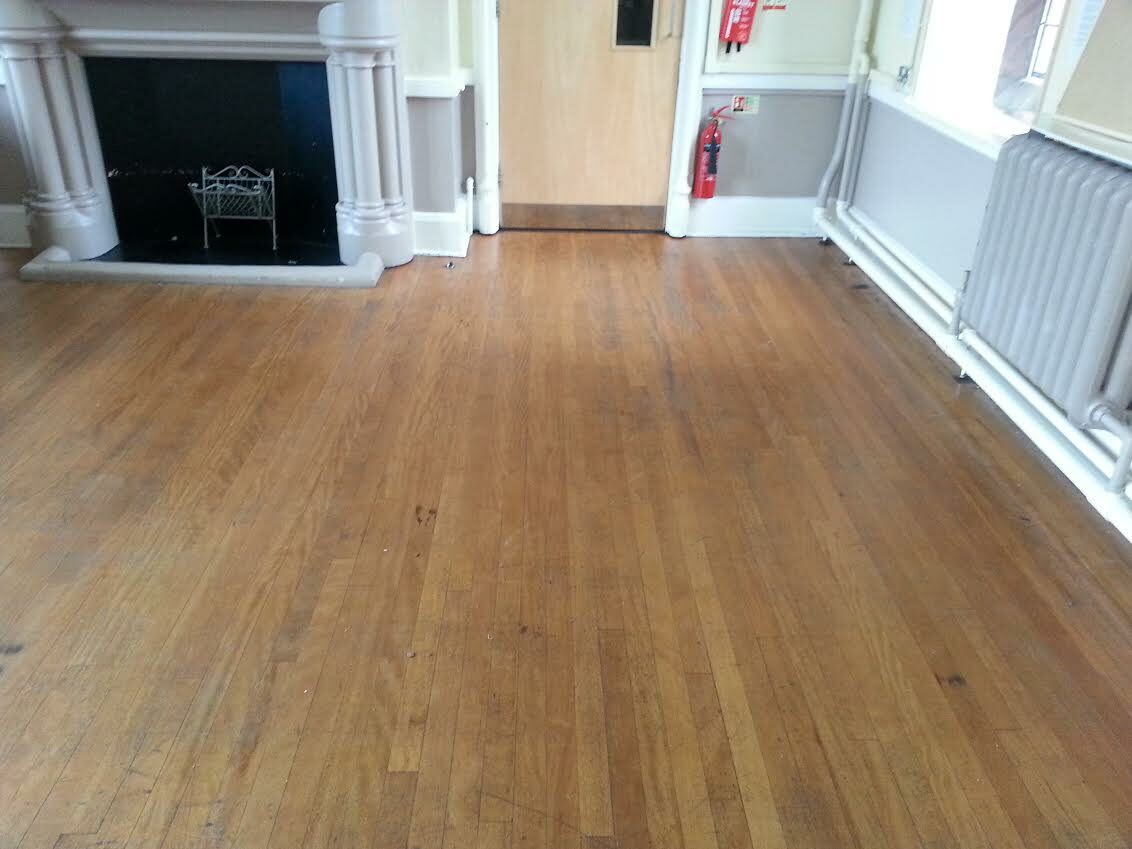
We provide virtually dust-free sanding with our continuous belt machinery with mobile extraction units, giving you a safer environment for your family.

Oiling
This organic finish not only adds beauty to your home but also has exceptional water-repellent characteristics, making it easier to clean and maintain.

Waxing
This natural floor finish offers the softest and most mellow appearance – and leaves your floor able to breath.

Buffing
Using soft buffing machines (and hand-polishing where required) will bring a wonderful sheen to your newly-finished floor.

Repairs
We offer a full assessment of your wooden floors to determine what repairs are needed to provide the perfect working surface for the later stages of sanding, staining and sealing.

Restoration
We offer a comprehensive restoration process designed to address floors that are improperly fitted or damaged over time through wear and tear.
Request a fixed price quote for your wood floor restoration now
Simply enter your postcode below to get started.






Services
Wood Floor Sanding Wood Floor Restoration Wood Floor Scratch Repair Squeaky Wood Floor Repair Parquet Floor Sanding Parquet Floor Restoration Commercial Floor Sanding Church Floor Sanding Community Centre Floor Sanding School Floor Sanding Gap Filling Gap Filling with ResinCopyright © Mr Sander®
Privacy & Cookies Terms & Conditions Complaints Procedure Cancellation Rights Sitemap

Get An Instant Price Estimate Before You Go…
Simply enter the rooms you need sanded and we’ll provide you with a price estimate instantly! Try our price calculator now.
Get a Price Estimate NowLocal Floor Sanding Experts
Over 500 5-Star Reviews
Safe, Dust Free Sanding
Operating Since 1994