London:
Nationwide:


25,000+
Floors Restored

27 Years Experience

Wood Flooring Association Certified
How to Choose the Right Timber Floor Finish: An In-Depth Guide
Posted on July 17, 2023
Articles
The Ultimate Guide to Choosing the Right Timber Floor Finish
Timber flooring is a fantastic choice for homeowners who appreciate the warmth, elegance, and longevity that wood offers. However, the journey to a perfect wooden floor doesn’t stop at choosing the right timber species. Equally important is selecting the right timber floor finish that not only enhances the natural beauty of the wood but also protects it from everyday wear and tear. This comprehensive guide will help you navigate through the process of choosing the ideal timber floor finish for your home.
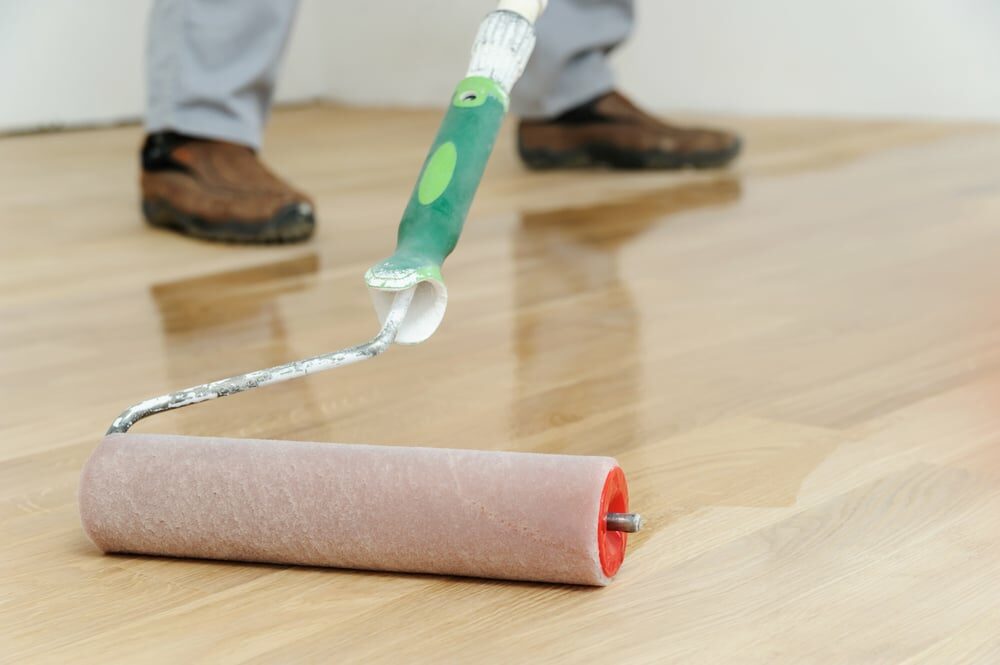
Understanding the Role of a Timber Floor Finish
Before diving into the world of floor finishes, it’s important to grasp their primary roles:
- Protection: A finish shields the timber surface from mechanical and chemical damage. It guards against scratches, scuffs, moisture, and UV radiation.
- Aesthetics: A finish enhances the natural grain and colour of the wood, allowing you to choose from various looks, from glossy to matte.
- Maintenance: The right finish can make cleaning and maintaining your timber floor easier and more efficient.
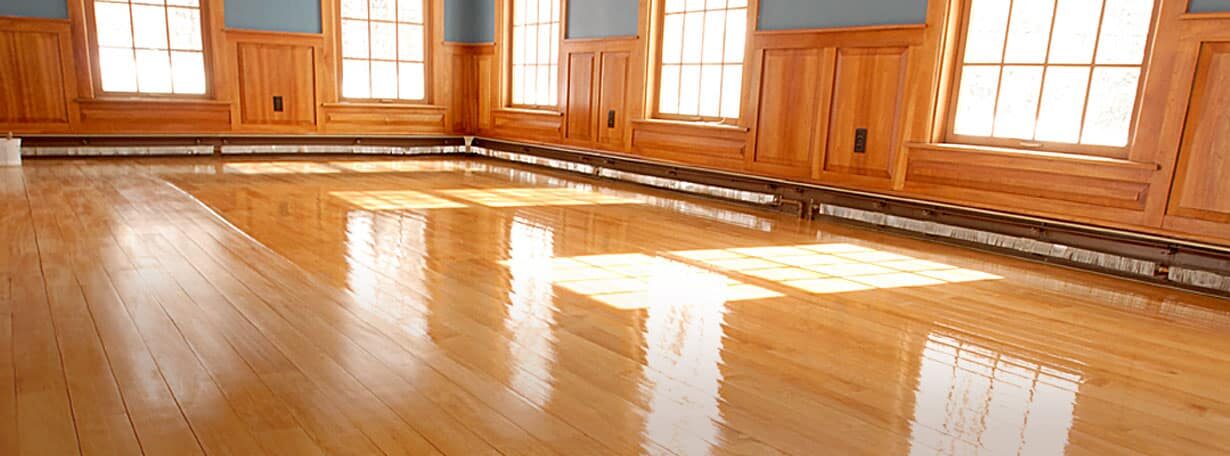
Main Types of Timber Floor Finishes
When it comes to floor finishes, you have several options to consider. Each has its own benefits and drawbacks, and understanding these can help you make an informed decision.
Surface Finishes
These finishes form a protective coating on the surface of the wood, making them durable and easy to maintain. They are ideal for high-traffic areas. Surface finishes include polyurethane, varnish, and water-based finishes.
Polyurethane: Available in oil-based and water-based forms, polyurethane provides a hard, durable finish. Oil-based polyurethane offers a warm, amber hue and is generally more durable but takes longer to dry. Water-based polyurethane is clear and dries quickly but may not be as resilient.
Varnish: Varnish is another popular surface finish, offering a variety of sheen levels. It is less durable than polyurethane but easier to repair, as you can recoat worn areas without sanding the whole floor.
Penetrating Finishes
Penetrating finishes are absorbed into the wood, enhancing its natural beauty. They are easier to repair than surface finishes but require more maintenance. Penetrating finishes include oil finishes and hard wax oils.
Oil Finishes: These finishes, like linseed oil or tung oil, penetrate the wood to bring out its grain and texture. They provide a natural look but require frequent reapplications.
Hard Wax Oils: This finish combines oils’ penetrating properties with waxes’ protective qualities. Hard wax oils enhance the wood’s grain, offer decent protection, and are easier to repair than surface finishes.
Factors to Consider When Choosing a Timber Floor Finish
When choosing a finish for your timber floor, consider these factors to find the most suitable option.
Room Usage
The level of foot traffic can significantly impact the longevity of a finish. High-traffic areas like living rooms and hallways require a durable finish, such as polyurethane. On the other hand, bedrooms or studies with less foot traffic can benefit from the natural appeal of penetrating finishes.
Aesthetics
Your aesthetic preferences can guide your choice of finish. If you prefer a glossy, refined look, opt for a high-gloss polyurethane or varnish. If you favour a more natural, rustic appearance, oil finishes or hard wax oils may be the way to go.
Maintenance Requirements
Consider how much time and effort you’re willing to put into floor maintenance. Surface finishes require less frequent upkeep but can be harder to repair. Penetrating finishes need more regular maintenance but can be easily touched up in worn areas.
Health and Environmental Considerations
Some finishes, particularly oil-based polyurethane, contain high levels of Volatile Organic Compounds (VOCs), which are harmful to both the environment and indoor air quality. Water-based finishes and hard wax oils usually have lower VOC levels.
The Importance of Professional Advice and Testing
Choosing a finish isn’t a decision to take lightly. It can significantly impact the lifespan and aesthetics of your timber floor. Always consult a flooring professional to understand which finishes work best with your chosen wood species, the room’s function, and your lifestyle.
Moreover, testing the finish on a small, inconspicuous area of your floor or on a sample piece of wood is advisable. This way, you can see how dry the finish looks and how it interacts with your specific timber.
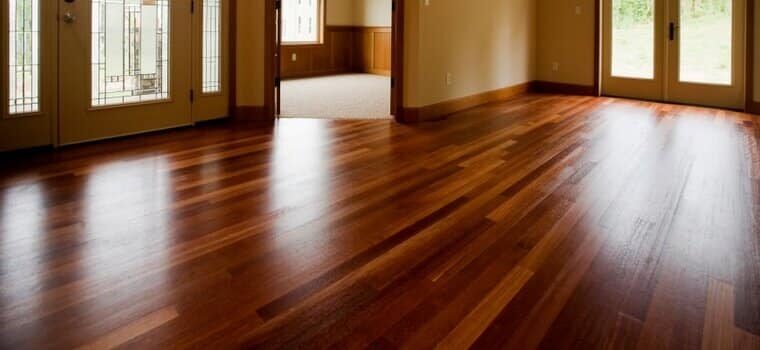
Final Thoughts
Selecting the right timber floor finish is as crucial as picking the type of wood for your flooring. It affects the longevity, aesthetics, and maintenance of your floor. Remember, there’s no one-size-fits-all solution. The perfect finish for your timber floor depends on your individual circumstances, including your lifestyle, the nature of the room, your aesthetic preference, and the specific type of timber you’ve chosen. By understanding the characteristics of various finishes and considering the factors outlined above, you’ll be well-equipped to make an informed decision, ensuring your timber floor remains beautiful and robust for many years to come.
Some Useful Links:
- Floor Sanding Services
- School Floor Sanding
- Wood Floor Restorations
- Wood Floor Repairs
- Wood Floor Polishing
More from our Blog:
Exotic Hardwood Choices: Spotlight on Cabreuva How to make sure your wooden floor isn’t a safety hazard The Restoration of Unprotected Hardwood Flooring in London Rejuvenating Hardwood Flooring in Your London Home: Breathe New Life into Your Floors Discover the Beauty of Hardwood Floors: A Guide to Timeless Elegance
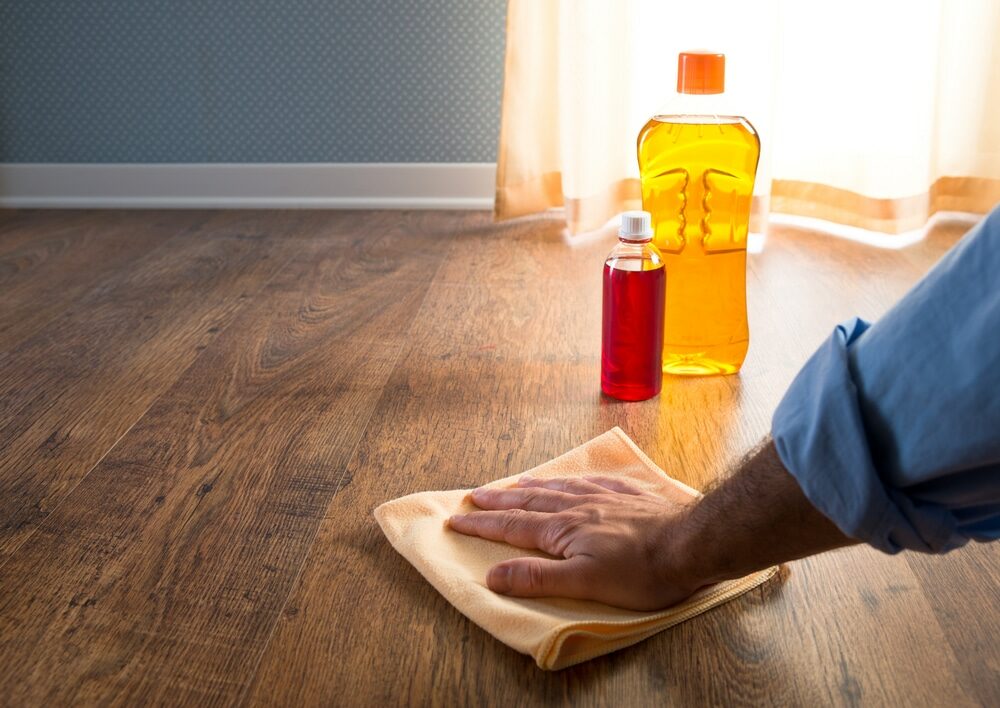

Sanding
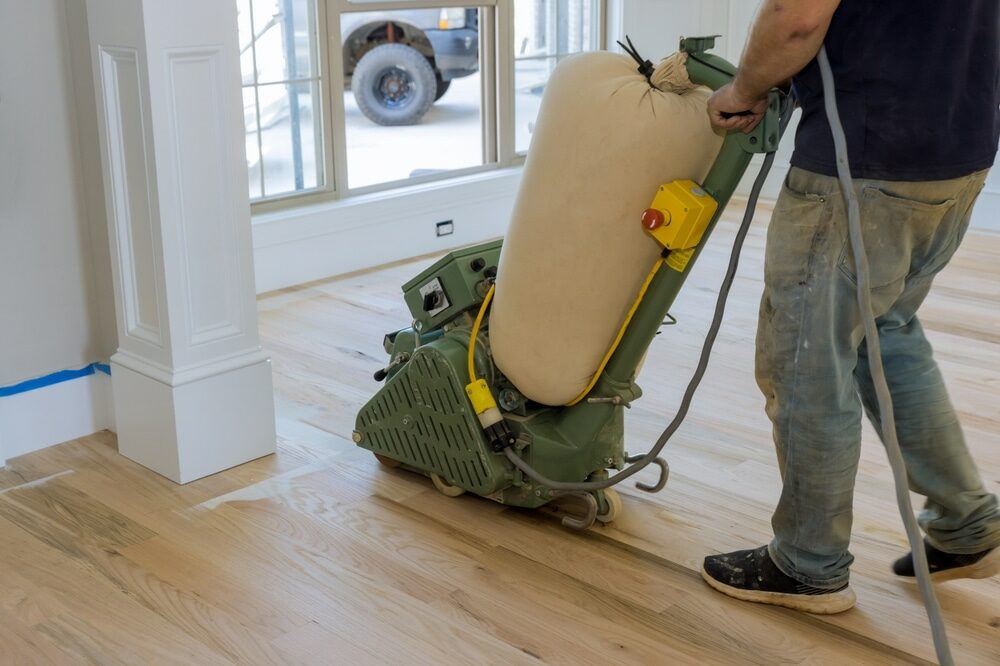
We provide virtually dust-free sanding with our continuous belt machinery with mobile extraction units, giving you a safer environment for your family.
Oiling
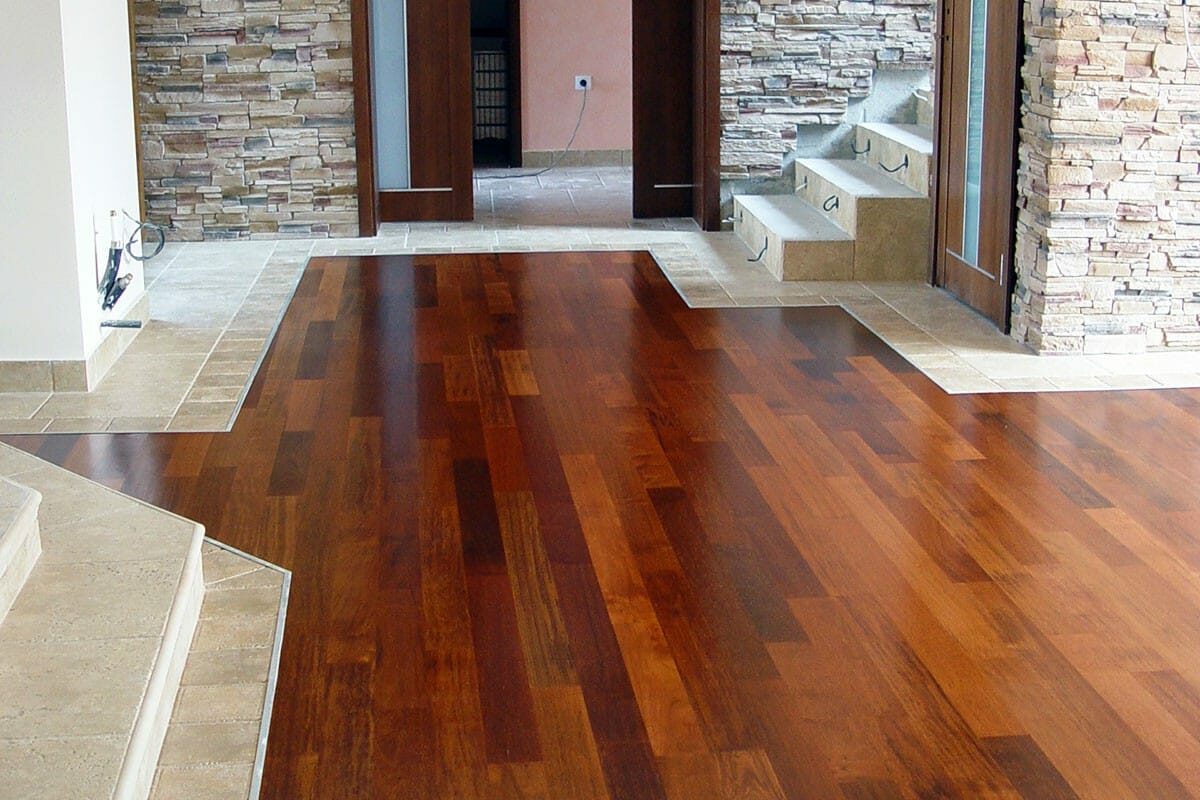
This organic finish not only adds beauty to your home but also has exceptional water-repellent characteristics, making it easier to clean and maintain.

Waxing
This natural floor finish offers the softest and most mellow appearance – and leaves your floor able to breath.

Buffing
Using soft buffing machines (and hand-polishing where required) will bring a wonderful sheen to your newly-finished floor.

Repairs
We offer a full assessment of your wooden floors to determine what repairs are needed to provide the perfect working surface for the later stages of sanding, staining and sealing.

Restoration
We offer a comprehensive restoration process designed to address floors that are improperly fitted or damaged over time through wear and tear.
Request a fixed price quote for your wood floor restoration now
Simply enter your postcode below to get started.




Services
Wood Floor Sanding Wood Floor Restoration Wood Floor Scratch Repair Squeaky Wood Floor Repair Parquet Floor Sanding Parquet Floor Restoration Commercial Floor Sanding Church Floor Sanding Community Centre Floor Sanding School Floor Sanding Gap Filling Gap Filling with ResinCopyright © Mr Sander®
Privacy & Cookies Terms & Conditions Complaints Procedure Cancellation Rights Sitemap

Get An Instant Price Estimate Before You Go…
Simply enter the rooms you need sanded and we’ll provide you with a price estimate instantly! Try our price calculator now.
Get a Price Estimate NowLocal Floor Sanding Experts
Over 500 5-Star Reviews
Safe, Dust Free Sanding
Operating Since 1994