London:
Nationwide:


25,000+
Floors Restored

27 Years Experience

Wood Flooring Association Certified
Hardwood Flooring Issues: Unraveling the Concept of Stability
Posted on June 16, 2023
Floor Sanding Services News
Understanding and Addressing Stability in Hardwood Flooring
Hardwood floors offer warmth, beauty, and a timeless aesthetic appeal to any home. However, they can present certain challenges and issues, one of which revolves around stability. Understanding stability and its implications can help you maintain the beauty and longevity of your hardwood flooring. In this comprehensive guide, we will explore what stability means in the context of hardwood flooring, common stability issues, and how to prevent and address them.
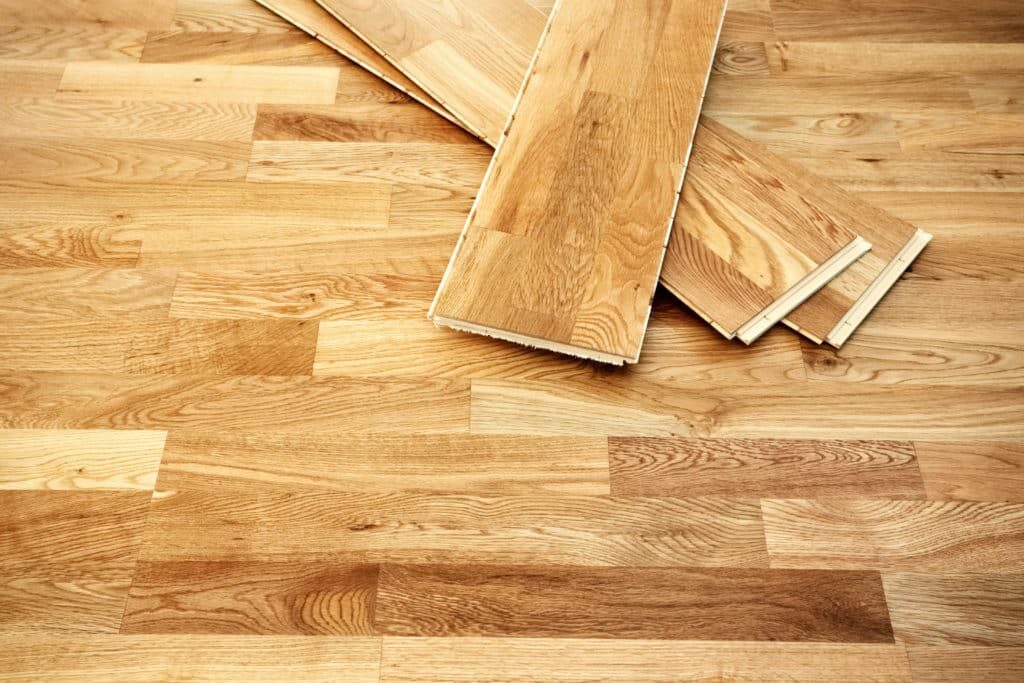
Understanding Stability in Hardwood Flooring
The term “stability” in hardwood flooring refers to the ability of the wood to maintain its dimensions and shape in the face of environmental changes, particularly changes in temperature and humidity. Certain types of wood have higher stability than others, meaning they are less prone to warp, shrink, or expand when exposed to these conditions.
Factors Affecting Hardwood Stability
Several factors can influence the stability of your hardwood flooring:
- Species of Wood: Different types of wood have different levels of stability. For instance, oak and teak are considered relatively stable, while maple and pine tend to be less stable.
- Moisture Content: The amount of moisture in the wood at the time of installation plays a critical role in stability. The wood should be acclimatized to the environment of your home before installation to prevent future issues.
- Installation Method: The way your hardwood flooring is installed can also affect its stability. Some methods allow for more natural movement of the wood than others.
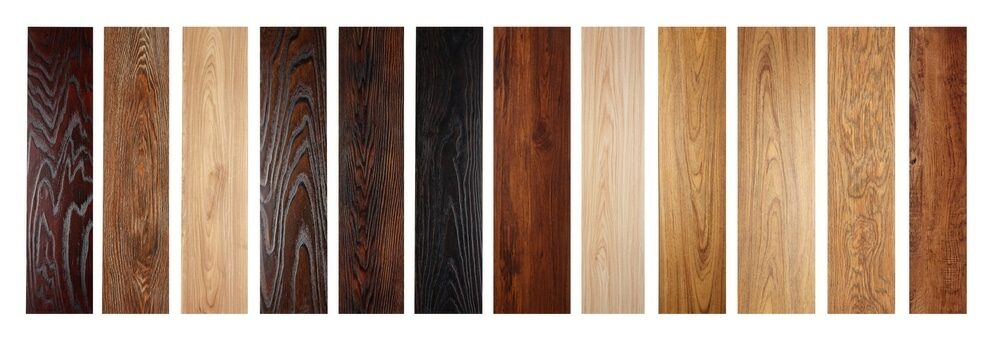
Common Hardwood Stability Issues
Here are some common stability issues you might encounter with your hardwood flooring:
Warping
Warping refers to any deformation in the shape of the wood planks. This can result in the planks cupping (when the edges are higher than the center), crowning (when the center is higher than the edges), or bowing (when the plank curves along its length).
Gapping
Gapping occurs when the wood contracts, causing spaces to form between the planks. This issue is most common in cooler months when indoor air is dry.
Buckling
Buckling happens when the wood expands so much that it lifts off the subfloor. This is an extreme reaction to moisture and requires immediate attention.
Preventing Stability Issues
To maintain the stability of your hardwood flooring, consider the following measures:
Choose the right wood species.
Choosing a wood species known for its stability can help prevent issues down the line. If you live in a region with significant humidity or temperature changes, opt for species like teak or oak.
Control Indoor Climate
Maintain a consistent indoor climate to prevent drastic changes in temperature and humidity that can cause the wood to expand and contract.
Proper Installation
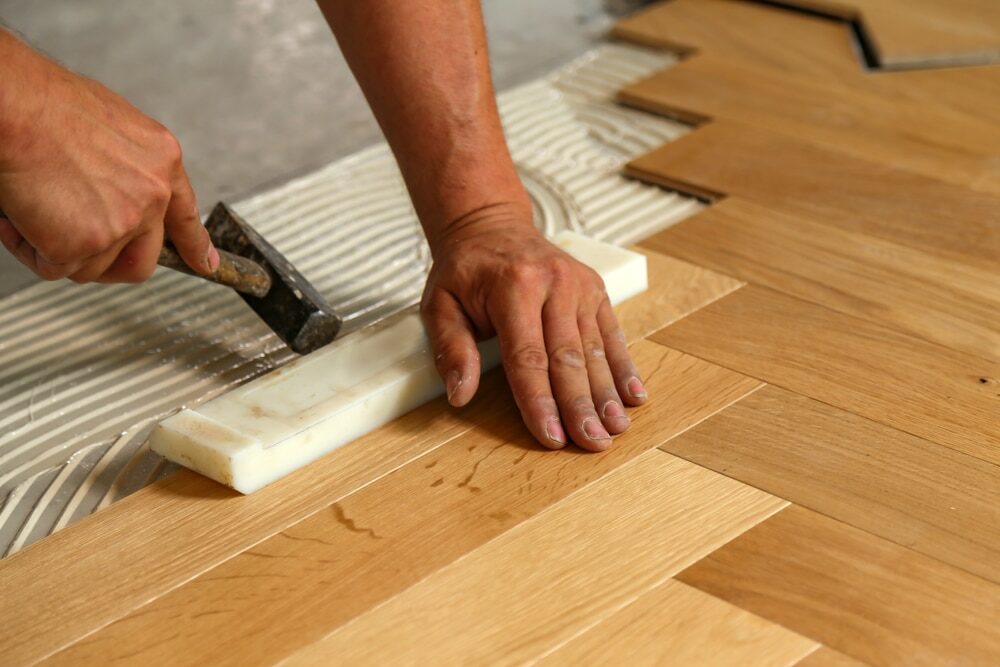
Hire a professional to install your hardwood flooring to ensure that it’s done correctly. They can assess the moisture content of the wood and the conditions of your home to choose the best installation method.
Addressing stability issues
If you’re facing stability issues with your hardwood flooring, it’s best to call a professional. They can assess the problem and suggest the best course of action. Solutions may involve repairing or replacing the affected planks, sanding and refinishing the floor, or implementing moisture control solutions.
In conclusion, stability is an important aspect of maintaining the beauty and longevity of your hardwood floors. Understanding the factors that affect stability and how to prevent and address common issues can go a long way toward preserving your floors for years to come.
Some Useful Links:
- Floor Sanding Services
- School Floor Sanding
- Wood Floor Restorations
- Wood Floor Repairs
- Wood Floor Polishing
More from our Blog:
Essential Guide to Protecting High Traffic Areas of Hardwood Floors Discovering and Restoring Hidden Parquet Floors Under Your Carpet How to Select the Best Wood Floor Sanding Services in West London Wood Floor Sanding: A Complete Overview | Mr Sander® Revitalizing Your Parquet Flooring: A Comprehensive Guide

Sanding
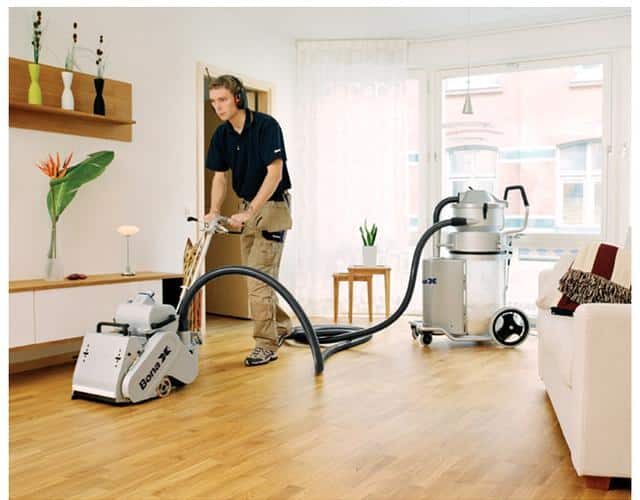
We provide virtually dust-free sanding with our continuous belt machinery with mobile extraction units, giving you a safer environment for your family.

Oiling
This organic finish not only adds beauty to your home but also has exceptional water-repellent characteristics, making it easier to clean and maintain.

Waxing
This natural floor finish offers the softest and most mellow appearance – and leaves your floor able to breath.

Buffing
Using soft buffing machines (and hand-polishing where required) will bring a wonderful sheen to your newly-finished floor.

Repairs
We offer a full assessment of your wooden floors to determine what repairs are needed to provide the perfect working surface for the later stages of sanding, staining and sealing.

Restoration
We offer a comprehensive restoration process designed to address floors that are improperly fitted or damaged over time through wear and tear.
Request a fixed price quote for your wood floor restoration now
Simply enter your postcode below to get started.






Services
Wood Floor Sanding Wood Floor Restoration Wood Floor Scratch Repair Squeaky Wood Floor Repair Parquet Floor Sanding Parquet Floor Restoration Commercial Floor Sanding Church Floor Sanding Community Centre Floor Sanding School Floor Sanding Gap Filling Gap Filling with ResinCopyright © Mr Sander®
Privacy & Cookies Terms & Conditions Complaints Procedure Cancellation Rights Sitemap

Get An Instant Price Estimate Before You Go…
Simply enter the rooms you need sanded and we’ll provide you with a price estimate instantly! Try our price calculator now.
Get a Price Estimate NowLocal Floor Sanding Experts
Over 500 5-Star Reviews
Safe, Dust Free Sanding
Operating Since 1994