London:
Nationwide:


25,000+
Floors Restored

27 Years Experience

Wood Flooring Association Certified
The Development of Floor Sanding Services Over the Last 75 Years
Posted on July 12, 2023
Blog
Evolution of the Floor Sanding Trade: A Journey Through the Past 75 Years
The trade of floor sanding services has experienced significant evolution in the past 75 years. What began as a laborious manual task has transformed into an efficient and relatively clean process, largely thanks to technological advancements. This post will take you on a journey through the history and development of the floor sanding services trade.
The Humble Beginnings (1940s–50s)
The origins of floor sanding are modest. In the 1940s and 1950s, floor sanding was a painstaking and dusty process carried out predominantly by hand. Workers used basic manual sanding tools like sandpaper attached to wooden blocks to remove the top layer of the floor. It was an arduous, time-consuming task that required significant physical effort and expertise to achieve a smooth, level surface.
The Introduction of Electric Sanders (1960s)
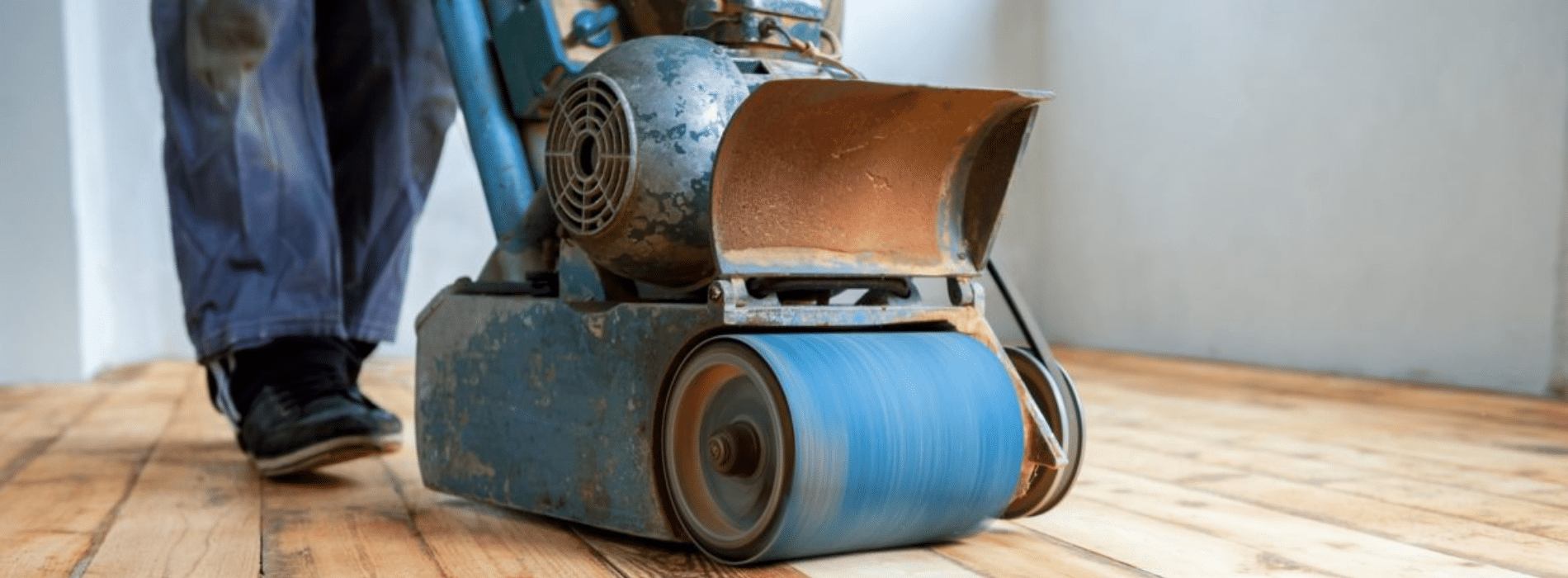
The floor sanding trade began to change drastically in the 1960s with the introduction of electric sanders. These machines greatly increased the speed and efficiency of the sanding process. With an electric motor powering a rotating sanding disc or belt, a uniform finish could be achieved much faster than before. However, these machines were heavy and difficult to control, requiring skilled operators. The process also created a considerable amount of dust that had to be cleaned manually.
The Advent of Dustless Sanding Systems (1970s–1980s)
The dust generated by the sanding process was a major issue in the trade. The 1970s and 1980s saw a solution to this problem with the advent of dustless sanding systems. These systems utilised a vacuum or dust bag attachment to collect dust generated during the sanding process. This was a major leap forward in the trade, reducing clean-up time and making the process safer and more comfortable for workers and homeowners.
Improvements in Sanding Machines and Techniques (1990s)
The 1990s brought further improvements to the floor sanding trade. Sanders became lighter and easier to control, allowing for more precise work. Additionally, new sanding techniques emerged that focused on minimising scratches and uneven surfaces. The introduction of multi-directional sanding further improved the quality of the finish.
The Rise of Eco-Friendly Finishes (2000s)
At the turn of the century, there was an increased focus on environmental sustainability in the flooring industry. This was reflected in the floor sanding trade with the rise of eco-friendly finishes. Solvent-based varnishes gave way to water-based ones, which had lower volatile organic compound (VOC) levels. These finishes were not only better for the environment but also safer for the workers applying them and the homeowners living with them.
Advanced Dustless Sanding Systems and Automation (2010s–present)
The most recent developments in the floor sanding trade have focused on improving dustless sanding systems and introducing automation. Today’s dustless sanding systems are more efficient than ever, capturing up to 99% of dust. This leads to cleaner work environments and less post-sanding cleanup.
Meanwhile, some aspects of the sanding process are becoming automated, reducing the physical strain on workers and increasing consistency in the finished product. Some companies have introduced automated sanding machines that can be programmed to sand floors to precise specifications.
The Impact of the Internet and Digital Marketing
It’s also important to mention the impact of the internet on the floor sanding trade. It has revolutionised how businesses market their services and interact with customers. Social media platforms, online reviews, and company websites have made it easier for customers to find and compare services, while businesses have been able to reach a wider audience and showcase their work more effectively.
Conclusion
The last 75 years have seen remarkable developments in the floor sanding services trade. From labour-intensive manual work to advanced machines and techniques that prioritise efficiency, safety, and sustainability, the trade has continually adapted to the demands of changing times. As we look to the future, it’s exciting to imagine what further advancements will shape the industry. One thing’s for sure, though: the enduring appeal of beautifully sanded and finished floors isn’t going anywhere.
Some Useful Links:
- Floor Sanding Services
- School Floor Sanding
- Wood Floor Restorations
- Wood Floor Repairs
- Wood Floor Polishing
More from our Blog:
Hardwood Flooring: Not Merely for Indoors Any Longer Discover the Surprising Benefits of Hardwood Floors Floating Flooring: What it is, its Benefits, and Installation Guide The Floor Sanding Company – Frequently Asked Questions Answered Caring for Hardwood Floors: Green Methods Easy and Cost-Effective Ways for Wood Floor Repair


Sanding
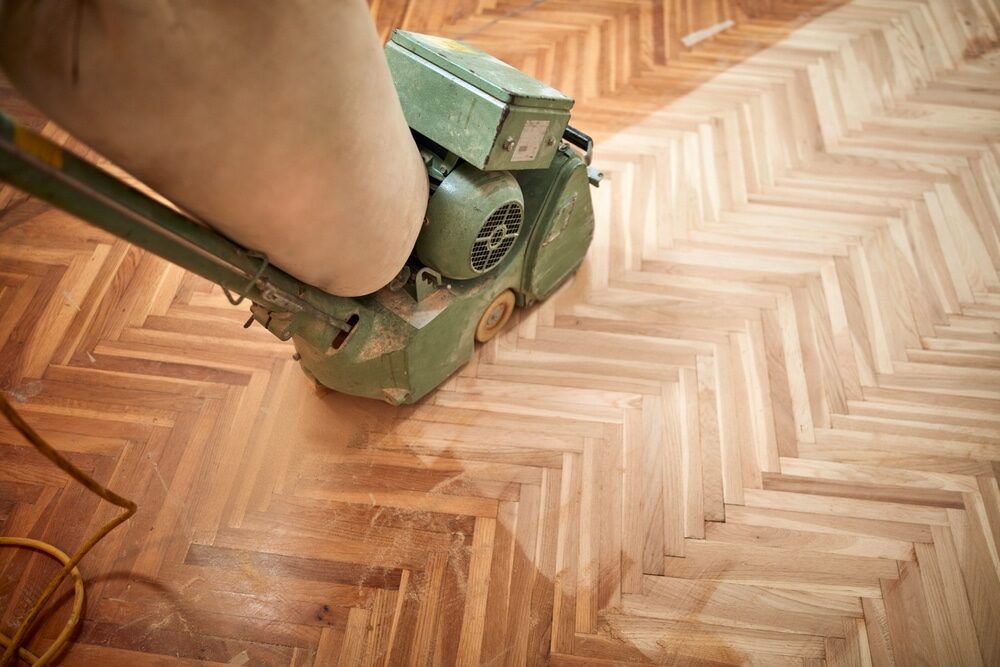
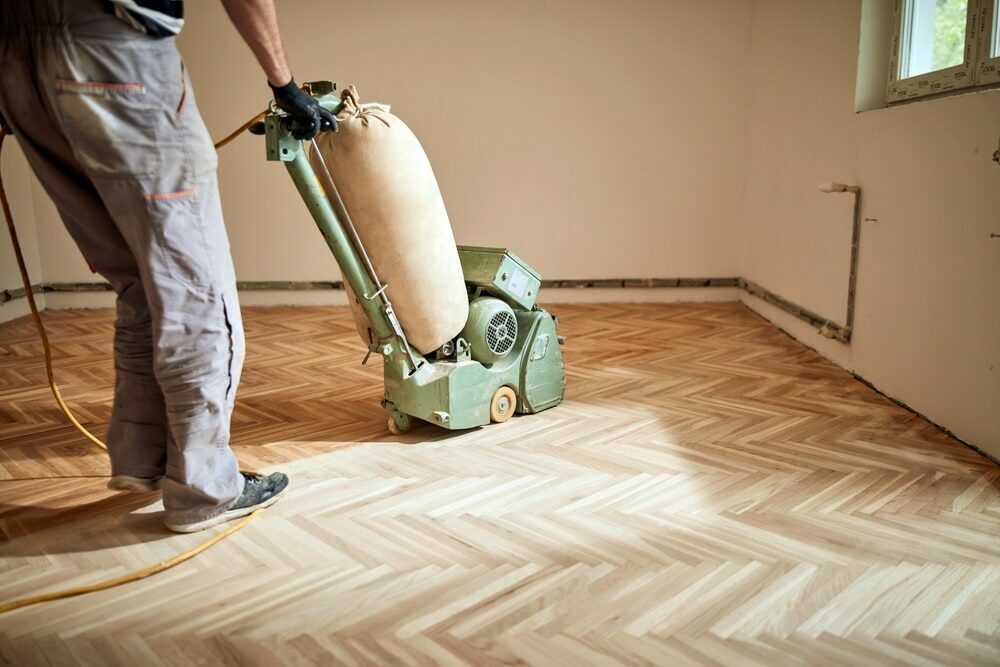
We provide virtually dust-free sanding with our continuous belt machinery with mobile extraction units, giving you a safer environment for your family.

Oiling
This organic finish not only adds beauty to your home but also has exceptional water-repellent characteristics, making it easier to clean and maintain.

Waxing
This natural floor finish offers the softest and most mellow appearance – and leaves your floor able to breath.

Buffing
Using soft buffing machines (and hand-polishing where required) will bring a wonderful sheen to your newly-finished floor.

Repairs
We offer a full assessment of your wooden floors to determine what repairs are needed to provide the perfect working surface for the later stages of sanding, staining and sealing.

Restoration
We offer a comprehensive restoration process designed to address floors that are improperly fitted or damaged over time through wear and tear.
Request a fixed price quote for your wood floor restoration now
Simply enter your postcode below to get started.






Services
Wood Floor Sanding Wood Floor Restoration Wood Floor Scratch Repair Squeaky Wood Floor Repair Parquet Floor Sanding Parquet Floor Restoration Commercial Floor Sanding Church Floor Sanding Community Centre Floor Sanding School Floor Sanding Gap Filling Gap Filling with ResinCopyright © Mr Sander®
Privacy & Cookies Terms & Conditions Complaints Procedure Cancellation Rights Sitemap

Get An Instant Price Estimate Before You Go…
Simply enter the rooms you need sanded and we’ll provide you with a price estimate instantly! Try our price calculator now.
Get a Price Estimate NowLocal Floor Sanding Experts
Over 500 5-Star Reviews
Safe, Dust Free Sanding
Operating Since 1994