London:
Nationwide:


25,000+
Floors Restored

27 Years Experience

Wood Flooring Association Certified
Unlocking the Benefits of Locking Hardwood Floors
Posted on May 8, 2023
Floor Sanding Services News
Exploring the Ease and Elegance of Locking Hardwood Floors: A Comprehensive Guide to Installation and Maintenance
Hardwood flooring has long been a coveted feature in homes and commercial spaces alike, offering a combination of durability, timelessness, and sheer aesthetic appeal that few other flooring materials can match. One particular variety of hardwood flooring that has gained significant popularity in recent years is the locking hardwood floor. This type of flooring, notable for its ease of installation and practical benefits, has much to offer both the experienced contractor and the do-it-yourself enthusiast.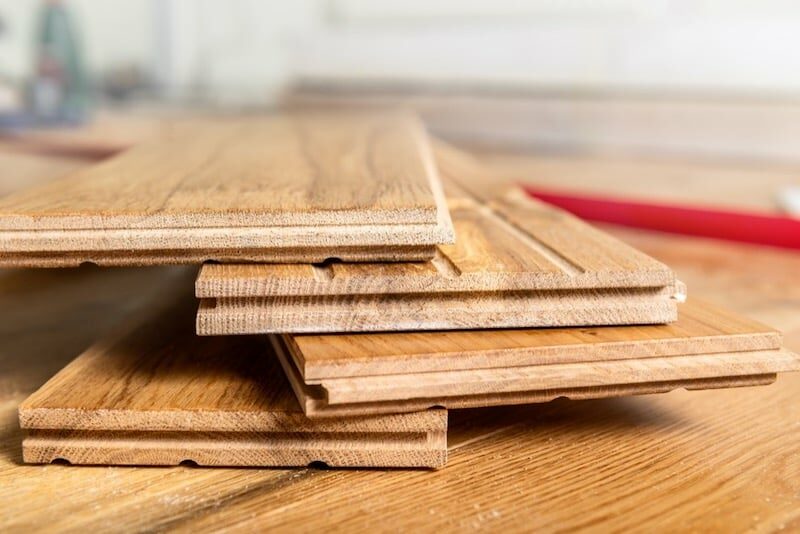
Understanding Locking Hardwood Floors
So, what exactly is a locking hardwood floor? Unlike traditional hardwood flooring that requires nails, staples, or glue for installation, a locking hardwood floor is designed with a unique edge that allows each plank to lock into place with its neighbouring planks. This can either be a familiar tongue-and-groove system or a proprietary locking mechanism developed by the manufacturer. This ingenious design allows the entire floor to ‘float’ above the subfloor. The result is a stable, secure, and uniform flooring surface that can be installed without the need for adhesives or fasteners.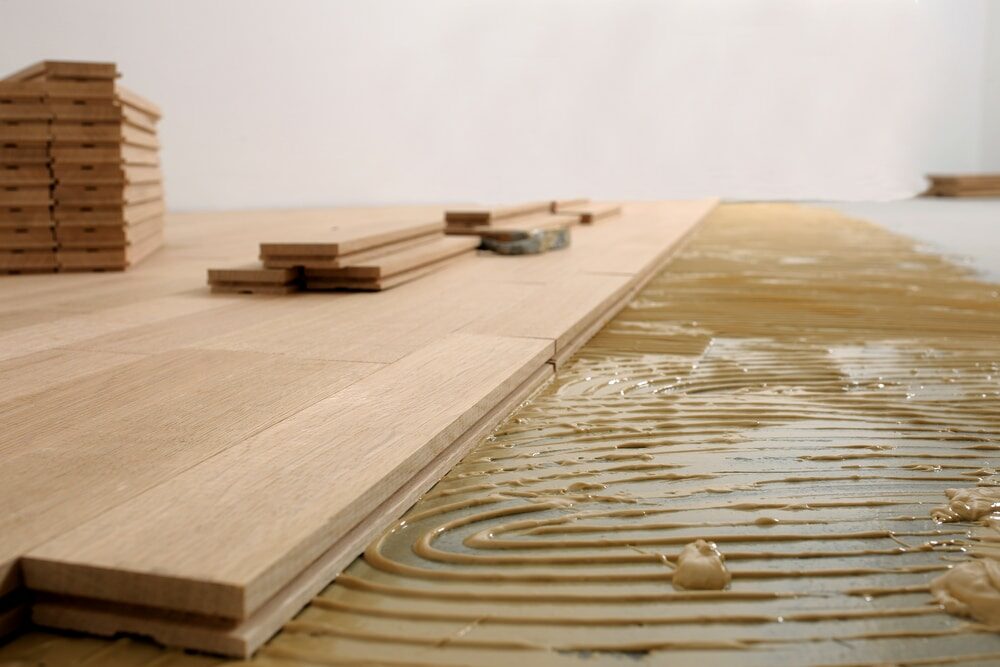
The installation process
Installing a locking hardwood floor is a relatively straightforward process that can be accomplished with a few basic tools and a bit of patience. The first step is the removal of any existing baseboards. This is necessary to ensure a clean, level surface for the new flooring. Next, a spacer is used along the edges of the room. This spacer is a critical component of the installation process. Its purpose is to maintain a gap between the edge of the flooring and the wall. This gap allows the flooring to expand and contract with changes in temperature and humidity without buckling or warping. The installation of the floor itself involves positioning each plank so that its edge locks into place with the edge of the adjacent plank. This process continues until the entire floor has been installed. Once all the planks have been laid, the spacer is removed, and the baseboards are reinstalled. The baseboards not only provide a finished look but also help to conceal the expansion gap around the edge of the room.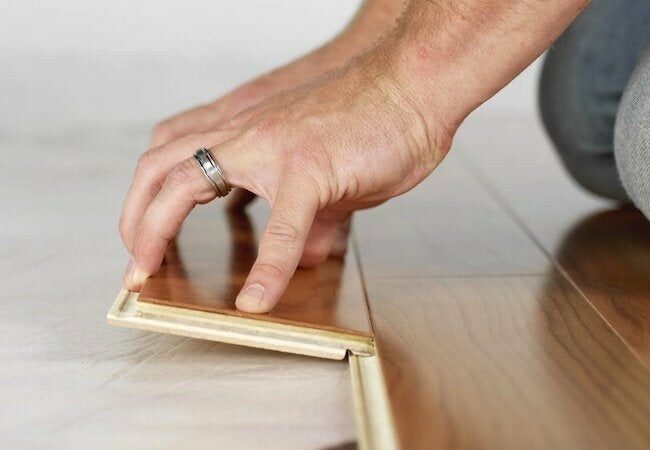
Benefits of Locking Hardwood Floors
Locking hardwood floors offer several significant advantages over traditional hardwood floors. One of their most notable benefits is their ease of installation. Because there’s no need for nails, staples, or glue, the installation process is faster, cleaner, and easier. This makes locking up hardwood floors an excellent choice for DIY enthusiasts. Another major benefit of locking hardwood floors is their ability to handle environmental changes. Since the floor is free-floating, it can expand and contract as a single unit. This minimises the risk of buckling or warping, which can occur when individual planks are affixed to the subfloor and are unable to move freely in response to changes in temperature and humidity. The ease of installation and the durability of locking hardwood floors do not come at the expense of style or aesthetic appeal. Just like traditional hardwood floors, locking hardwood floors are available in a wide range of species, colours, and finishes, allowing you to choose the perfect look for your space.Maintenance of Locking Hardwood Floors
While locking hardwood floors are designed for durability and longevity, they do require some maintenance to keep them looking their best. Over time, the surface of the floor may become scratched or worn and may lose some of its shine. The primary form of maintenance for locking hardwood floors is sanding and refinishing. This process involves removing a thin layer from the surface of the floor to eliminate scratches and other signs of wear and then applying a fresh finish to restore the floor’s shine and protect it from future damage. Depending on the amount of foot traffic your floor sees, sanding and refinishing may need to be done every few years. It’s also important to clean your locked hardwood floors regularly. Use a soft, dry mop or a vacuum with a hardwood floor attachment to remove dust and debris. Avoid using excessive water when cleaning, as it can seep into the seams between the planks and cause damage. Instead, use a hardwood floor cleaner that’s designed to clean without leaving residue or causing harm to the wood. Preventive maintenance is also key to prolonging the life of your hardwood floors. Use protective pads under furniture legs to prevent scratches, and consider using rugs in high-traffic areas to reduce wear. It’s also a good idea to keep your home’s humidity levels between 35% and 55% to prevent excessive expansion and contraction of the wood.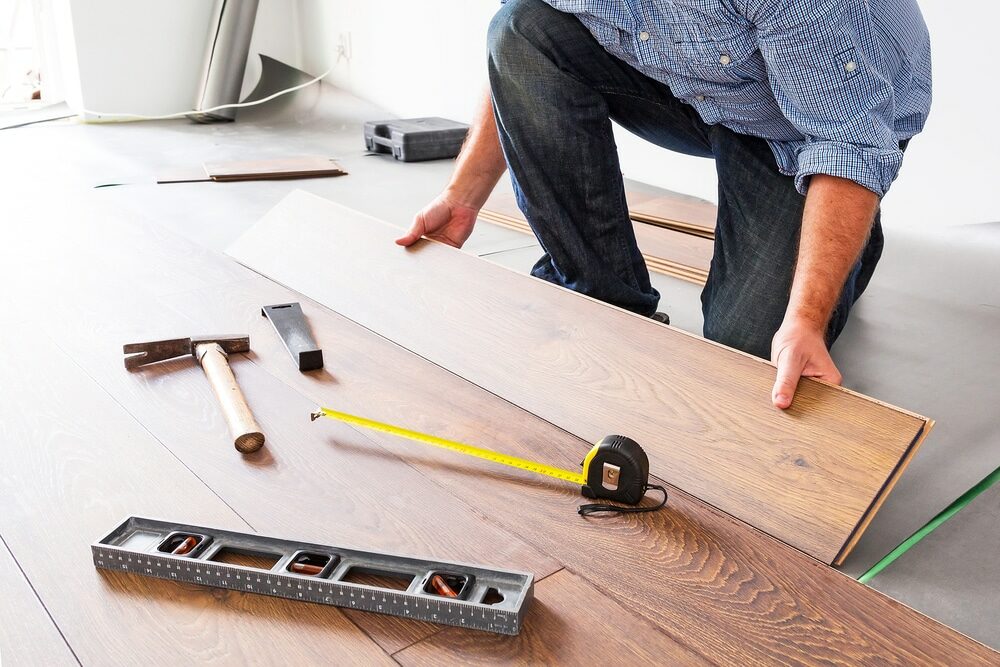
The Environmental Impact of Locking Hardwood Floors
One of the less-discussed benefits of locking hardwood floors is their reduced environmental impact compared to other types of flooring. Because they can be installed without glue, they don’t release volatile organic compounds (VOCs) into the air, improving indoor air quality. Moreover, the ability to disassemble and reinstall locking hardwood floors in another location makes them an environmentally friendly choice. If you decide to renovate or move, the planks can be removed without damaging them or the subfloor, then reinstalled in a new location. This cuts down on waste and reduces the need for new materials.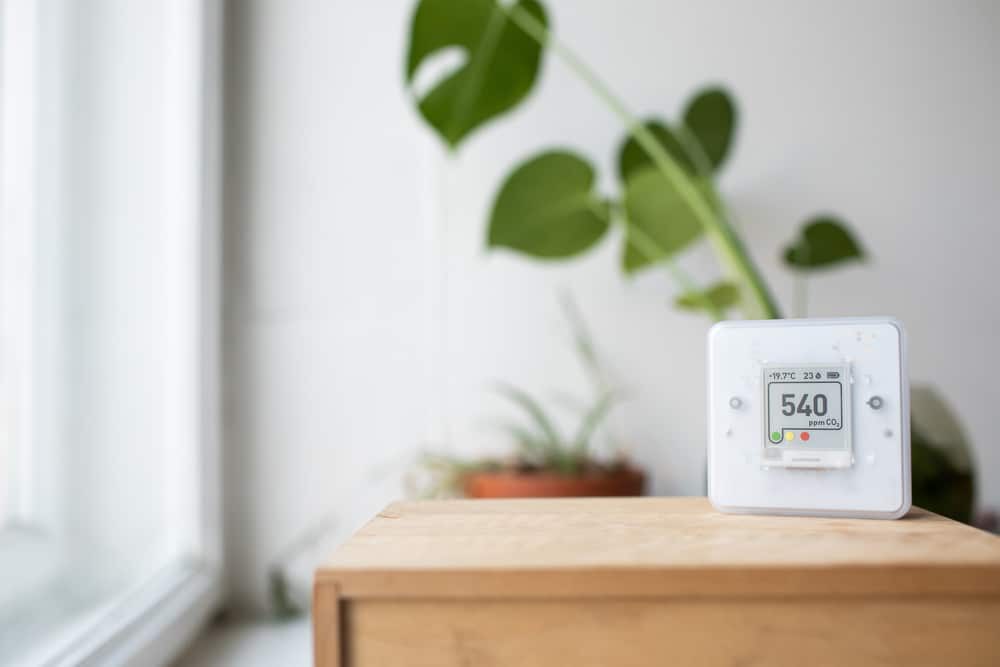
Some Useful Links:
Conclusion
Locking hardwood floors combine the beauty and durability of traditional hardwood with the ease of installation typically associated with laminate or engineered wood flooring. The result is a flooring solution that’s practical, versatile, and aesthetically pleasing. Whether you’re a homeowner looking for a DIY-friendly flooring option, a contractor seeking a reliable and easy-to-install solution, or an eco-conscious consumer aiming to minimise your environmental impact, locking hardwood floors have much to offer. Their unique combination of ease of installation, durability, and style make them a worthy contender for any flooring project. The elegance of hardwood flooring has withstood the test of time, and with the advent of locking systems, this desirable flooring option has become more accessible than ever. So, if you’re considering a new floor, don’t overlook the many benefits of locking hardwood floors—they just might be the perfect fit for your space.More from our Blog:
Demystifying Hardwood Flooring Installation Systems Eco-Friendly Bamboo Flooring: A Sustainable Choice Wood Floor Sanding Essentials – Uncover the Basics of Floor Restoration Advantages of Pre-sanded Hardwood Flooring Explained Laminate Flooring vs. Hardwood: Cost, Durability, Aesthetics How Easy Is To Repair A Hardwood Floor? The Experts Guide


Sanding
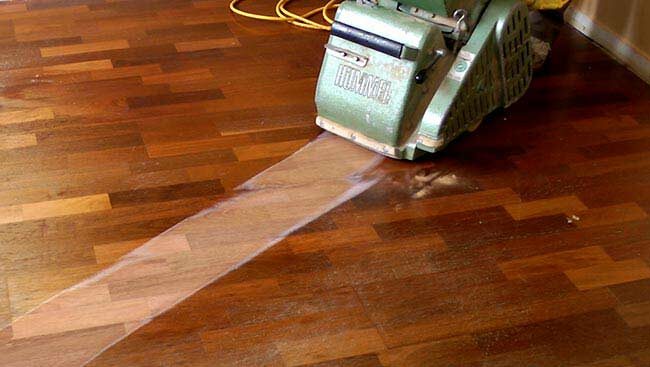
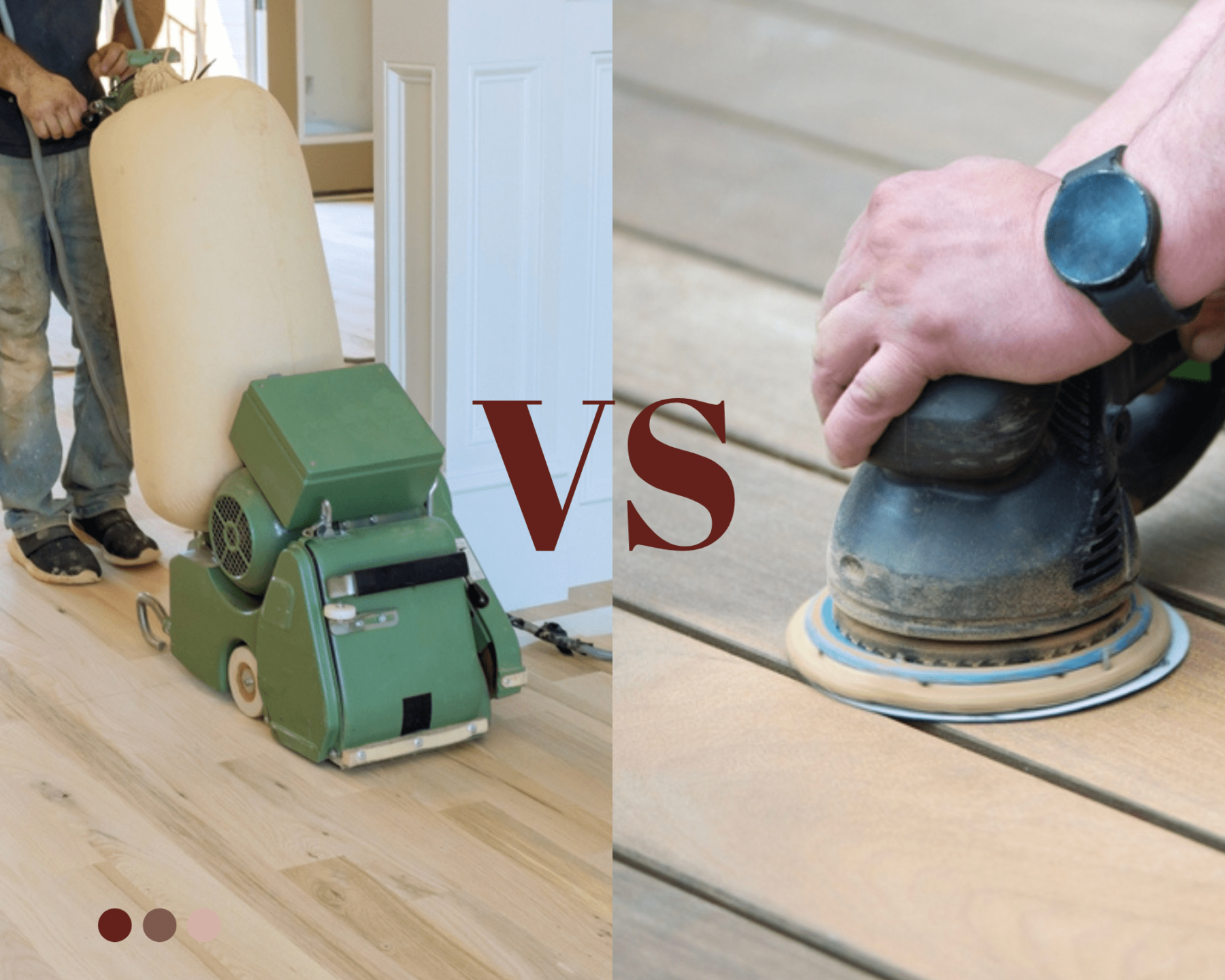
We provide virtually dust-free sanding with our continuous belt machinery with mobile extraction units, giving you a safer environment for your family.

Oiling
This organic finish not only adds beauty to your home but also has exceptional water-repellent characteristics, making it easier to clean and maintain.

Waxing
This natural floor finish offers the softest and most mellow appearance – and leaves your floor able to breath.

Buffing
Using soft buffing machines (and hand-polishing where required) will bring a wonderful sheen to your newly-finished floor.

Repairs
We offer a full assessment of your wooden floors to determine what repairs are needed to provide the perfect working surface for the later stages of sanding, staining and sealing.

Restoration
We offer a comprehensive restoration process designed to address floors that are improperly fitted or damaged over time through wear and tear.
Request a fixed price quote for your wood floor restoration now
Simply enter your postcode below to get started.





Services
Wood Floor Sanding Wood Floor Restoration Wood Floor Scratch Repair Squeaky Wood Floor Repair Parquet Floor Sanding Parquet Floor Restoration Commercial Floor Sanding Church Floor Sanding Community Centre Floor Sanding School Floor Sanding Gap Filling Gap Filling with ResinCopyright © Mr Sander®
Privacy & Cookies Terms & Conditions Complaints Procedure Cancellation Rights Sitemap

Get An Instant Price Estimate Before You Go…
Simply enter the rooms you need sanded and we’ll provide you with a price estimate instantly! Try our price calculator now.
Get a Price Estimate NowLocal Floor Sanding Experts
Over 500 5-Star Reviews
Safe, Dust Free Sanding
Operating Since 1994