London:
Nationwide:


25,000+
Floors Restored

27 Years Experience

Wood Flooring Association Certified
Floating Flooring: What it is, its Benefits, and Installation Guide
Posted on July 12, 2023
News
What is Floating Flooring? A Comprehensive Guide to a Modern Flooring Solution
Introduction
Flooring is a crucial aspect of our homes and workspaces that often goes unnoticed but is essential to the ambiance, comfort, and functionality of our living and working spaces. Today, we explore a flooring option that has recently surged in popularity due to its ease of installation, versatility, and affordability: floating flooring.
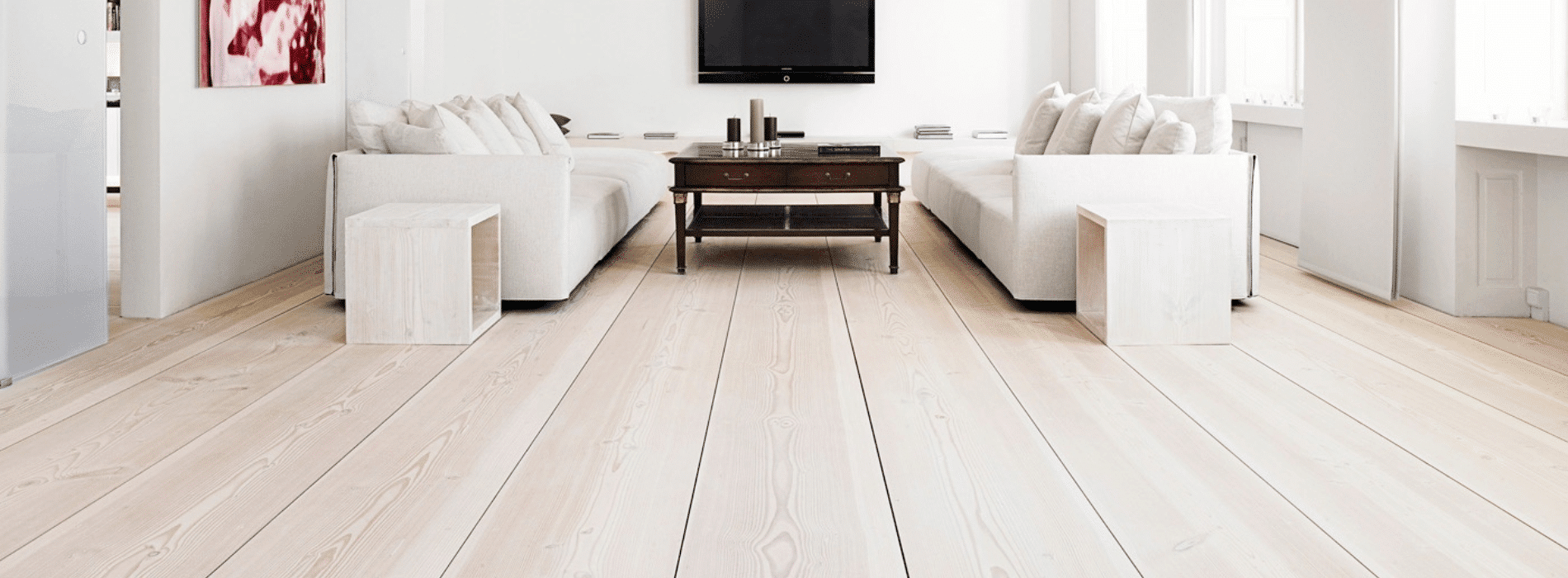
What is Floating Flooring?
Unlike traditional methods of flooring, such as nailed-down hardwood or glued-down tile, floating floors are not directly fastened to the subfloor beneath. They “float” above it, relying on the weight of the floor itself or a locking mechanism to keep them secure. The method of installation makes it possible to install these floors over existing flooring or an uneven subfloor, saving time and resources spent on extensive subfloor preparation.
Types of Floating Flooring
Laminate Flooring
Laminate is a synthetic flooring product made up of several layers. It has a photographic applique layer under a clear protective layer, mimicking the appearance of hardwood or stone. The inner core is typically composed of melamine resin and fiberboard materials. Laminate flooring has gained popularity because of its durability, ease of installation, and cost-effectiveness.
Luxury Vinyl Flooring (LVF)
LVF, also known as Luxury Vinyl Plank (LVP) or Luxury Vinyl Tile (LVT), is another common type of floating flooring. This flooring type is waterproof, making it an ideal choice for areas prone to moisture like bathrooms or kitchens. The realistic textures and patterns can mimic a range of materials, from stone to wood. LVF is also highly durable and resistant to scratches.
Engineered Hardwood
Engineered hardwood is composed of a top veneer of real wood backed by layers of less expensive plywood. This structure provides the look of real hardwood but with more stability and less susceptibility to moisture and heat fluctuations. These properties make it a popular choice among homeowners seeking the look of traditional hardwood without the downsides.
The Advantages of Floating Flooring
Versatility
Floating floors can be installed over nearly any existing floor (with a few exceptions, like carpet), making them incredibly versatile. Their range of styles and materials also means they can mimic almost any look you desire, from rustic hardwood to modern concrete.
Easy Installation
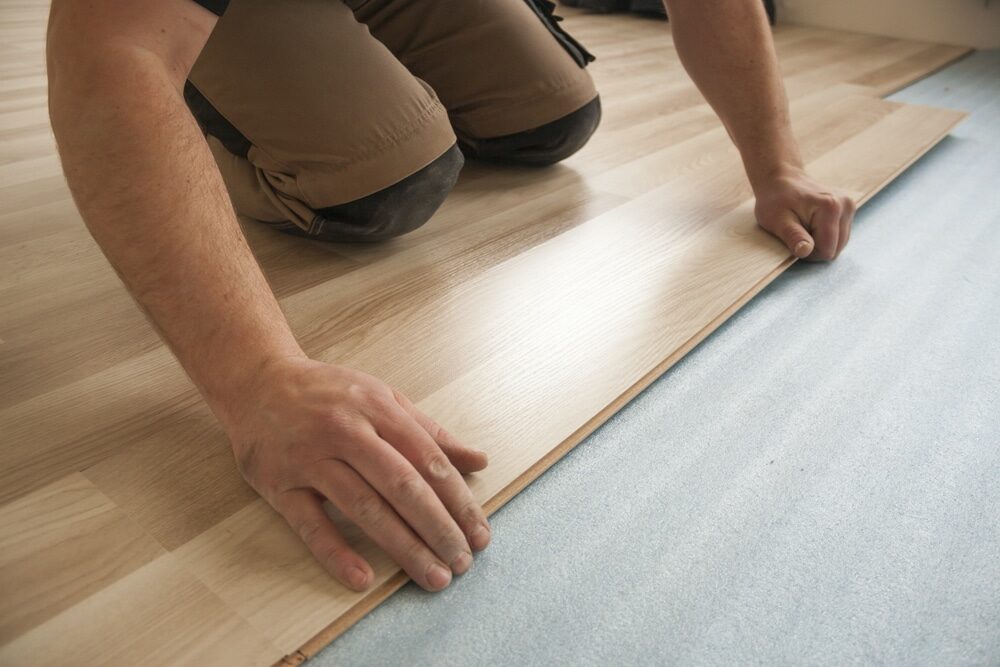
The floating method of installation is relatively straightforward, often making use of a click-lock system. This reduces the need for professional help and can be a fun DIY project for homeowners.
Cost-Effective
Floating floors tend to be more affordable than their traditional counterparts. Plus, since they can be installed over existing flooring, you can save on costs related to subfloor preparation or the removal of old flooring.
Comfort and Insulation
These floors tend to be more comfortable underfoot compared to traditional hard-surface flooring. They also provide better insulation, helping to keep your home warmer in the winter and cooler in the summer.
The Downsides of Floating Flooring
Durability
While floating floors are generally durable, they may not have the longevity of traditional flooring options. Engineered wood and laminate can’t be refinished like solid hardwood, so when they wear out, they have to be replaced.
Resale Value
Although they have improved drastically in quality and appearance, some floating floors might not add the same value to your home as traditional hardwood or tile might.
Water Damage
Although some options, like LVF, are water-resistant, others, like laminate and engineered hardwood, can be severely damaged by prolonged water exposure.
How to Install Floating Flooring
Floating floor installation varies slightly between material types, but the general process remains the same:
- Prepare Your Subfloor: Your subfloor should be clean, dry, and relatively level for the best results.
- Measure and Plan: Calculate the square footage of your space and plan your layout, paying close attention to transitions between rooms and areas.
- Install Underlayment: This is a critical step in insulating your floor and creating a smooth surface for installation.
- Install Your Floating Floor: Following manufacturer instructions, begin laying your floor. Most floating floors will have a system for locking planks or tiles together.
- Install Transitions and Trim: The final step in your installation process will be to install any necessary transition pieces or trim.
Conclusion
Floating flooring is a versatile, affordable, and stylish option for both residential and commercial spaces. Its ease of installation and broad range of options make it a popular choice for many. While it has its drawbacks, such as potential water damage and possibly lower resale value, its advantages often outweigh these concerns for many homeowners.
Before deciding on any type of flooring, consider your lifestyle, your budget, and the specifics of your space. With the right information in hand, you can make a confident decision on whether floating flooring is the right choice for you.
Some Useful Links:
- Floor Sanding Services
- School Floor Sanding
- Wood Floor Restorations
- Wood Floor Repairs
- Wood Floor Polishing
More from our Blog:
The Floor Sanding Company – Frequently Asked Questions Answered Caring for Hardwood Floors: Green Methods Easy and Cost-Effective Ways for Wood Floor Repair Avoid Cowboy Services: Choose the Best Wood Floor Sanding Companies To Sand or Not to Sand: Expert Guide for Your Wood Floor Restoration Energy Considerations for Hardwood Floors: An Efficient Choice

Sanding
We provide virtually dust-free sanding with our continuous belt machinery with mobile extraction units, giving you a safer environment for your family.

Oiling
This organic finish not only adds beauty to your home but also has exceptional water-repellent characteristics, making it easier to clean and maintain.

Waxing
This natural floor finish offers the softest and most mellow appearance – and leaves your floor able to breath.

Buffing
Using soft buffing machines (and hand-polishing where required) will bring a wonderful sheen to your newly-finished floor.

Repairs
We offer a full assessment of your wooden floors to determine what repairs are needed to provide the perfect working surface for the later stages of sanding, staining and sealing.

Restoration
We offer a comprehensive restoration process designed to address floors that are improperly fitted or damaged over time through wear and tear.
Request a fixed price quote for your wood floor restoration now
Simply enter your postcode below to get started.






Services
Wood Floor Sanding Wood Floor Restoration Wood Floor Scratch Repair Squeaky Wood Floor Repair Parquet Floor Sanding Parquet Floor Restoration Commercial Floor Sanding Church Floor Sanding Community Centre Floor Sanding School Floor Sanding Gap Filling Gap Filling with ResinCopyright © Mr Sander®
Privacy & Cookies Terms & Conditions Complaints Procedure Cancellation Rights Sitemap

Get An Instant Price Estimate Before You Go…
Simply enter the rooms you need sanded and we’ll provide you with a price estimate instantly! Try our price calculator now.
Get a Price Estimate NowLocal Floor Sanding Experts
Over 500 5-Star Reviews
Safe, Dust Free Sanding
Operating Since 1994