London:
Nationwide:


25,000+
Floors Restored

27 Years Experience

Wood Flooring Association Certified
Discover Your Floor Finish: Oil, Wax, or Lacquer? Expert Tips for Accurate Identification
Posted on April 17, 2023
Blog
Your floor’s finish plays a significant role in both its appearance and durability.
There are three primary types of finishes: oil, hardwax, and lacquer. Each offers distinct benefits and drawbacks, and understanding the differences between them can help you make informed decisions about the best finish for your home or workspace. In this comprehensive guide, we’ll delve into the characteristics of oil, wax, and lacquer finishes, as well as discuss how to identify which finish is on your floor.
Oil Finish
Oil finishes are popular for their natural, matte appearance and their ability to enhance the wood’s texture and grain. There are several types of oil finishes, including natural oil, hardwax oil, and UV oil.
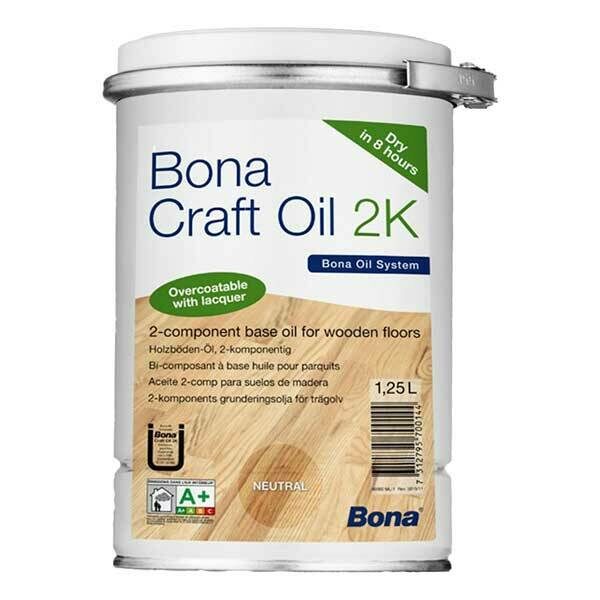
A. Characteristics of Oil Finishes
i. Natural, matte appearance: oil finishes have a low sheen, providing a warm and natural look to the wood.
ii. Enhanced grain and texture: The oil penetrates the wood, emphasising its natural grain and texture.
iii. Easy spot repairs: Scratches and minor damage can be repaired easily by applying oil to the affected area.
iv. Requires regular maintenance: Oil finishes need periodic reapplication to maintain their appearance and protection.
B. Identifying an Oil Finish
i. Appearance: Check for a matte or low-sheen appearance that highlights the wood’s natural grain and texture.
ii. Water droplets test: Place a few droplets of water on the floor. If the water beads up and doesn’t soak in after a few minutes, it’s likely not an oil finish.
iii. Touch test: Gently rub your hand over the floor. If it feels warm and smooth, it’s likely an oil finish.
Wax & Hardwax Finish
Wax finishes have been used for centuries and are valued for their natural, warm appearance and ease of application. Paste wax and liquid wax are the two main types of wax finishes.
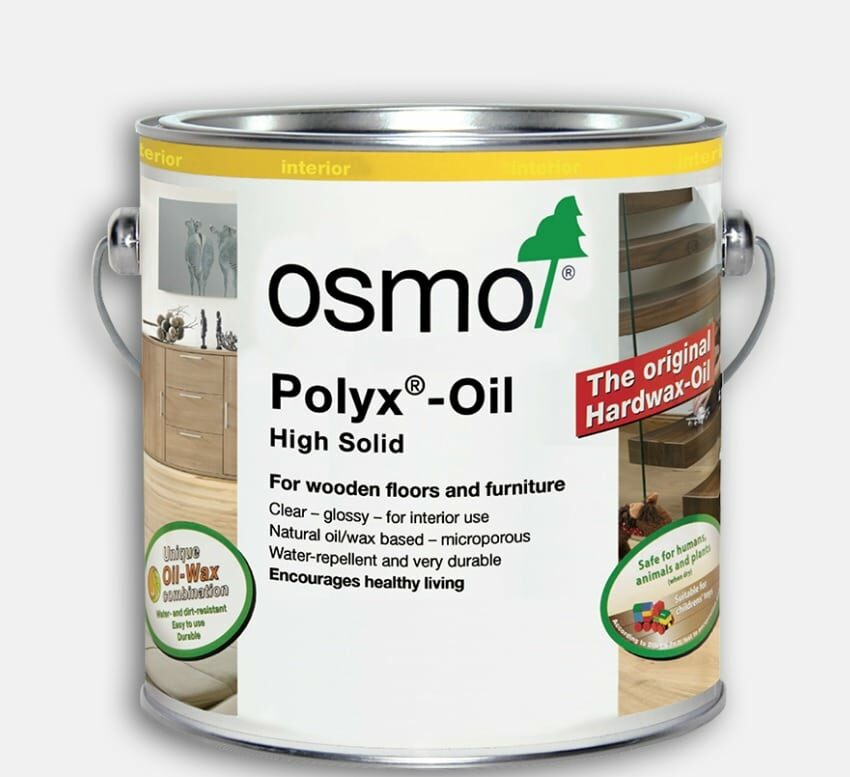
A. Characteristics of Hardwax Finishes
I. Warm, soft appearance: Hardwax finishes offer a soft sheen that enhances the wood’s natural warmth.
ii. Easy application and spot repairs: Wax can be applied easily and quickly, making spot repairs straightforward.
iii. Requires regular maintenance: Wax finishes need to be reapplied frequently, typically every six to twelve months, to maintain their appearance and protection.
iv. Less durable than oil or lacquer finishes: Wax finishes are more susceptible to wear and tear, making them less suitable for high-traffic areas.
B. Identifying a Wax Finish
i. Appearance: Look for a soft, warm sheen that brings out the wood’s natural colour and warmth.
ii. Water droplets test: Place a few droplets of water on the floor. If the water soaks in quickly, it’s likely a wax finish.
iii. Touch test: Gently rub your hand over the floor. If it feels slightly waxy and has a soft sheen, it’s likely a wax finish.
Lacquer Finish
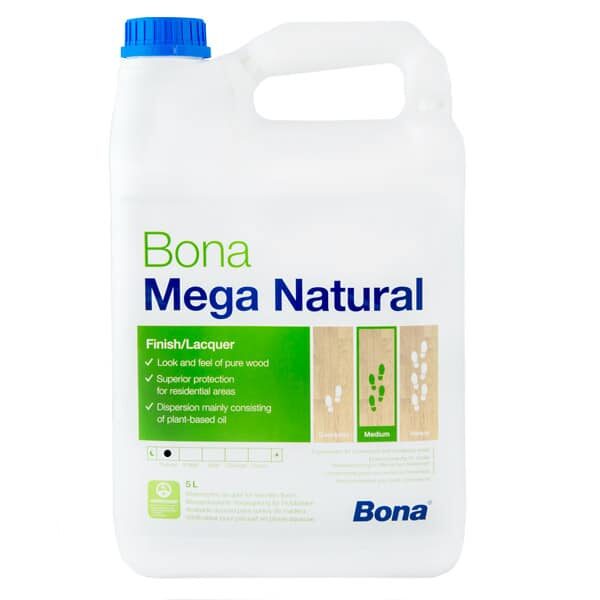
Lacquer finishes are known for their durability, high sheen, and protective qualities. They create a hard, protective film on the wood’s surface, making them suitable for high-traffic areas. There are various types of lacquer finishes, including water-based, solvent-based, and polyurethane lacquers.
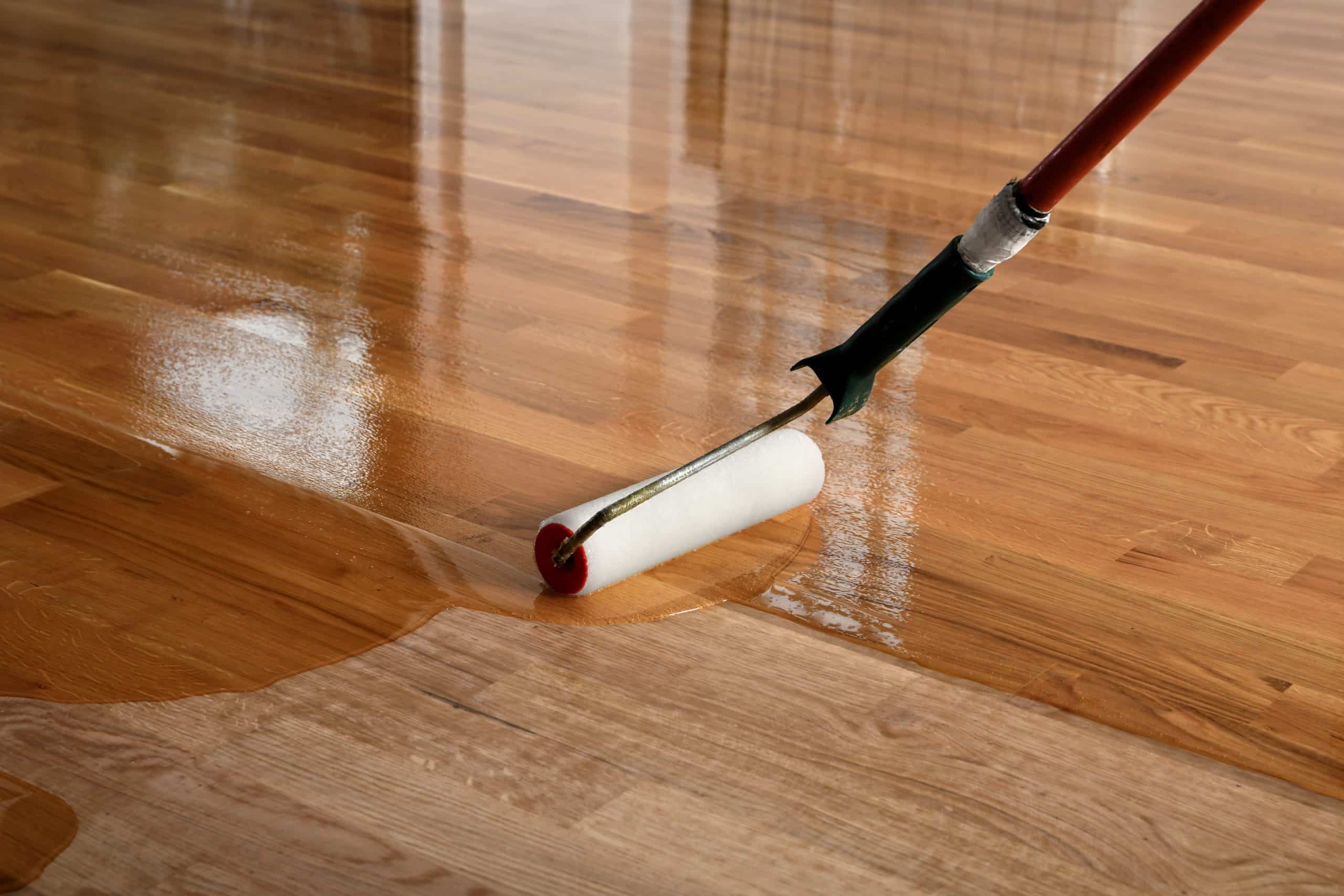
A. Characteristics of Lacquer Finishes
i. High sheen: Lacquer finishes can range from semi-gloss to high gloss, providing a sleek and modern appearance.
ii. Long-lasting and protective:
Lacquer finishes’ hard film shields the wood from dings, scratches, and moisture.
iii. Less frequent maintenance: lacquer finishes require less maintenance than oil or wax finishes, typically needing recoating.
Some Useful Links:
Conclusion
Understanding the differences between oil, wax, and lacquer finishes is crucial when it comes to maintaining and caring for your floors. Each finish offers unique benefits and drawbacks, with oil and wax finishes providing a warm, natural appearance, while lacquer finishes deliver durability and a high sheen. By identifying the type of finish on your floor, you can ensure you are using the appropriate cleaning and maintenance methods to protect and prolong the life of your flooring. This comprehensive guide has provided you with the tools to recognise the finish on your floor and make informed decisions about which finish best suits your needs and preferences. With this knowledge, you can enjoy beautiful, well-maintained floors for years to come.
More from our Blog:
How to sand and varnish a wood floor in London
How to Clean Laminate Flooring



Sanding
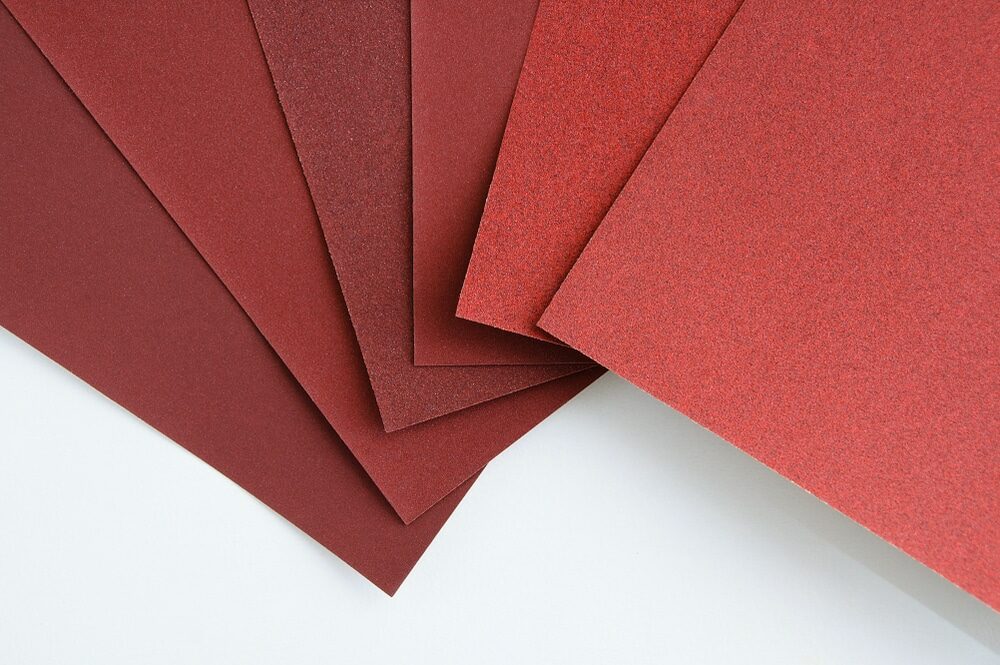
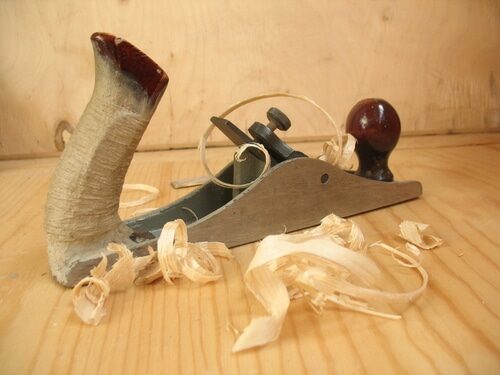
We provide virtually dust-free sanding with our continuous belt machinery with mobile extraction units, giving you a safer environment for your family.
Oiling
This organic finish not only adds beauty to your home but also has exceptional water-repellent characteristics, making it easier to clean and maintain.

Waxing
This natural floor finish offers the softest and most mellow appearance – and leaves your floor able to breath.

Buffing
Using soft buffing machines (and hand-polishing where required) will bring a wonderful sheen to your newly-finished floor.

Repairs
We offer a full assessment of your wooden floors to determine what repairs are needed to provide the perfect working surface for the later stages of sanding, staining and sealing.

Restoration
We offer a comprehensive restoration process designed to address floors that are improperly fitted or damaged over time through wear and tear.
Request a fixed price quote for your wood floor restoration now
Simply enter your postcode below to get started.





Services
Wood Floor Sanding Wood Floor Restoration Wood Floor Scratch Repair Squeaky Wood Floor Repair Parquet Floor Sanding Parquet Floor Restoration Commercial Floor Sanding Church Floor Sanding Community Centre Floor Sanding School Floor Sanding Gap Filling Gap Filling with ResinCopyright © Mr Sander®
Privacy & Cookies Terms & Conditions Complaints Procedure Cancellation Rights Sitemap

Get An Instant Price Estimate Before You Go…
Simply enter the rooms you need sanded and we’ll provide you with a price estimate instantly! Try our price calculator now.
Get a Price Estimate NowLocal Floor Sanding Experts
Over 500 5-Star Reviews
Safe, Dust Free Sanding
Operating Since 1994