London:
Nationwide:


25,000+
Floors Restored

27 Years Experience

Wood Flooring Association Certified
Ultimate Guide to Wood Floor Maintenance | Keep Your Floors Gleaming
Posted on May 21, 2023
Articles
A Comprehensive Troubleshooting Guide for Keeping Wood Floors Beautiful
There’s no denying the warmth and beauty that wood floors bring to a home. They exude an inviting charm and a timeless elegance that few other flooring materials can match. However, maintaining these floors in optimal condition can sometimes be challenging. This blog post will guide you through the troubleshooting process for common wood floor problems, offering insights and tips to keep your floor looking beautiful for years.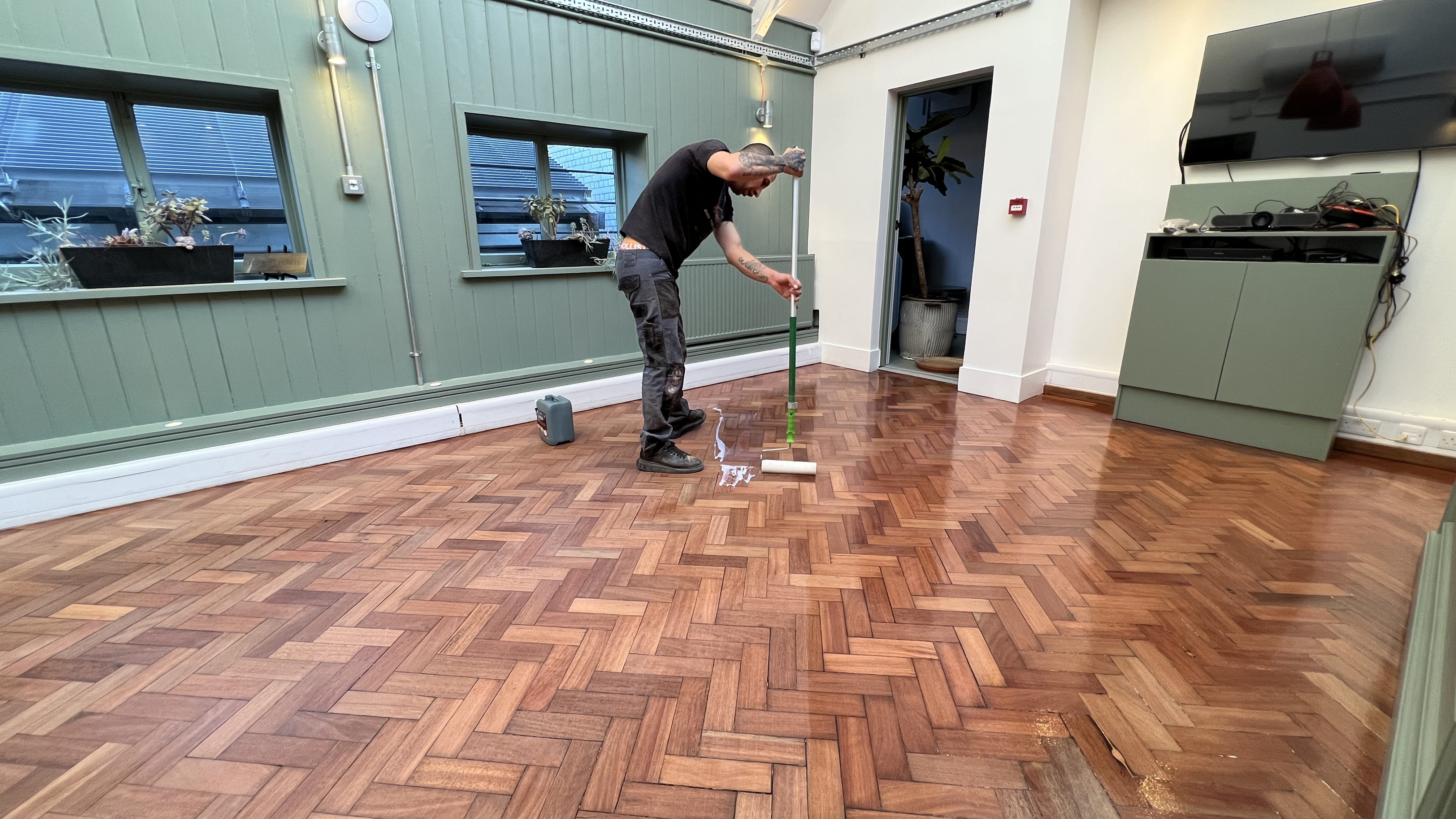
Introduction to Wood Floor Maintenance
The key to preserving the beauty of your wood floor lies in consistent and effective maintenance. It involves regular cleaning, dealing promptly with spills and scratches, and knowing when it’s time for professional intervention. Although wood floors are built to last, they’re susceptible to damage from daily wear and tear, moisture, and temperature changes. The following sections provide a comprehensive guide to dealing with these issues.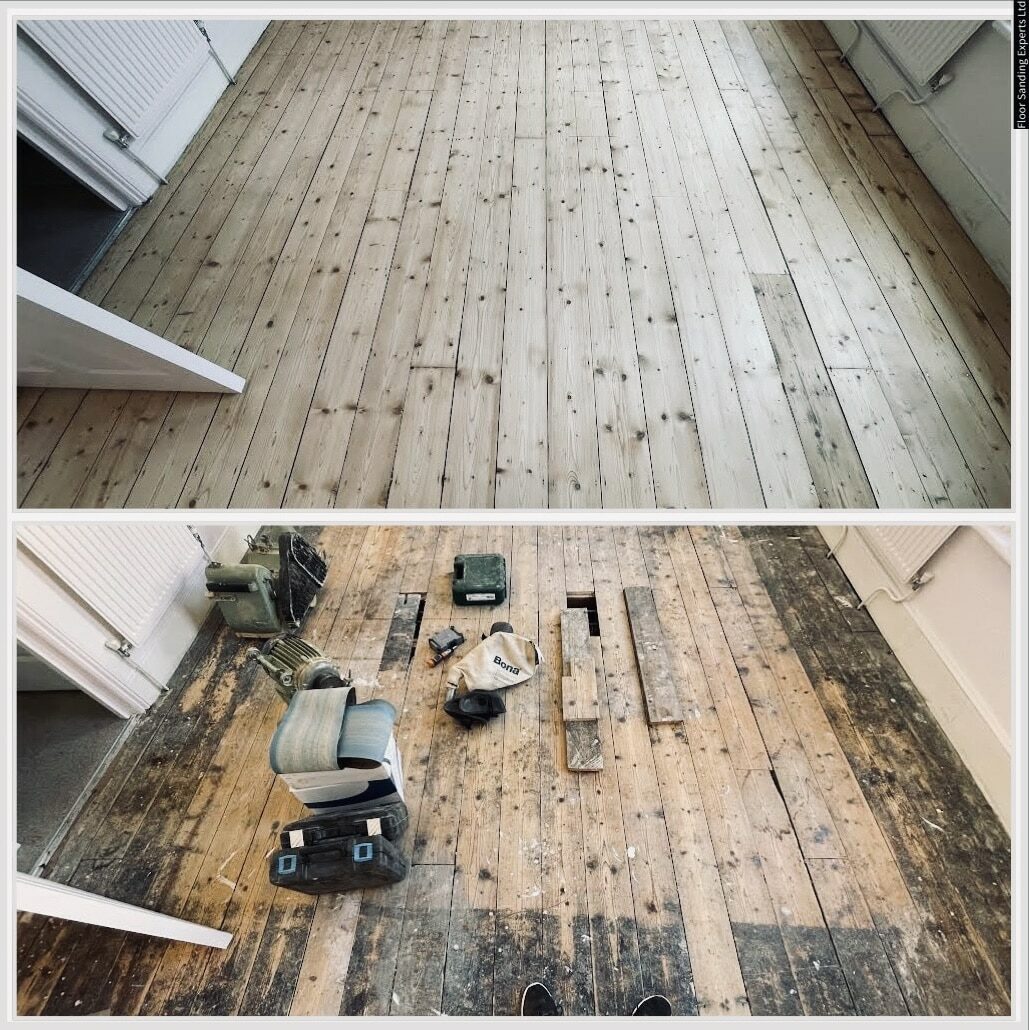
Common Problems and Solutions
Scratches and dents
These are perhaps the most common issues that homeowners face with wood flooring. They can occur due to furniture movement, pet claws, high heels, or general traffic. Prevention Tips: Place protective pads under furniture legs; keep pet nails trimmed; avoid wearing high heels on wood floors; and use rugs or mats in high-traffic areas. Troubleshooting: A touch-up kit matching your floor’s color can work wonders for minor scratches. Wood filler can be used for deeper scratches and dents, then sanding and refinishing.Water Damage
Wood and water are natural enemies. Excessive moisture can cause wood floors to warp, stain, or even grow mold. Prevention Tips: Wipe up any spills immediately. Avoid using excessive water when cleaning, and keep the humidity level in your home between 35 and 55% to prevent warping or swelling. Troubleshooting: For minor water stains, you can often sand, bleach, and refinish the affected area. However, severe water damage may require replacing the damaged boards and refinishing the surrounding area to match the existing floor.Gaps and cracks
Wood floors can develop gaps or cracks due to changes in temperature and humidity, causing boards to shrink or expand. Prevention Tips: Maintain a stable indoor climate year-round. Avoid drastic temperature changes and use a humidifier or dehumidifier as necessary. Troubleshooting: Small seasonal gaps are typical and will likely close up during more humid months. However, persistent or significant gaps may require professional attention, potentially including the reinstallation or replacement of boards.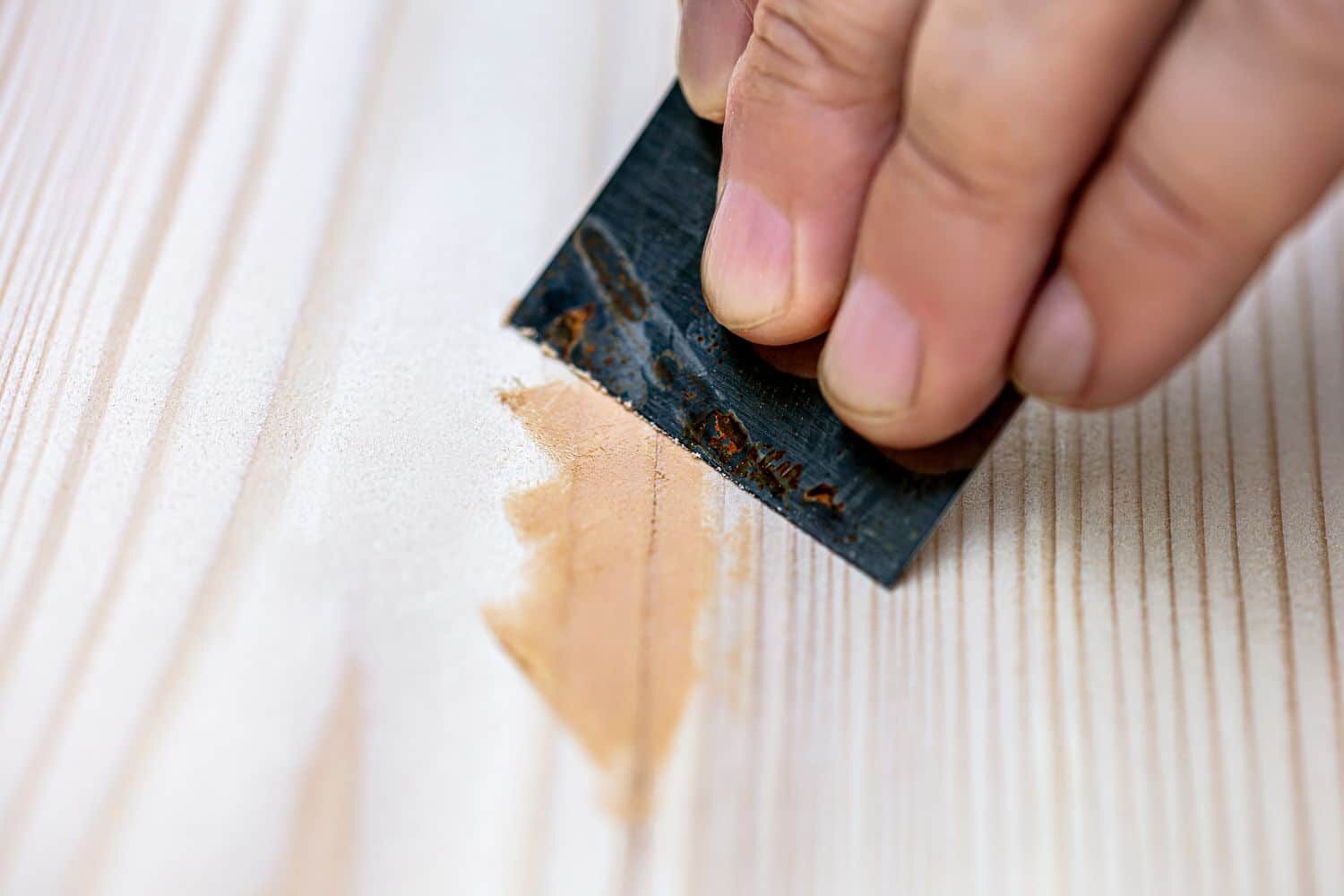
Cleaning and Maintenance Routine
Daily Care
Regular sweeping or vacuuming will keep your floors free of dust, dirt, and grit that can scratch the surface. Be sure to use a soft-bristle broom or a vacuum for hardwood floors to avoid damage.Weekly Cleaning
Use a damp mop with a pH-neutral wood floor cleaner to clean your floors. Avoid excessive water, and dry the floor immediately after mopping to prevent moisture damage.Periodic Maintenance
Over time, the finish on your wood floors may start to look dull. You can bring back the shine with a professional-quality wood floor restorer. Depending on the level of traffic, you may also need to consider periodic sanding and refinishing.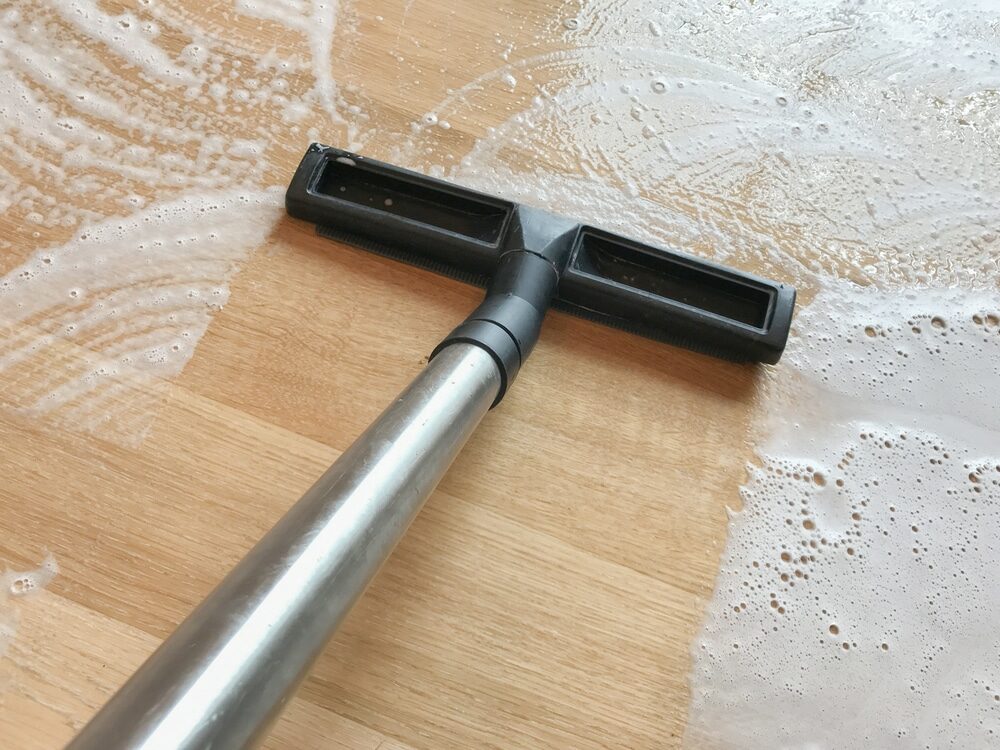
When to call a professional
Sometimes, your wood floor may need professional attention despite your best efforts. This can include severe water damage, significant gaps or warping, deep scratches or gouges, or when the floor’s finish is significantly worn.
Conclusion
Wood flooring is a long-term investment that can last for generations with proper care and maintenance. Although issues like scratches, dents, water damage, and gaps can occur, with the right approach, you can quickly troubleshoot these problems, preserving the beauty and longevity of your floor. This guide should give you the knowledge to keep your wood floors looking their best. Remember that prevention is the best strategy, so invest time in regular maintenance and careful use of your floors to avoid potential problems. Use protective measures such as rugs and furniture pads, keep the indoor climate stable, and have a proper cleaning routine in place. But when trouble strikes, don’t panic. Many common problems can be remedied with elbow grease and suitable materials. For more severe issues, don’t hesitate to call in professionals. After all, your wood floors are a precious part of your home; sometimes, professional expertise can go a long way in preserving their splendor. Your wood floors are more than just a surface; they reflect your taste and a part of your home’s soul. They deserve care, attention, and respect. With this troubleshooting guide in your back pocket, you should be well-equipped to give your wood floors the care they deserve. So, here’s to beautiful wood floors! Whether they’re shining in the summer sun or providing a cozy surface on a cold winter night, may they always bring beauty, warmth, and charm to your home. Keep them gleaming, troubleshoot swiftly, and your wood floors will reward you with a lifetime of service.Some Useful Links:
- Stairs Sanding & Refinishing
- Floor Sanding Services
- School Floor Sanding
- Wood Floor Restorations
- Wood Floor Repairs
- Wood Floor Polishing
More from our Blog:
The Ultimate Guide to Refreshing Wood Flooring in Your London Home DIY Guide: Filling Gaps in Wood Floors to Restore Their Beauty Engineered Wood Floor Installation in London Homes at Mr Sander® How to Install a Solid Bamboo Floor: A Step-by-Step Guide Wood Floor Sanding Machines: Your Comprehensive Guide for Restoration Success



Sanding
We provide virtually dust-free sanding with our continuous belt machinery with mobile extraction units, giving you a safer environment for your family.

Oiling
This organic finish not only adds beauty to your home but also has exceptional water-repellent characteristics, making it easier to clean and maintain.

Waxing
This natural floor finish offers the softest and most mellow appearance – and leaves your floor able to breath.

Buffing
Using soft buffing machines (and hand-polishing where required) will bring a wonderful sheen to your newly-finished floor.

Repairs
We offer a full assessment of your wooden floors to determine what repairs are needed to provide the perfect working surface for the later stages of sanding, staining and sealing.

Restoration
We offer a comprehensive restoration process designed to address floors that are improperly fitted or damaged over time through wear and tear.
Request a fixed price quote for your wood floor restoration now
Simply enter your postcode below to get started.






Services
Wood Floor Sanding Wood Floor Restoration Wood Floor Scratch Repair Squeaky Wood Floor Repair Parquet Floor Sanding Parquet Floor Restoration Commercial Floor Sanding Church Floor Sanding Community Centre Floor Sanding School Floor Sanding Gap Filling Gap Filling with ResinCopyright © Mr Sander®
Privacy & Cookies Terms & Conditions Complaints Procedure Cancellation Rights Sitemap

Get An Instant Price Estimate Before You Go…
Simply enter the rooms you need sanded and we’ll provide you with a price estimate instantly! Try our price calculator now.
Get a Price Estimate NowLocal Floor Sanding Experts
Over 500 5-Star Reviews
Safe, Dust Free Sanding
Operating Since 1994