London:
Nationwide:


25,000+
Floors Restored

27 Years Experience

Wood Flooring Association Certified
Wood Floor Sanding Machines | Mr Sander®
Posted on May 20, 2023
Articles
Wood Floor Sanding Machines: Your Comprehensive Guide for Restoration Success
Wood floors are an elegant addition to any home. However, they may lose their initial luster over time due to daily wear and tear. One of the most effective ways to restore them is by sanding, which requires specialized machines. This comprehensive guide will walk you through the different types of wood floor sanding machines available in 2023 and how to use them effectively.
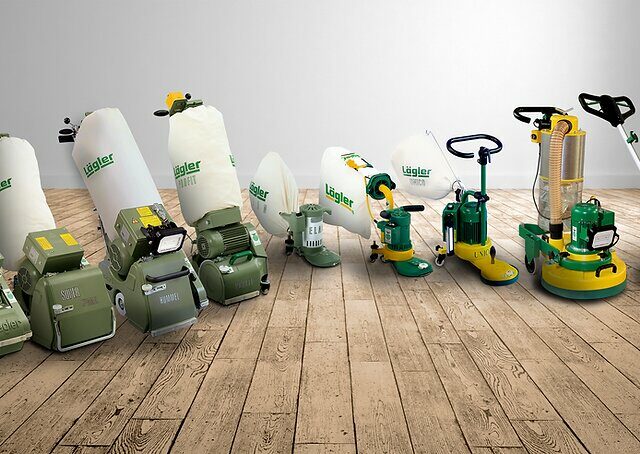
1. Understanding Wood Floor Sanding
Before we delve into the machines themselves, it’s crucial to understand the processes they are used for. Wood floor sanding removes the top surfaces of a wooden floor with abrasive materials, typically sandpaper. The purpose is to smooth the surface and prepare it for finishing, restoring the floor’s original beauty.
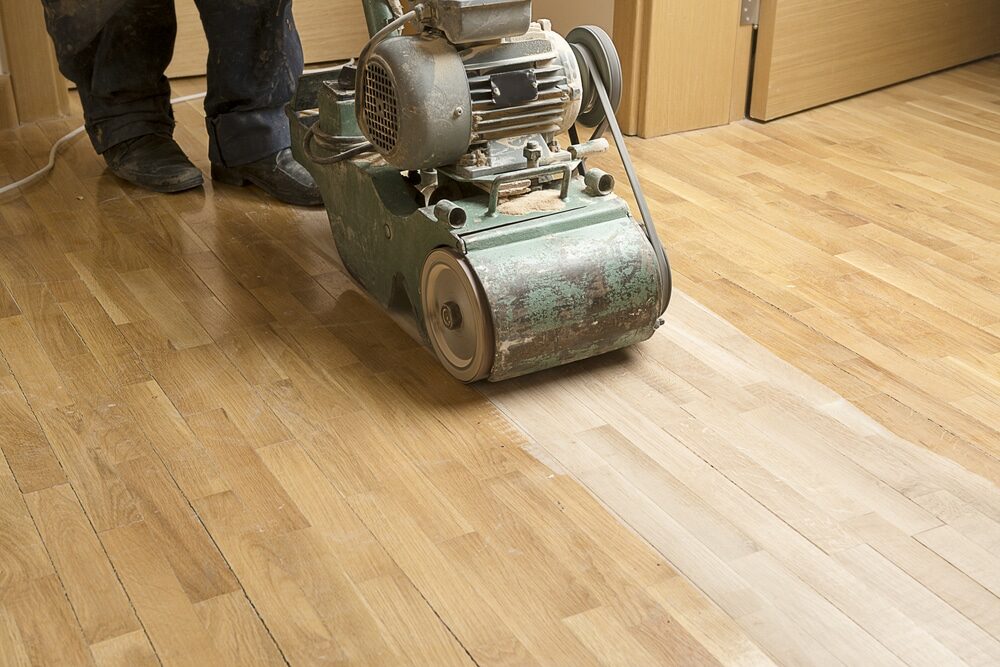
2. Different Types of Wood Floor Sanding Machines
Several types of sanding machines are designed specifically for wood floors. Each comes with unique features and is best suited for particular jobs. Here are the most common types:
- Drum Sanders: These heavy-duty machines are perfect for large, open areas. They use a rotating drum wrapped in sandpaper to remove the top layer of the wood floor. While highly effective, they require careful handling to avoid causing dips and gouges on the floor.
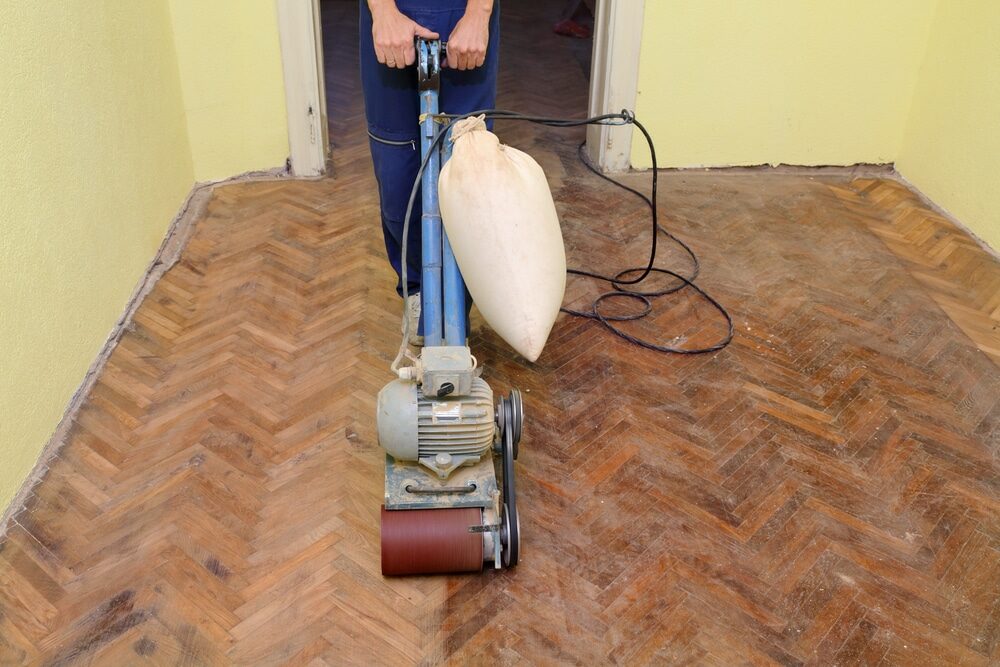
- Belt Sanders: Like drum sanders, belt sanders also work well for large spaces. The main difference is that instead of a rotating drum, they use a continuous loop, or belt, of sandpaper to sand the floor. Belt sanders are generally easier to control than drum sanders, making them suitable for DIY enthusiasts.
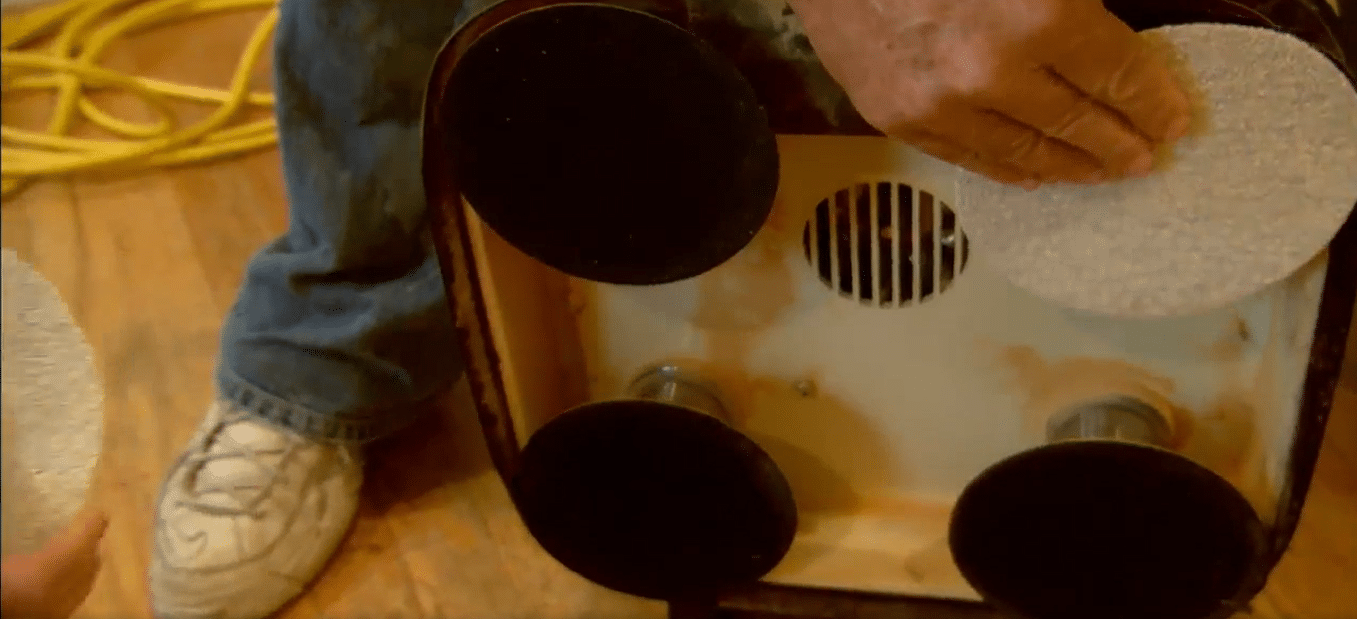
- Orbital Sanders: These are excellent for smaller or harder-to-reach areas, like corners, stairs, or around door frames. They use a round sanding pad that moves in tiny orbits, hence the name. This orbital motion reduces the risk of damaging the floor by sanding against the grain.
- Edgers: These are handheld machines designed for sanding along the edges of a room where larger sanders can’t reach. They typically have a disc-shaped sanding pad and are very maneuverable.
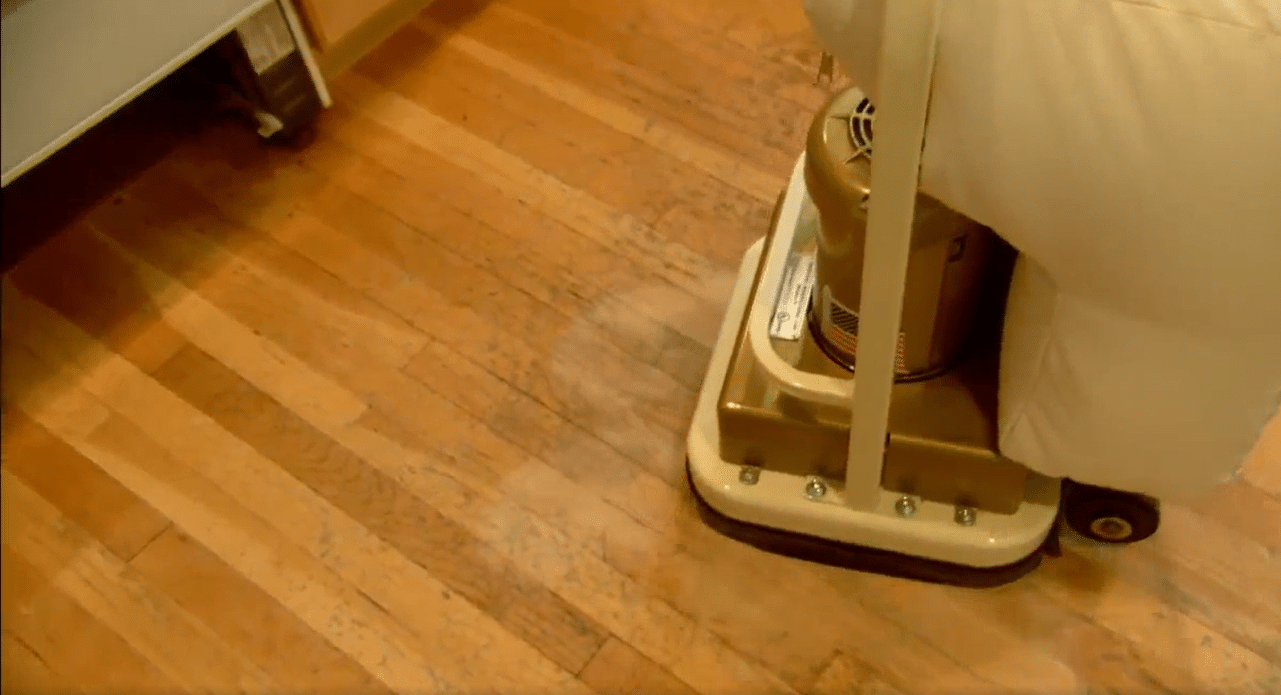
- Buffer Sanders: Also known as rotary sanders, these are mainly used for the final stages of sanding or for buffing the finish. They employ a circular, rotating motion and are excellent for smoothing out minor imperfections left by the earlier sanding stages.
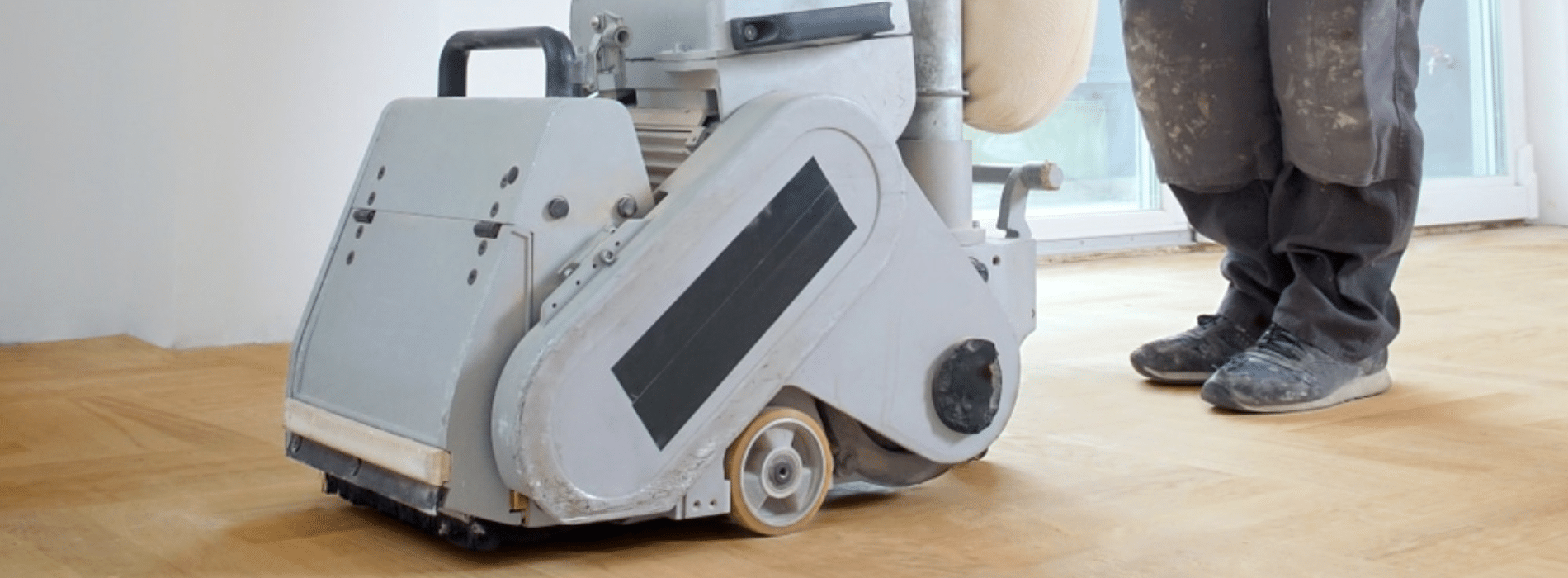
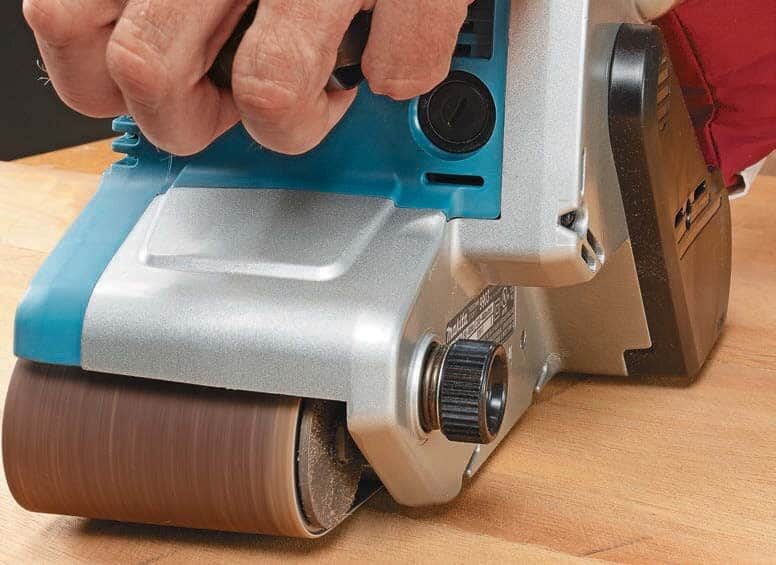

3. Choosing the Right Wood Floor Sanding Machine
Choosing a suitable sanding machine can feel overwhelming with so many options. Here are some factors to consider:
- The Size and Layout of Your Space: A drum or belt sander will be most efficient for large, open rooms. An orbital sander and an edger would be more suitable for smaller spaces or rooms with many corners or obstacles.
- Your Skill Level: If you’re new to wood floor sanding, you might want to steer clear of drum sanders, as they can be challenging to control. Belt sanders or orbital sanders can be more forgiving for beginners.
- The Condition of Your Floor: If your floor has deep scratches or significant damage, you might need the power of a drum or belt sander. An orbital sander or buffer would suffice for floors with minor blemishes or for finishing work.
4. How to Use a Wood Floor Sanding Machine
Regardless of the type of sanding machine you choose, there are some general rules to follow:
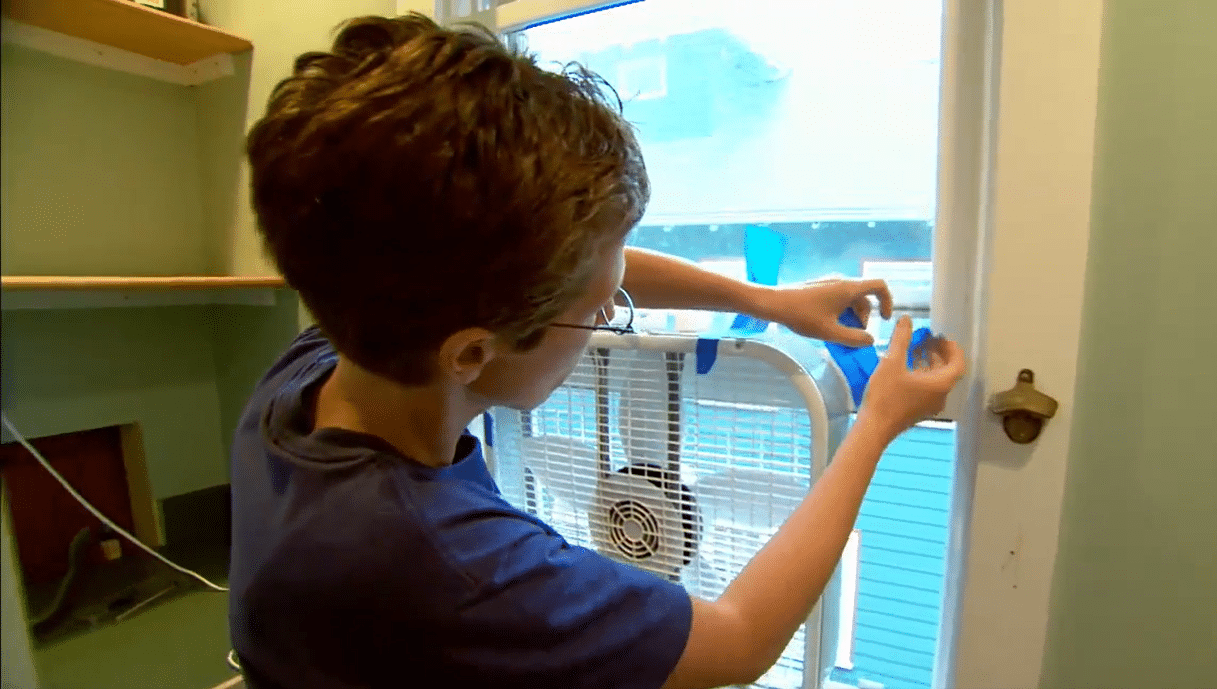
- Safety First: Always wear protective gear, including safety goggles, ear protection, and a dust mask.
- Prepare the area: Remove all furniture and clean the floor thoroughly to remove any dirt or debris. Make sure there are no protruding nails or screws.
- Start with a Coarser Grit: To remove the old finish and major imperfections, begin with a coarser grit. Gradually move to finer grits to smooth the floor.
Move with the grain: Always sand toward the wood grain. Going against the grain can cause scratches and damage to the wood.
Keep the Sander Moving: Never leave a running sander stationary in one spot, as this can cause depressions in the floor.
Inspect Your Work: After each pass with the sander, inspect your work to ensure a smooth, even finish.
5. Maintaining Your Wood Floor Sanding Machine
Proper maintenance of your sanding machine is essential for its longevity and effectiveness. Regularly check the sandpaper for wear and replace it as necessary. Clean the machine after each use to prevent dust and debris from clogging its mechanisms. For rented machines, follow the provider’s maintenance guidelines.
6. When to Call a Professional
While DIY floor sanding can be rewarding, it isn’t for everyone. It’s a physically demanding task that requires skill and patience. It might be best to hire a professional if you’re unsure about handling the machines or if your floors are severely damaged. They have the knowledge and experience to handle complex jobs and achieve a flawless finish.
7. The Evolution of Wood Floor Sanding Machines
Over the years, the design and functionality of wood floor sanding machines have evolved significantly. Modern machines are more user-friendly and efficient and offer better dust extraction capabilities than their older counterparts. Some models even come with variable speed controls, allowing you to customize the sanding process to your needs.
Conclusion
Wood floor sanding machines are a crucial part of restoring the beauty of your wooden floors. Whether you’re embarking on a DIY project or want to understand the process better, knowing about the different machines and how to use them can be invaluable.
Remember that while the machines do the heavy lifting, achieving a beautifully restored wood floor requires time, patience, and attention to detail. Consider your skill level, the condition of your floor, and the size and layout of your space when deciding whether to do the job yourself or hire a professional.
With the right tools and techniques, your worn-out wood floor can once again become a stunning feature of your home. Remember, a beautifully maintained wooden floor enhances your living space and adds to your property’s value.
Some Useful Links:
- Stairs Sanding & Refinishing
- Floor Sanding Services
- School Floor Sanding
- Wood Floor Restorations
- Wood Floor Repairs
- Wood Floor Polishing
More from our Blog:
Revamp Your Home with Professional Floor Sanding Services in London DIY Wood Floor Installation: Step-by-Step Guide for Homeowners Wood Floors | How to Maintain Your Wooden Flooring Top Hardwood Floor Innovations 2023 | Future of Sustainable Interior Design Wooden Stairs and Banisters Sanding: Mr Sander®, London


Sanding
We provide virtually dust-free sanding with our continuous belt machinery with mobile extraction units, giving you a safer environment for your family.

Oiling
This organic finish not only adds beauty to your home but also has exceptional water-repellent characteristics, making it easier to clean and maintain.

Waxing
This natural floor finish offers the softest and most mellow appearance – and leaves your floor able to breath.

Buffing
Using soft buffing machines (and hand-polishing where required) will bring a wonderful sheen to your newly-finished floor.

Repairs
We offer a full assessment of your wooden floors to determine what repairs are needed to provide the perfect working surface for the later stages of sanding, staining and sealing.

Restoration
We offer a comprehensive restoration process designed to address floors that are improperly fitted or damaged over time through wear and tear.
Request a fixed price quote for your wood floor restoration now
Simply enter your postcode below to get started.






Services
Wood Floor Sanding Wood Floor Restoration Wood Floor Scratch Repair Squeaky Wood Floor Repair Parquet Floor Sanding Parquet Floor Restoration Commercial Floor Sanding Church Floor Sanding Community Centre Floor Sanding School Floor Sanding Gap Filling Gap Filling with ResinCopyright © Mr Sander®
Privacy & Cookies Terms & Conditions Complaints Procedure Cancellation Rights Sitemap

Get An Instant Price Estimate Before You Go…
Simply enter the rooms you need sanded and we’ll provide you with a price estimate instantly! Try our price calculator now.
Get a Price Estimate NowLocal Floor Sanding Experts
Over 500 5-Star Reviews
Safe, Dust Free Sanding
Operating Since 1994