London:
Nationwide:


25,000+
Floors Restored

27 Years Experience

Wood Flooring Association Certified
Solving Hardwood Floor Problems: A Guide to Deciding Between Replacement and Salvage
Posted on June 19, 2023
Articles
Solving Hardwood Floor Problems: A Guide to Deciding Between Replacement and Salvage
Hardwood floors are a classic and desirable feature in any home, bringing warmth, character, and value. However, like any element of a house, they can suffer from wear and tear over time, leading to a variety of maintenance issues. When faced with these issues, homeowners often find themselves wondering whether it’s better to replace or salvage their hardwood floors. This guide will help you understand when each option is the best course of action.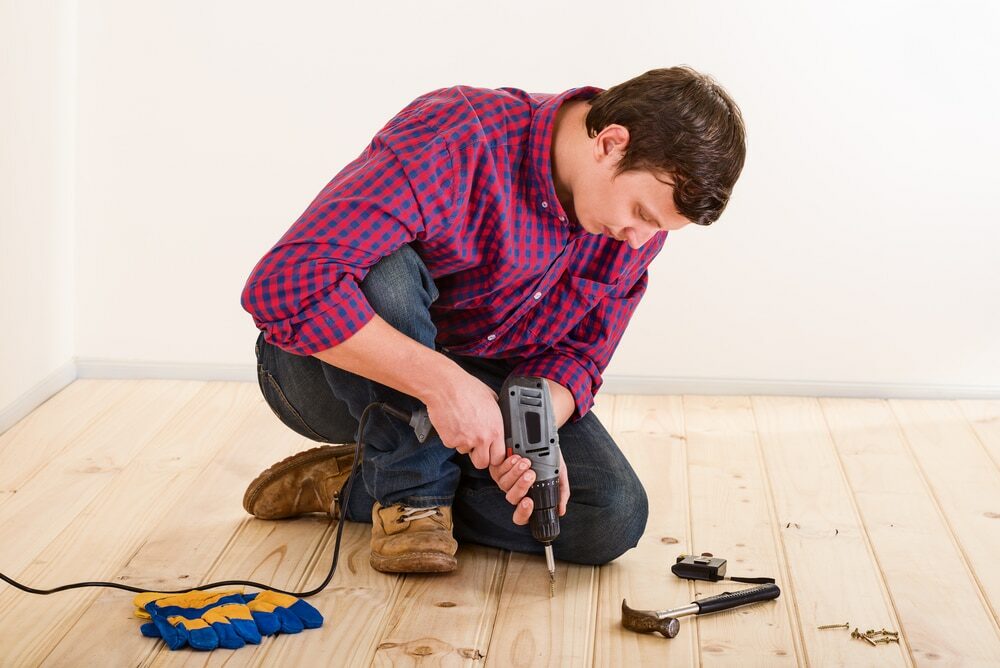
Understanding the Durability of Hardwood Floors
One of the most appealing aspects of hardwood floors is their longevity. When properly cared for, hardwood floors can last for decades—and in some cases, even centuries. Part of this longevity comes from the fact that hardwood floors can be refinished multiple times, allowing homeowners to remove surface damage and restore the floors’ original lustre. However, hardwood floors aren’t invincible. Over time, they can develop problems that require more than a simple refinishing to fix.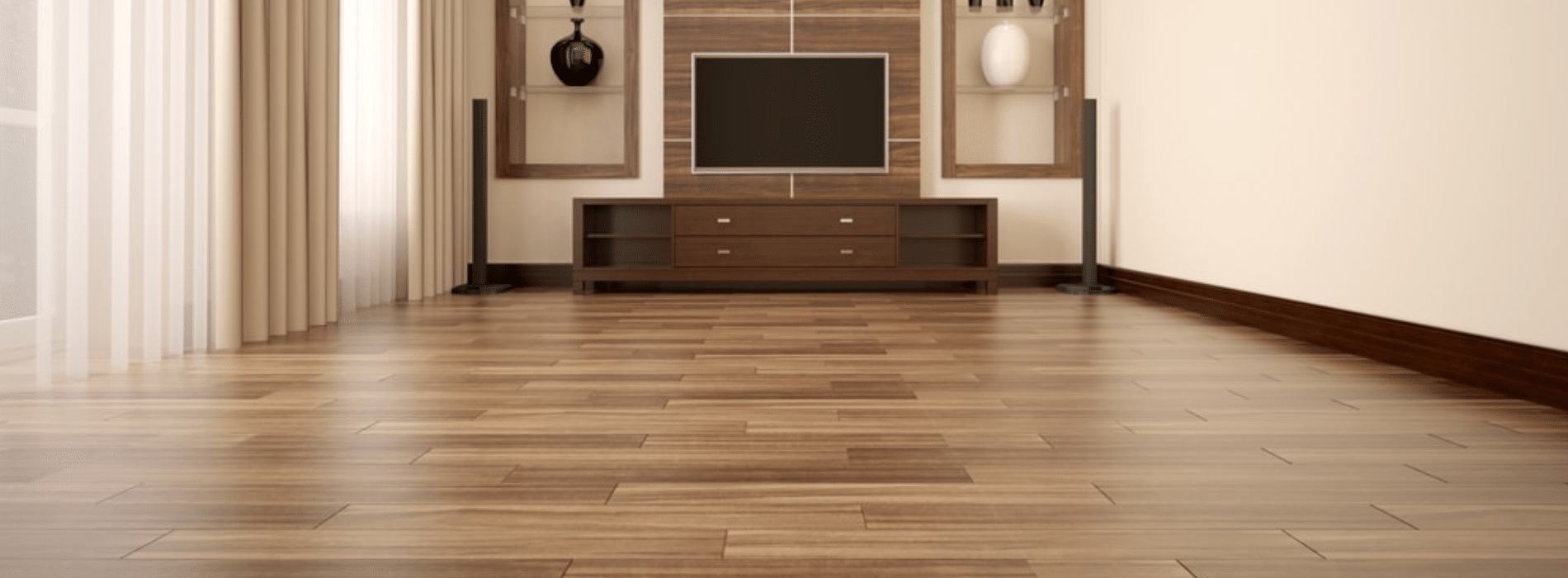
Common Hardwood Floor Issues
Surface Damage
The most common issues with hardwood floors tend to be on the surface. These include scratches, scuffs, and areas where the finish has worn away. This type of damage is often superficial and doesn’t affect the structural integrity of the flooring. It can typically be addressed with thorough cleaning and refinishing.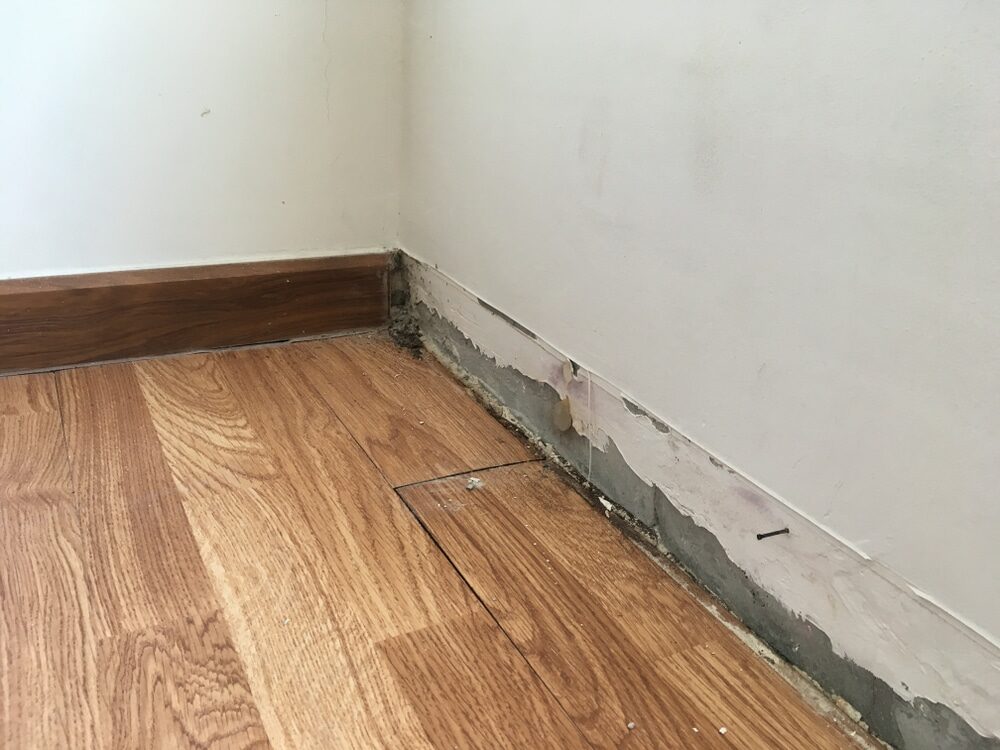
Deep scratches or gouges
When scratches or gouges penetrate beyond the surface and into the wood itself, refinishing may not be enough to fully restore the floor. In this case, the damaged boards may need to be replaced.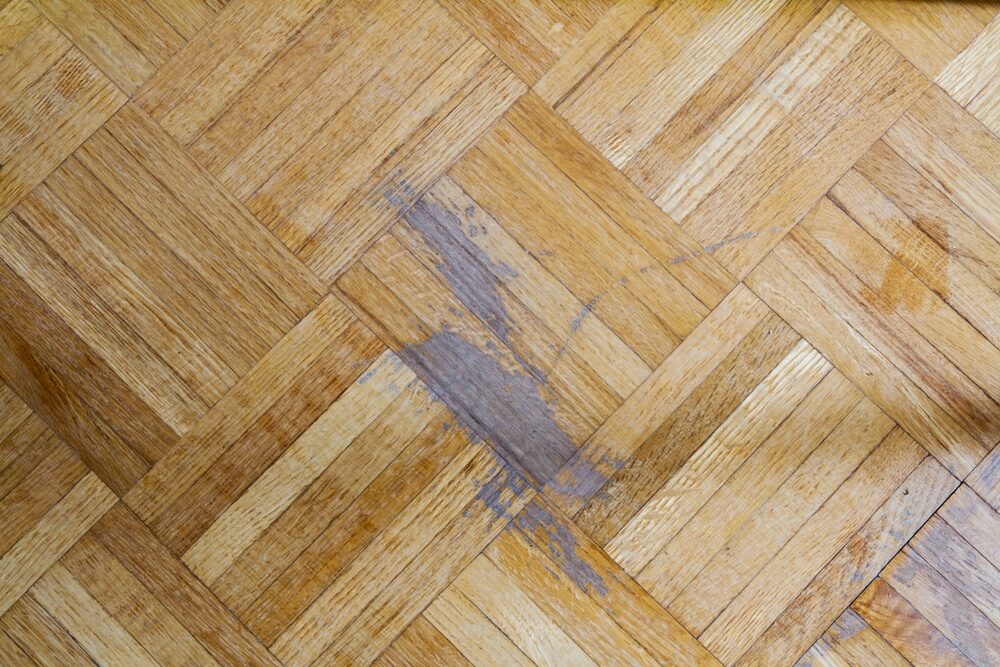
Water Damage
Water can be particularly harmful to hardwood floors. If a leak or flood has caused your floors to warp or buckle, the affected boards will likely need to be replaced. Mould or mildew growth, a potential side effect of water damage, is another reason to consider replacement.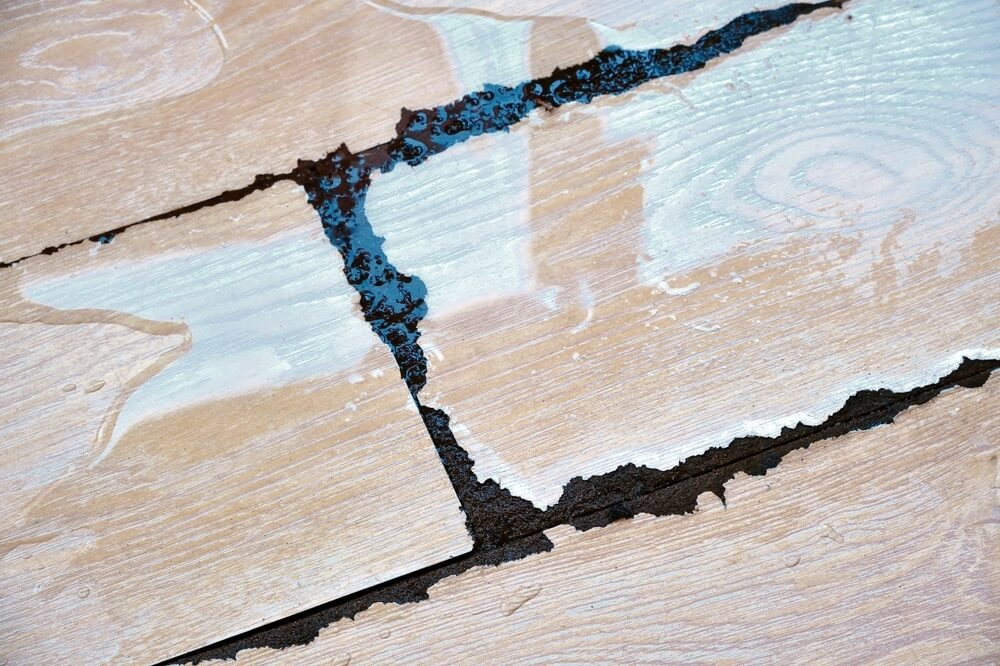
Structural Issues
If the damage to your floors is related to the subfloor or floor joists beneath, replacement may be necessary. This can include issues like significant movement or “bounce” in the floor, large gaps between boards, or unevenness across the floor.Replacement vs. Salvage: Making the Decision
In deciding whether to replace or salvage your hardwood floors, you’ll need to consider several factors:- Extent of Damage: Superficial damage can often be fixed by refinishing, but more severe or widespread damage may warrant replacement.
- Cost: While refinishing is generally less expensive than replacement, this may not be the case if only a few boards need to be replaced. Get quotes for both options before making a decision.
- Type of Wood: If your floors are made of a rare or expensive type of wood or if they have historical value, you may want to salvage them whenever possible.
- Personal Preference: If you’re not happy with the current look of your floors, replacing them may provide an opportunity to update your home’s aesthetic.
Conclusion
The decision to replace or salvage hardwood floors can be complex, involving factors like the extent and type of damage, cost, and personal preference. It’s important to consult with a professional who can evaluate the condition of your floors and provide you with the best options for your situation. With the right care and decision-making, your hardwood floors can remain a beautiful and valuable feature in your home for many years to come.Some Useful Links:
- Floor Sanding Services
- School Floor Sanding
- Wood Floor Restorations
- Wood Floor Repairs
- Wood Floor Polishing
More from our Blog:
Avoiding Pitfalls in Hardwood Floor Maintenance – Essential Tips for Homeowners DIY Wood Floor Installation – A Comprehensive Beginner’s Guide A DIY Guide to Refinishing Hardwood Floors DIY Guide: How to Sand and Varnish a Wooden Floor Essential Tips for Wood Stripping and Wood Floor Sanding

Sanding
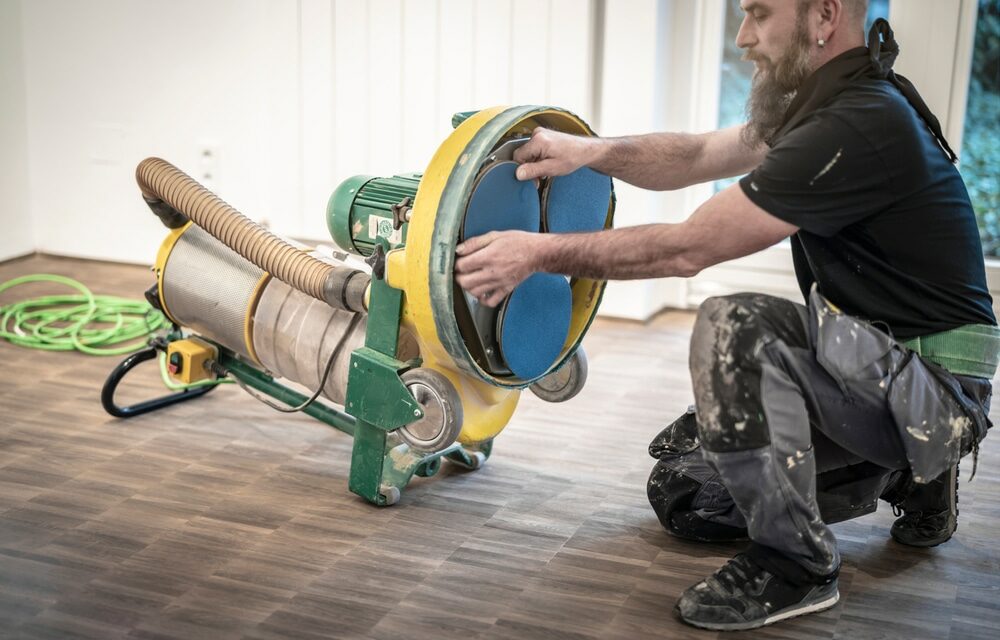
We provide virtually dust-free sanding with our continuous belt machinery with mobile extraction units, giving you a safer environment for your family.

Oiling
This organic finish not only adds beauty to your home but also has exceptional water-repellent characteristics, making it easier to clean and maintain.

Waxing
This natural floor finish offers the softest and most mellow appearance – and leaves your floor able to breath.

Buffing
Using soft buffing machines (and hand-polishing where required) will bring a wonderful sheen to your newly-finished floor.

Repairs
We offer a full assessment of your wooden floors to determine what repairs are needed to provide the perfect working surface for the later stages of sanding, staining and sealing.

Restoration
We offer a comprehensive restoration process designed to address floors that are improperly fitted or damaged over time through wear and tear.
Request a fixed price quote for your wood floor restoration now
Simply enter your postcode below to get started.





Services
Wood Floor Sanding Wood Floor Restoration Wood Floor Scratch Repair Squeaky Wood Floor Repair Parquet Floor Sanding Parquet Floor Restoration Commercial Floor Sanding Church Floor Sanding Community Centre Floor Sanding School Floor Sanding Gap Filling Gap Filling with ResinCopyright © Mr Sander®
Privacy & Cookies Terms & Conditions Complaints Procedure Cancellation Rights Sitemap

Get An Instant Price Estimate Before You Go…
Simply enter the rooms you need sanded and we’ll provide you with a price estimate instantly! Try our price calculator now.
Get a Price Estimate NowLocal Floor Sanding Experts
Over 500 5-Star Reviews
Safe, Dust Free Sanding
Operating Since 1994