London:
Nationwide:


25,000+
Floors Restored

27 Years Experience

Wood Flooring Association Certified
Effective Wood Floor Repair: An Ultimate Guide to Restoring Your Floors
Posted on May 15, 2023
Articles
The Ultimate Guide to Effective Wood Floor Repair
Wooden floors bring charm and elegance to any home. However, over time, they can suffer from wear and tear, leading to damage such as scratches and dents and more serious issues like rot or warping. This comprehensive guide will take you through the ins and outs of effective wood floor repair, helping you restore your floors to their former glory.
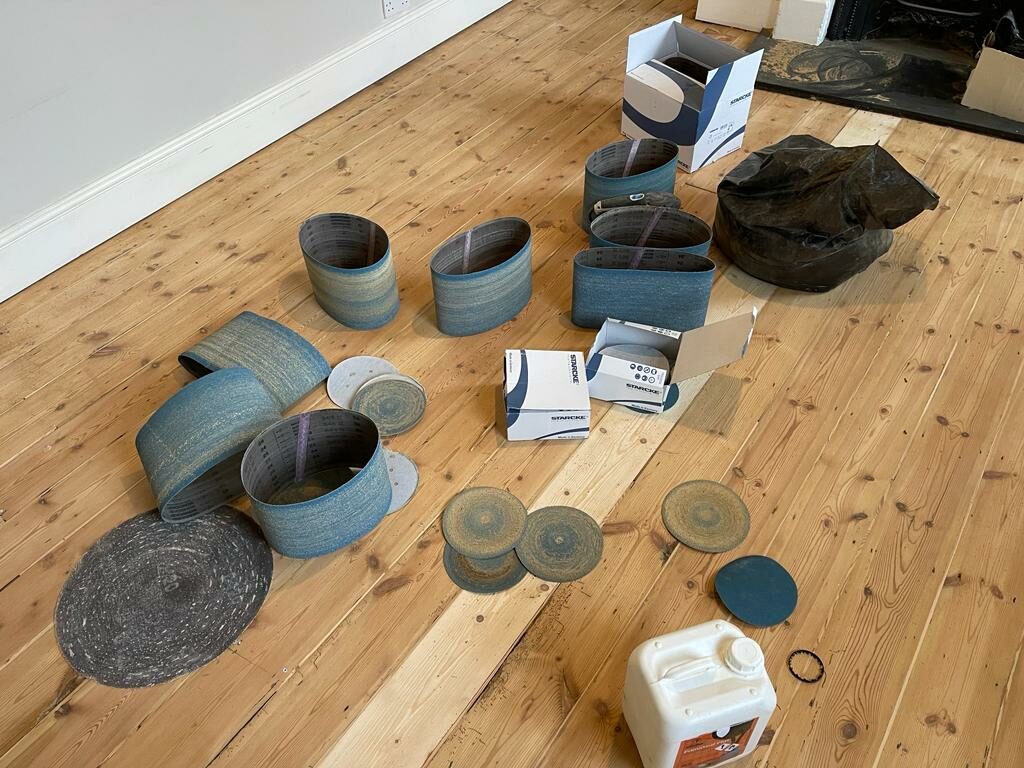
Identifying the Need for Wood Floor Repair
The need for wood floor repair often becomes apparent through visible signs such as:
- Deep scratches or gouges
- Stains or discoloration
- Loose or squeaky boards
- Warped or buckled boards
- Rot or insect damage
Types of Wood Floor Damage and Their Solutions
Different types of damage require different repair strategies. Here are some common types of wood floor damage and how to effectively address them:
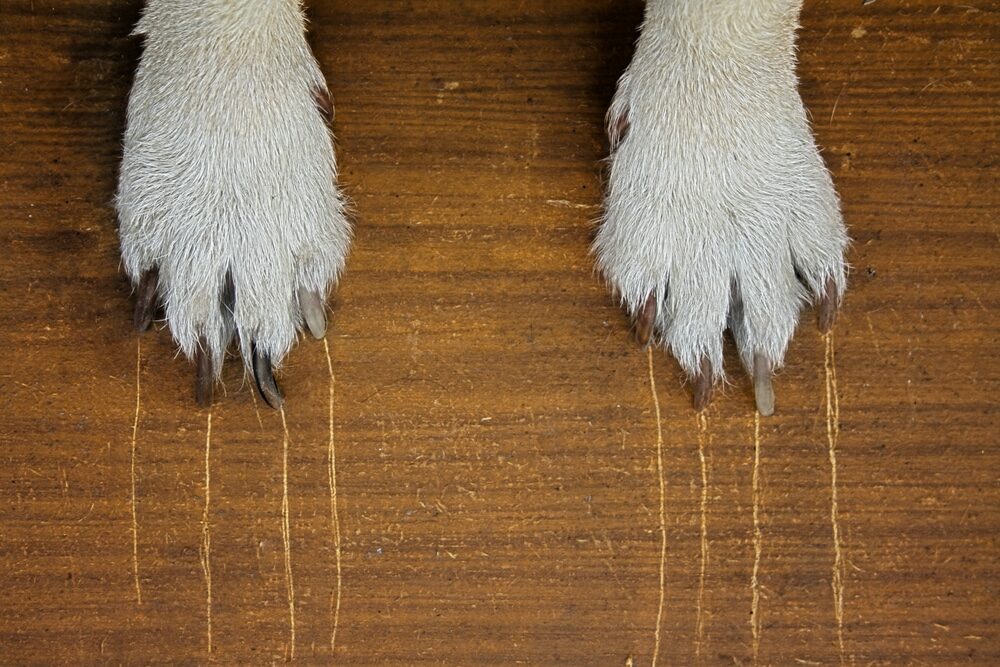
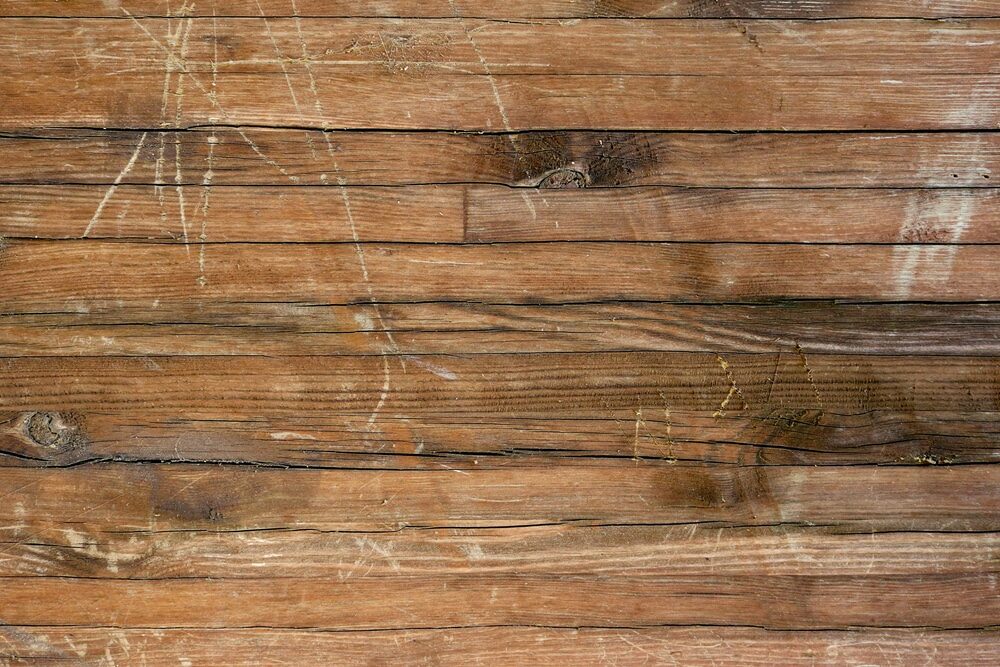
- Scratches and gouges: These can often be repaired by sanding the affected area and applying a matching wood filler. The area is then sanded again and refinished to match the rest of the floor.
- Stains and discoloration: Some stains can be removed by sanding, while others may require bleaching. In severe cases, the stained boards may need to be replaced.
- Loose or squeaky boards: These can usually be fixed by adding nails or screws to secure the boards to the subfloor. In some cases, additional support may need to be added underneath.
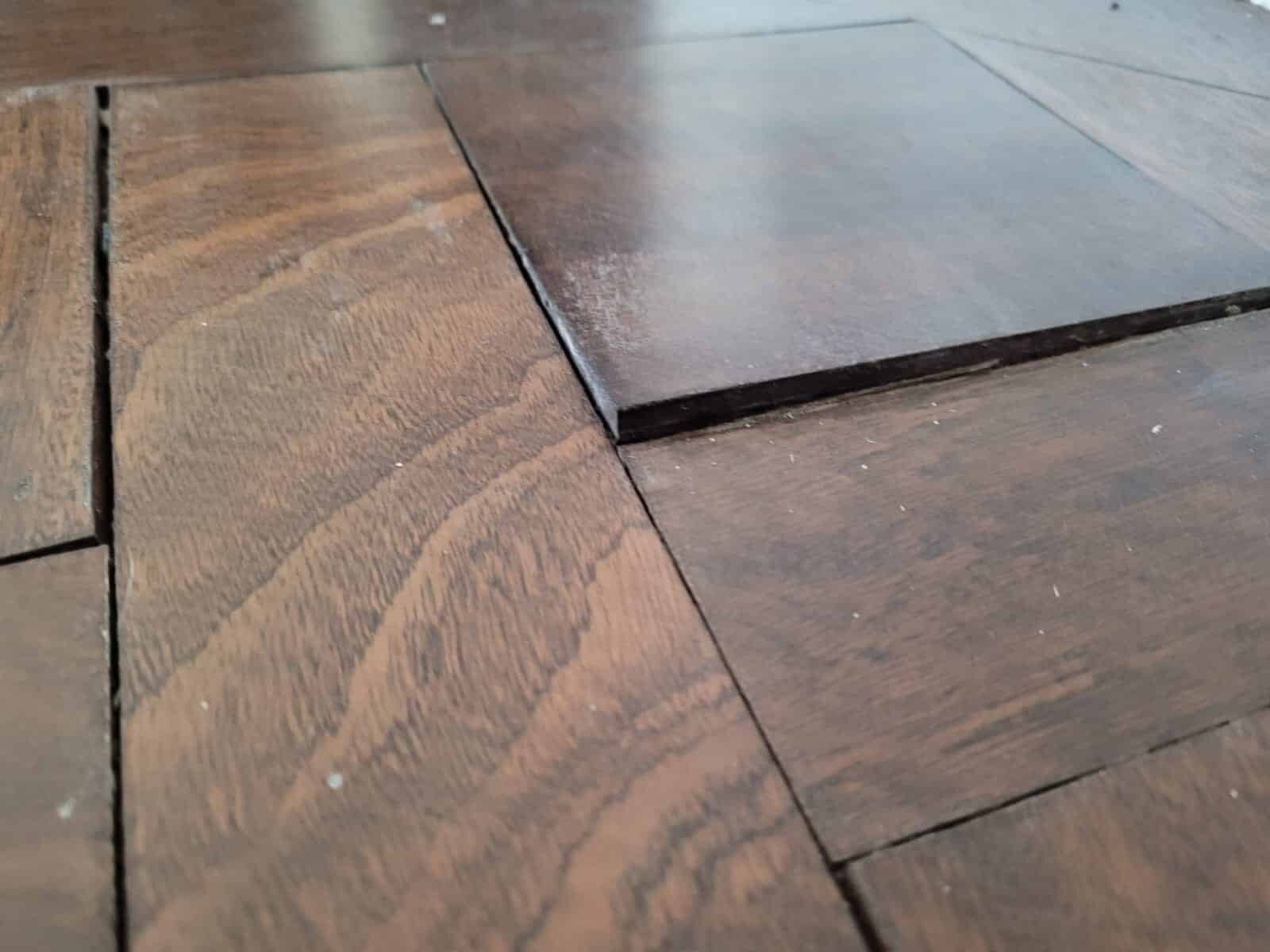
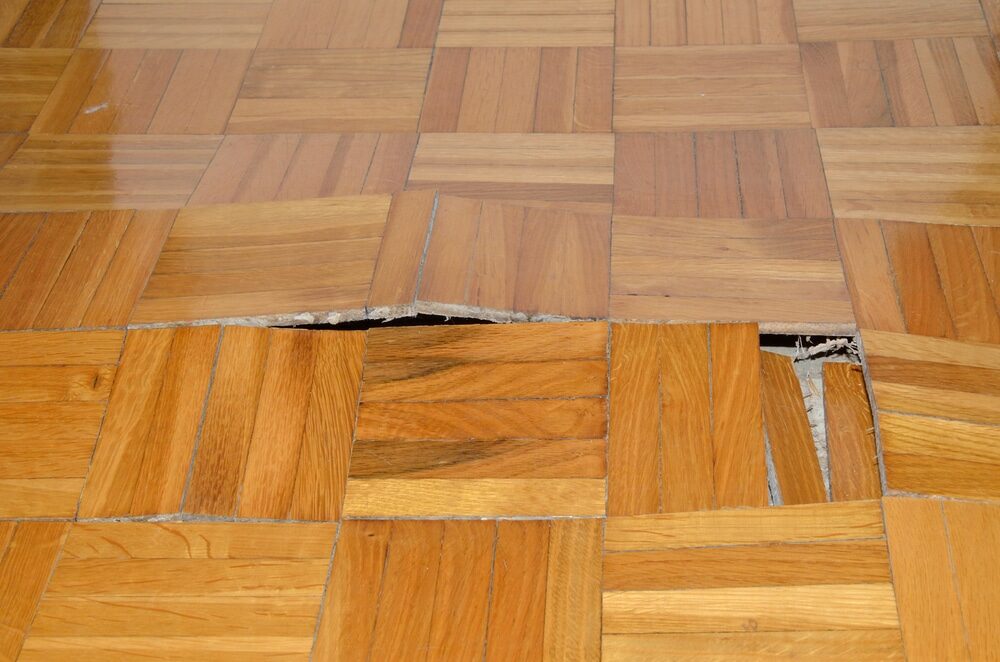
- Warped or buckled boards: These often require replacement. It’s also important to address the underlying cause of the warping or buckling, such as moisture issues.
- Rot or insect damage: This is a serious issue that typically requires replacing the affected boards. Insect infestations may also require professional pest control services.
DIY Wood Floor Repair vs. Hiring a Professional
While some minor repairs can be handled as a DIY project, more serious damage typically requires the skills and expertise of a professional. Professionals have the necessary tools and experience to ensure that the repair blends seamlessly with the rest of your floor. They can also identify and address underlying issues that may be causing the damage.
Steps for DIY Wood Floor Repair
If you’re tackling minor wood floor repairs yourself, here are the general steps you’ll need to follow:
- Identify and assess the damage: determine the type and extent of the damage to figure out the best repair strategy.
- Gather Your Tools and Materials: Depending on the repair, you may need tools like a hammer, nails, wood filler, sandpaper, and wood stain.
- Prepare the Area: Clean the area and remove any loose debris. If you’re replacing a board, you’ll also need to carefully remove the damaged board.
- Perform the Repair: Fill in scratches or gouges with wood filler, secure loose boards with nails, or install a new board if necessary.
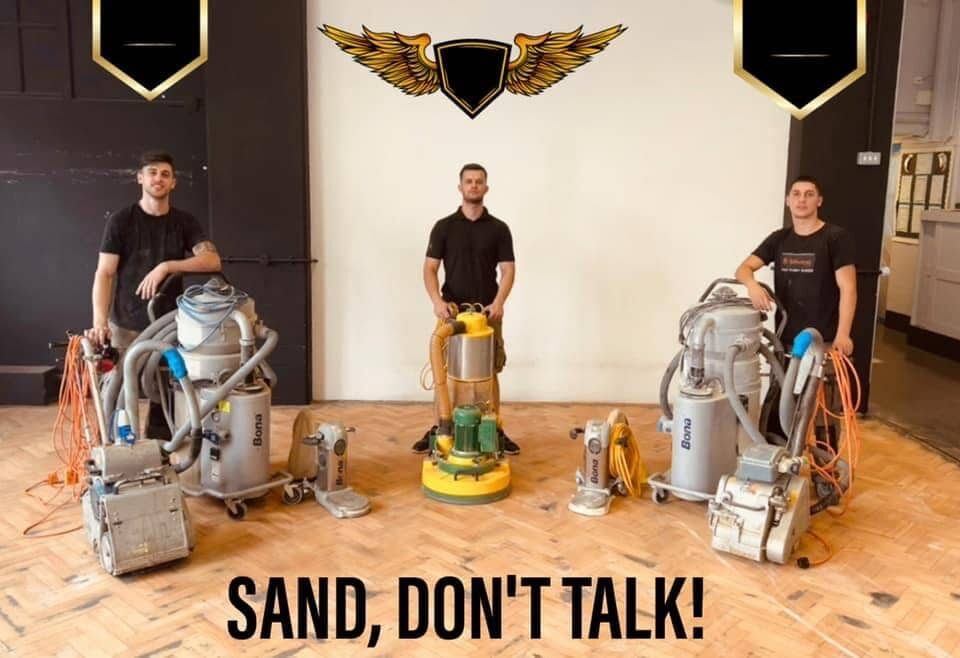
- Refinish the Repaired Area: Sand the repaired area smooth, and apply a finish that matches the rest of your floor.
Tips for Hiring a Professional
If you’re hiring a professional to repair your wood floor, keep the following tips in mind:
- Get Multiple Estimates: This will give you an idea of the going rate for the repair you need.
- Check References and Reviews: This can give you a sense of the quality of their work and their level of customer service.
- Ask About Experience: Make sure they have experience repairing your specific type of wood floor and the kind of damage you have.

Preventing Future Wood Floor Damage
Protecting your wood floor from future damage is crucial. Here are some preventative measures:
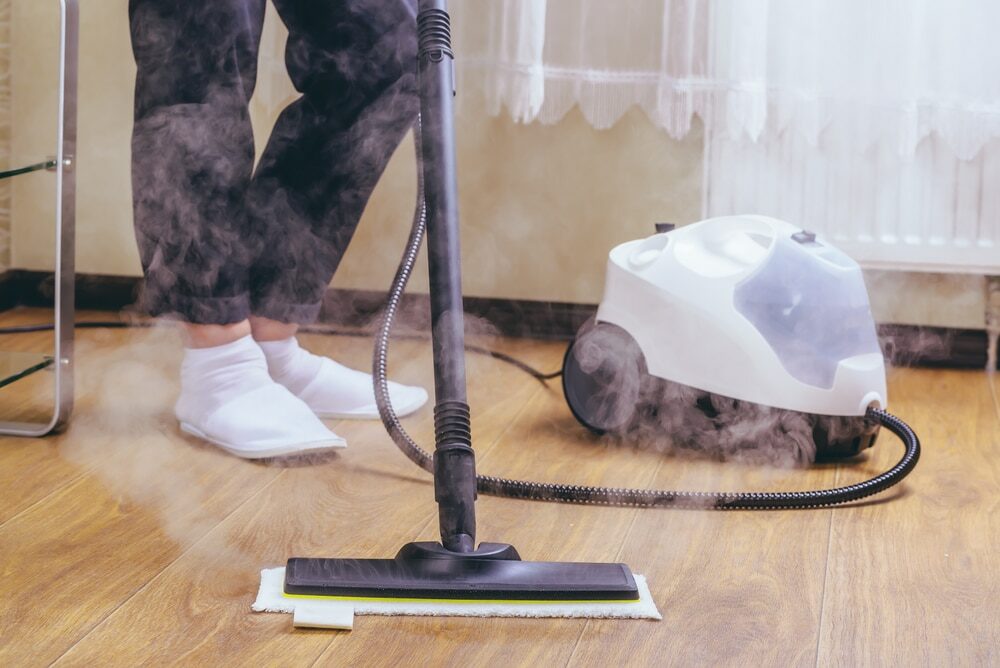
- Regular Cleaning: Sweep or vacuum regularly to remove debris that could scratch the floor. Avoid using harsh chemicals that could damage the wood.
- Use mats and rugs. These can protect high-traffic areas and prevent scratches and wear.
- Protect from moisture: wipe up spills promptly. Consider a dehumidifier in humid climates to prevent warping and swelling.
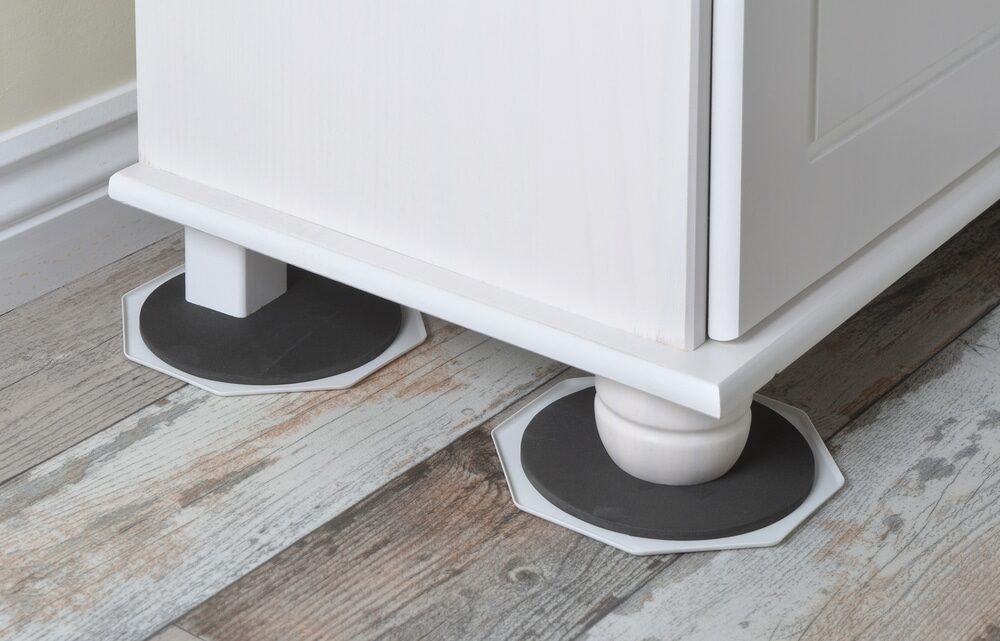
- Furniture Pads: Use protective pads under furniture legs to avoid scratches when moving furniture.
- Control Pests: Regular pest control can prevent infestations that lead to wood damage.
The Cost of Wood Floor Repair
The cost of wood floor repair varies depending on the extent of the damage, the type of wood, and whether you do the repair yourself or hire a professional. While DIY repairs can save money, remember to factor in the cost of your time and any tools or materials you’ll need.
Conclusion
Effective wood floor repair can restore the beauty of your wooden floors, prolong their lifespan, and prevent further damage. Whether you choose to do the repair yourself or hire a professional, understanding the repair process can help you make informed decisions and ensure the best possible outcome for your floors. With the right care and maintenance, your wooden floors can remain a beautiful and durable feature of your home for many years to come.
Some Useful Links:
- Wood Floor Restorations
- Wood Floor Repairs
- Wood Floor Polishing
- Floor Sanding Services
- School Floor Sanding
More from our Blog:
The Definitive Guide to Professional Wood Floor Restoration ServicesWood Floor Sanding in Your London Home
Hardwood Floor Restoration – Wood Floor Restoration Services in London
Refinishing Parquet Flooring: Ultimate Guide for London Homes
The Complete Guide to Restoring Your Hardwood Floors


Sanding
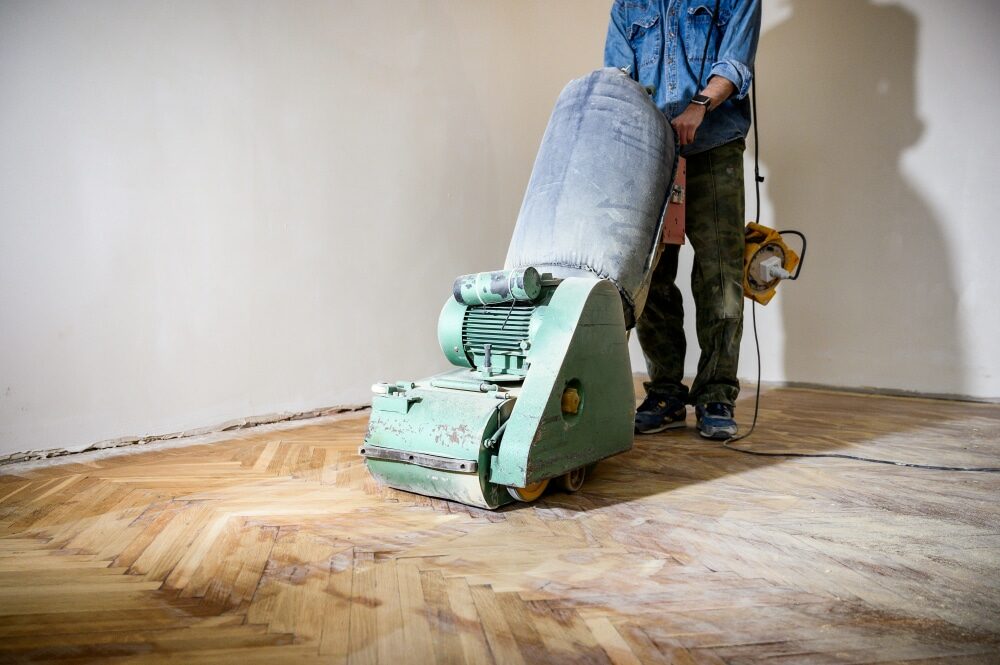
We provide virtually dust-free sanding with our continuous belt machinery with mobile extraction units, giving you a safer environment for your family.

Oiling
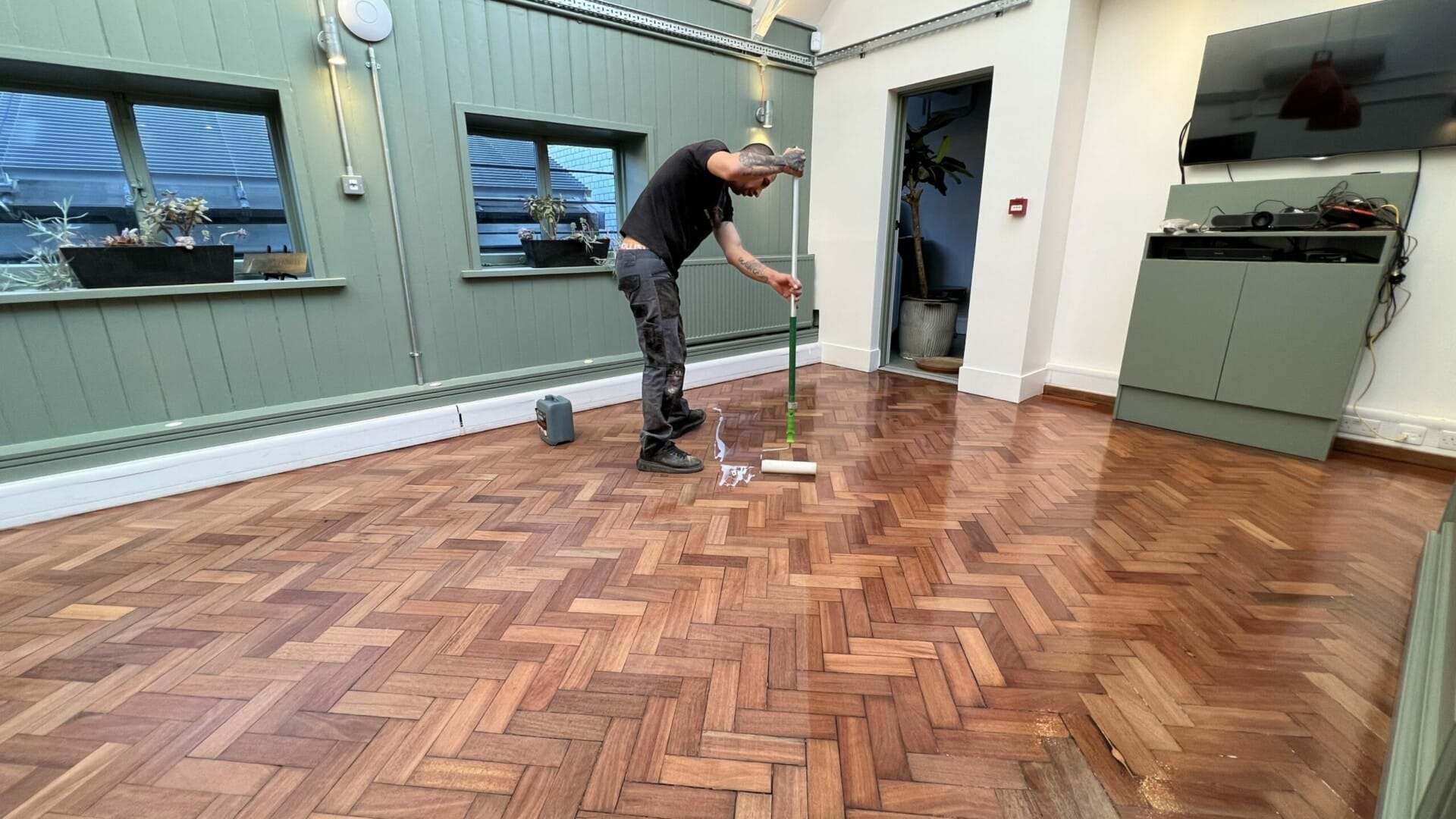
This organic finish not only adds beauty to your home but also has exceptional water-repellent characteristics, making it easier to clean and maintain.

Waxing
This natural floor finish offers the softest and most mellow appearance – and leaves your floor able to breath.

Buffing
Using soft buffing machines (and hand-polishing where required) will bring a wonderful sheen to your newly-finished floor.

Repairs
We offer a full assessment of your wooden floors to determine what repairs are needed to provide the perfect working surface for the later stages of sanding, staining and sealing.

Restoration
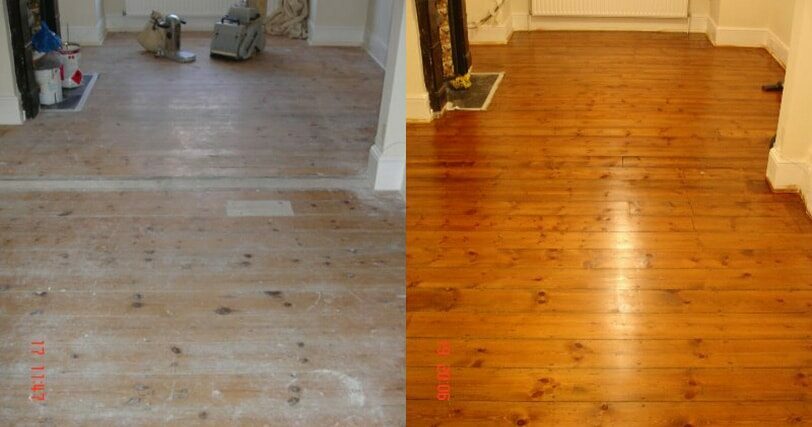
We offer a comprehensive restoration process designed to address floors that are improperly fitted or damaged over time through wear and tear.
Request a fixed price quote for your wood floor restoration now
Simply enter your postcode below to get started.






Services
Wood Floor Sanding Wood Floor Restoration Wood Floor Scratch Repair Squeaky Wood Floor Repair Parquet Floor Sanding Parquet Floor Restoration Commercial Floor Sanding Church Floor Sanding Community Centre Floor Sanding School Floor Sanding Gap Filling Gap Filling with ResinCopyright © Mr Sander®
Privacy & Cookies Terms & Conditions Complaints Procedure Cancellation Rights Sitemap

Get An Instant Price Estimate Before You Go…
Simply enter the rooms you need sanded and we’ll provide you with a price estimate instantly! Try our price calculator now.
Get a Price Estimate NowLocal Floor Sanding Experts
Over 500 5-Star Reviews
Safe, Dust Free Sanding
Operating Since 1994