London:
Nationwide:


25,000+
Floors Restored

27 Years Experience

Wood Flooring Association Certified
Revitalize Your Home with Wood Floor Sanding: DIY Guide
Posted on June 10, 2023
Floor Sanding Services News
The Perils of DIY Floor Refinishing: Why It Might Not Be Your Best Choice
Wood floors bring timeless charm and warmth to any home. Over time, however, wear and tear can dull their luster. That’s where wood floor sanding comes in. This guide will cover everything you need to know about wood floor sanding, from understanding the process to taking on a DIY sanding project.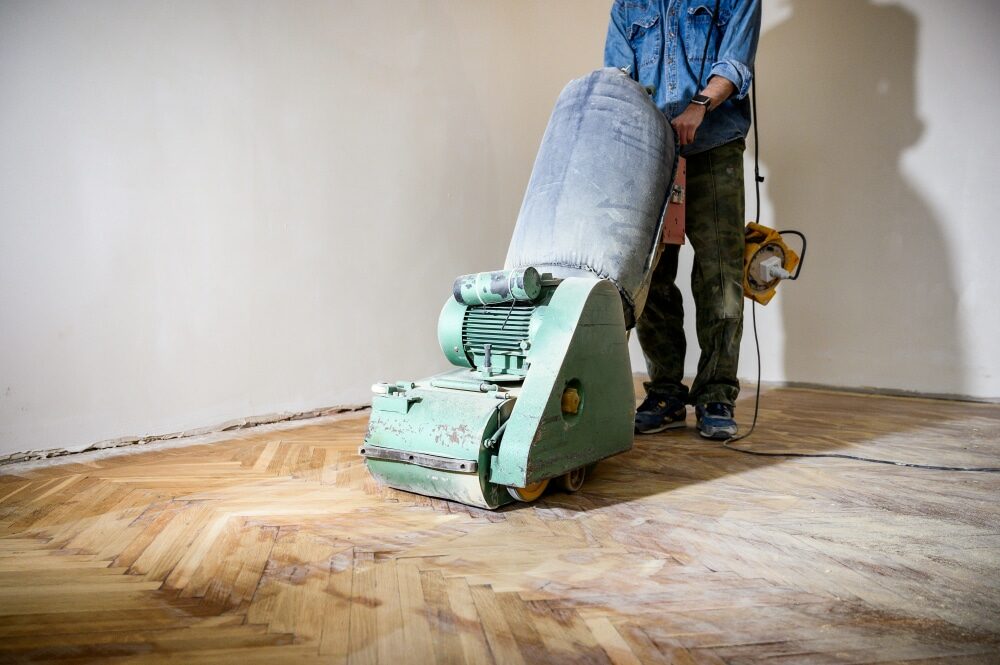
Part I: Understanding Wood Floor Sanding
What is wood floor sanding?
Wood floor sanding is the process of removing the top layer of a wood floor using abrasive materials, usually sandpaper. It’s an effective way to remove scratches, stains, and old finishes, preparing the floor for a new finish that can restore its beauty and extend its life.Why is wood floor sanding important?
Wood floor sanding is crucial for maintaining your hardwood floors. It can revive old, worn-out floors, even out the surface, prepare the floor for a new finish, and ultimately enhance the value and appeal of your home.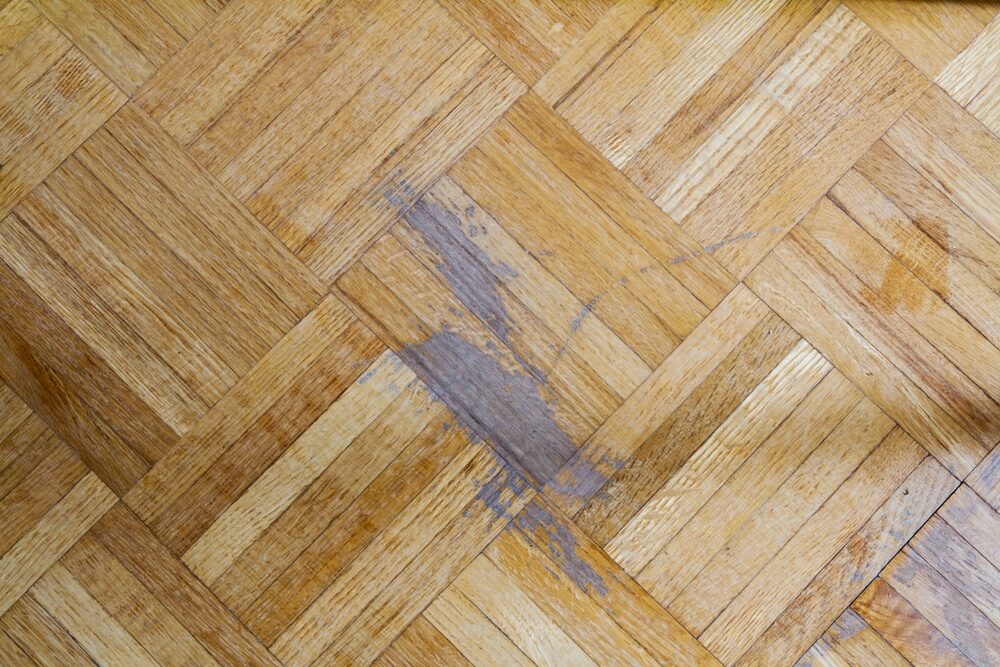
Part II: Prepping for a Wood Floor Sanding Project
Necessary tools and materials
You’ll need several tools for a sanding project, including a drum or orbital sander, sandpaper of various grits, an edge sander, a dust mask, goggles, a vacuum cleaner, wood finish, paintbrushes, and wood putty.Preparing the Room
Remove all furniture and decorations from the room. Check the floor for any protruding nails and fix them. Fill in any holes or cracks with wood putty. Once the putty dries, sand these spots to level them with the rest of the floor.
Part III: A Step-By-Step Guide to Wood Floor Sanding
Step 1: Start sanding
Start with coarse-grit sandpaper to remove deep scratches and old finishes. Always sand along the grain of the wood, not against it. Keep the sander moving to avoid sanding too deeply into any one spot.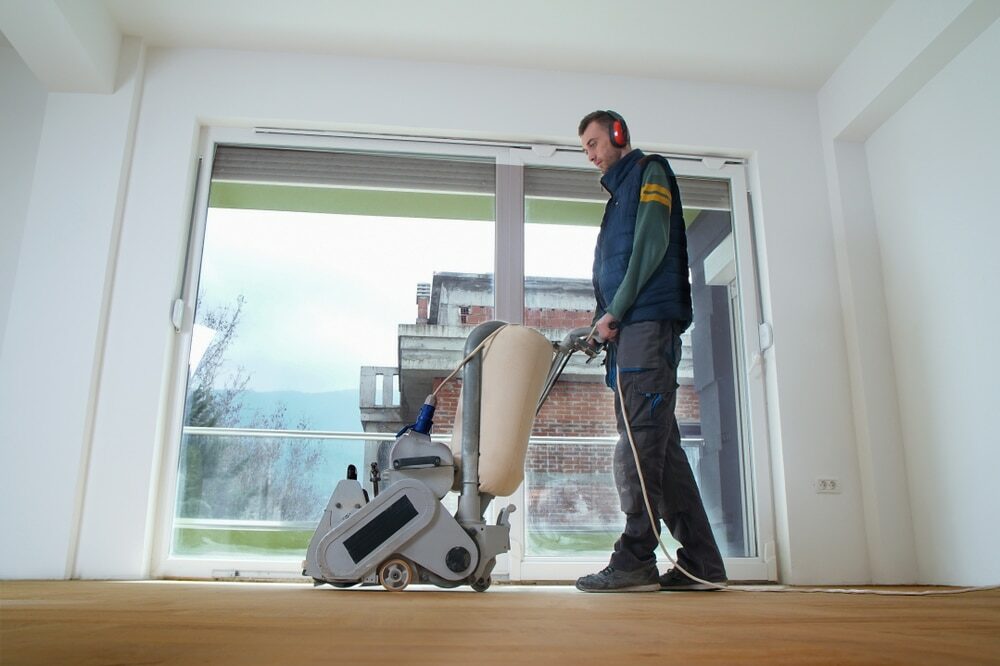
Step 2: Edge Sanding
The main floor sander won’t reach the edges of the room. For these areas, you’ll need an edge sander. Just as with the main floor, sand along the grain of the wood.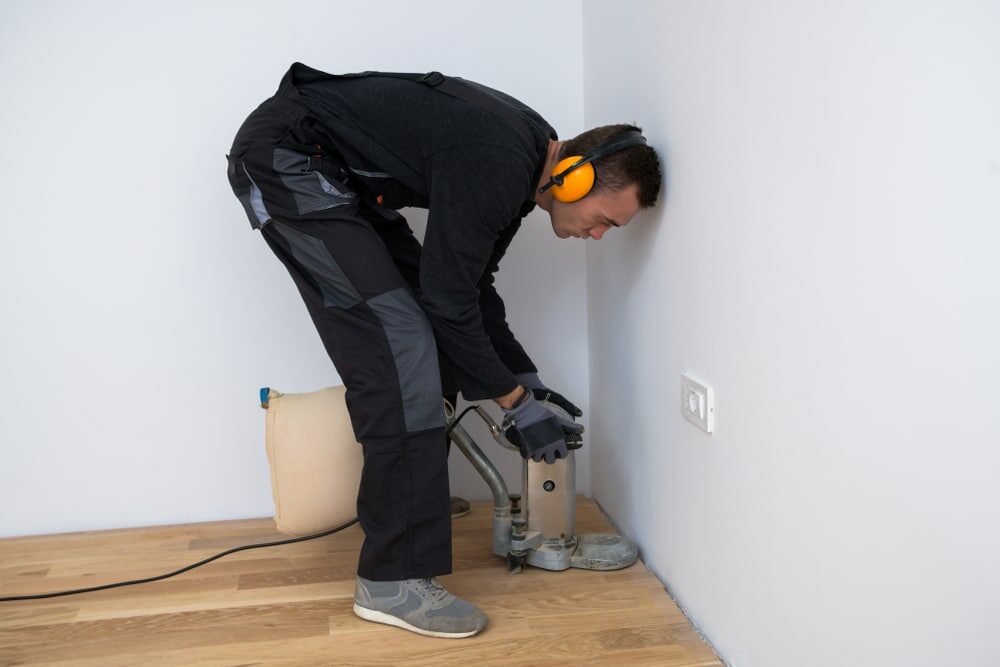
Step 3: Repeat Sanding with Finer Grits
Repeat the sanding process using finer grits of sandpaper. This step is critical for achieving a smooth surface. Remember to vacuum between each round of sanding to remove dust.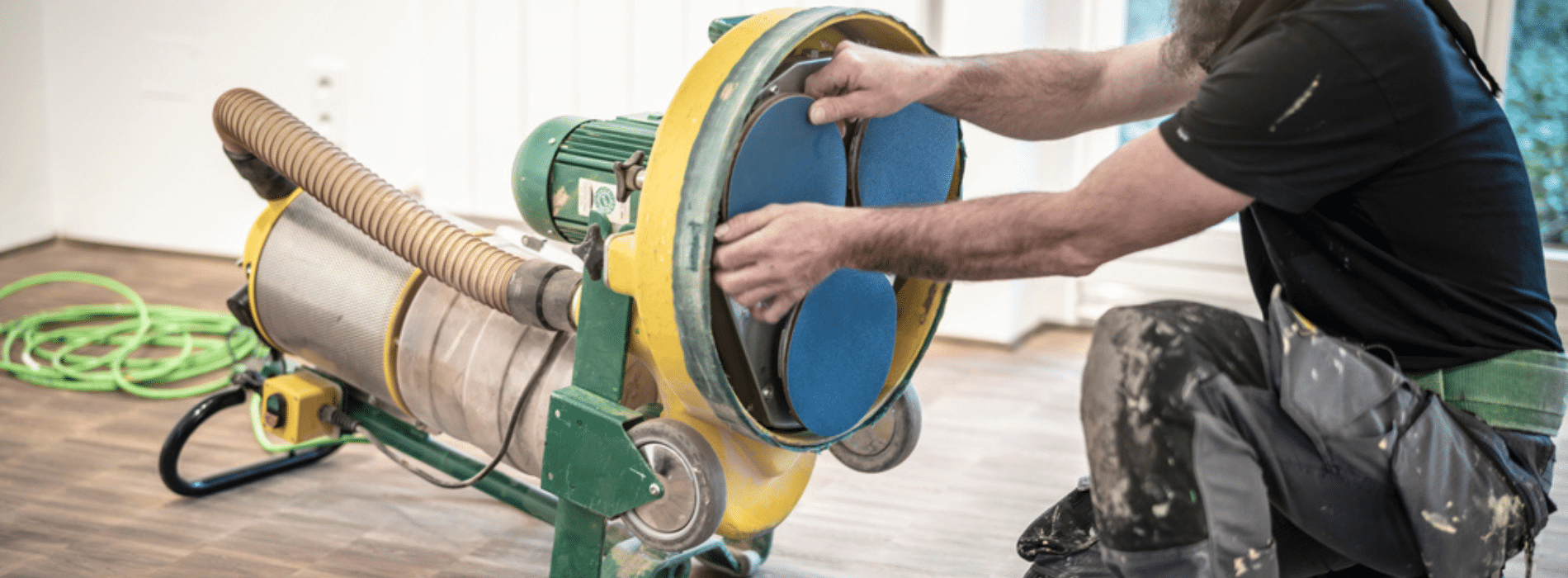
Step 4: Apply the Finish
Once the floor is smooth, you can apply the finish. Make sure to evenly spread the finish using a brush or a roller. Leave ample time for the finish to dry before adding another coat.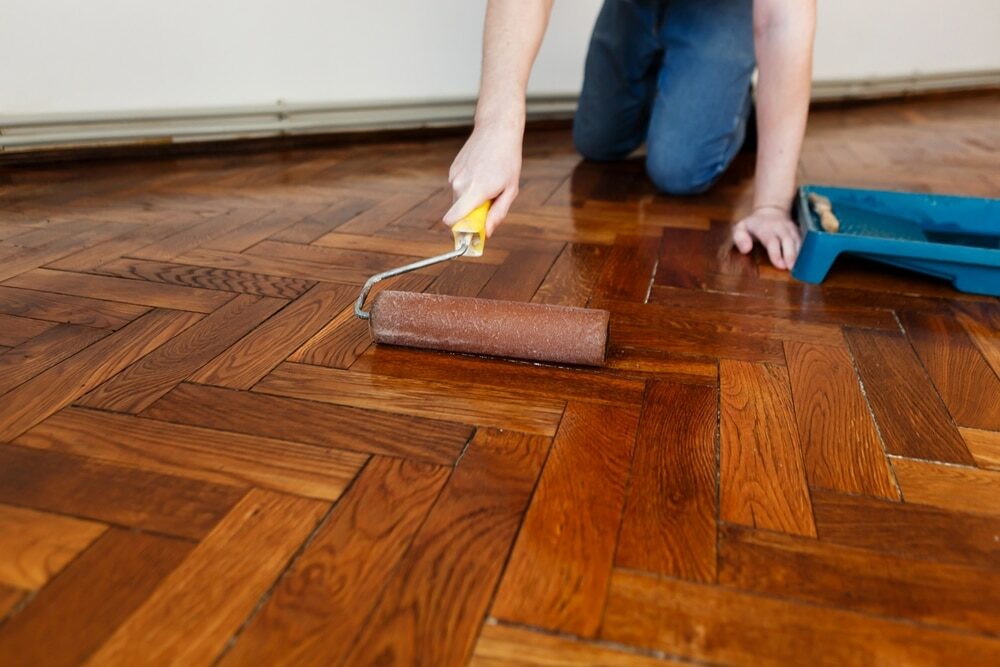
Part IV: Tips and Tricks for Successful Wood Floor Sanding
Prioritize Safety
Always wear protective gear, including a dust mask and goggles. Sanders can be noisy, so consider wearing ear protection.Sand along the grain
Sanding along the grain of the wood, not against it, will result in a smoother finish and prevent damage to the wood.Choose the right sander.
An orbital sander is easy to use and is less likely to cause accidental damage, while a drum sander is more powerful. Choose the right tool based on your comfort level and the condition of the wood floor.


Take your time.
Don’t rush the process. Quality results require patience and attention to detail.Part V: Post-Sanding Care for Your Wood Floors
Regular cleaning, preventing scratches, and recoating every few years are crucial steps to maintaining your newly sanded wood floors.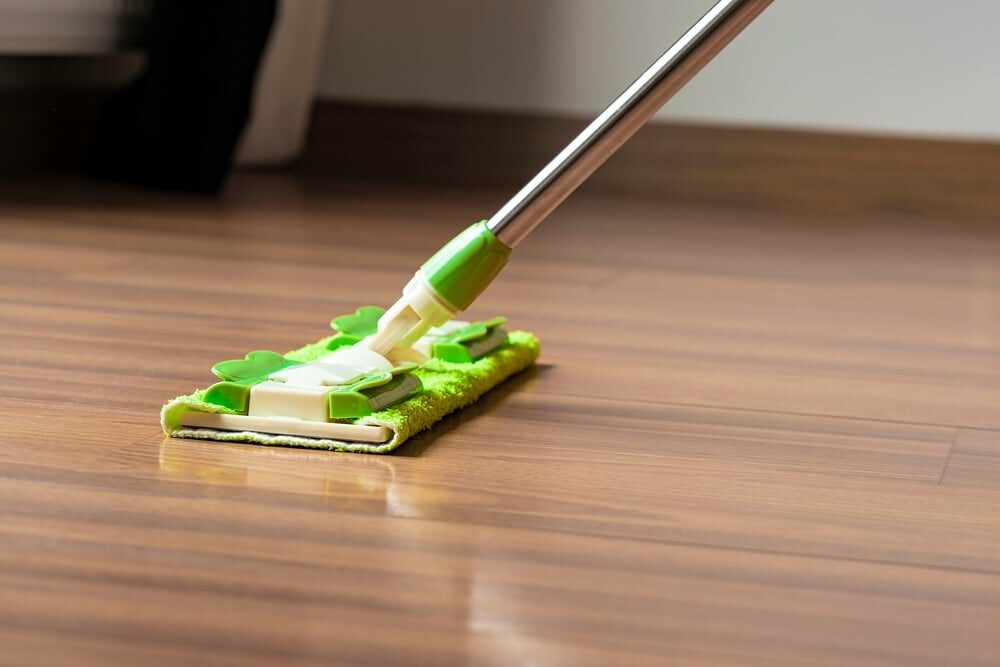
Conclusion
Wood floor sanding can rejuvenate your floors, bringing back their original charm and elegance. Whether you choose to take on this project yourself or hire professionals, understanding the process will help you ensure the best results. With proper care, your sanded and refinished wood floors can last for many years, adding warmth and value to your home.Some Useful Links:
- Floor Sanding Services
- School Floor Sanding
- Wood Floor Restorations
- Wood Floor Repairs
- Wood Floor Polishing
More from our Blog:
Useful Information about the latest Dustless Floor Sanding Machines How to Choose the Best Floor Sanding Machines: An In-depth Guide Revamping Homes with Efficient Wood Floor Sanding Techniques Wood Floor Restoration: Effective Floor Sanding and Refinishing Techniques The Easier Method to Find Dust Free Floor Sanding Equipment



Sanding
We provide virtually dust-free sanding with our continuous belt machinery with mobile extraction units, giving you a safer environment for your family.

Oiling
This organic finish not only adds beauty to your home but also has exceptional water-repellent characteristics, making it easier to clean and maintain.

Waxing
This natural floor finish offers the softest and most mellow appearance – and leaves your floor able to breath.

Buffing
Using soft buffing machines (and hand-polishing where required) will bring a wonderful sheen to your newly-finished floor.

Repairs
We offer a full assessment of your wooden floors to determine what repairs are needed to provide the perfect working surface for the later stages of sanding, staining and sealing.

Restoration
We offer a comprehensive restoration process designed to address floors that are improperly fitted or damaged over time through wear and tear.
Request a fixed price quote for your wood floor restoration now
Simply enter your postcode below to get started.






Services
Wood Floor Sanding Wood Floor Restoration Wood Floor Scratch Repair Squeaky Wood Floor Repair Parquet Floor Sanding Parquet Floor Restoration Commercial Floor Sanding Church Floor Sanding Community Centre Floor Sanding School Floor Sanding Gap Filling Gap Filling with ResinCopyright © Mr Sander®
Privacy & Cookies Terms & Conditions Complaints Procedure Cancellation Rights Sitemap

Get An Instant Price Estimate Before You Go…
Simply enter the rooms you need sanded and we’ll provide you with a price estimate instantly! Try our price calculator now.
Get a Price Estimate NowLocal Floor Sanding Experts
Over 500 5-Star Reviews
Safe, Dust Free Sanding
Operating Since 1994