London:
Nationwide:


25,000+
Floors Restored

27 Years Experience

Wood Flooring Association Certified
Turpentine Wood Flooring: An Exquisite Australian Choice
Posted on August 13, 2023
Hardwood Floors Sanding News
The Allure of Turpentine as a Hardwood Flooring Option
When one delves into the vast world of hardwood flooring, the usual suspects that emerge are oak, maple, or even bamboo. However, every so often, a lesser-known contender steps forward, offering a blend of durability and charm that catches homeowners by surprise. One such alternative is the Turpentine wood. Derived not from the fluid but from the Turpentine tree native to Australia, this hardwood presents homeowners with a robust and visually striking option. In this exploration, we’ll understand why Turpentine is making waves as a hardwood flooring choice.
 Origins of Turpentine Wood
Before delving into its properties as a flooring material, it’s essential to know where Turpentine wood comes from. Predominantly found in the eastern regions of Australia, the Turpentine tree (Syncarpia glomulifera) is a tall and evergreen tree that thrives in coastal forests. With its resilient nature, it has adapted to the unique challenges of its native land, making it a robust wood choice.
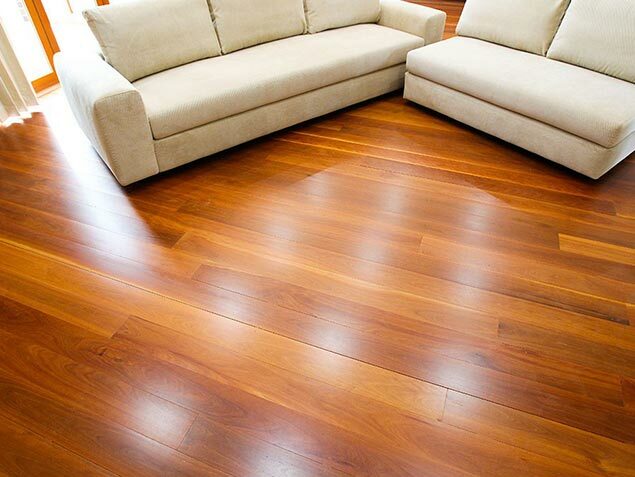
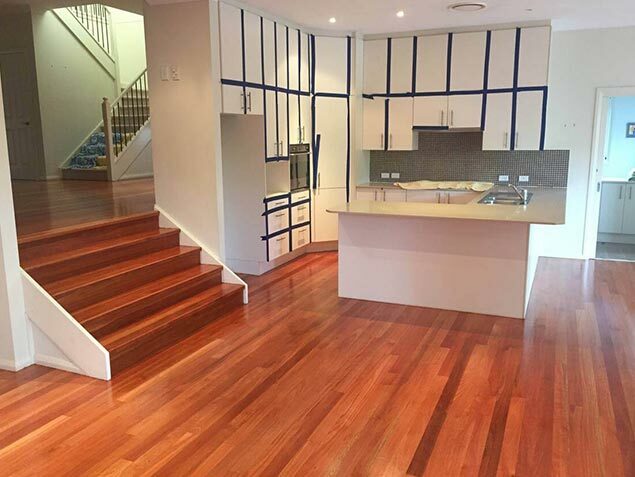
Distinctive Features and AppearanceTurpentine wood has a striking appearance that sets it apart. The heartwood showcases a rich red, often blending into shades of reddish-brown, contrasting sharply with the pale sapwood. This inherent color distinction creates an attractive play of shades when laid out as flooring.
The grain is typically interlocked with a moderately coarse texture, which not only adds to its beauty but also offers a tactile feel underfoot. The surface exhibits a natural shine, lending an additional touch of sophistication to any room it graces.
Durability and HardnessOne of Turpentine’s defining features is its exceptional durability. With a Janka hardness rating that competes with some of the toughest hardwoods out there, it promises longevity. Its resistance to termites and marine borers adds another layer of protection, especially important in areas prone to these pests.
Workability and MaintenanceThough Turpentine wood is hard, it’s not exceptionally challenging to work with. Proper tools and techniques yield excellent results, be it in installation or crafting intricate designs. As with all hardwoods, it’s vital to ensure that the wood is appropriately seasoned before use to prevent warping or shrinkage.
Maintenance is relatively straightforward. Regular sweeping or vacuuming keeps the floor free from dust and debris. For deeper cleans, a damp mop or a specialized wood cleaner will suffice. Due to its dense nature, Turpentine wood is less prone to dents or scratches, but it’s always wise to use protective pads under heavy furniture and avoid dragging items across the floor.
Environmental ImpactBeing a native species, Turpentine trees play a crucial role in Australia’s ecosystem. Responsible harvesting and ensuring the use of certified sources can mitigate environmental impacts. By choosing Turpentine wood from sustainable sources, homeowners can enjoy the beauty of this wood without compromising the environment.
Cost ImplicationsGiven its unique properties and the fact that it’s not as widely available as some other hardwoods, Turpentine tends to be on the pricier side. However, considering its longevity and minimal maintenance needs, it can be seen as an investment. Over time, fewer replacements and repairs can offset the initial cost.
Drawbacks to ConsiderWhile Turpentine has many merits, it’s essential to be aware of potential drawbacks. Its hardness, while a boon for durability, can make it slightly challenging to install. It’s crucial to engage professionals familiar with this wood type. Additionally, the distinct color difference between heartwood and sapwood, though attractive to many, might not be to everyone’s liking.
 Conclusion
Turpentine wood is an intriguing option for those seeking something off the beaten path in hardwood flooring. Its stunning appearance, combined with exceptional durability, positions it as a premium choice. While it might require a more significant initial investment, the returns in terms of longevity and aesthetics make it a worthy contender.
In choosing any hardwood flooring, it’s essential to weigh the pros and cons, considering the specific needs of the space and personal aesthetic preferences. For those who appreciate its unique charm and are ready for a long-term flooring solution, Turpentine might just be the perfect fit.
Some Useful Links:
- Floor Sanding Services
- School Floor Sanding
- Wood Floor Restorations
- Wood Floor Repairs
- Wood Floor Polishing
More from our Blog:
North American Basswood Flooring: A Unique Alternative Purpleheart Hardwood Flooring: Beauty, Durability, and Care Hardwood vs. Softwood Flooring: Which Suits Your Home? Bloodwood Flooring: South America’s Crimson Hardwood Secret

Sanding
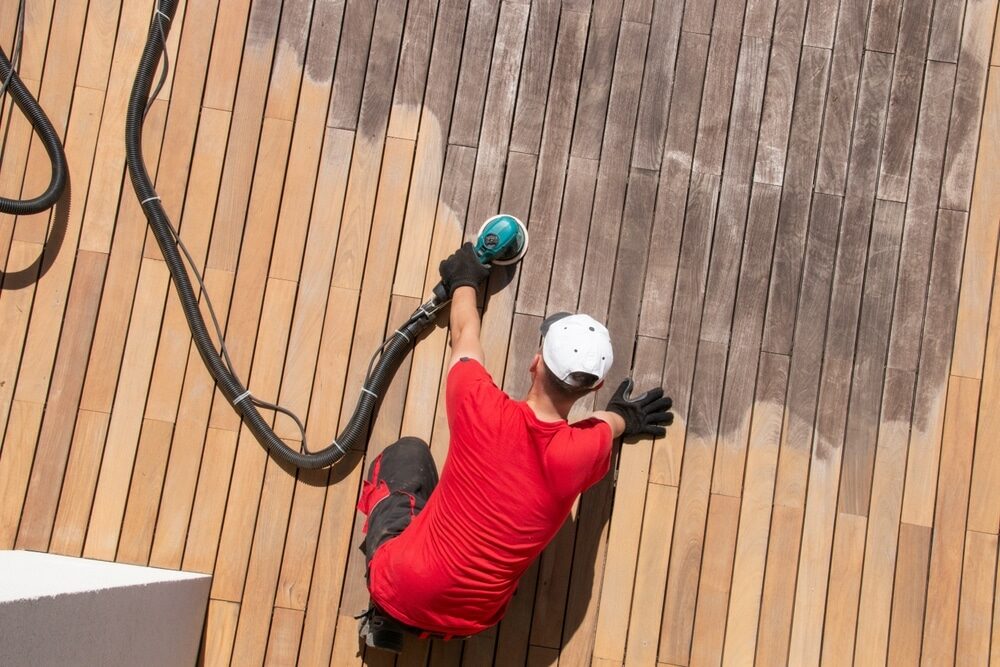
We provide virtually dust-free sanding with our continuous belt machinery with mobile extraction units, giving you a safer environment for your family.
Oiling
This organic finish not only adds beauty to your home but also has exceptional water-repellent characteristics, making it easier to clean and maintain.

Waxing
This natural floor finish offers the softest and most mellow appearance – and leaves your floor able to breath.

Buffing
Using soft buffing machines (and hand-polishing where required) will bring a wonderful sheen to your newly-finished floor.

Repairs
We offer a full assessment of your wooden floors to determine what repairs are needed to provide the perfect working surface for the later stages of sanding, staining and sealing.

Restoration
We offer a comprehensive restoration process designed to address floors that are improperly fitted or damaged over time through wear and tear.
Request a fixed price quote for your wood floor restoration now
Simply enter your postcode below to get started.






Services
Wood Floor Sanding Wood Floor Restoration Wood Floor Scratch Repair Squeaky Wood Floor Repair Parquet Floor Sanding Parquet Floor Restoration Commercial Floor Sanding Church Floor Sanding Community Centre Floor Sanding School Floor Sanding Gap Filling Gap Filling with ResinCopyright © Mr Sander®
Privacy & Cookies Terms & Conditions Complaints Procedure Cancellation Rights Sitemap

Get An Instant Price Estimate Before You Go…
Simply enter the rooms you need sanded and we’ll provide you with a price estimate instantly! Try our price calculator now.
Get a Price Estimate NowLocal Floor Sanding Experts
Over 500 5-Star Reviews
Safe, Dust Free Sanding
Operating Since 1994