London:
Nationwide:


25,000+
Floors Restored

27 Years Experience

Wood Flooring Association Certified
The Science of Hand Scraping Floors: How It Affects Wood’s Grain
Posted on August 31, 2023
Floor sanding techniques
The Art and Science of Hand Scraped Wood Floors
In the realm of exquisite wood flooring, hand scraping stands as a testament to both artistry and science. It might seem to the untrained eye that hand scraping is purely aesthetic, but the truth dives far deeper. Beyond the attractive undulations and textured finishes, the process impinges significantly on the very grain of the wood, fundamentally altering its properties. Today, we shall embark on a journey of understanding—unravelling the science behind hand scraping and its impact on wood grain.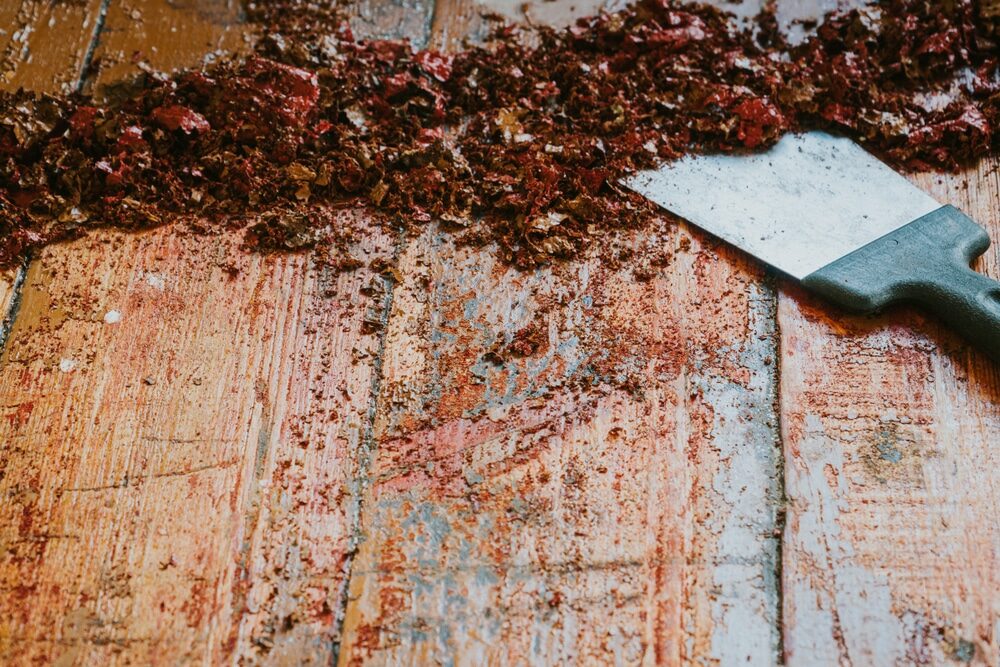
A Nod to History
First, it’s rather delightful to note that hand scraping isn’t a newfangled trend. Long before the industrial age streamlined flooring processes, craftsmen were meticulously hand scraping floors to ensure a level surface. It was both a means of beautifying the wood and ensuring its longevity.The grain of the Wood Floor Matters
To grasp how hand scraping impacts wood, it’s pivotal to first understand the grain. Wood grain refers to the longitudinal arrangement of wood fibres or the pattern resulting from this. Essentially, it’s the wood’s fingerprint—distinct, intricate, and bearing tales of its growth. Now, each plank boasts a combination of heartwood (the wood’s dense inner core) and sapwood (the outer part that’s younger and softer). The pattern these two trees display, combined with the tree’s growth rings, gives each plank its individualistic grain pattern.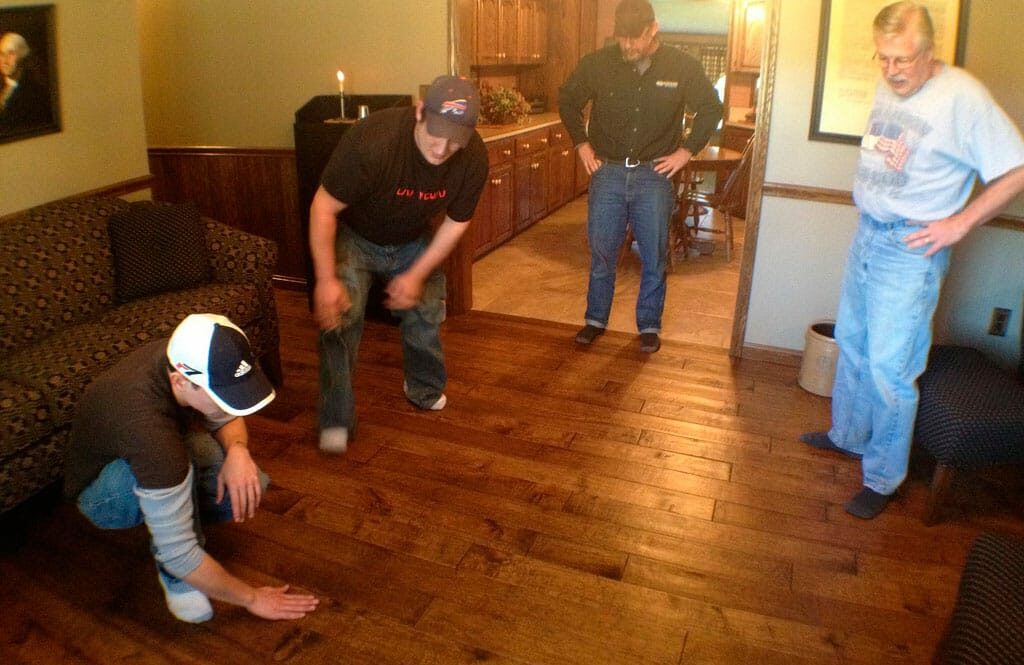
The Hand Scraping Process
In hand scraping, artisans use specialised tools to manually carve out shallow grooves, creating a refined yet rustic appearance. This isn’t just about art; it’s about understanding wood. The craftsman must work in harmony with the grain rather than against it. It’s an intimate dance, led by the wood and followed by the craftsman.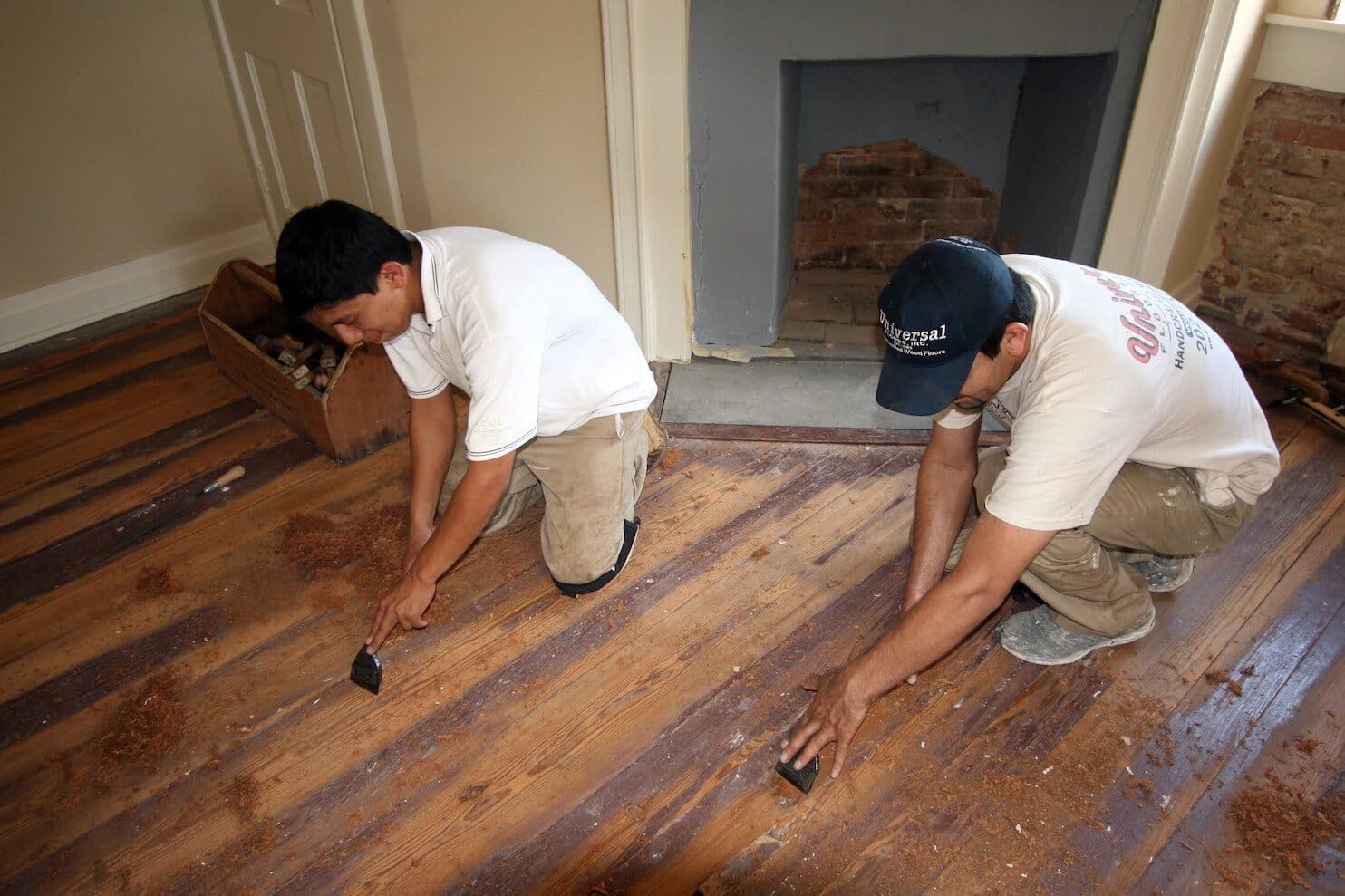
How Hand Scraping Interacts with the Grain
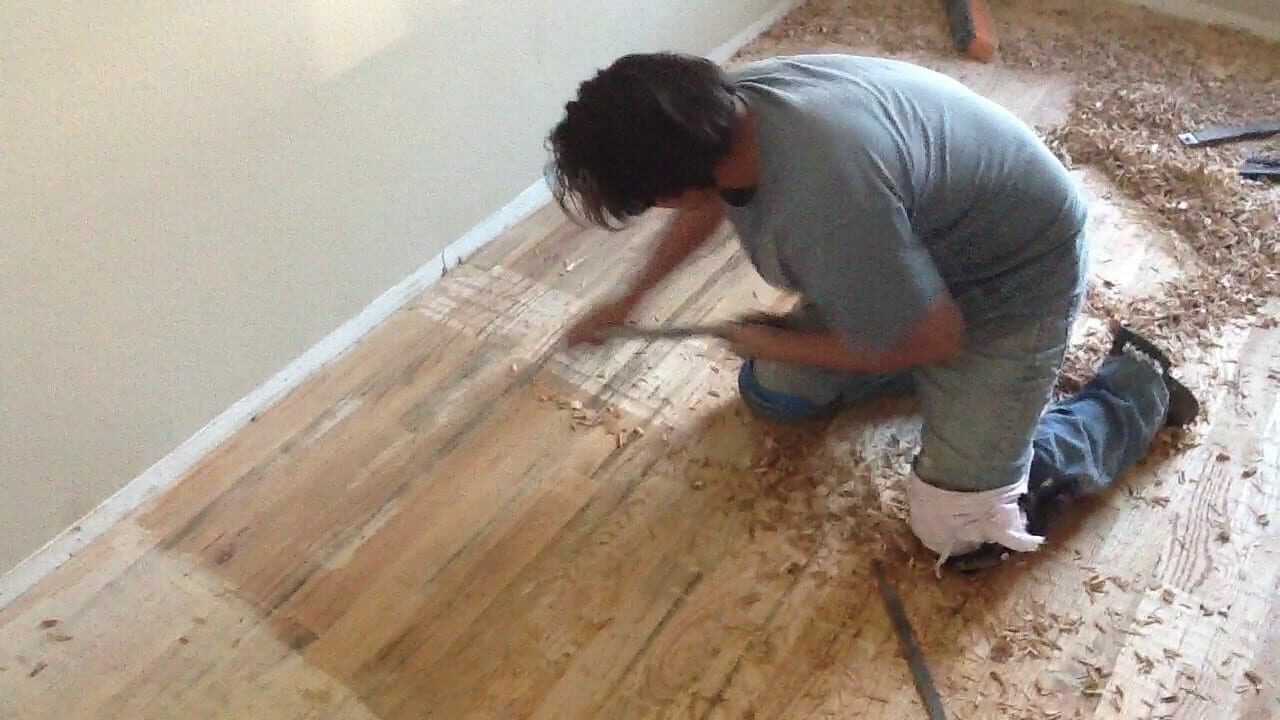
- Enhanced Definition: Hand scraping can emphasise the natural patterns within the wood. By working with the grain, artisans can accentuate the contrast between the heartwood and sapwood, making the grain stand out more pronouncedly.
- Durability and Resistance: An interesting facet of hand-scraped floors is their augmented durability. As the surface becomes irregular, it can hide minor dents and scratches more effectively than perfectly smooth surfaces. Also, the scraping often hardens the outermost layer, fortifying the wood against wear and tear.
- Improved Texture and Tactility: For those who appreciate not just the look but also the feel of their flooring, hand scraping offers a delightful tactile experience. The natural undulations resonate more authentically underfoot, connecting us to the natural world in a way that machine-finished floors often fail to.
The Aesthetics Interwoven with Science
Hand scraping isn’t merely about curating a certain aesthetic. When the grain of the wood is emphasised through the process, the floor absorbs light differently. The undulating surfaces capture and reflect light in a myriad of ways, leading to a more dynamic and engaging visual experience. This is where science and art meld beautifully.Environmental Implications
With the increased emphasis on sustainable living, it’s crucial to mention the environmental impact. Hand scraping, being a manual process, often uses fewer resources than industrial processes. More so, as it increases the wood’s longevity, it indirectly promotes sustainability, as well-maintained floors rarely need replacements.Beyond Aesthetics: The Tangible Benefits
While we’ve touched upon the surface of hand scraping’s relationship with wood grain, there’s still a treasure trove of benefits that this craft brings, extending beyond just the visual appeal.- Temperature Regulation: Wood is a natural insulator, and its grain structure plays a significant role in this property. Hand-scraped surfaces, with their unique contours, can trap tiny pockets of air, thereby improving the floor’s insulating properties. This means that during those chilly winter nights, your floor remains a tad more comfortable underfoot.
- Sound Absorption: Ever noticed the echo in rooms with bare, smooth floors? One lesser-known advantage of hand-scraped wood floors is their acoustic properties. The minute indentations, while seeming insignificant, can help absorb and dampen sound, making for a quieter and more serene environment.
- Health Benefits: Wood floors, particularly those that have been hand scraped, are known to harbour fewer allergens than other types of flooring. The natural oils and finishes used in the process make it difficult for dust mites and other allergens to settle. Moreover, they’re easier to clean and maintain, ensuring a healthier living space.
- Authentic Ageing: As hand-scraped floors age, they do so gracefully. Instead of showing glaring signs of wear, they develop a patina that only enhances their character. The natural grooves and indentations mature beautifully, embracing the passage of time rather than succumbing to it.
- Customization: The process of hand scraping is inherently bespoke. Every craftsman has their own technique, and every piece of wood has a unique grain. Homeowners have the luxury of working closely with artisans, ensuring that the final outcome aligns perfectly with their vision. This level of customization is hard to achieve with machine-finished products.
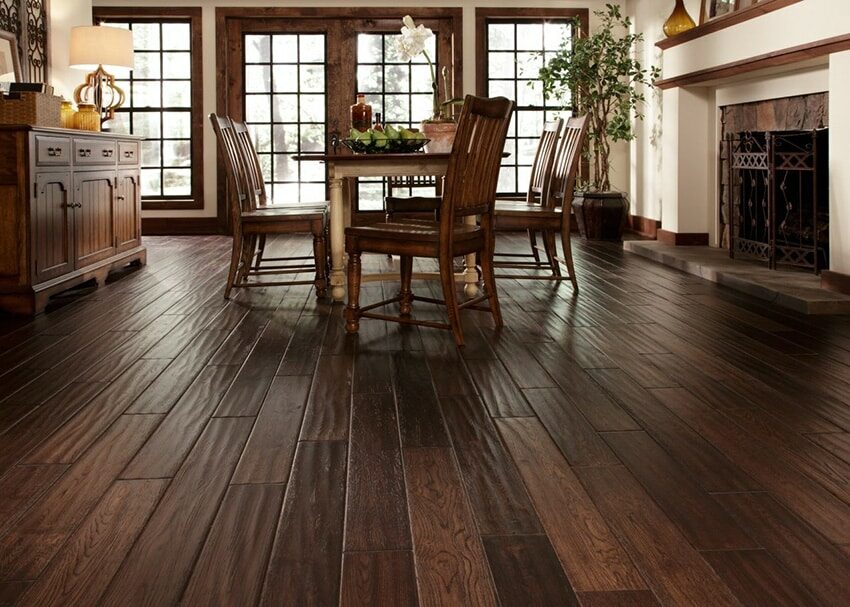

Economic Value
Lastly, it’s worth mentioning the economic implications of hand-scraped floors. While the initial investment might be higher compared to standard finishes, the long-term benefits translate into savings. The longevity of the wood, combined with reduced maintenance costs and timeless aesthetic appeal, ensures that your property’s value appreciates. It’s a classic case of quality over quantity, of investing in craftsmanship that stands the test of time. Having understood these intricate details, one begins to view hand-scraped wood floors with renewed respect. They’re not just floors; they’re canvases bearing testimony to human skill and nature’s magnificence.Conclusion
The world of wood flooring is vast and deep, and the art of hand scraping is but one of its many wonders. Yet understanding its impact on wood grain brings us closer to appreciating the nuanced interplay between nature’s gifts and human artistry. It’s an ode to the times when craftsmanship was slow, deliberate, and reverent of the materials in use. In our fast-paced world, it’s heartening to see practices like hand scraping endure, reminding us that sometimes the slow, meticulous path yields results that are not just beautiful but scientifically superior. So, the next time you tread on a hand-scraped floor, take a moment to appreciate not just its beauty but also the profound science and history beneath your feet.Some Useful Links:
- Stairs Sanding & Refinishing
- Floor Sanding Services
- School Floor Sanding
- Wood Floor Restorations
- Wood Floor Repairs
- Wood Floor Polishing
More from our Blog:
Hand Scraping for Wide Plank Floors: Creating a Unique, Custom Look The Versatility of Hand Scraping Floors: From Modern to Traditional Design Sanding and Hand Scraping Combination Techniques for Custom Wood Floors Hand Scraping Techniques for Different Types of Hardwood Floors How to Hand Scrape Floors Safely and Effectively Hand Scraping Floors: Reviving Antique Wood for a Vintage Look The History and Evolution of Hand Scraping Floors Hand Scraping for New Construction: Adding Character to Modern Spaces

Sanding
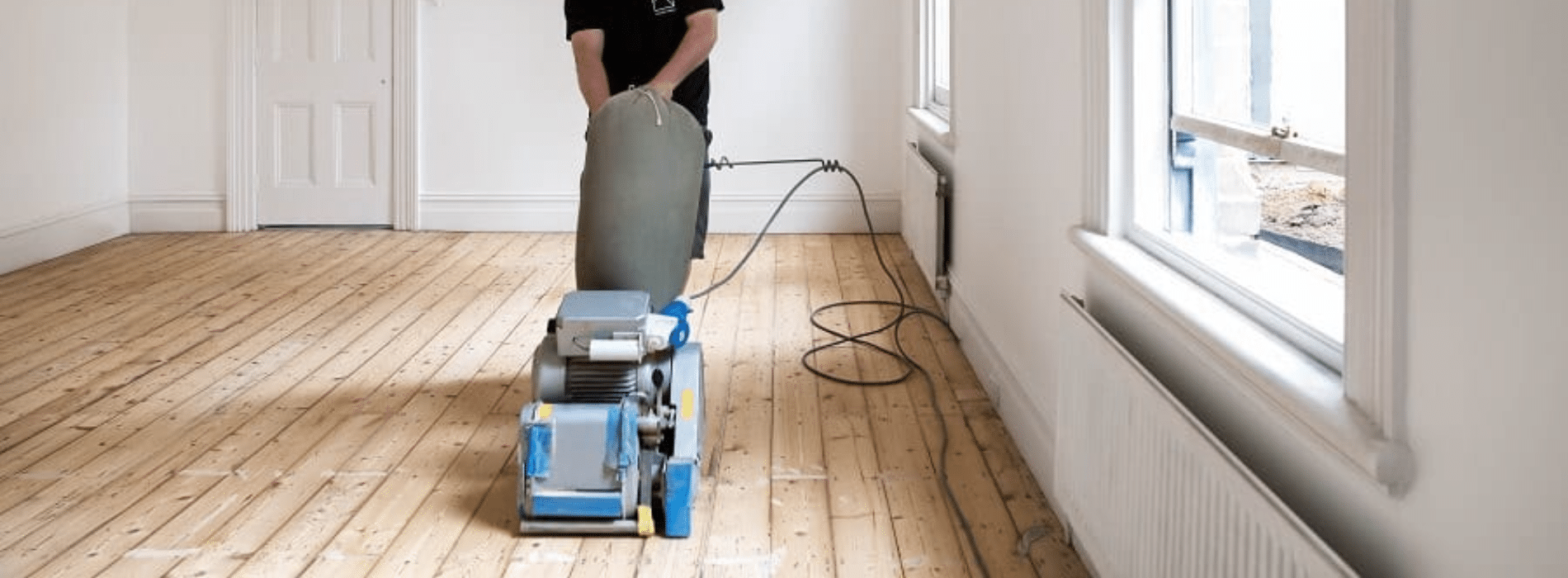
We provide virtually dust-free sanding with our continuous belt machinery with mobile extraction units, giving you a safer environment for your family.

Oiling
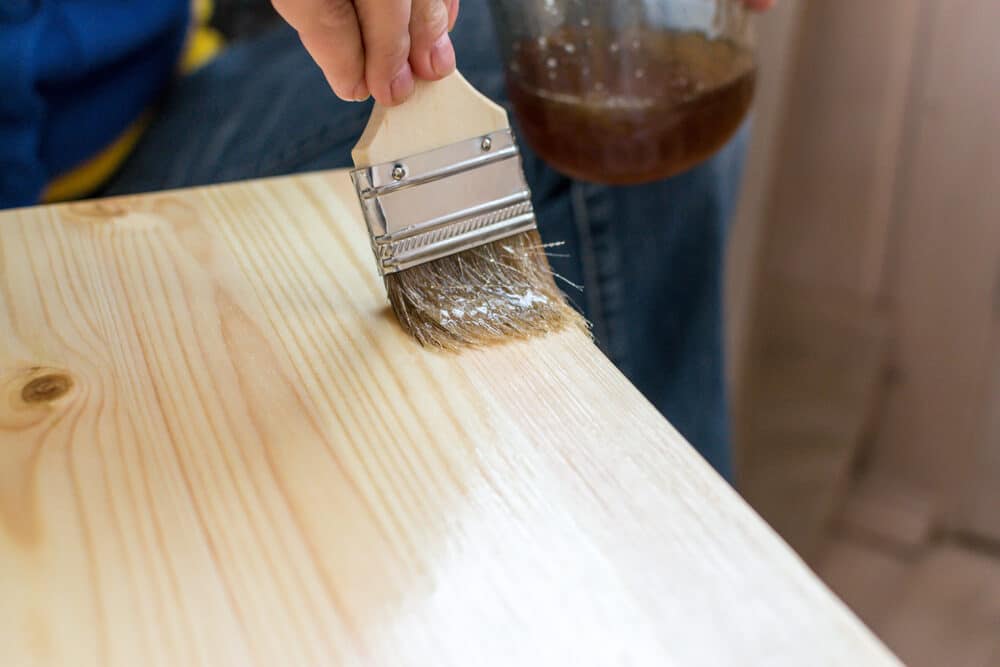
This organic finish not only adds beauty to your home but also has exceptional water-repellent characteristics, making it easier to clean and maintain.

Waxing
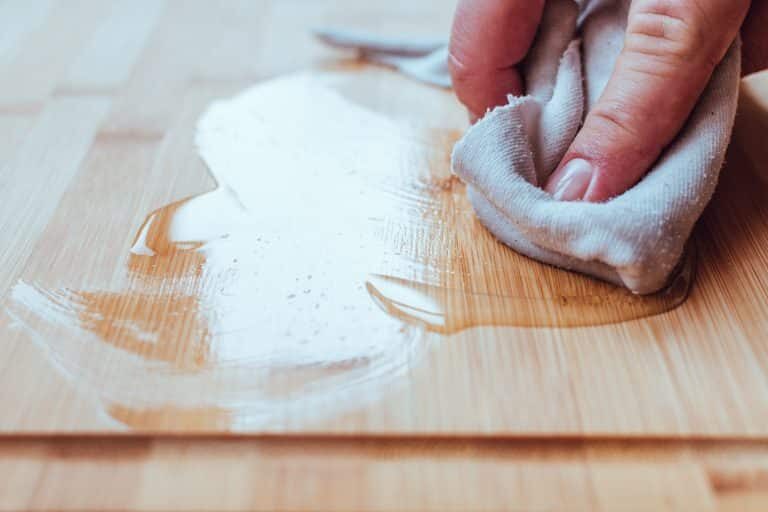
This natural floor finish offers the softest and most mellow appearance – and leaves your floor able to breath.

Buffing
Using soft buffing machines (and hand-polishing where required) will bring a wonderful sheen to your newly-finished floor.

Repairs
We offer a full assessment of your wooden floors to determine what repairs are needed to provide the perfect working surface for the later stages of sanding, staining and sealing.

Restoration
We offer a comprehensive restoration process designed to address floors that are improperly fitted or damaged over time through wear and tear.
Request a fixed price quote for your wood floor restoration now
Simply enter your postcode below to get started.






Services
Wood Floor Sanding Wood Floor Restoration Wood Floor Scratch Repair Squeaky Wood Floor Repair Parquet Floor Sanding Parquet Floor Restoration Commercial Floor Sanding Church Floor Sanding Community Centre Floor Sanding School Floor Sanding Gap Filling Gap Filling with ResinCopyright © Mr Sander®
Privacy & Cookies Terms & Conditions Complaints Procedure Cancellation Rights Sitemap

Get An Instant Price Estimate Before You Go…
Simply enter the rooms you need sanded and we’ll provide you with a price estimate instantly! Try our price calculator now.
Get a Price Estimate NowLocal Floor Sanding Experts
Over 500 5-Star Reviews
Safe, Dust Free Sanding
Operating Since 1994