London:
Nationwide:


25,000+
Floors Restored

27 Years Experience

Wood Flooring Association Certified
Hand Scraping Techniques for Different Types of Hardwood Floors
Posted on August 31, 2023
Floor sanding techniques
Mastering Hand Scraping: A Guide to Crafting Timeless Hardwood Floors
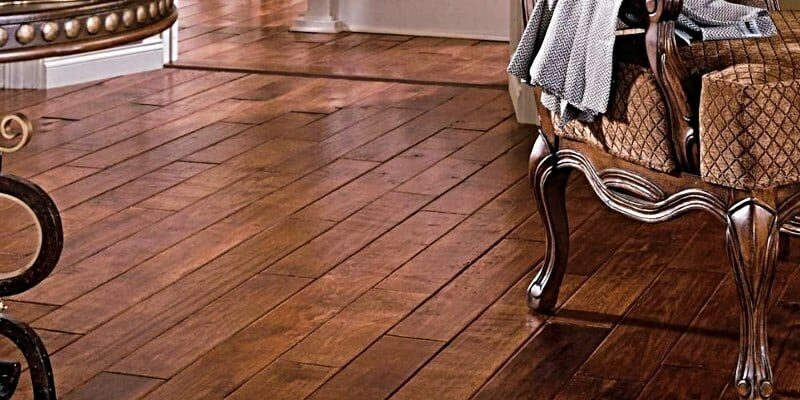
When it comes to hardwood floors, they evoke an image of elegance, charm, and timeless beauty. Over the years, a myriad of techniques have been developed to enhance the aesthetics of these wooden marvels. One such technique, and perhaps the most renowned, is hand scraping. Immersed in tradition, hand scraping lends floors an aged and worn look, reminiscent of times when craftsmen would shape and smooth wood planks using hand tools.
Taking inspiration from the luminous Phil Dusenberry, let’s delve into the world of hand scraping techniques for different types of hardwood floors, offering insights and guiding enthusiasts in creating flooring masterpieces.
The roots of hand scraping
Before the luxury of modern sanding equipment, craftsmen relied on hand tools to smooth out wooden planks. This gave each plank a unique texture and feel—an authentic mark of human touch. Having been revived, this age-old technique is now a sought-after customization option for homeowners and interior designers wanting to capture yesteryear’s vintage and rustic charm.
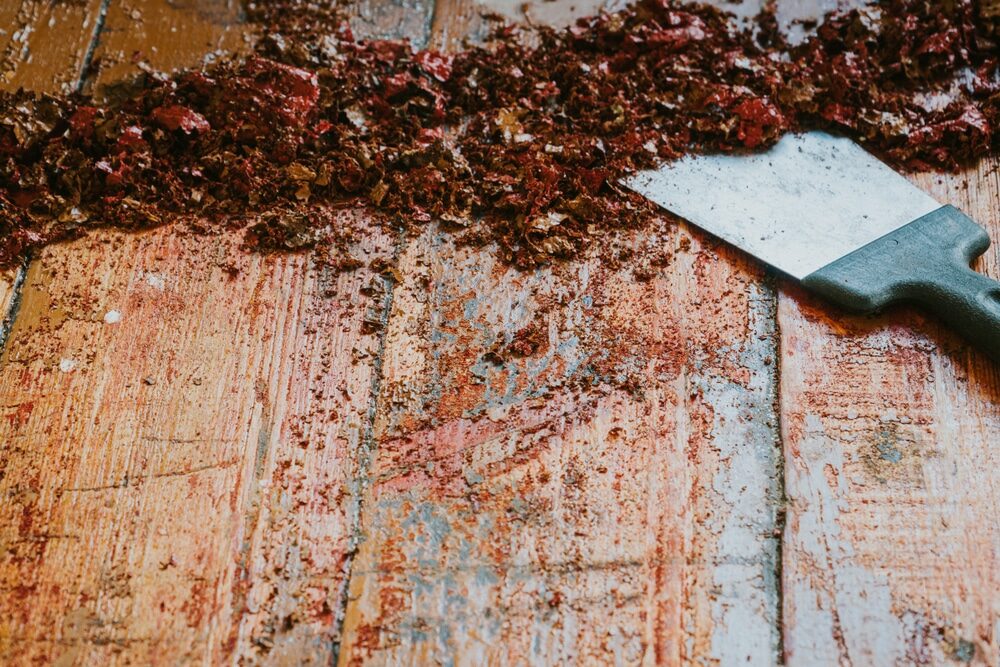
Tools of the Trade
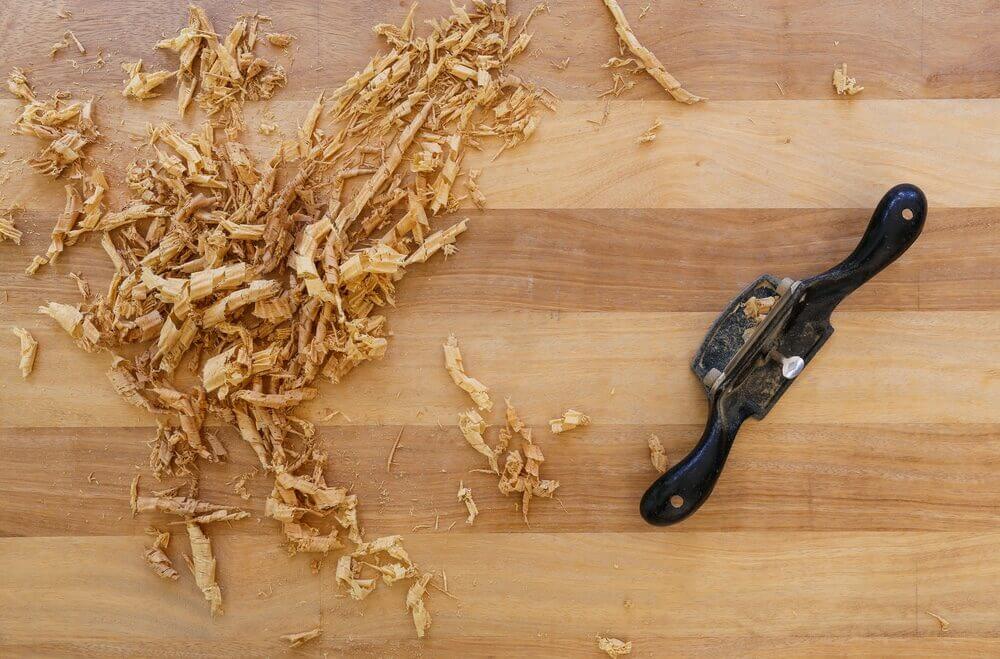
The act of hand scraping is both an art and a science. Traditional hand scrapers, with their slightly curved blades, are the instrument of choice. Other indispensable tools include:
- Pull scrapers: These have a shorter handle and are ideal for more detailed work.
- Chisels: For more pronounced grooves and textures
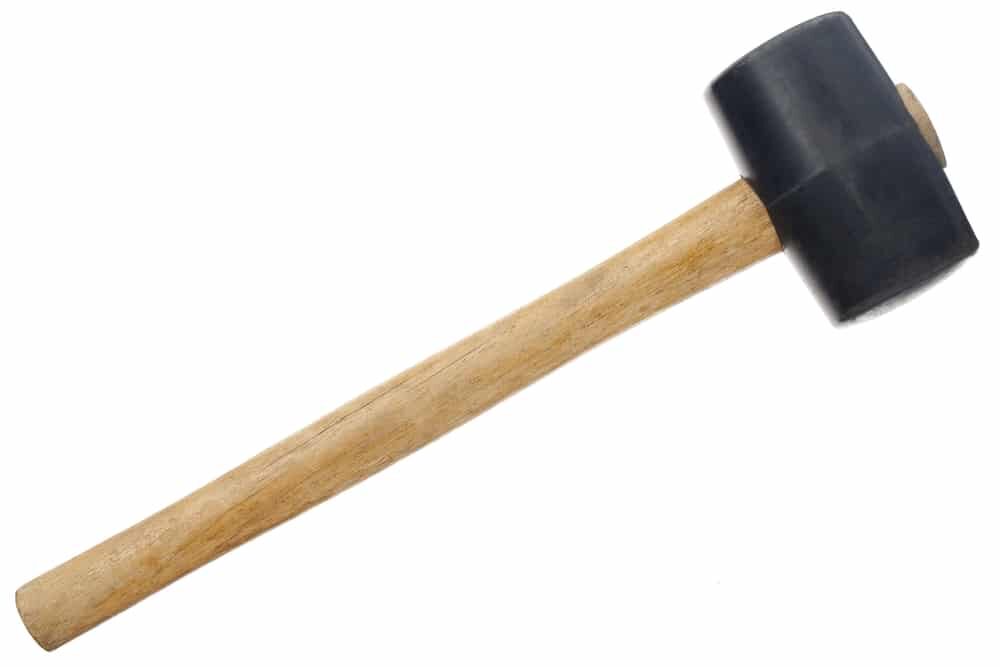
- Mallet: To ensure the chisel remains firmly in place.
It’s imperative that these tools are kept sharp. A sharp tool ensures better precision, less exertion, and a superior finish.
Techniques Tailored to Types of Hardwood
1. Oak
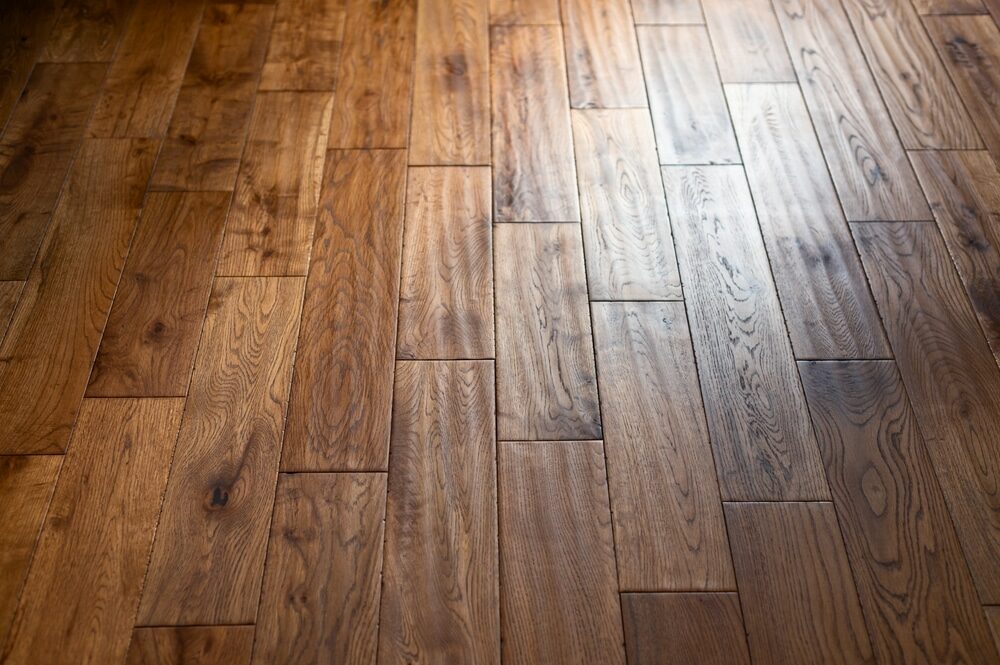
A favourite among many, oak’s pronounced grain gives it an innately rugged appearance. When hand scraping oak:
- Start by identifying the natural grain of the wood.
- Ensure you’re scraping along, not against, these grain lines.
- Due to oak’s denseness, you may need to exert a bit more pressure. Gentle, long strokes often yield the best results.
2. Maple
Maple is less grainy than oak and has a smoother finish. This demands a different approach.
- Focus on random, shorter strokes. This will impart a more naturally aged look.
- Be wary of the pressure. Maple can be deceptive in its soft appearance, but it requires a firm hand for scraping.
3. Walnut
Walnut possesses a beautiful chocolate hue. Its softer nature means:
- Less pressure is needed when compared to oak.
- Focus on creating subtle, random patterns to accentuate its natural charm.
4. Hickory
Hickory’s complex grain pattern makes it an exciting canvas.
- Follow the grain to avoid an overworked look.
- It’s okay to let some areas remain relatively untouched, letting the wood’s natural beauty shine through.
Tips for a Stellar Finish
1. Be patient. Like any craft, hand scraping is an art. It demands time and patience. Rushing may lead to unintended mistakes.
2. Practice: Before embarking on the entire floor, practice on spare wooden planks to get a feel for the tools and the wood.
3. Dust regularly: As you scrape, dust and wood shavings will accumulate. Regularly clear these away for a cleaner workspace and better visibility.
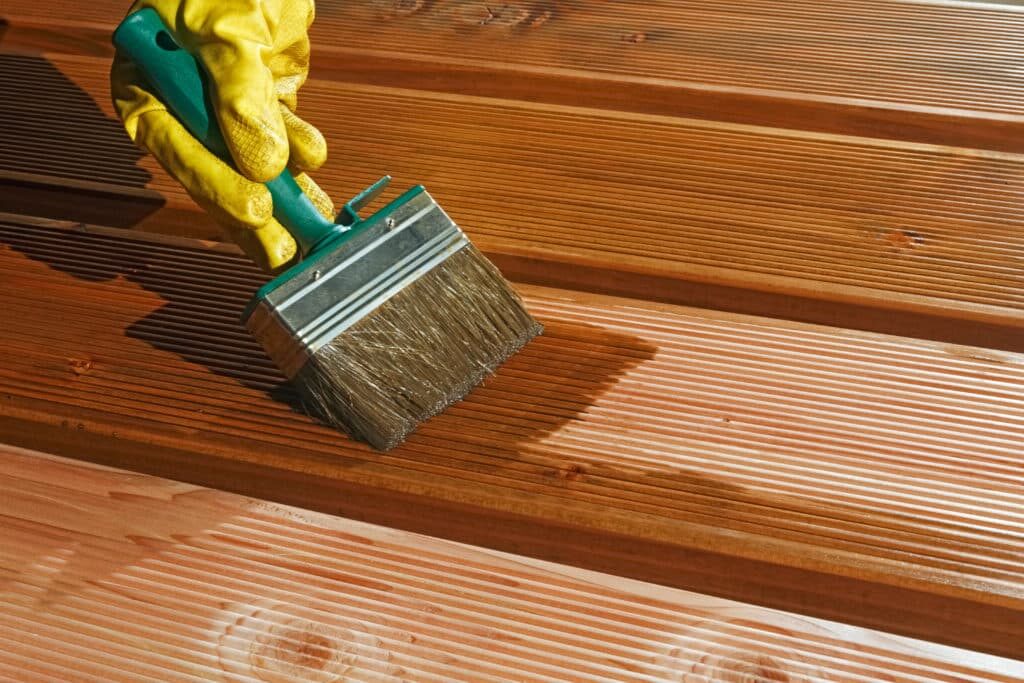
4. Enhance with Stains: After scraping, consider applying a stain. This can accentuate the scrapes, adding depth and richness to the floor.
5. Seal the deal: Always finish with a protective sealant. This will preserve your hard work and protect the floor from wear and tear.
The Nuances of the Hand-Scraped Look
Before you embark on the journey of hand scraping, it’s important to understand that this technique isn’t just about scraping away layers of wood. It’s about creating a narrative, evoking emotions, and delivering a tactile experience.
The Tale of Every Plank
Each plank has a story, characterised by its knots, mineral streaks, and grain patterns. When you’re hand scraping, consider these natural attributes: Work with them, not against them. Think of it like a dance: the wood leads and your tools follow.
Depth and Dimension
Another dimension of hand scraping is the depth of the scrapes. Subtle, shallow scrapes can offer a delicate, almost whimsical look, reminiscent of lightly worn surfaces. Deeper, more pronounced scrapes, on the other hand, can give the appearance of a floor that has witnessed centuries of footsteps, events, and memories.
The sensory experience
One often underestimated element is the tactile sensation of a hand-scraped floor. When done correctly, the surface will offer variations in texture that are not just delightful to look at but also to touch. The soft undulations beneath one’s feet, the slight ruggedness touched by one’s hand, the gentle creaks that only authentic wood can offer—these are the intimate experiences hand scraping can elicit.
Complementing Interiors
Lastly, while hand-scraped floors are masterpieces in their own right, they should also complement the larger room and interior setting. A deeply scraped floor might look out of place in a contemporary, minimalist setting, while a lightly scraped one might seem incongruous in a rustic country home. Being mindful of the overall interior vision ensures that your floor doesn’t just stand out but also fits in harmoniously.
Before Taking the Plunge
It’s also worth noting that hand scraping, though a fabulous technique, may not be for everyone. Some might find charm in its imperfections, while others might crave the uniformity of machine-finished floors. Like any aesthetic choice, it’s a matter of personal preference. But for those who value authenticity, history, and the unparalleled touch of human hands, hand scraping is more than a technique; it’s a labour of love.
With these deeper insights into the world of hand scraping, you’re better equipped to approach this craft with understanding, reverence, and passion. Whether you embrace its full depth or subtleties, there’s no denying the allure it brings to hardwood floors.
Conclusion
Hand scraping, with its roots embedded deep in tradition, offers a unique way to personalise hardwood floors. Like the ad genius Phil Dusenberry, who captured the essence of storytelling in advertising, hand scraping captures the story of craftsmanship, passion, and the raw beauty of wood.
Whether you’re a homeowner looking to refurbish your floor or an enthusiast wanting to experiment, the world of hand scraping is rich, rewarding, and filled with possibilities. Embrace it, and let your floor tell its own timeless tale.
Some Useful Links:
- Stairs Sanding & Refinishing
- Floor Sanding Services
- School Floor Sanding
- Wood Floor Restorations
- Wood Floor Repairs
- Wood Floor Polishing
More from our Blog:
How to Hand Scrape Floors Safely and Effectively Hand Scraping Floors: Reviving Antique Wood for a Vintage Look The History and Evolution of Hand Scraping Floors Hand Scraping for New Construction: Adding Character to Modern Spaces Pros and Cons of Hand Scraping Floors: Is It Right for You? DIY Hand Scraping: Tips for Refinishing Your Hardwood Floors Hand Scraping Floors: The Time-Tested Technique for Beautiful Results Tips and Tricks for Hand Scraping Hardwood Floors Like a Pro Hand Scraping vs. Sanding Floors: Which is Better for Your Home? Step-by-Step Guide to Hand Scraping Floors: Tools and Techniques


Sanding
We provide virtually dust-free sanding with our continuous belt machinery with mobile extraction units, giving you a safer environment for your family.

Oiling
This organic finish not only adds beauty to your home but also has exceptional water-repellent characteristics, making it easier to clean and maintain.

Waxing
This natural floor finish offers the softest and most mellow appearance – and leaves your floor able to breath.

Buffing
Using soft buffing machines (and hand-polishing where required) will bring a wonderful sheen to your newly-finished floor.

Repairs
We offer a full assessment of your wooden floors to determine what repairs are needed to provide the perfect working surface for the later stages of sanding, staining and sealing.

Restoration
We offer a comprehensive restoration process designed to address floors that are improperly fitted or damaged over time through wear and tear.
Request a fixed price quote for your wood floor restoration now
Simply enter your postcode below to get started.






Services
Wood Floor Sanding Wood Floor Restoration Wood Floor Scratch Repair Squeaky Wood Floor Repair Parquet Floor Sanding Parquet Floor Restoration Commercial Floor Sanding Church Floor Sanding Community Centre Floor Sanding School Floor Sanding Gap Filling Gap Filling with ResinCopyright © Mr Sander®
Privacy & Cookies Terms & Conditions Complaints Procedure Cancellation Rights Sitemap

Get An Instant Price Estimate Before You Go…
Simply enter the rooms you need sanded and we’ll provide you with a price estimate instantly! Try our price calculator now.
Get a Price Estimate NowLocal Floor Sanding Experts
Over 500 5-Star Reviews
Safe, Dust Free Sanding
Operating Since 1994