London:
Nationwide:


25,000+
Floors Restored

27 Years Experience

Wood Flooring Association Certified
Wood Floor Sanding: Which System Is Best For You
Posted on June 12, 2023
Blog
Navigating Wood Floor Sanding: Choosing the Best System for Your Needs
Wood floor sanding is an essential part of maintaining the longevity and aesthetics of your wooden floors. However, not all sanding systems are created equal, and the best one for you depends on various factors. This comprehensive guide will help you understand different wood floor sanding systems and how to choose the best one for your needs.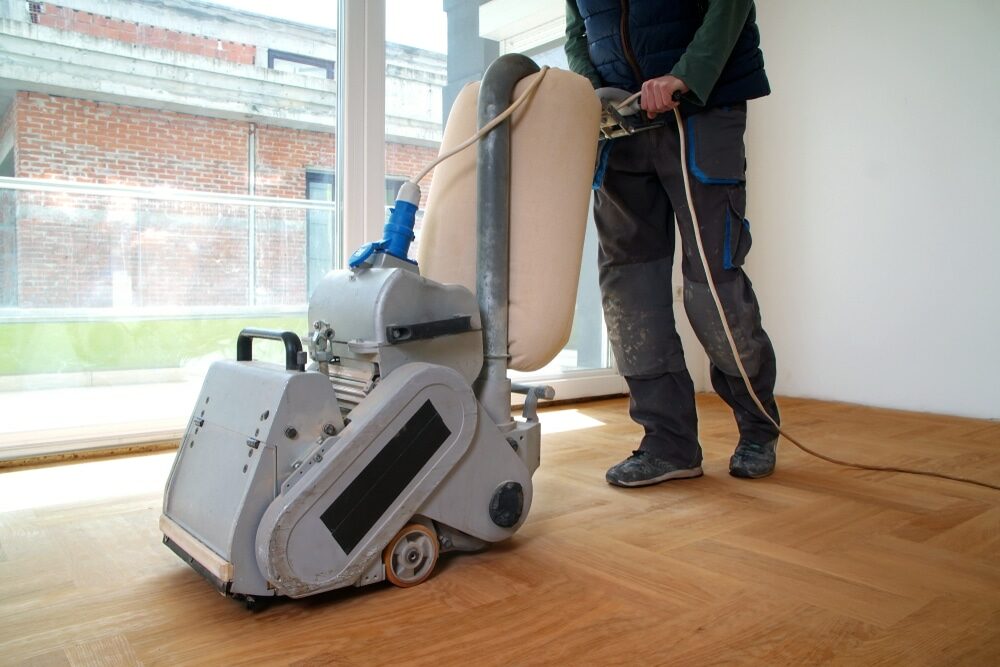
1. Introduction to Wood Floor Sanding
Wood floor sanding is a process that involves removing the top surface of a wooden floor by methodically grinding it down with abrasive materials. It’s an essential step in refinishing your hardwood floors, helping to eliminate scratches, dents, and unevenness and restoring the wood’s natural beauty.2. Drum Sanding Systems
One of the oldest and most common methods of sanding a wooden floor is using a drum sander. This heavy-duty machine uses a rotating drum wrapped in sandpaper to grind down the wood surface. Drum sanding is effective for heavy sanding and removing deep scratches and stains. However, it can be aggressive and may cause damage if not used correctly.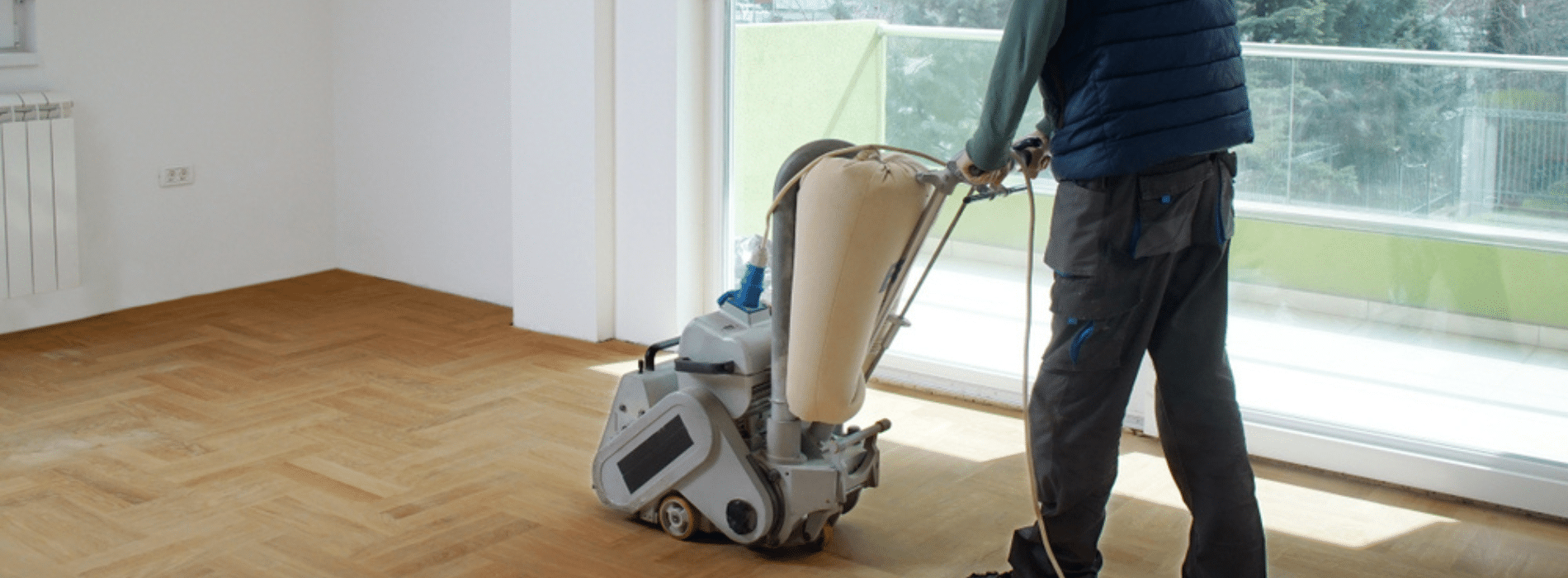
3. Orbital Sanding Systems
An orbital sander, also known as a pad sander, uses a vibrating or oscillating motion to sand the floor. This makes it gentler and less likely to cause damage compared to drum sanders. Orbital sanders are great for light sanding and polishing, and they are easier to use, making them a good choice for DIY enthusiasts.4. Belt sanding systems
Belt sanders are similar to drum sanders in that they also use a continuous belt of sandpaper to remove the top layer of wood. However, they are generally more manageable and less aggressive than drum sanders. They provide a middle ground between drum and orbital sanders and are a popular choice for professional floor refinishing.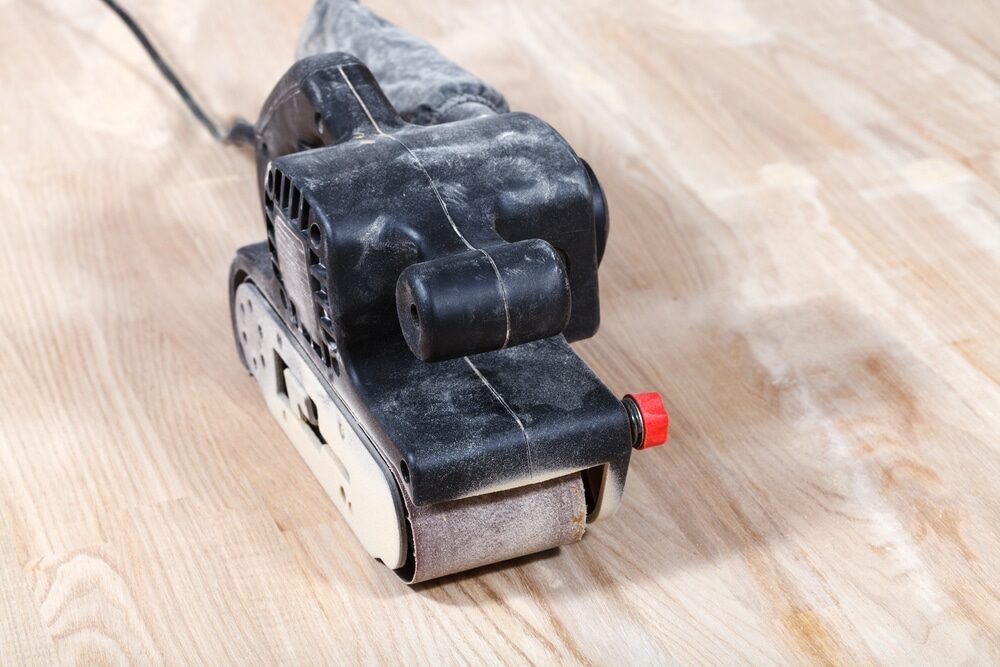
5. Dustless sanding systems
Dustless sanding systems have gained popularity in recent years. These systems use a vacuum to suck up the dust created during sanding, making the process cleaner and healthier. While no system can completely eliminate dust, dustless sanding systems can significantly reduce the amount of airborne dust during the sanding process.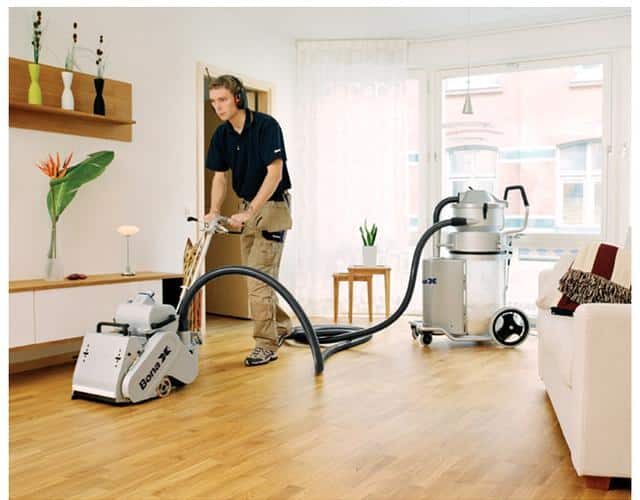
6. Factors to Consider When Choosing a Sanding System
Choosing the best sanding system depends on several factors, including the condition of your floor, your skill level, the amount of dust you can tolerate, and your budget. It’s important to evaluate these factors carefully to choose a sanding system that best suits your needs.7. The Importance of the Grit Sequence
Regardless of the sanding system you choose, following the correct grit sequence is crucial. Starting with coarse-grit sandpaper to remove the old finish and scratches and gradually moving to finer grits will ensure a smooth and even finish.8. The Role of a Professional Floor Sander
Hiring a professional floor sander can save you time and ensure a high-quality result. Professionals have the experience and knowledge to choose the best sanding system and techniques for your floor. They also have access to professional-grade machines that may provide a superior result compared to rental equipment.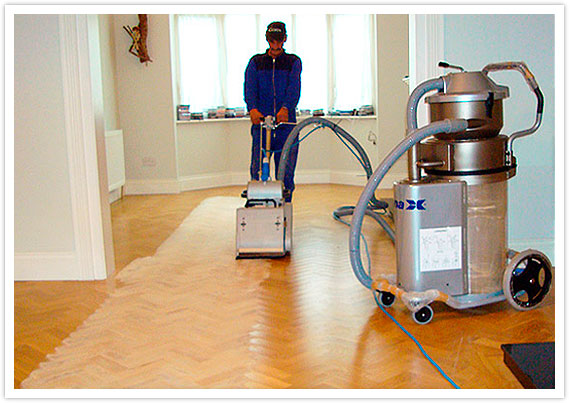
9. Safety Measures During Wood Floor Sanding
Helps to speed up the drying process if you plan to refinish the floor afterward. Moreover, you should always follow the manufacturer’s instructions when using sanding equipment to avoid accidents.10. Post-Sanding Care
Once the sanding process is complete, it’s essential to take care of your newly refinished floor to maintain its appearance. This includes cleaning the floor regularly to remove dust and debris, avoiding wearing shoes that can cause scratches, and applying a fresh coat of finish or wax when necessary. Proper post-sanding care will ensure your wood floor stays beautiful for many years to come.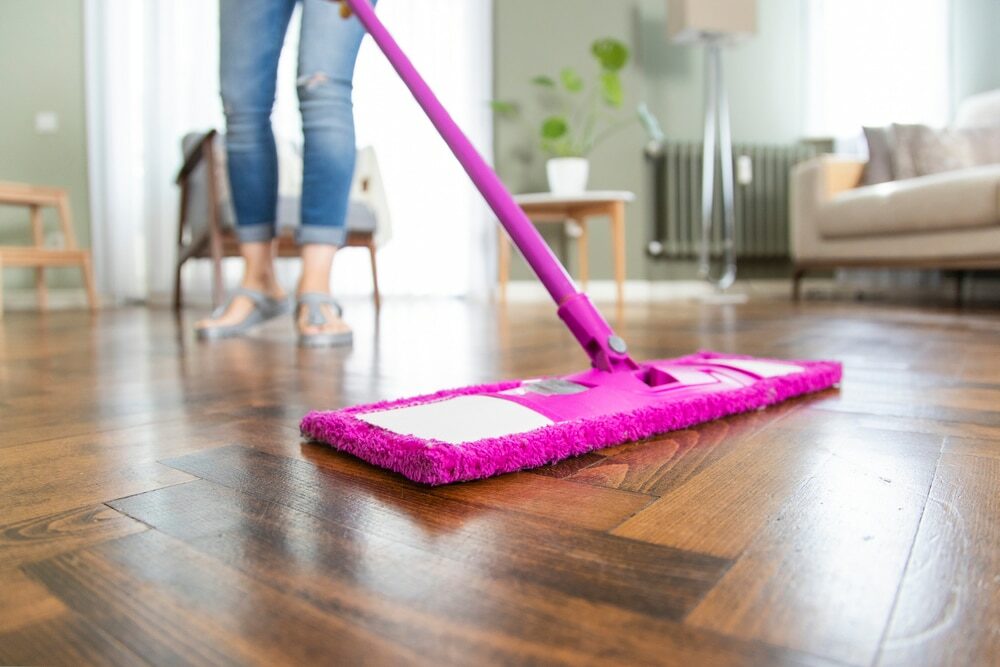
Conclusion
Wood floor sanding is a crucial aspect of hardwood floor maintenance. Understanding different sanding systems and the factors to consider when choosing one can help ensure a successful sanding project. Whether you choose a drum, orbital, belt, or dustless sanding system, the key is to match the system to your specific needs, skill level, and the condition of your floor. And remember, when in doubt, it’s always best to consult with a professional floor sander to ensure the job is done correctly and safely.Some Useful Links:
- Floor Sanding Services
- School Floor Sanding
- Wood Floor Restorations
- Wood Floor Repairs
- Wood Floor Polishing
More from our Blog:
Rise of Vinyl Flooring in the UK | Mr Sander® Unveiling the Popularity of Bamboo Wood Flooring 10 Simple Tips to Keep Your Parquet Floor Beautiful for Life Why Choose Osmo Hardwax Oil for Your Wooden Floors? Proven Methods for Effective Dustless Floor Sanding & Polishing



Sanding
We provide virtually dust-free sanding with our continuous belt machinery with mobile extraction units, giving you a safer environment for your family.

Oiling
This organic finish not only adds beauty to your home but also has exceptional water-repellent characteristics, making it easier to clean and maintain.

Waxing
This natural floor finish offers the softest and most mellow appearance – and leaves your floor able to breath.

Buffing
Using soft buffing machines (and hand-polishing where required) will bring a wonderful sheen to your newly-finished floor.

Repairs
We offer a full assessment of your wooden floors to determine what repairs are needed to provide the perfect working surface for the later stages of sanding, staining and sealing.

Restoration
We offer a comprehensive restoration process designed to address floors that are improperly fitted or damaged over time through wear and tear.
Request a fixed price quote for your wood floor restoration now
Simply enter your postcode below to get started.






Services
Wood Floor Sanding Wood Floor Restoration Wood Floor Scratch Repair Squeaky Wood Floor Repair Parquet Floor Sanding Parquet Floor Restoration Commercial Floor Sanding Church Floor Sanding Community Centre Floor Sanding School Floor Sanding Gap Filling Gap Filling with ResinCopyright © Mr Sander®
Privacy & Cookies Terms & Conditions Complaints Procedure Cancellation Rights Sitemap

Get An Instant Price Estimate Before You Go…
Simply enter the rooms you need sanded and we’ll provide you with a price estimate instantly! Try our price calculator now.
Get a Price Estimate NowLocal Floor Sanding Experts
Over 500 5-Star Reviews
Safe, Dust Free Sanding
Operating Since 1994