London:
Nationwide:


25,000+
Floors Restored

27 Years Experience

Wood Flooring Association Certified
Discover the Art of Wood floor restoration | A matter of taste
Posted on April 10, 2023
Blog
Mastering the Craft of Wood Floor Restoration: Creating Unique Spaces with Timeless Charm and Individual Flair
There’s no denying the elegance and charm of a beautifully restored wood floor. The warm hues, intricate patterns, and natural textures can transform any space into a warm, inviting environment. However, wood floor restoration is not just about aesthetics—it’s also about personal taste, practicality, and functionality. In this comprehensive guide, we’ll explore the world of wood floor restoration, delving into the different types of wood, the process of restoring them, and how to achieve a finish that perfectly suits your taste and lifestyle.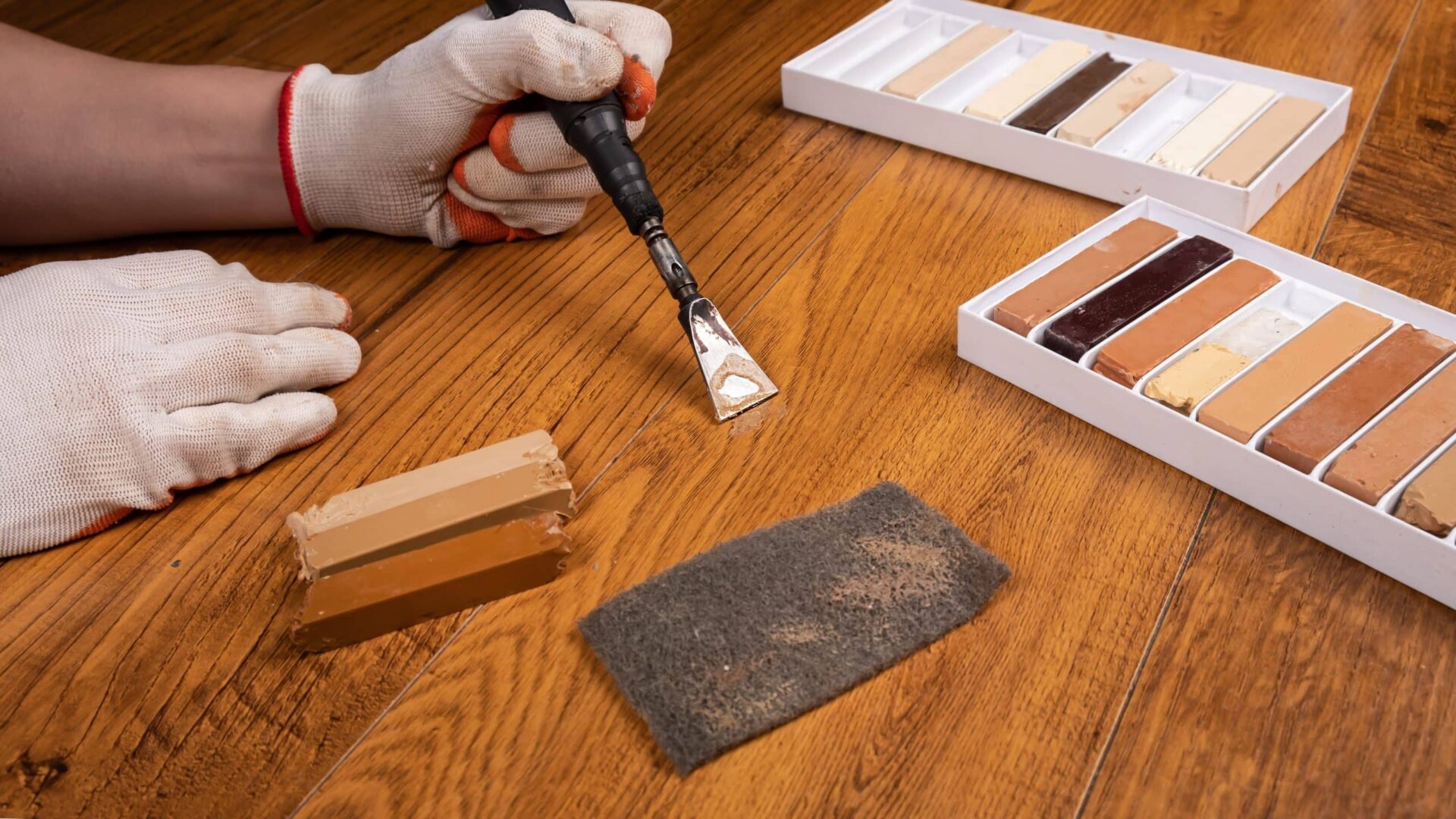
1.The Beauty and Versatility of Wood Floors
Wood floors have long been a popular choice among homeowners and interior designers alike, thanks to their timeless beauty, durability, and versatility. They come in an array of styles, colours, and patterns, each with its own unique character and charm. From classic oak and maple to more exotic species like teak and bamboo, there’s a wood floor to suit every taste and design preference.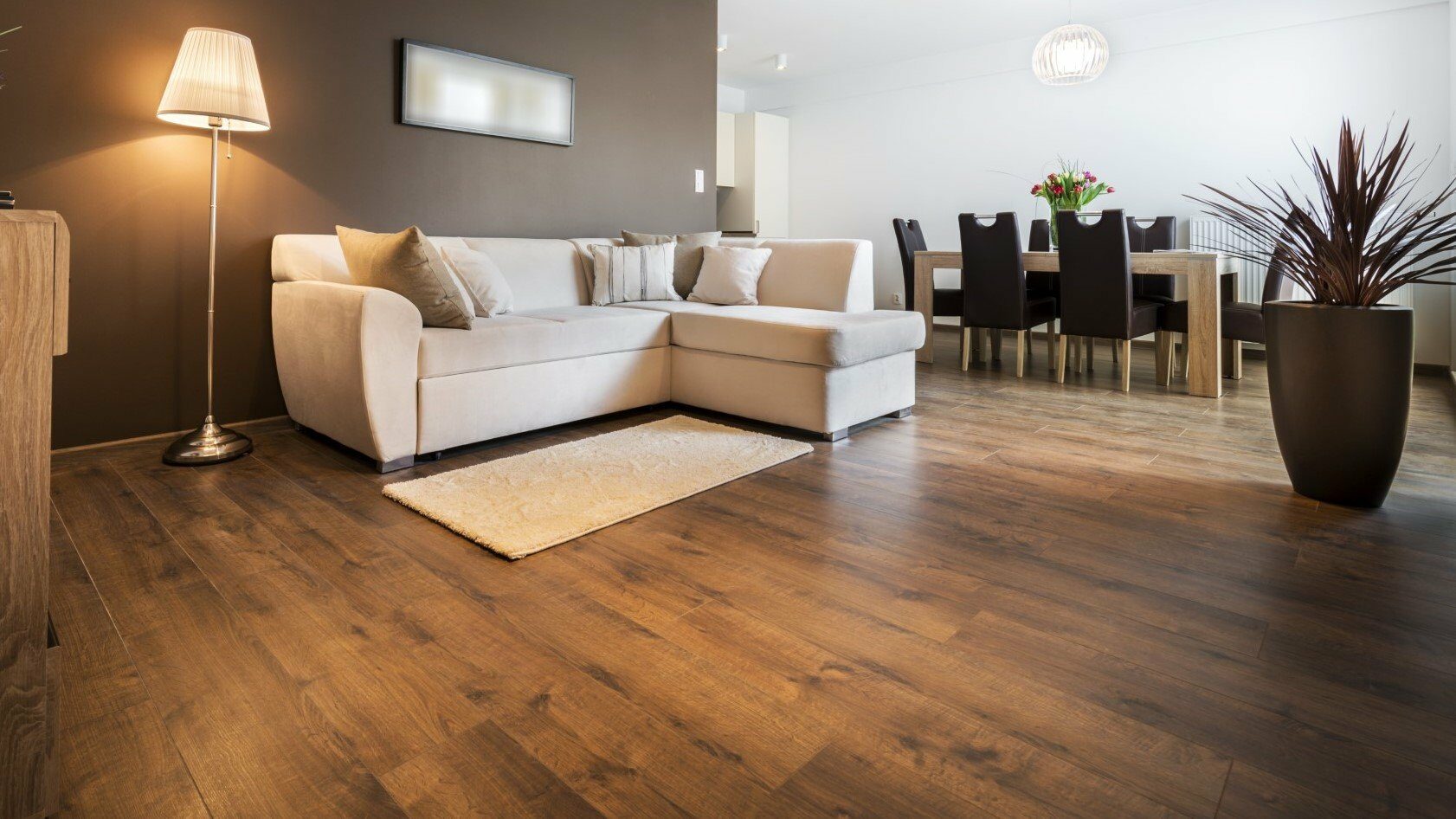
2. Factors to Consider Before Restoring Your Wood Floor
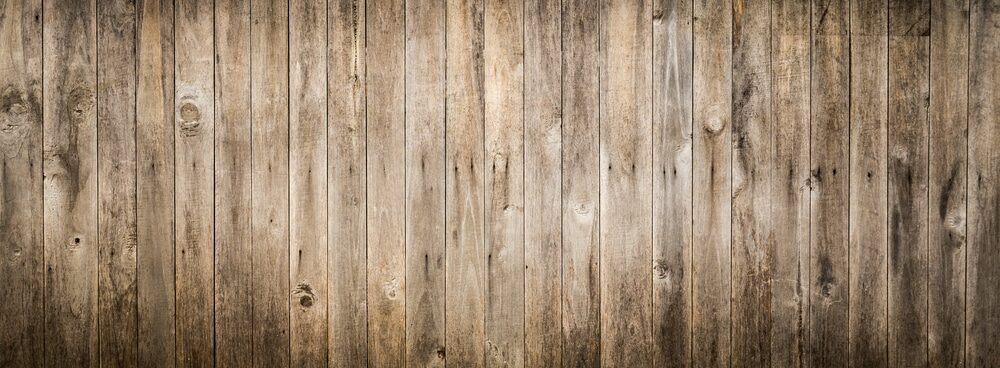
Before embarking on a wood floor restoration project, it’s crucial to assess the condition of your floor and consider your personal preferences, budget, and desired outcome. Here are some factors to take into account:- The type of wood: Different wood species have varying properties, which can affect the restoration process and the final result.
- The age and condition of the floor: Older floors may require more extensive repairs, while heavily damaged floors might not be worth restoring.
- The desired look and finish: Consider your personal style, the design of your home, and the level of maintenance you’re willing to commit to.
3. Wood Floor Restoration: A Step-by-Step Guide
Restoring a wood floor typically involves several steps, including:- Assessing the condition of the floor
- Repairing any damage or replacing damaged boards
- Sanding the floor to remove the old finish and even out the surface
- Staining or colouring the wood (optional)
- Applying a protective finish
- Buffing and polishing the floor
- Restoration Techniques: Which One Is Right for You?
4. The Importance of Choosing the Right Finish
- Selecting the right finish for your wood floor is crucial, as it not only affects the final appearance but also provides protection against wear and tear. Some popular finishes include:
- Oil-based polyurethane: Offers a durable, glossy finish that highlights the natural grain of the wood.
- Water-based polyurethane: It provides a clear, non-yellowing finish that is eco-friendly and dries quickly.
- Hardwax oil: Penetrates the wood, enhancing its natural beauty and providing a matte, natural-looking finish that is easy to maintain.
- Shellac: A traditional, natural finish derived from the resin of the lac bug, offering a warm, amber tone.
- Wax: Creates a soft, matte finish that is easy to apply and buff but requires more frequent maintenance than other finishes.
5. The Role of Colour and Texture in Wood Floor Restoration
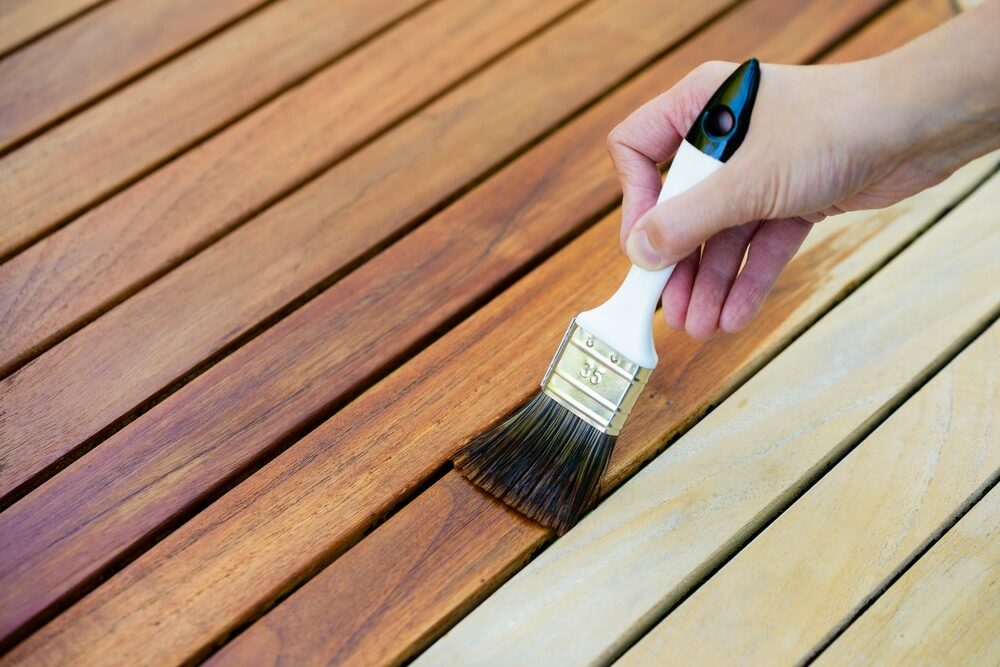
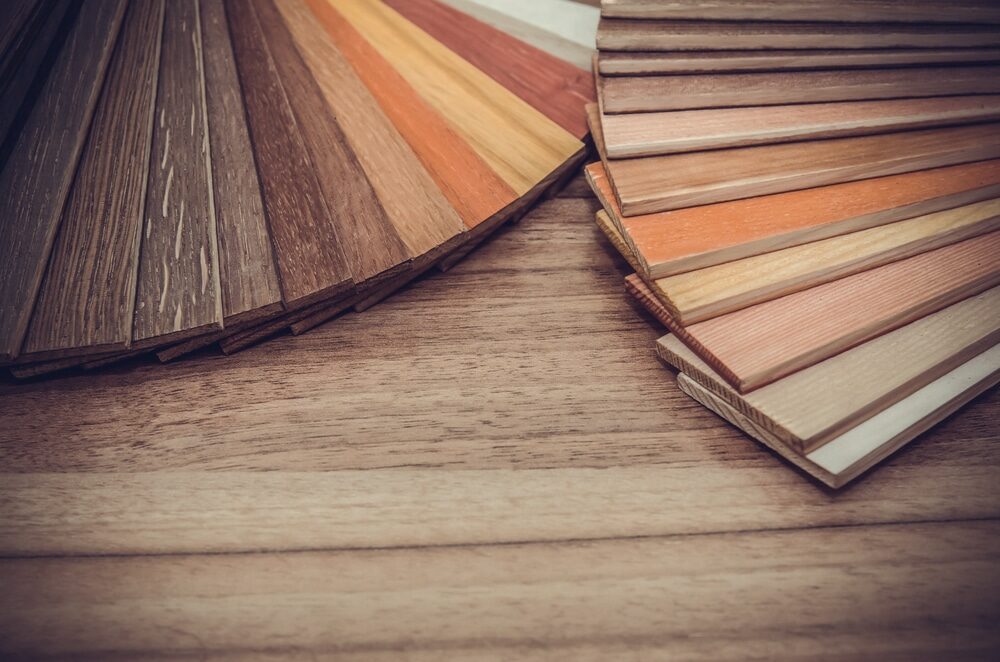
When it comes to wood floor restoration, colour and texture play a significant role in achieving the desired look and style. Consider the following when making your choices:- Staining: Wood stains are available in a wide range of colours, allowing you to enhance or alter the natural colour of your floor to better suit your taste and décor.
- Reactive stains: These react with the natural tannins in the wood, creating unique and varied colour effects.
- Wire brushing: A technique that removes the softer wood fibres, leaving the harder grain exposed, creating a textured surface that emphasises the natural grain pattern.
6. Combining Traditional and Modern Techniques for a Unique Result
By combining traditional and modern techniques during the restoration process, you can create a one-of-a-kind wood floor that perfectly complements your personal taste and the style of your home. For example, you might choose to incorporate hand-scraping or distressing for a rustic, antique look and then finish the floor with a contemporary, eco-friendly finish like water-based polyurethane.7. Wood Floor Maintenance: Keeping Your Floors Looking Great
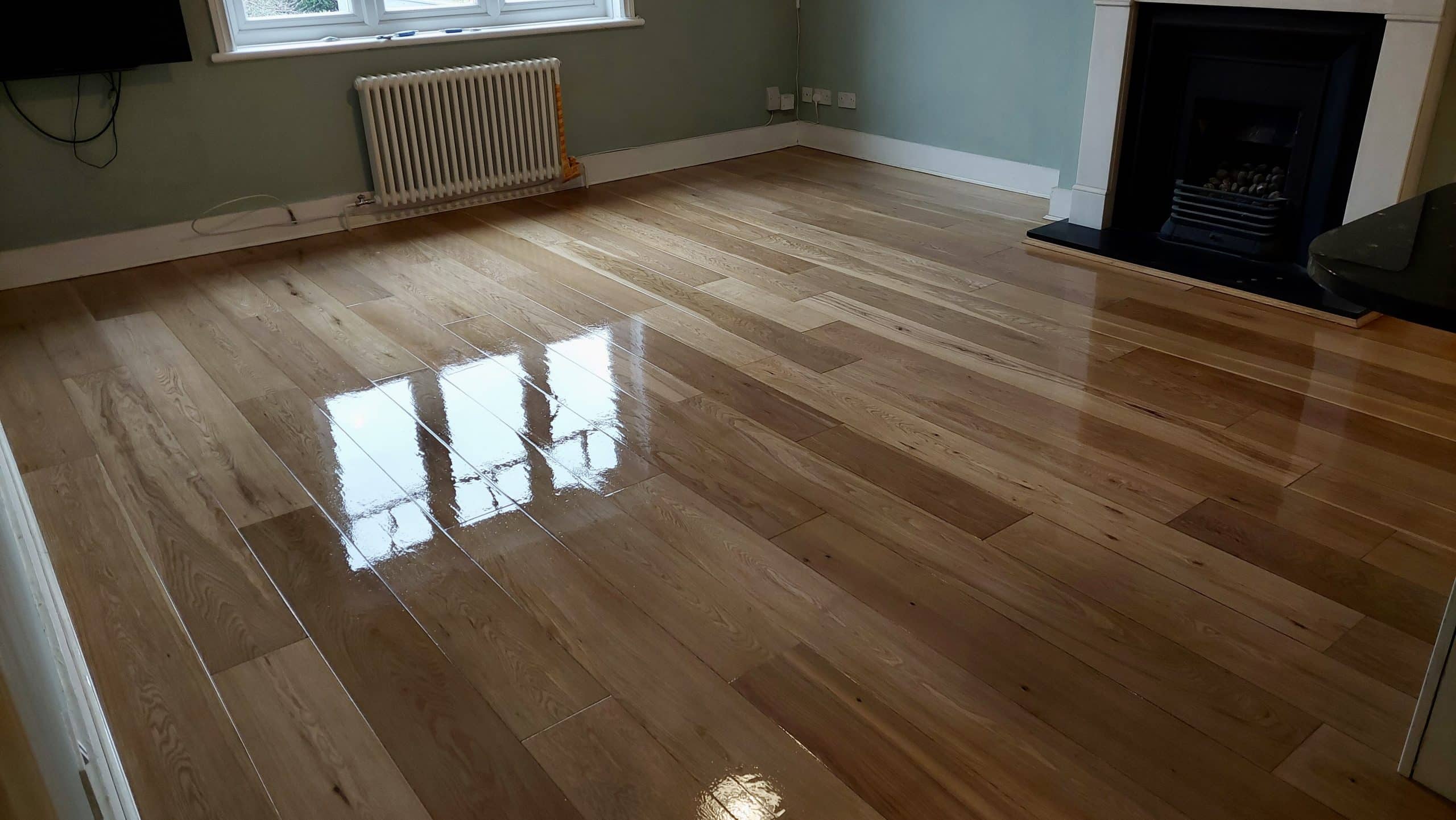
- To ensure the longevity of your restored wood floor, it’s essential to follow a proper maintenance routine. Some tips include:
- Regular sweeping or vacuuming to remove dirt and grit that can scratch the surface
- Using protective pads on furniture legs to prevent scratches and dents
- Promptly cleaning spills to avoid stains and damage
- Periodically applying a maintenance coat or re-waxing, depending on the type of finish
8. The Environmental Benefits of Restoring Wood Floors
Choosing to restore an existing wood floor rather than replace it has several environmental benefits. Restoration prolongs the life of the floor, reduces waste, and conserves natural resources by not requiring the use of new materials. Additionally, many modern finishes and restoration techniques are eco-friendly, minimising the environmental impact of the process.Some Useful Links:
Conclusion
Wood floor restoration is truly a matter of taste, allowing you to create a floor that reflects your personal style and enhances the beauty of your home. By considering factors like the type of wood, the desired finish, and the role of colour and texture, you can craft a unique, stunning floor that will last for years to come. Embrace the character and charm of your wood floor and enjoy the warmth and elegance it brings to your living space.More from our Blog:
Sanding Wooden Floors is Very Easy | Step-by-Step Guide The Easy Process of Sanding a Floor: A Comprehensive Guide Avoiding Pitfalls: Top Common Mistakes in Wood Floor Refinishing and How to Prevent Them



Sanding
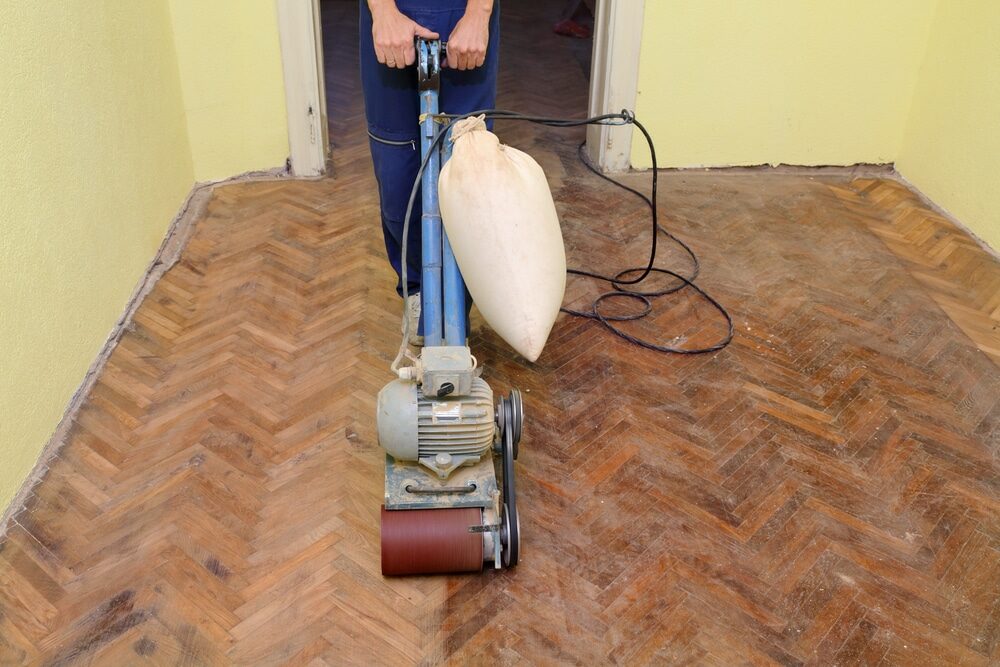
We provide virtually dust-free sanding with our continuous belt machinery with mobile extraction units, giving you a safer environment for your family.

Oiling
This organic finish not only adds beauty to your home but also has exceptional water-repellent characteristics, making it easier to clean and maintain.

Waxing
This natural floor finish offers the softest and most mellow appearance – and leaves your floor able to breath.

Buffing
Using soft buffing machines (and hand-polishing where required) will bring a wonderful sheen to your newly-finished floor.

Repairs
We offer a full assessment of your wooden floors to determine what repairs are needed to provide the perfect working surface for the later stages of sanding, staining and sealing.

Restoration
We offer a comprehensive restoration process designed to address floors that are improperly fitted or damaged over time through wear and tear.
Request a fixed price quote for your wood floor restoration now
Simply enter your postcode below to get started.






Services
Wood Floor Sanding Wood Floor Restoration Wood Floor Scratch Repair Squeaky Wood Floor Repair Parquet Floor Sanding Parquet Floor Restoration Commercial Floor Sanding Church Floor Sanding Community Centre Floor Sanding School Floor Sanding Gap Filling Gap Filling with ResinCopyright © Mr Sander®
Privacy & Cookies Terms & Conditions Complaints Procedure Cancellation Rights Sitemap

Get An Instant Price Estimate Before You Go…
Simply enter the rooms you need sanded and we’ll provide you with a price estimate instantly! Try our price calculator now.
Get a Price Estimate NowLocal Floor Sanding Experts
Over 500 5-Star Reviews
Safe, Dust Free Sanding
Operating Since 1994