London:
Nationwide:


25,000+
Floors Restored

27 Years Experience

Wood Flooring Association Certified
Wood Floors: A Natural Solution for Allergy Sufferers
Posted on May 15, 2023
Floor Sanding Services News
The Allergy-Relieving Benefits of Wood Floors
As allergy sufferers know all too well, invisible enemies inhabit our homes. Dust mites, pet dander, pollen, and moulds can wreak havoc on those susceptible to allergies, causing discomfort and health issues that can be difficult to manage. However, there’s a surprisingly simple and stylish solution to this problem: wood flooring. In this blog post, we’re going to explore how wood floors can be beneficial for allergy sufferers, contributing to a healthier, happier home environment.

Understanding Indoor Allergies
Let’s begin by understanding indoor allergies. These occur when the immune system reacts to harmless substances such as dust, pollen, or pet dander. The immune response can cause symptoms like sneezing, runny nose, itchy eyes, and even asthma. The common culprits of indoor allergies are dust mites, pet allergens, mould spores, and pollen.
Dust mites, the most common indoor allergen, thrive in warm, humid environments and feed on human skin flakes. They are often found in carpets, upholstery, bedding, and stuffed toys. Pet allergens come from pet dander (skin flakes), saliva, and urine. They can become airborne and are easily inhaled, triggering allergies. Mould spores, which can grow in damp areas of the home, and pollen, often brought into the home from outside, can also lead to allergic reactions.
The Problem with Carpets
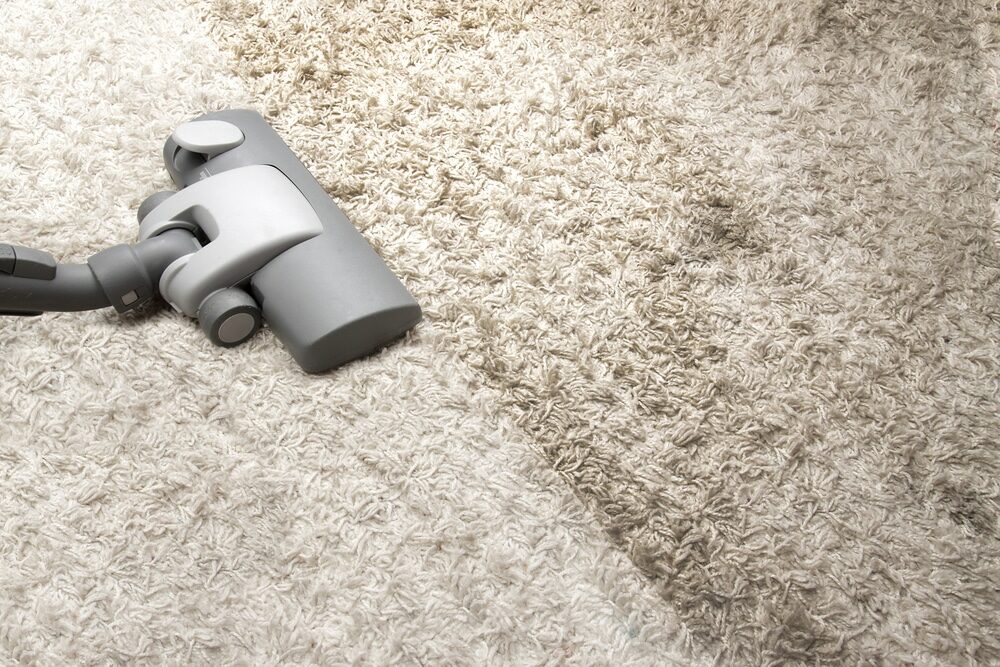
Carpets may seem like a cosy and comfortable flooring option, but they can be a breeding ground for allergens. The fibres in carpets trap allergens, making them difficult to remove even with regular vacuuming. Over time, these trapped allergens can accumulate, exacerbating allergy symptoms for those living in the house.
What’s more, carpets can also retain moisture, providing an ideal environment for mould and mildew to grow. This is particularly problematic in areas with high humidity or in the case of spills that aren’t cleaned up quickly. Mould spores can then become airborne, leading to further allergic reactions.
Why Wood Floors?
In contrast to carpets, wood floors offer a multitude of benefits for allergy sufferers. The most significant advantage is the elimination of a thriving environment for allergens. Unlike carpet, wood flooring doesn’t provide a habitat for dust mites, doesn’t trap pet allergens, and doesn’t retain moisture, thereby reducing the risk of mold growth.
- No Dust Mites: Dust mites have a hard time surviving on wood floors because these surfaces lack the warm, fibrous environment that they prefer. This means fewer dust mites in your home, reducing the chances of triggering an allergic reaction.
- No Trapped Pet Allergens: With wood floors, pet dander, saliva, and urine allergens are not trapped as they can be in carpet fibers. Any pet allergens that do end up on the floor can be easily cleaned up, preventing them from becoming airborne and being inhaled.
- No Mould Growth: Wood floors don’t hold onto moisture like carpets do, so they don’t provide an ideal environment for mould and mildew to grow. If you live in a particularly humid area or are concerned about spills, consider choosing a hardwood like teak or white oak, which have natural resistance to water.
In addition, wood floors are straightforward to clean. Regular sweeping or vacuuming, along with occasional mopping or polishing, is typically all that’s needed to keep wood floors looking their best. This ease of cleaning helps maintain a low-allergen environment.
Choosing the Right Wood Floor
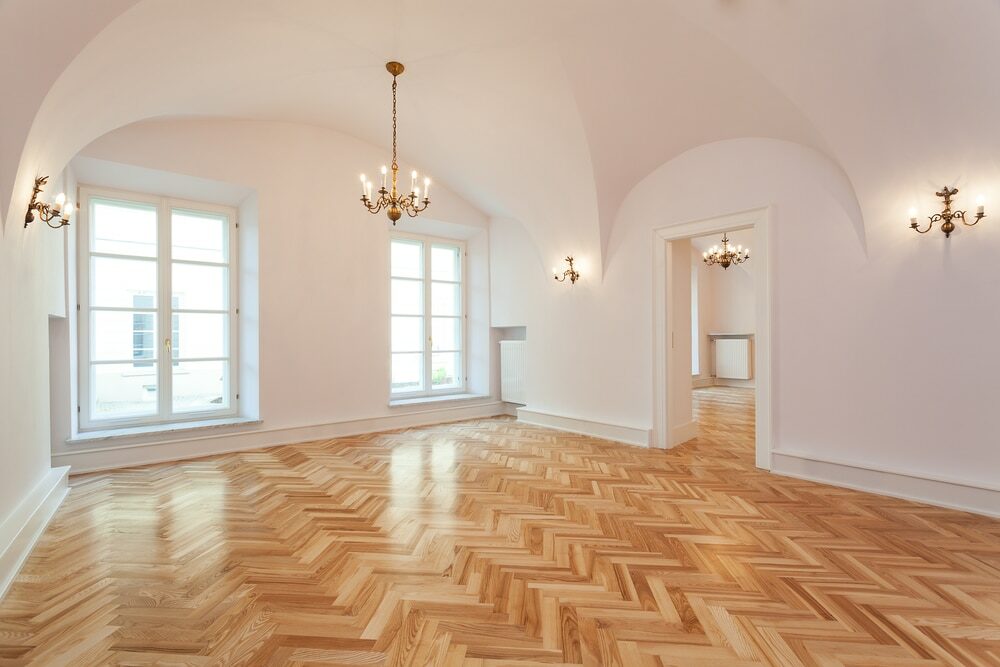
When it comes to choosing the right wood floor, it’s important to consider several factors. In addition to aesthetic appeal and durability, you’ll want to think about how easy it is to clean and maintain, how well it resists moisture, and whether it’s sustainably sourced.
- Easy to clean: opt for a wood floor with a strong finish. The finish will protect the wood underneath from damage, make it easier to clean, and provide a smooth surface where allergens can’t hide. Prefinished wood floors are a good choice, as they often have stronger finishes.
- Moisture Resistance: If moisture is a concern, consider a hardwood species that is known for its water resistance, such as teak or white oak. Engineered wood flooring, which is made from multiple layers of wood with a hardwood veneer on top, is another good option, as it tends to be more stable and less prone to warping from moisture than solid wood.
- Sustainability: If you’re concerned about the environmental impact, look for wood flooring that is certified by the Forest Stewardship Council (FSC). FSC certification ensures that the wood was sourced from responsibly managed forests that are environmentally conscious, socially beneficial, and economically viable.
Installation and Maintenance
Proper installation and maintenance are key to ensuring the longevity of your wood floors and keeping allergens at bay.
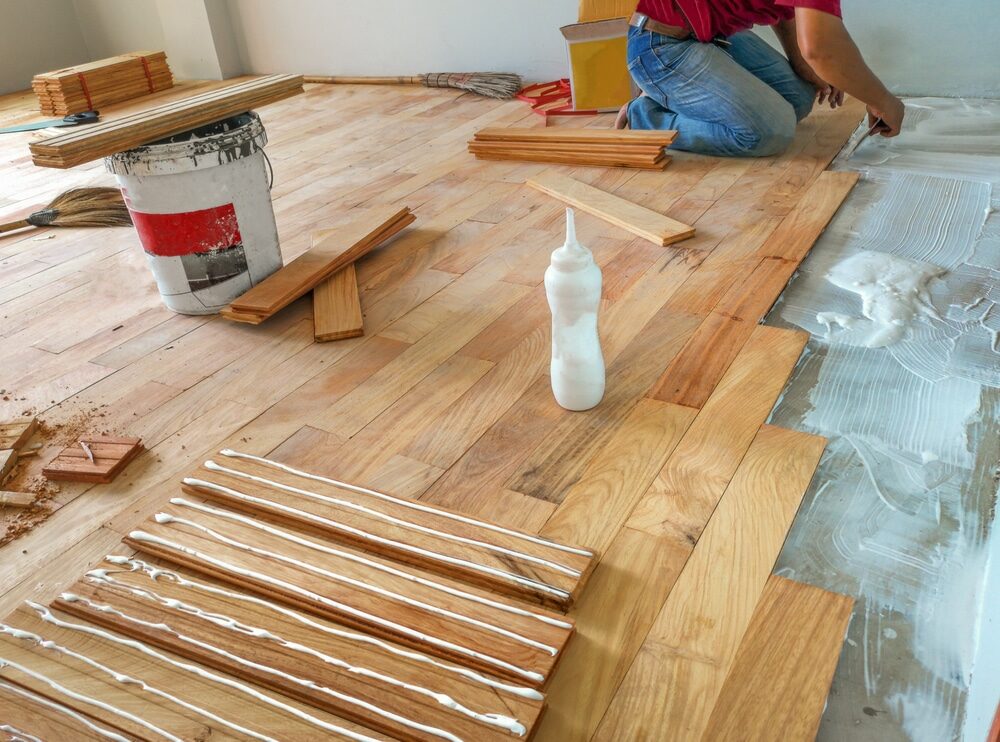
When installing, ensure that the floor is properly sealed. This includes the areas around the edges of the room, which can often be overlooked. A properly sealed floor will prevent moisture from getting trapped underneath and leading to mould growth.
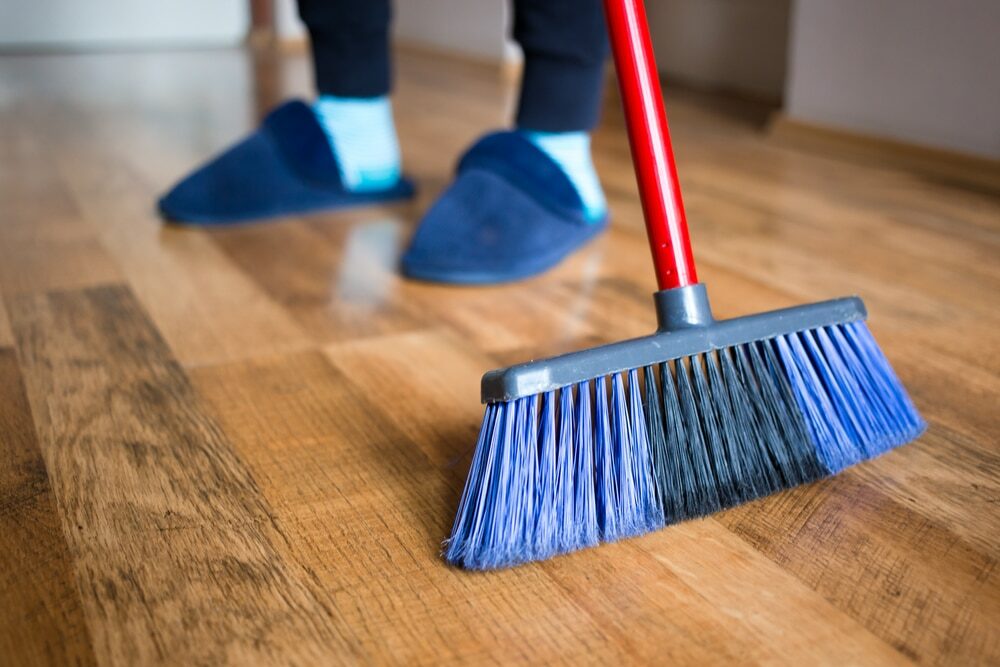
In terms of maintenance, regular sweeping or vacuuming is essential to remove dust and allergens. Be sure to use a vacuum with a HEPA filter to ensure that small particles are captured and not released back into the air. An occasional damp mop can also be used, but avoid using excessive water, which could damage the wood.
Once or twice a year, consider having your wood floors professionally deep-cleaned. This process will remove any allergens that have managed to accumulate in the tiny cracks and crevices in the wood.
Conclusion
In conclusion, wood floors can be a game-changer for allergy sufferers. By eliminating a breeding ground for dust mites, pet allergens, and mould spores, wood floors can help reduce allergy symptoms and contribute to a healthier home environment.
But it’s not just about health benefits. Wood floors are also stylish, durable, and a natural, sustainable choice. So, whether you’re planning a home renovation or building a new home, consider wood flooring. It’s a decision that your nose, your eyes, and your overall well-being are likely to thank you for.
Remember, a home is not just a space to live in; it’s a place to thrive. And for allergy sufferers, that means creating an environment that supports their health. With wood floors, you can breathe easier and live more comfortably. So, here’s to healthier, happier homes!
Some Useful Links:
- Wood Floor Restorations
- Wood Floor Repairs
- Wood Floor Polishing
- Floor Sanding Services
- School Floor Sanding
More from our Blog:
The Rise of Wood Flooring: A Challenge or Opportunity for the Carpet Industry?
Maximizing Home Sale in the UK: The Impact of Wood Flooring
Revive Your Floors: A DIY Guide to Sanding, Repairing & Finishing Parquet Flooring
Essential Winter Care for Hardwood Flooring | Preserve Your Floors Through Winter
How to Clean Laminate Wooden Flooring: A Comprehensive Guide



Sanding
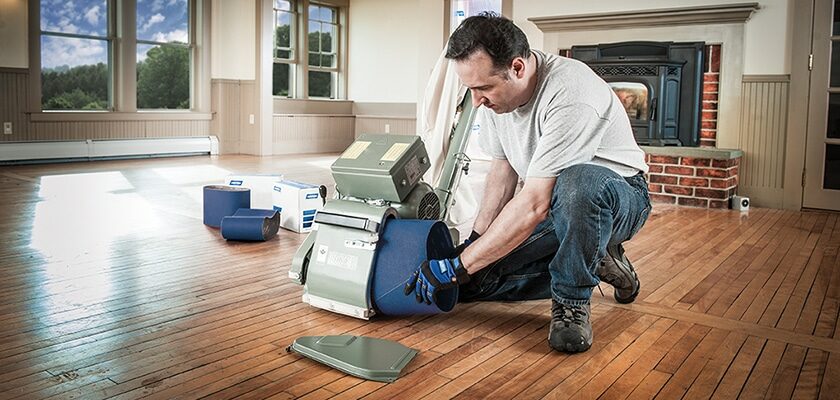
We provide virtually dust-free sanding with our continuous belt machinery with mobile extraction units, giving you a safer environment for your family.

Oiling
This organic finish not only adds beauty to your home but also has exceptional water-repellent characteristics, making it easier to clean and maintain.

Waxing
This natural floor finish offers the softest and most mellow appearance – and leaves your floor able to breath.

Buffing
Using soft buffing machines (and hand-polishing where required) will bring a wonderful sheen to your newly-finished floor.

Repairs
We offer a full assessment of your wooden floors to determine what repairs are needed to provide the perfect working surface for the later stages of sanding, staining and sealing.

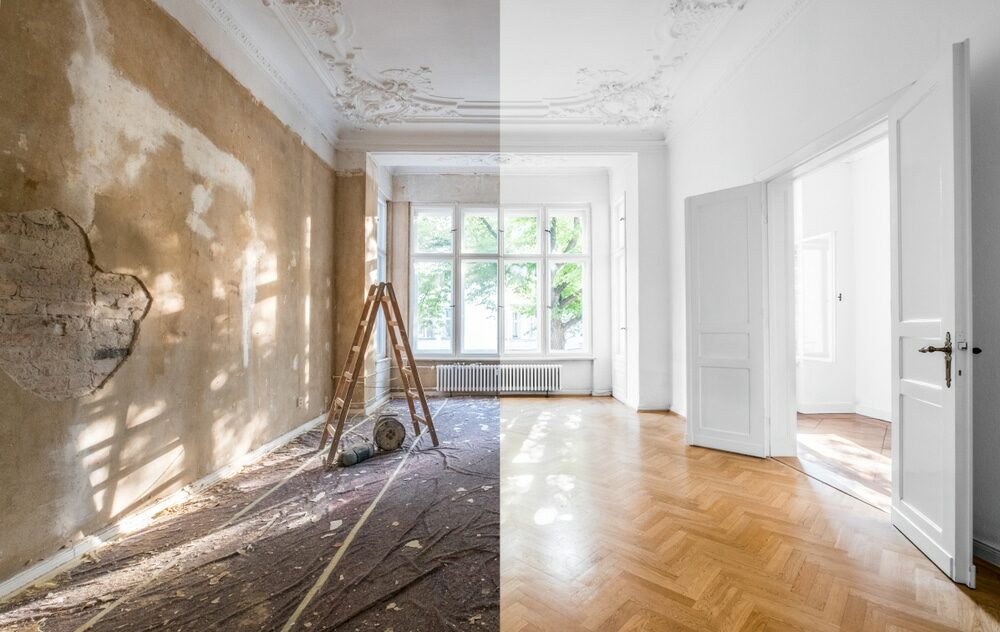
Restoration
We offer a comprehensive restoration process designed to address floors that are improperly fitted or damaged over time through wear and tear.
Request a fixed price quote for your wood floor restoration now
Simply enter your postcode below to get started.






Services
Wood Floor Sanding Wood Floor Restoration Wood Floor Scratch Repair Squeaky Wood Floor Repair Parquet Floor Sanding Parquet Floor Restoration Commercial Floor Sanding Church Floor Sanding Community Centre Floor Sanding School Floor Sanding Gap Filling Gap Filling with ResinCopyright © Mr Sander®
Privacy & Cookies Terms & Conditions Complaints Procedure Cancellation Rights Sitemap

Get An Instant Price Estimate Before You Go…
Simply enter the rooms you need sanded and we’ll provide you with a price estimate instantly! Try our price calculator now.
Get a Price Estimate NowLocal Floor Sanding Experts
Over 500 5-Star Reviews
Safe, Dust Free Sanding
Operating Since 1994