London:
Nationwide:


25,000+
Floors Restored

27 Years Experience

Wood Flooring Association Certified
How to Salvage a Flooded Hardwood Floor – Comprehensive Guide
Posted on June 12, 2023
News
Effective Steps to Restore Flooded Hardwood Floors
Experiencing a flood in your home can be a daunting experience, particularly when your beautiful hardwood floors are involved. Although hardwood floors are designed to be durable and hard-wearing, excessive water can cause significant damage. However, with immediate action, the correct knowledge, and the necessary tools, you can salvage your hardwood floor and restore its original beauty. This comprehensive guide outlines the steps to take when your hardwood floor gets flooded.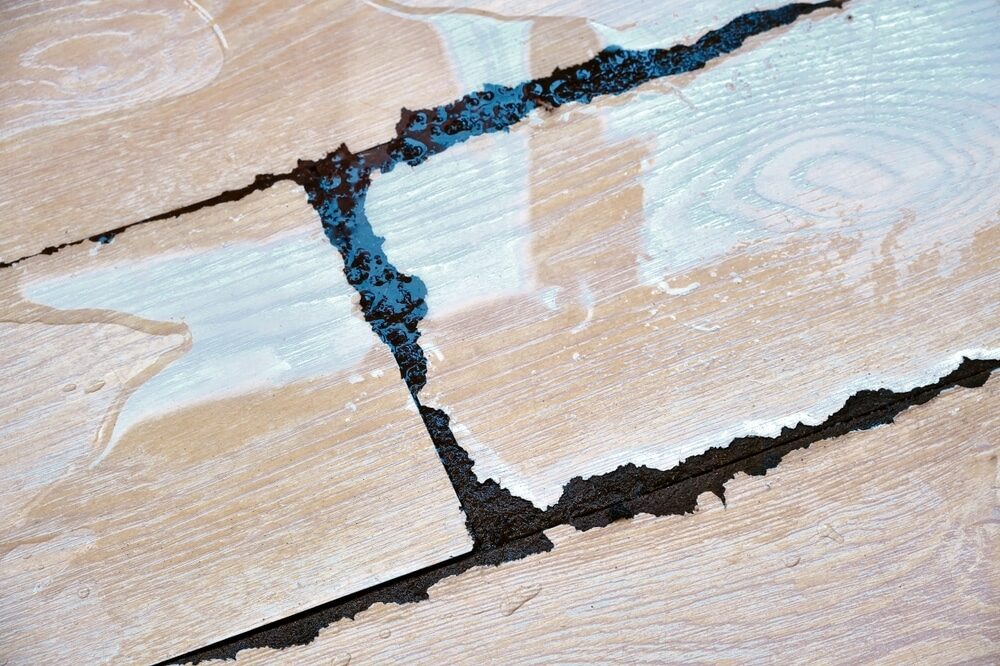
Step 1: Safety first
Before diving into the process, remember that safety is paramount. Ensure you’ve disconnected any electronics or electrical appliances that may be near the water. Floods can cause structural damage to your home, so check for any visible damage like cracks or warping. Contact a professional if you see any signs of structural instability.
Step 2: Stop the Source
Identify the source of the water and stop it immediately, if possible. This could be as simple as turning off the main water supply in the case of a burst pipe, or it could involve more complex actions if the flooding is due to severe weather conditions.Step 3: Document the Damage
It’s crucial to document the damage to your hardwood floor for insurance purposes. Take clear, well-lit photographs from different angles. If possible, record a video of the flooded area as well. Be sure to also keep a written record of all your actions and any conversations with insurance companies or professionals.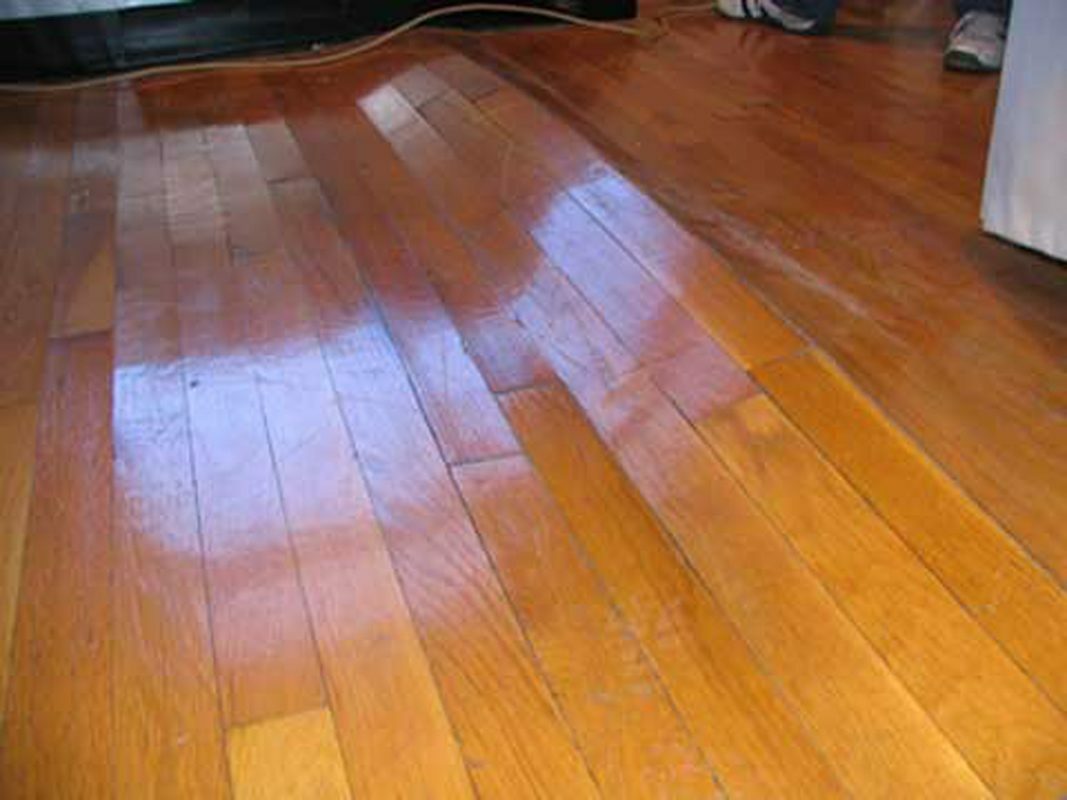
Step 4: Remove the water
Remove standing water as soon as possible to minimise damage to your hardwood floor. This can be done with wet vacuums, towels, mops, or even buckets. Ensure that you dry the floor as much as possible. However, avoid using heat to dry the floor, as it can cause the wood to warp.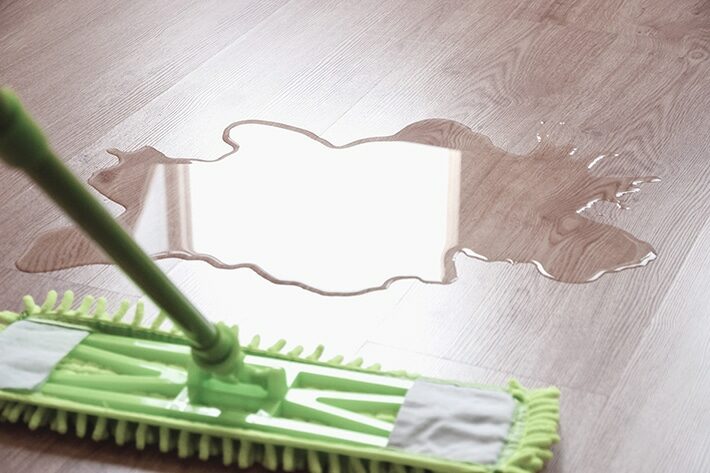
Step 5: Dehumidify and ventilate
Following the removal of standing water, it’s essential to dehumidify the area. This will help draw moisture out of the wood. You can use commercial dehumidifiers or household ones, depending on the severity of the situation. Additionally, ventilate the room by opening windows and doors to encourage airflow.Step 6: Contact professionals
At this point, you’ve done what you can to mitigate further damage, and it’s time to call in the professionals. Look for companies specialising in water damage restoration for hardwood floors. They have the skills, knowledge, and equipment to assess and restore your floor effectively.
The professional restoration process
Assessment
A professional restoration team will start by carrying out a detailed assessment of the damage. They will look for signs of warping, cupping, and discoloration and check for possible mould growth.Extraction and drying
The professionals will then proceed to a more advanced water extraction and drying process. They use commercial-grade equipment to extract moisture and accelerate the drying process, which reduces the risk of mould growth.Sanding and refinishing
Once the floor is dry, the restoration process can begin. This usually involves sanding the floor to remove any warping or cupping caused by the water. After sanding, the floor is then refinished to restore its original look.Reinstallation
In severe cases where the flood damage is too extensive, some or all of the hardwood flooring might need to be replaced. This process is more complex and time-consuming, but it ensures the long-term integrity of your floor.Preventing future flooding
To wrap up, it’s worth discussing preventive measures to protect your hardwood floor from future floods. Install a sump pump if your home is prone to flooding. Regularly check your plumbing system and appliances for leaks and maintain them properly. Waterproof sealants can also be applied to hardwood floors for added protection.Conclusion
Although flooding can cause significant damage to hardwood floors, taking immediate action can help minimise the effects. Follow these steps to salvage your floor, and always remember to contact professionals for a thorough floor restoration. By implementing preventive measures, you can protect your hardwood floors from future water damage, preserving their beauty for years to come. Remember, each situation may vary, and while this guide provides a general overview of what to do when a hardwood floor gets flooded, it’s important to seek professional advice tailored to your specific circumstances. Stay safe and keep your hardwood floors dry!Some Useful Links:
- Floor Sanding Services
- School Floor Sanding
- Wood Floor Restorations
- Wood Floor Repairs
- Wood Floor Polishing
More from our Blog:
Expert Parquet Floor Sanding Tips | Revitalize Your Elegant Floors Preparing Wood Floors for Sanding: A Comprehensive Guide Hand Scraped and Distressed Hardwood Floors: Adding Character to Your Home Advantages of Engineered Hardwood Floors: A Detailed Guide Maintaining and Caring for Hardwood Floors

Sanding
We provide virtually dust-free sanding with our continuous belt machinery with mobile extraction units, giving you a safer environment for your family.

Oiling
This organic finish not only adds beauty to your home but also has exceptional water-repellent characteristics, making it easier to clean and maintain.

Waxing
This natural floor finish offers the softest and most mellow appearance – and leaves your floor able to breath.

Buffing
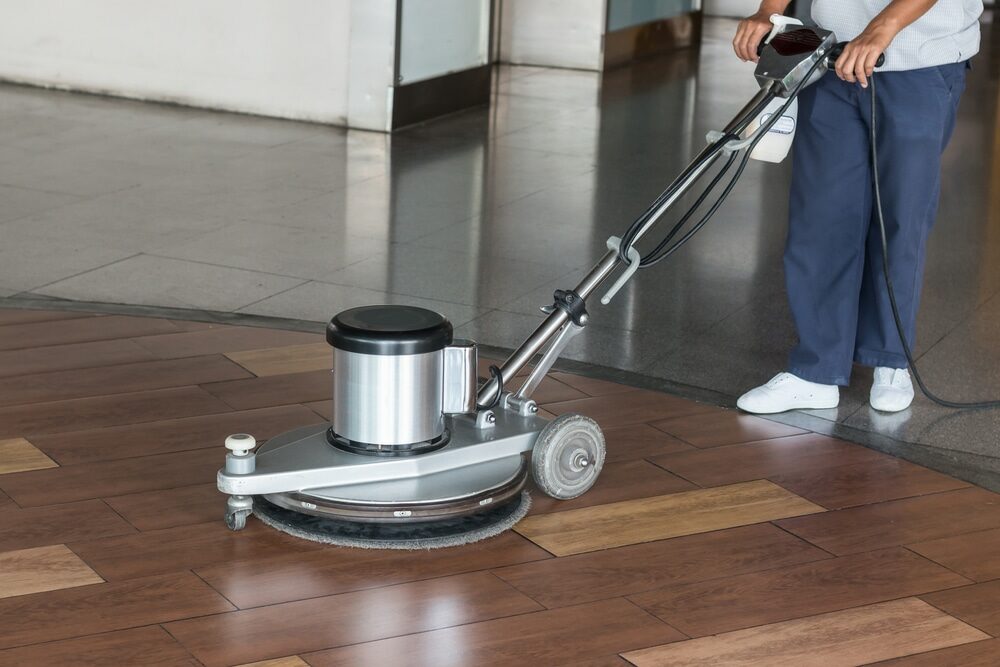
Using soft buffing machines (and hand-polishing where required) will bring a wonderful sheen to your newly-finished floor.

Repairs
We offer a full assessment of your wooden floors to determine what repairs are needed to provide the perfect working surface for the later stages of sanding, staining and sealing.

Restoration
We offer a comprehensive restoration process designed to address floors that are improperly fitted or damaged over time through wear and tear.
Request a fixed price quote for your wood floor restoration now
Simply enter your postcode below to get started.






Services
Wood Floor Sanding Wood Floor Restoration Wood Floor Scratch Repair Squeaky Wood Floor Repair Parquet Floor Sanding Parquet Floor Restoration Commercial Floor Sanding Church Floor Sanding Community Centre Floor Sanding School Floor Sanding Gap Filling Gap Filling with ResinCopyright © Mr Sander®
Privacy & Cookies Terms & Conditions Complaints Procedure Cancellation Rights Sitemap

Get An Instant Price Estimate Before You Go…
Simply enter the rooms you need sanded and we’ll provide you with a price estimate instantly! Try our price calculator now.
Get a Price Estimate NowLocal Floor Sanding Experts
Over 500 5-Star Reviews
Safe, Dust Free Sanding
Operating Since 1994