London:
Nationwide:


25,000+
Floors Restored
27 Years Experience

Wood Flooring Association Certified
Comprehensive Guide to Different Types of Wooden Floors
Posted on July 2, 2023
Floor Sanding Services News
Decoding the Different Types of Wooden Flooring
Wooden flooring remains a popular choice for homeowners due to its timeless appeal, durability, and versatility. However, “wooden flooring” is a broad term encompassing a diverse range of options, each with its unique characteristics. This comprehensive guide will delve into the different types of wooden floors to help you make the right choice for your home.
Solid Hardwood Flooring
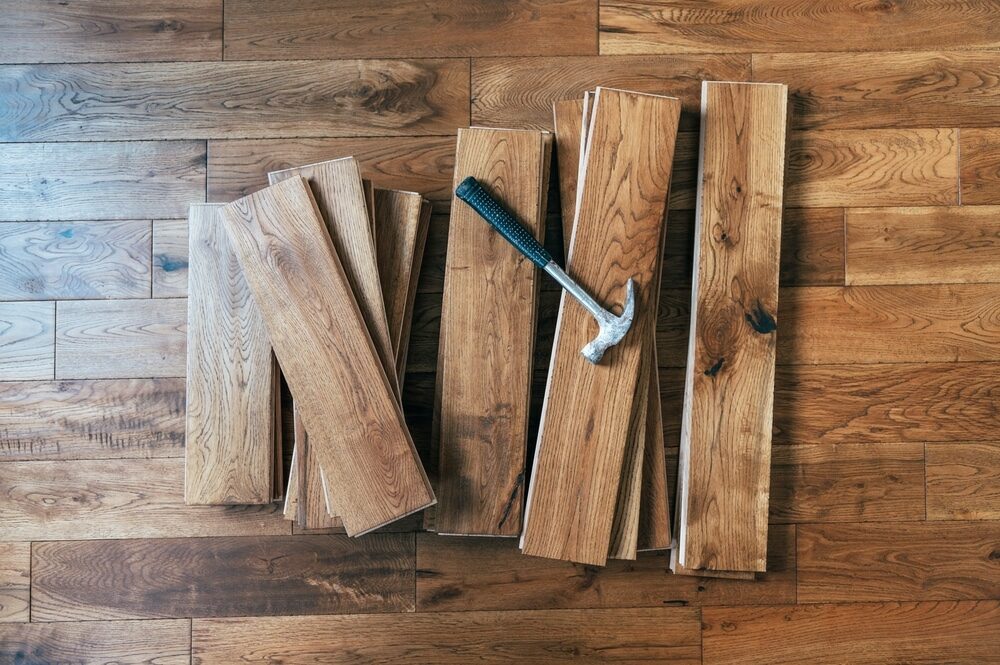
Solid hardwood flooring is a classic choice, offering a sense of warmth and character to any space.
Features
Solid hardwood is milled from a single piece of wood. The thickness varies but typically ranges from ¾” to 5/16”. Popular species include oak, maple, cherry, and walnut, but exotic woods like mahogany and Brazilian cherry are also available.
Pros and Cons
Solid hardwood flooring is highly durable and can be refinished multiple times, prolonging its lifespan. However, it is more prone to expansion and contraction due to changes in humidity and is not recommended for areas with high moisture levels, like basements and bathrooms.
Engineered Hardwood Flooring
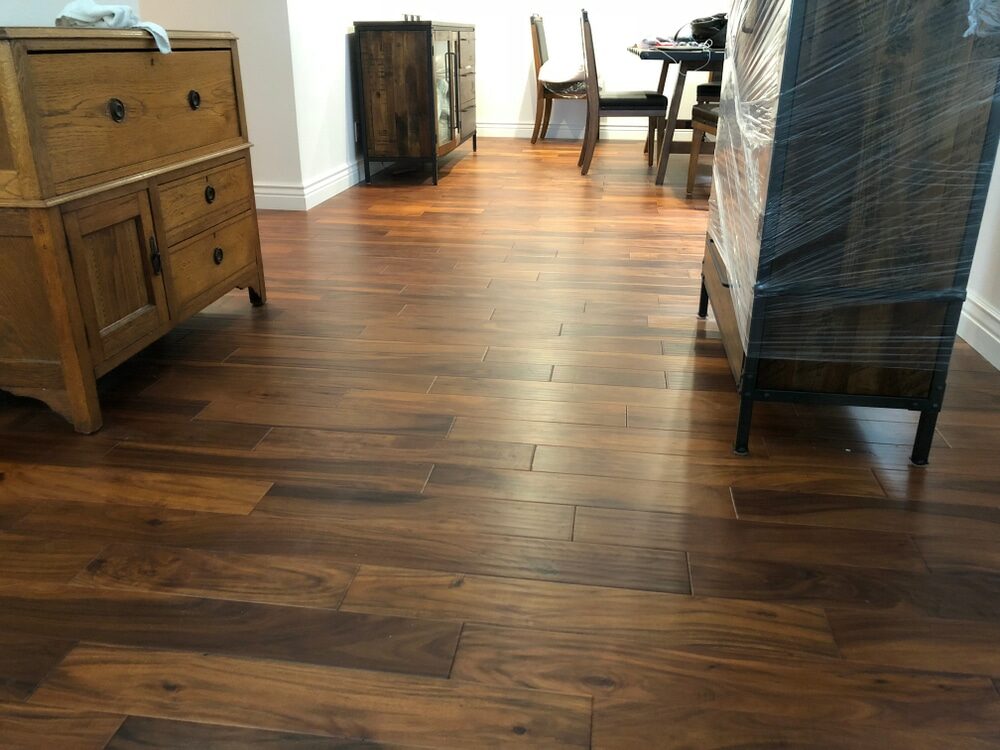
Engineered hardwood is a modern alternative that offers the beauty of real wood with added stability.
Features
Engineered hardwood is composed of a top layer of real hardwood veneer adhered to a core of plywood or high-density fiberboard. This construction provides more resistance to humidity changes compared to solid hardwood.
Pros and Cons
Engineered hardwood is suitable for any level of your home, including the basement. It can also be installed over radiant heating systems. However, depending on the thickness of the top veneer, engineered hardwood can only be refinished a limited number of times.
Laminate Flooring
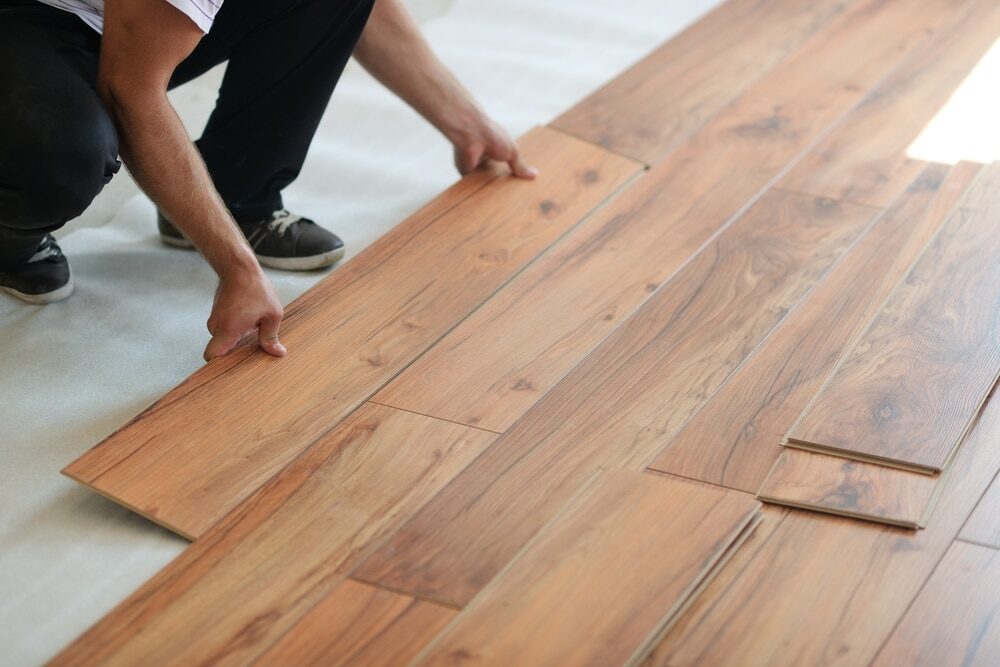
Laminate flooring offers an affordable and low-maintenance solution for those who love the look of wood.
Features
Laminate flooring consists of a high-resolution image of wood sealed under a clear protective layer. It is designed to replicate the appearance of real wood at a fraction of the cost.
Pros and Cons
Laminate flooring is resistant to scratches, dents, and moisture, making it a great choice for high-traffic areas and homes with children or pets. It’s also easy to install and clean. However, it can’t be refinished, and damage usually requires replacing the affected planks.
Vinyl Plank Flooring
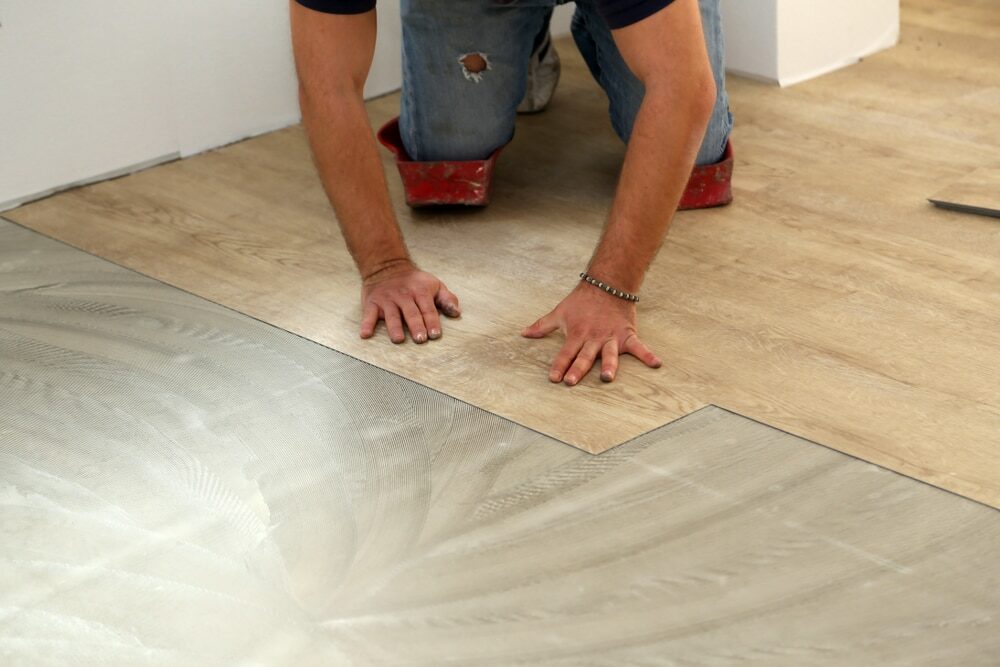
Vinyl plank flooring is a synthetic option that convincingly mimics the look and texture of real wood.
Features
Vinyl planks are composed of several layers of PVC vinyl, with a realistic 3D printed wood-effect layer on top and a protective wear layer above.
Pros and Cons
Vinyl plank flooring is waterproof, quiet underfoot, and easy to install and maintain, making it suitable for areas like kitchens and bathrooms. However, it’s less eco-friendly compared to real wood, and the lifespan is shorter.
Conclusion
The world of wooden flooring is rich and varied, offering options for every style, budget, and practical need. Whether you prefer the natural elegance of solid hardwood, the stability of engineered hardwood, the affordability of laminate, or the moisture resistance of vinyl plank flooring, there’s a wooden floor for you. Understanding the characteristics of each type helps you make an informed decision, ensuring your floors will not only look stunning but also stand up to the demands of your home and lifestyle.
Some Useful Links:
- Floor Sanding Services
- School Floor Sanding
- Wood Floor Restorations
- Wood Floor Repairs
- Wood Floor Polishing
More from our Blog:
Advantages of Modern Hardwood Flooring: A Comprehensive Guide A Complete Guide to Choosing the Right Wooden Flooring Options Spotting the Signs: When Your Hardwood Floors Need Refinishing Ultimate Guide to Sanding Floorboards: Revitalize Your Wooden Floors Essential Wood Floor Maintenance Tips for Long-lasting Shine

Sanding
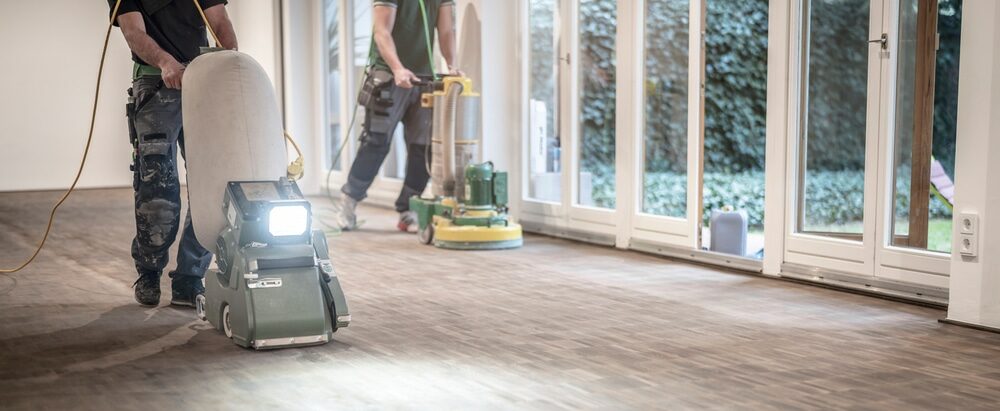
We provide virtually dust-free sanding with our continuous belt machinery with mobile extraction units, giving you a safer environment for your family.

Oiling
This organic finish not only adds beauty to your home but also has exceptional water-repellent characteristics, making it easier to clean and maintain.

Waxing
This natural floor finish offers the softest and most mellow appearance – and leaves your floor able to breath.

Buffing
Using soft buffing machines (and hand-polishing where required) will bring a wonderful sheen to your newly-finished floor.

Repairs
We offer a full assessment of your wooden floors to determine what repairs are needed to provide the perfect working surface for the later stages of sanding, staining and sealing.

Restoration
We offer a comprehensive restoration process designed to address floors that are improperly fitted or damaged over time through wear and tear.
Request a fixed price quote for your wood floor restoration now
Simply enter your postcode below to get started.





Services
Wood Floor Sanding Wood Floor Restoration Wood Floor Scratch Repair Squeaky Wood Floor Repair Parquet Floor Sanding Parquet Floor Restoration Commercial Floor Sanding Church Floor Sanding Community Centre Floor Sanding School Floor Sanding Gap Filling Gap Filling with ResinCopyright © Mr Sander®
Privacy & Cookies Terms & Conditions Complaints Procedure Cancellation Rights Sitemap

Get An Instant Price Estimate Before You Go…
Simply enter the rooms you need sanded and we’ll provide you with a price estimate instantly! Try our price calculator now.
Get a Price Estimate NowLocal Floor Sanding Experts
Over 500 5-Star Reviews
Safe, Dust Free Sanding
Operating Since 1994