London:
Nationwide:


25,000+
Floors Restored

27 Years Experience

Wood Flooring Association Certified
Match wood floors shade with your home lights not with store lights
Posted on April 22, 2023
News
Master the Art of Matching Wood Floors with Your Home Lighting: Say Goodbye to Store-Light Surprises
Choosing the right wood floor shade for your home is essential to creating a cohesive and inviting atmosphere. However, many homeowners and renovators face the challenge of selecting a wood floor that looks perfect in the store but appears different under their home lighting conditions. This guide aims to help you navigate the process of matching wood floors with your home lights, ensuring you make the best decision for your space.
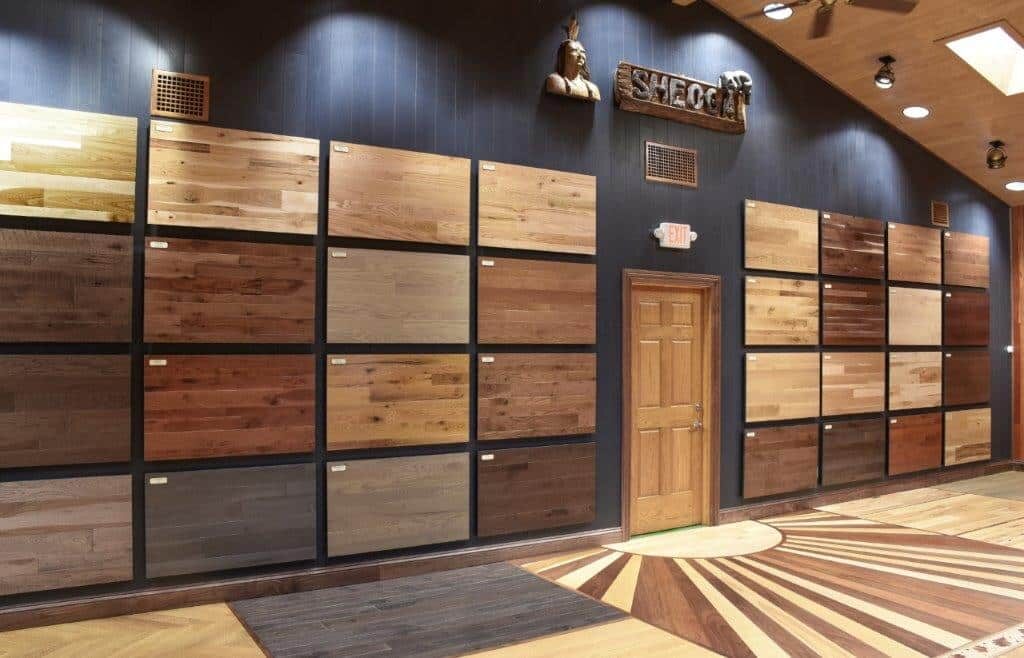
1. Understanding the Impact of Lighting on Wood Floors
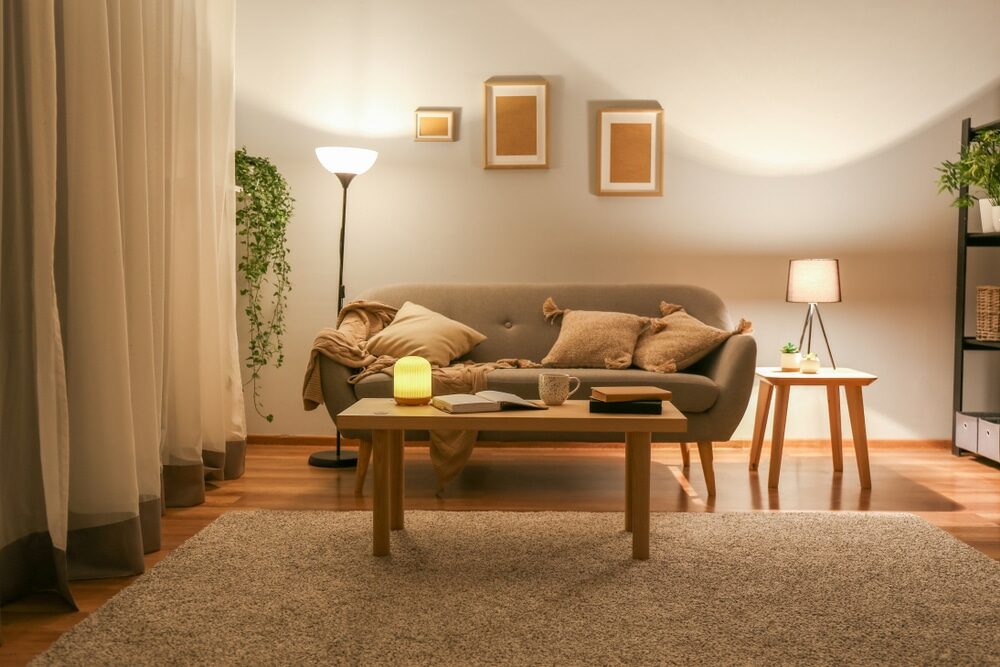
Lighting plays a significant role in how we perceive colours and shades, including wood floors. Different types of light sources can cast various hues and intensities, causing wood floors to appear differently than in the store. The key to selecting the right wood floor shade is understanding the impact of lighting and being mindful of the specific lighting conditions in your home.
2. Assessing Your Home Lighting Conditions
Before selecting a wood floor shade, it’s crucial to assess your home’s lighting conditions. Here are the main factors to consider:
a. Natural light: Evaluate the amount of natural light entering each room, considering factors such as window size, direction, and surrounding obstacles. Rooms with abundant natural light will reveal wood floors’ true colours, while rooms with limited natural light may cause floors to appear darker or more muted.
b. Artificial light: Identify the types of artificial light sources in your home, including incandescent, halogen, LED, or fluorescent bulbs. Each light source has a unique colour temperature, which can impact the appearance of your wood floors. Warm-toned lights may bring out the warm hues in your floors, while cool-toned lights can highlight grey or blue undertones.
c. Light intensity: Consider the intensity of light in each room, which can also impact the appearance of your wood floors. Brighter lights can make floors appear lighter, while dimmer lights can create a more intimate, cosy atmosphere.
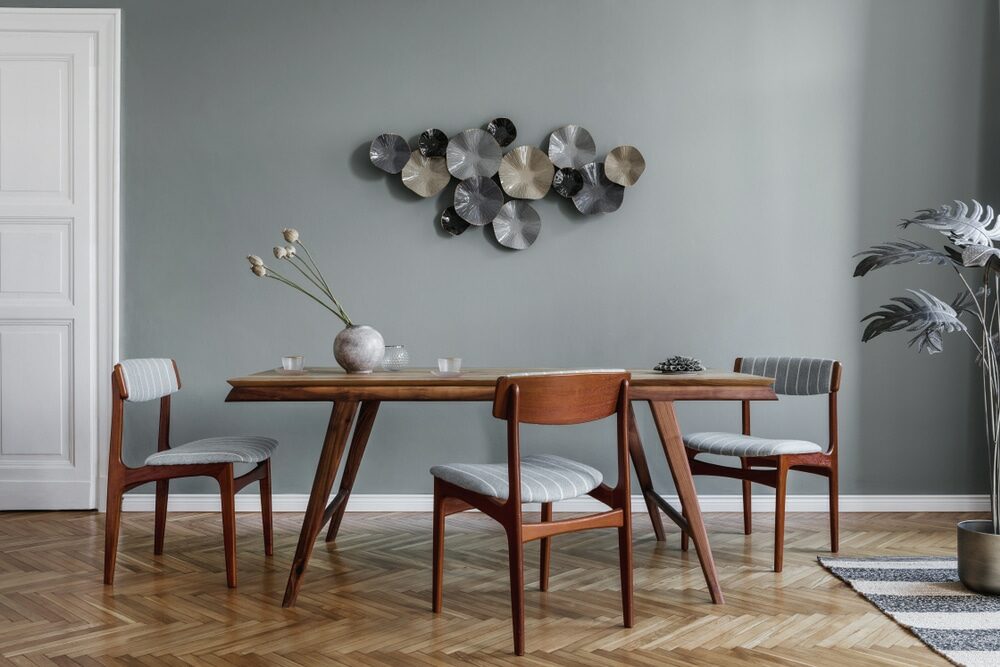
3. Tips for Selecting Wood Floors Based on Lighting
Once you’ve assessed your home’s lighting conditions, use these tips to select a wood floor shade that complements your space:
a. Light-coloured floors: Light-coloured wood floors, such as maple or white oak, can brighten up a room with limited natural light. They can also create a sense of spaciousness, making smaller rooms appear larger.
b. Dark-coloured floors: Dark-coloured wood floors, like walnut or mahogany, can add warmth and depth to a room. They may be suitable for rooms with ample natural light, as they can help balance the brightness and create a cosy atmosphere.
c. Mid-toned floors: Mid-toned wood floors, like red oak or hickory, offer versatility and can work well in various lighting conditions. They can complement both warm and cool-toned lights, making them a popular choice for many homeowners.

4. Testing Samples in Your Home
To ensure that the wood floor you select looks just as beautiful in your home as it does in the store, take a sample home to test in your space. Follow these steps for effective sample testing:
a. Observe the sample in different lighting conditions: Place the sample in various rooms and view it under different light sources, both natural and artificial.
b. Test during different times of the day: Observe the sample at different times of the day, such as morning, afternoon, and evening, to see how the appearance changes with the changing light.
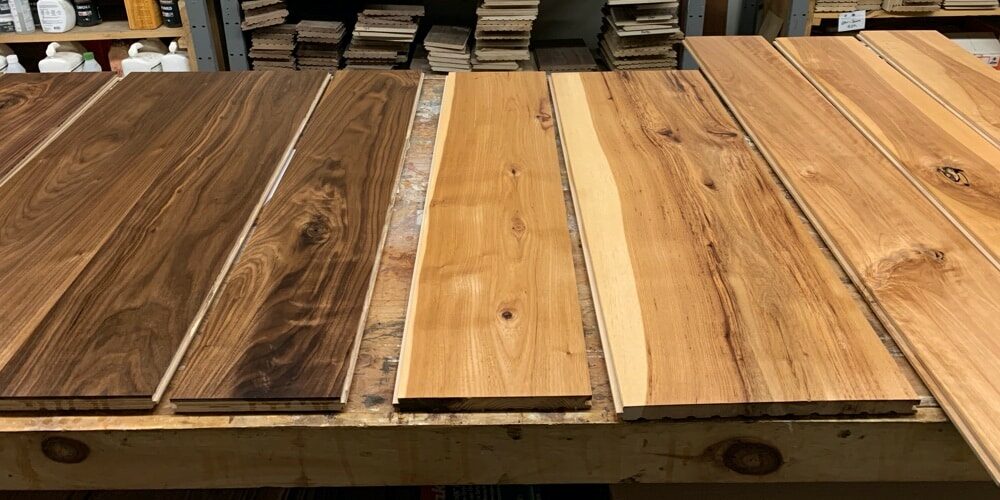
c. Compare multiple samples: Bring home multiple samples to compare and contrast how each one looks in your space. This will help you make a more informed decision about which wood floor shade is the best fit for your home.
d. Consider your wall colours: Place the sample against your wall colours to ensure the wood floor shade complements your existing décor. Remember that wall colours can also impact the appearance of your wood floors, so it’s essential to consider how they work together.
5. Adjusting your home lighting for desired effects
If you find that your wood floor selection doesn’t look as you expected due to your home lighting, you can make adjustments to create the desired effect. Here are some tips to consider:
a. Change your light bulbs: Switch to different types of light bulbs to create a warmer or cooler ambiance. For instance, you can use warmer, yellow-toned bulbs to enhance the warmth of your wood floors or cooler, blue-toned bulbs to emphasise cooler undertones.
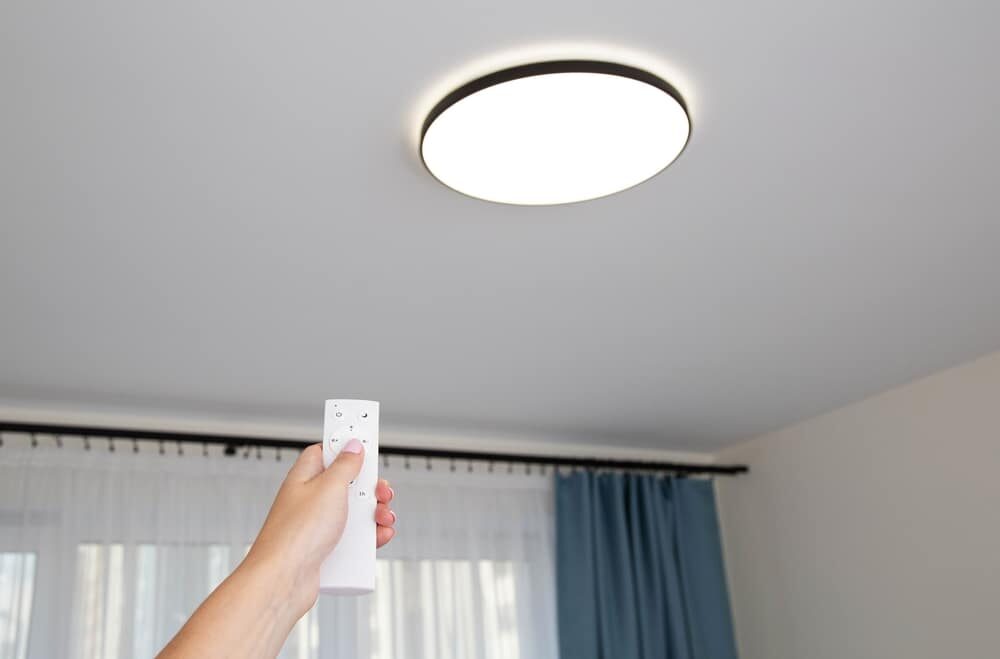
b. Use dimmer switches: Installing dimmer switches allows you to control the intensity of your lights, which can impact how your wood floors appear.
c. Layer your lighting: Incorporate various light sources, such as ambient, task, and accent lighting, to create a balanced and dynamic lighting scheme in your space. This can help enhance the appearance of your wood floors and create a more visually appealing room.
6. Considering Your Decor and Room Function
When selecting wood floor shades, it’s essential to consider your home’s décor and the function of each room. Here are some tips to keep in mind:
a. Match your wood floors with your furniture: Ensure that your wood floor shade complements your furniture and other decorative elements in the room. You can opt for a contrasting or complementary colour, depending on your personal style and preferences.
b. Consider room function: Choose wood floor shades based on the intended function of each room. For example, you might select a light-coloured floor for a playroom to create a bright, open space, while a darker shade may be more suitable for a formal dining room.
c. Plan for future updates: When choosing a wood floor shade, consider whether it will continue to match your décor if you decide to update or change your home’s interior design in the future.
7. Wrapping Up: Making the Right Choice
Selecting the perfect wood floor shade for your home involves considering several factors, including lighting conditions, décor, and room function. By understanding the impact of lighting on wood floors and testing samples in your home, you can make a more informed decision and ensure your wood floors look just as beautiful in your space as they do in the store.

In summary, keep these key points in mind when matching wood floors with your home lights:
- Understand the impact of lighting on wood floors.
- Assess your home’s lighting conditions, including natural and artificial light.
- Choose wood floor shades based on your lighting conditions and desired effects.
- Test samples in your home under various lighting conditions and times of day.
- Make adjustments to your home’s lighting if necessary.
- Consider your home’s décor and room function when selecting wood floor shades.
By following these guidelines, you can confidently select a wood floor shade that enhances your home’s beauty and creates the perfect atmosphere for your space. Happy floor shopping!
Some Useful Links:
More from our Blog:
Top Wood Floor Restoration Tips: Essential Concerns for Reviving Your Hardwood Floors How to Care for Your Wooden Floors after the Sanding and Sealing? Essential Factors for Choosing the Ideal Wood Floor Finish: A Comprehensive Guide

Sanding
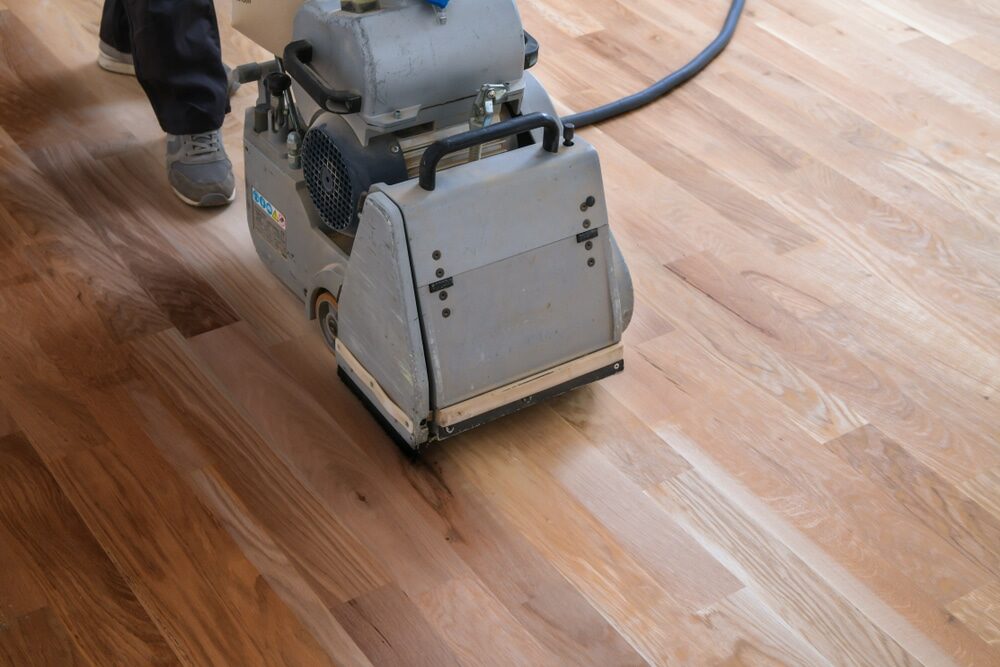
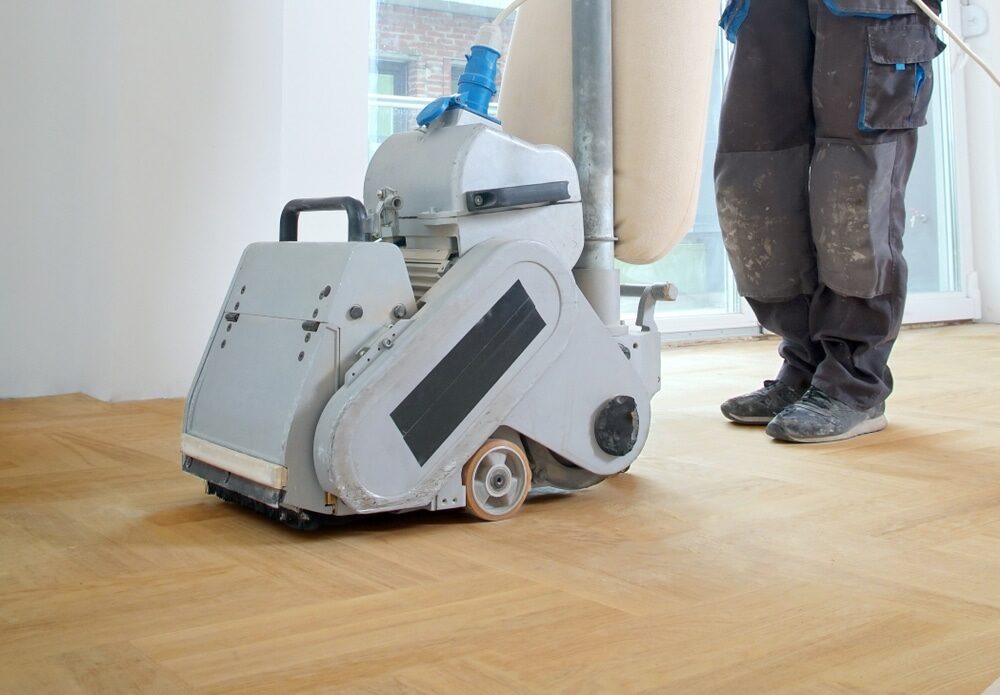
We provide virtually dust-free sanding with our continuous belt machinery with mobile extraction units, giving you a safer environment for your family.

Oiling
This organic finish not only adds beauty to your home but also has exceptional water-repellent characteristics, making it easier to clean and maintain.

Waxing
This natural floor finish offers the softest and most mellow appearance – and leaves your floor able to breath.

Buffing
Using soft buffing machines (and hand-polishing where required) will bring a wonderful sheen to your newly-finished floor.

Repairs
We offer a full assessment of your wooden floors to determine what repairs are needed to provide the perfect working surface for the later stages of sanding, staining and sealing.

Restoration
We offer a comprehensive restoration process designed to address floors that are improperly fitted or damaged over time through wear and tear.
Request a fixed price quote for your wood floor restoration now
Simply enter your postcode below to get started.






Services
Wood Floor Sanding Wood Floor Restoration Wood Floor Scratch Repair Squeaky Wood Floor Repair Parquet Floor Sanding Parquet Floor Restoration Commercial Floor Sanding Church Floor Sanding Community Centre Floor Sanding School Floor Sanding Gap Filling Gap Filling with ResinCopyright © Mr Sander®
Privacy & Cookies Terms & Conditions Complaints Procedure Cancellation Rights Sitemap

Get An Instant Price Estimate Before You Go…
Simply enter the rooms you need sanded and we’ll provide you with a price estimate instantly! Try our price calculator now.
Get a Price Estimate NowLocal Floor Sanding Experts
Over 500 5-Star Reviews
Safe, Dust Free Sanding
Operating Since 1994