London:
Nationwide:


25,000+
Floors Restored

27 Years Experience

Wood Flooring Association Certified
How to Effectively Remove Dark Water Stains from Hardwood Floors
Posted on May 28, 2023
Floor Sanding Services News
Ultimate Guide to Removing Dark Water Stains from Hardwood Floors
Every homeowner with hardwood floors understands the devastating sight of a dark water stain tarnishing the wood’s elegant beauty. You may find yourself unexpectedly engrossed in the world of floor care. Dark water stains occur due to water penetration into the hardwood, which can be challenging to remove but not impossible. This article will provide a comprehensive guide to effectively removing dark water stains from hardwood floors and tips on preventing such damage in the future.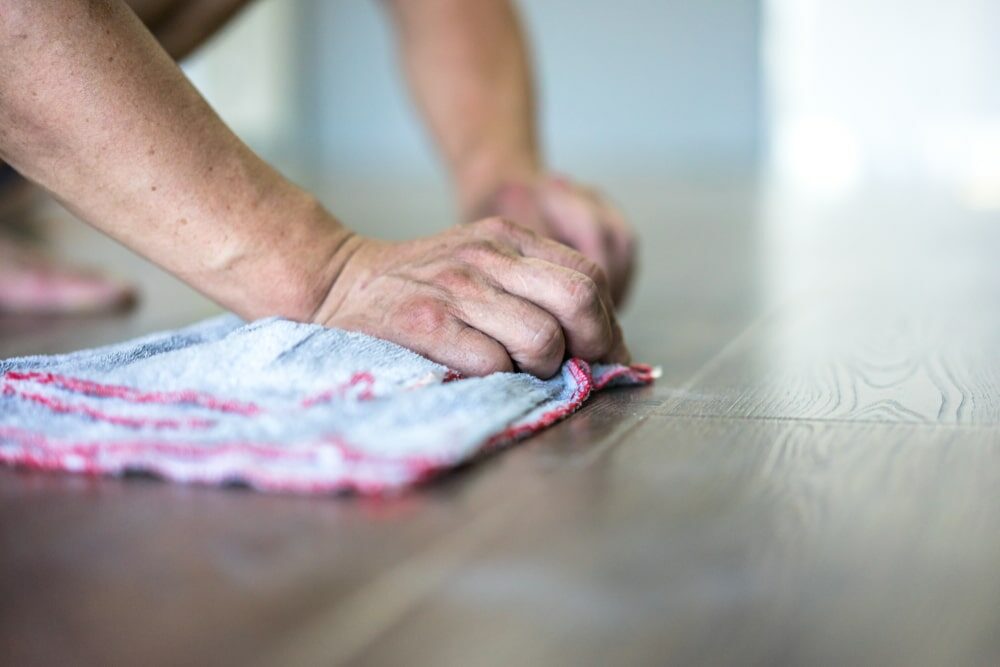
Understanding Dark Water Stains on Hardwood Floors
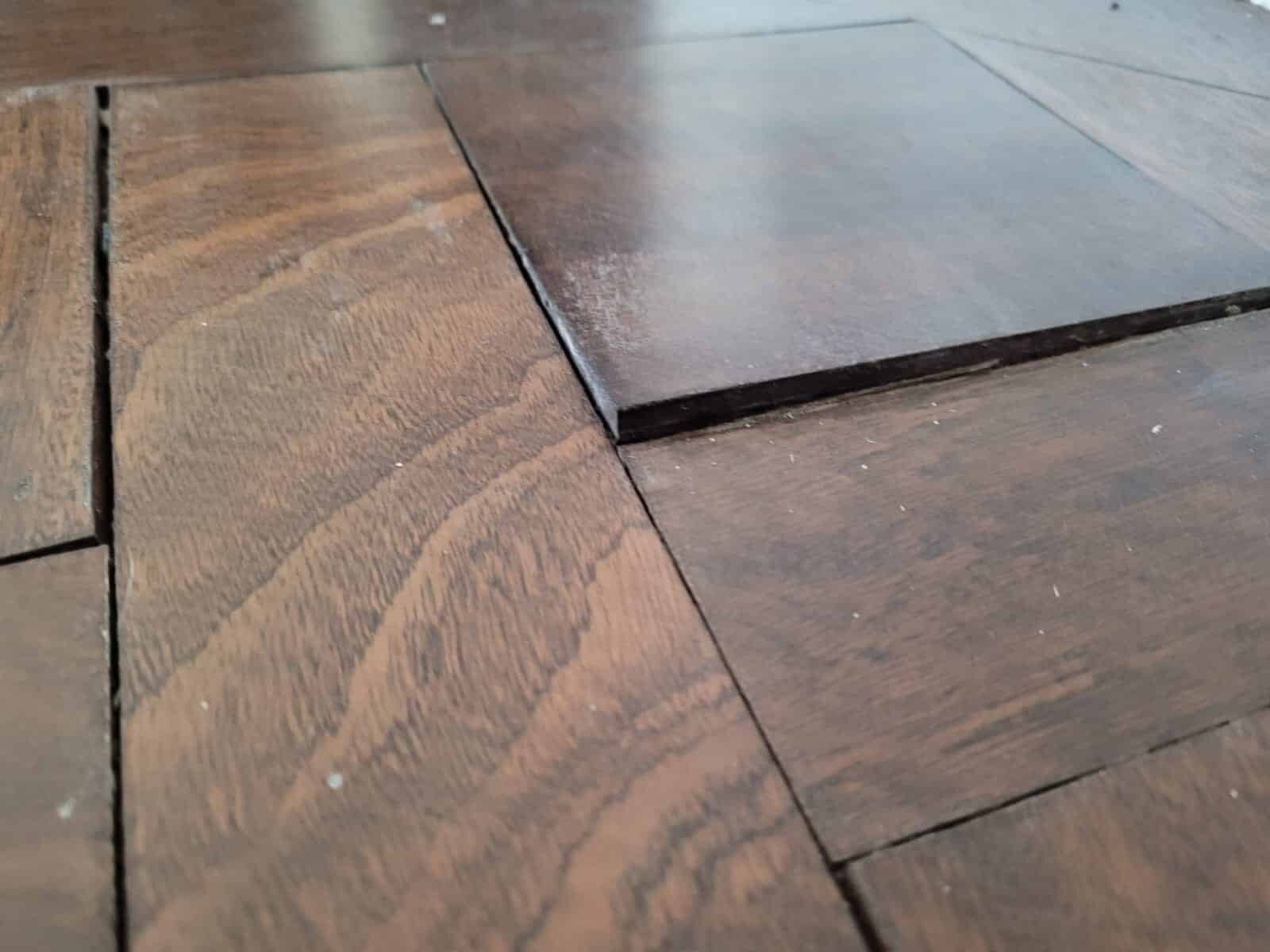
Before we delve into how to remove these stubborn stains, it’s essential to understand why they appear in the first place. Wood is a naturally porous material, and when exposed to water or excess humidity, it absorbs moisture. Over time, this moisture can lead to discoloration, known as dark water stains, which are usually black or dark brown. These stains are not just surface-level marks; they seep deep into the wood fibers, making them more challenging to remove than surface scuffs or scratches.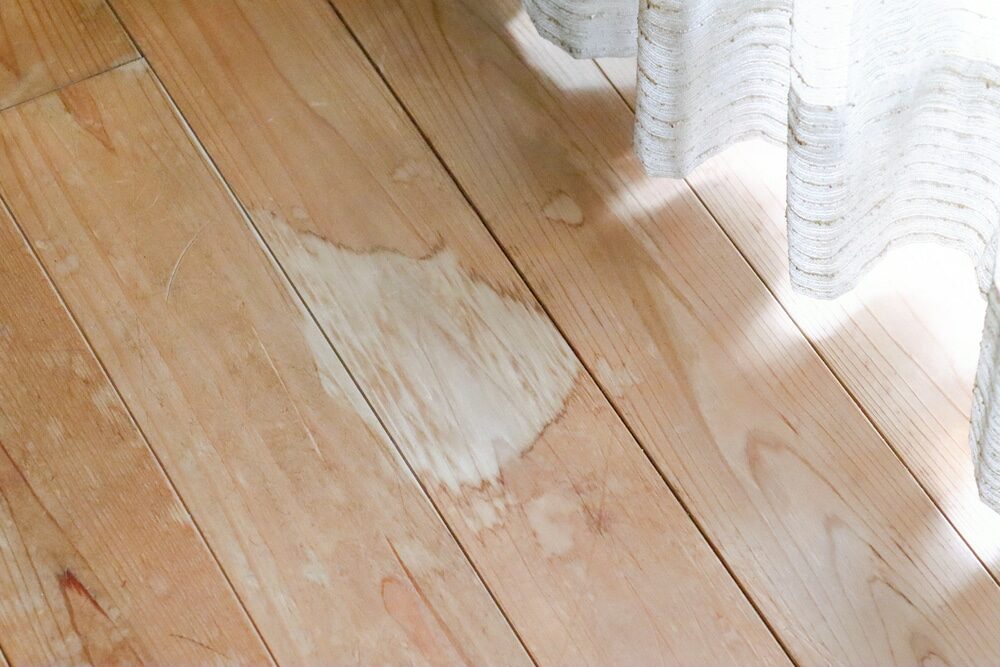
Gathering the Right Tools and Materials
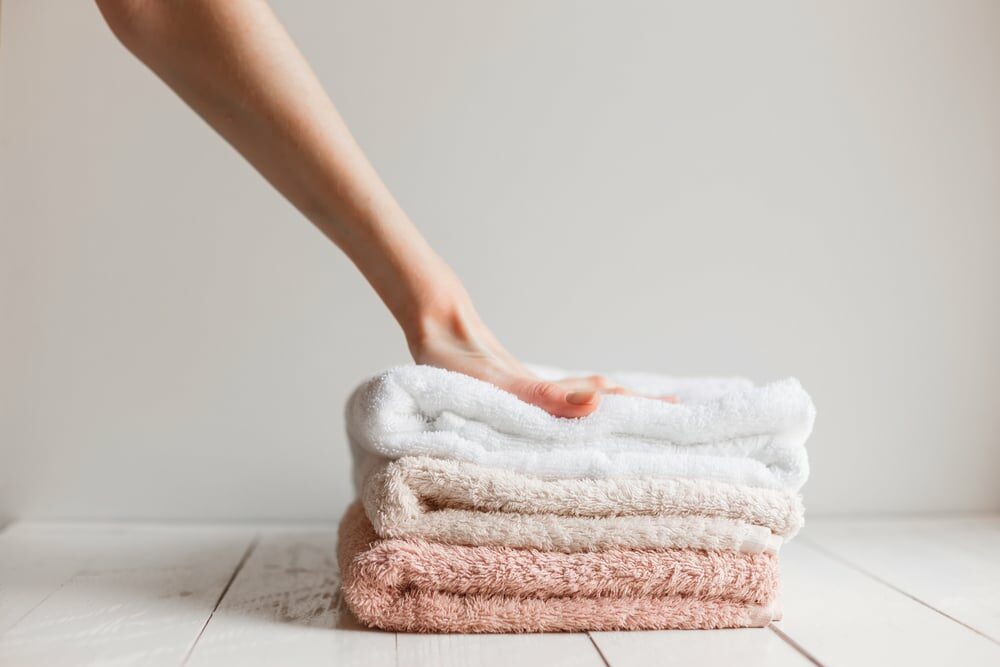
Successful stain removal depends largely on the tools and materials at your disposal. The following are necessary for most methods of dark water stain removal:- Soft cloths or rags
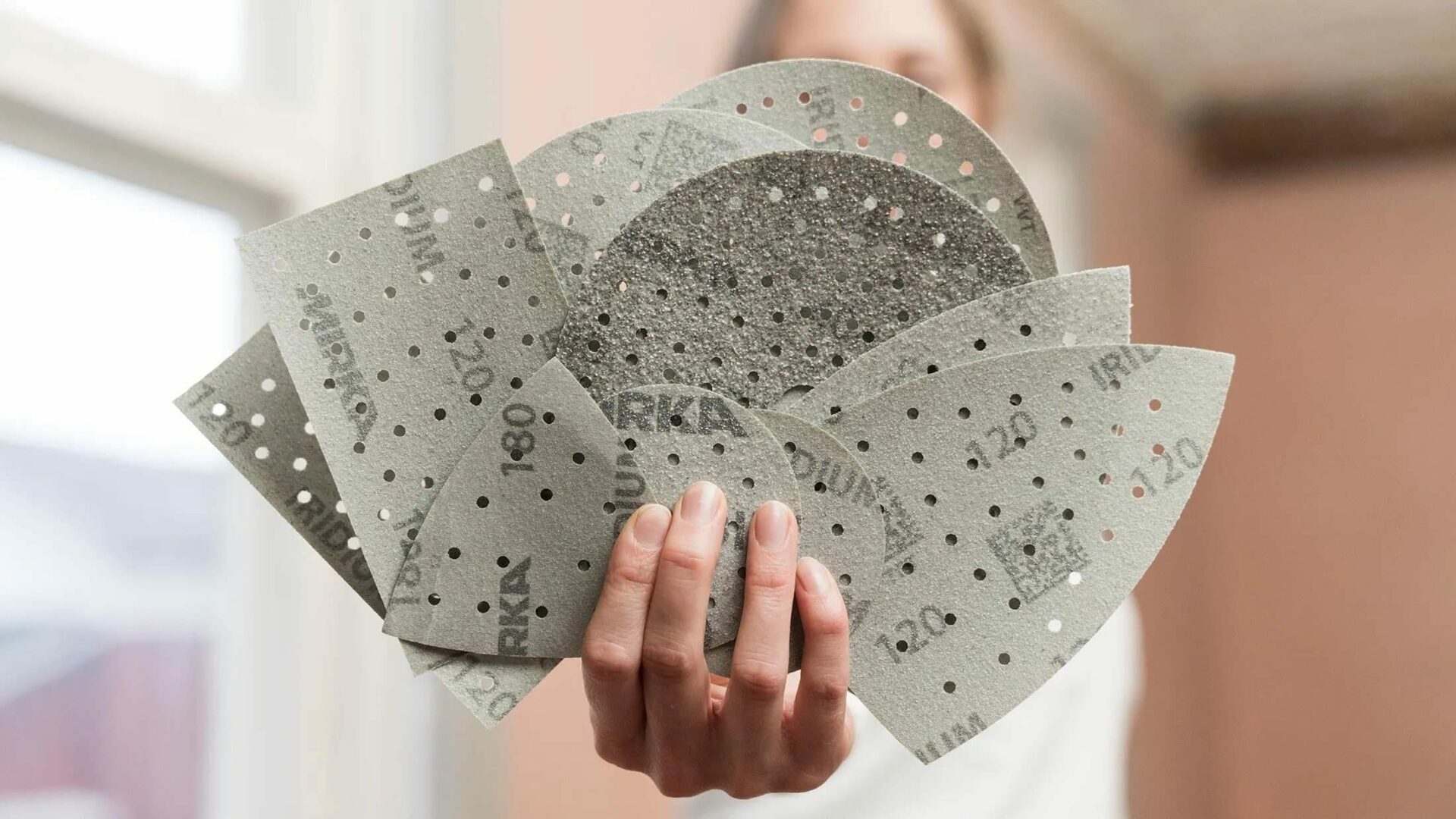
- Sandpaper (various grits, from coarse to fine)
- Wood bleach or hydrogen peroxide
- Rubber gloves
- Protective eyewear
- Vinegar
- Baking soda
- Mineral spirits
- Wood stain that matches your floor
- Polyurethane finish or hardwood floor wax
Removing Dark Water Stains from Hardwood Floors
Step 1: Safety first
Before starting, ensure you’re in a well-ventilated area. Wear rubber gloves and protective eyewear to protect yourself from any harsh chemicals you might use during the cleaning process.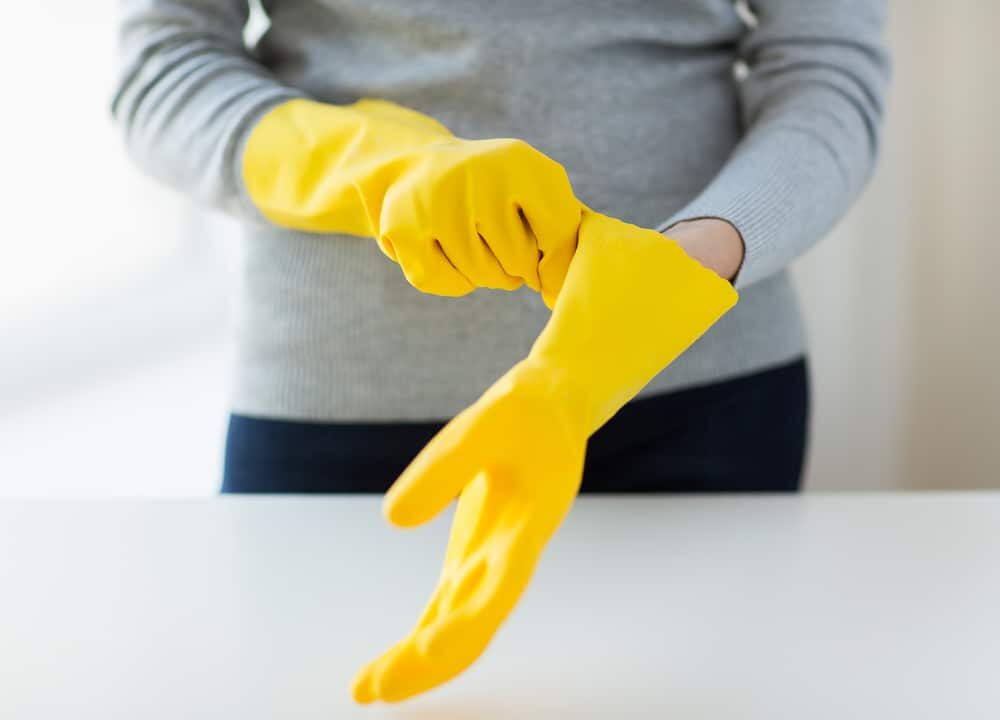
Step 2: Clean the Surface
Start by cleaning the stained area using a soft cloth dampened with mineral spirits. This step will remove any surface dirt or grime that could interfere with the stain removal process.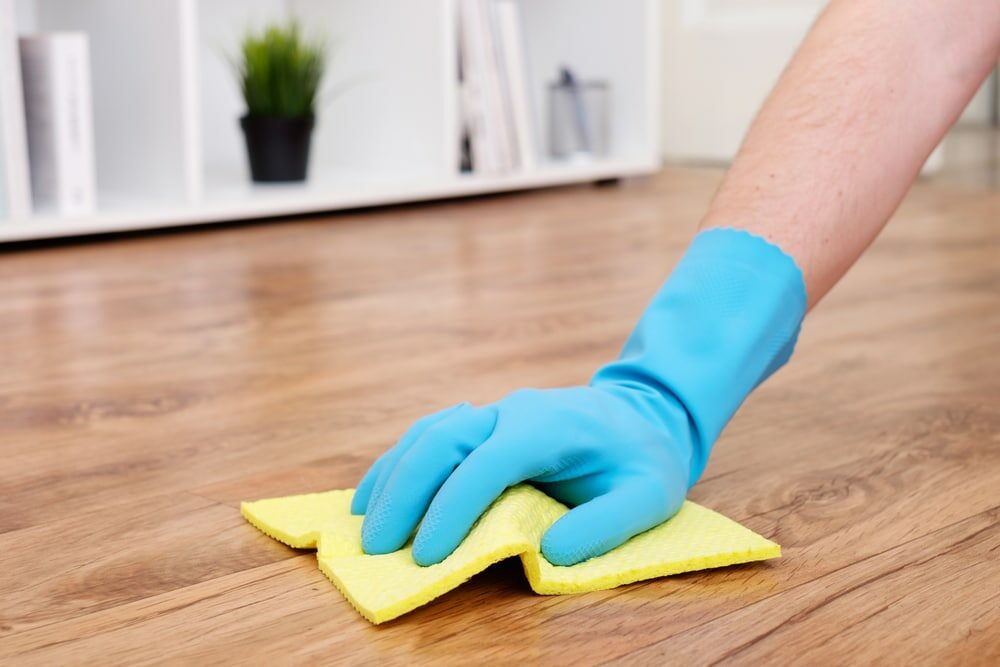
Step 3: Sanding
Once the area is clean, gently sand the stained wood using coarse-grit sandpaper (60 to 80 grit should suffice). Make sure to sand along the grain of the wood to avoid causing additional damage. Gradually work your way down to a finer grit of sandpaper (100–120 grit) for a smooth finish.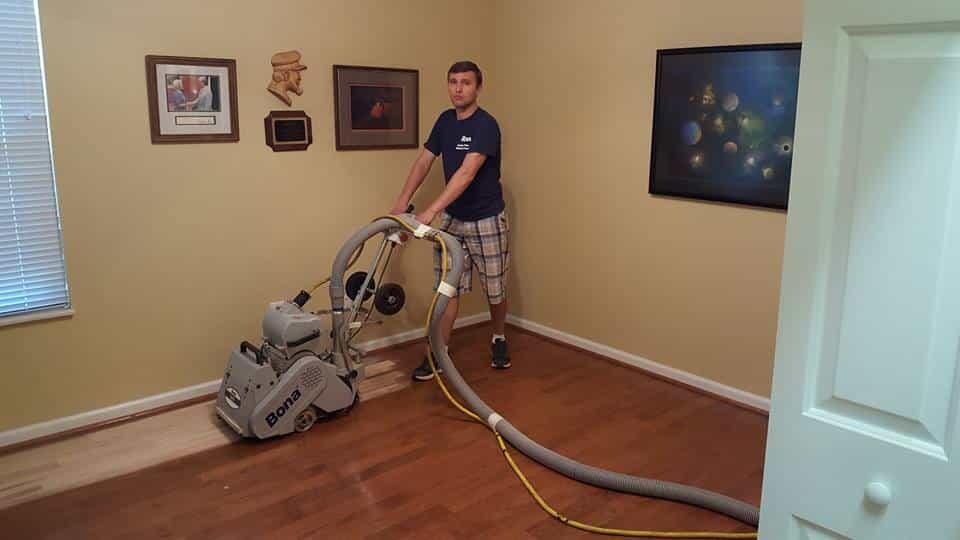
Step 4: Bleaching
After sanding, dampen a cloth with wood bleach or hydrogen peroxide and apply it to the stained area. Hydrogen peroxide works by oxidizing the stain, effectively bleaching it out. Allow it to sit for a few hours (or overnight for deeper stains), then rinse the area with water.Step 5: neutralize and rinse
Once the stain lightens or disappears, neutralize the bleach by wiping the area with a solution of one part vinegar to two parts water. Afterward, wipe the area dry and let it air dry completely.Step 6: Restain and Finish
Once the floor is thoroughly dry, it’s time to restore the wood’s natural color. Apply a matching wood stain to the area and let it dry according to the product’s instructions. Finish by applying a coat of polyurethane to seal the wood and protect it from future damage.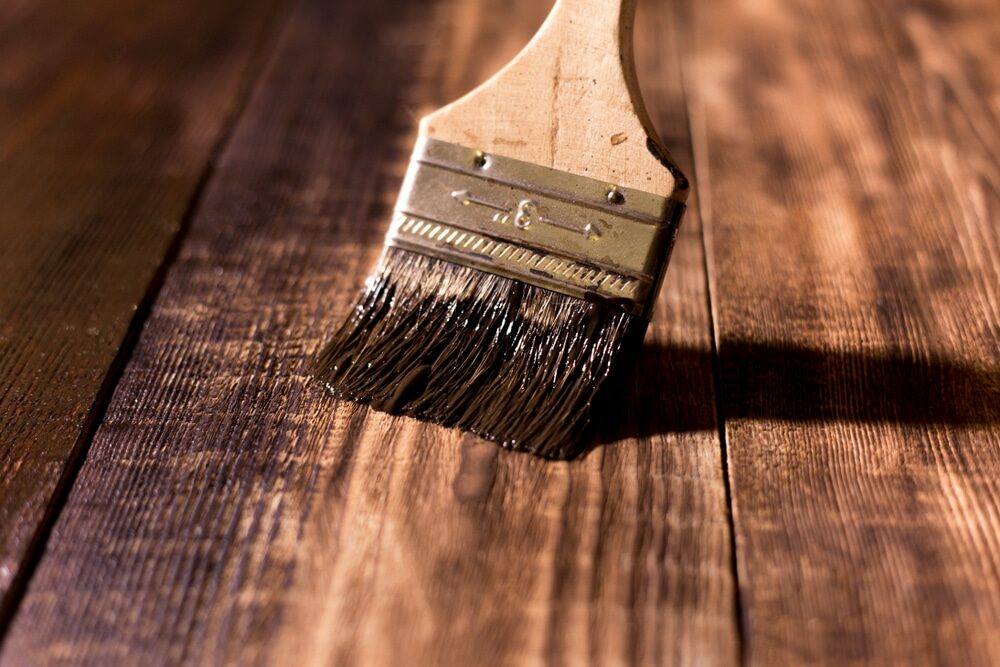
Preventing Future Water Stains
Prevention is always better than cure. To avoid the reoccurrence of dark water stains, ensure you quickly wipe up any spills on your hardwood floors. Regularly clean your floors with a damp (not wet) mop and use a dehumidifier in high-humidity seasons. It’s also advisable to reapply a protective sealant every few years to maintain the integrity and appearance of your hardwood floors.When to Call a Professional
While the process outlined above can be quite effective, it’s important to note that not all dark water stains can be removed using DIY methods. If the stain has been present for a long time or is unusually deep, it may have permanently discolored the wood. In this case, it would be wise to call in a professional. Professionals have access to more potent stain removal products and have the expertise to handle severe damage without further damaging the floor. Additionally, they can often sand and refinish a large area or even the entire floor if necessary, which will ensure a uniform look.
Conclusion:
While dark water stains on hardwood floors can be a disheartening sight for any homeowner, they are not a cause for despair. With the right tools, materials, and a bit of patience, you can effectively remove these stains and restore your floor to its former glory. Remember that prevention is always better than cure. Keep your floors dry, clean them regularly, and don’t hesitate to call in professionals when necessary. With these tips in mind, you’ll be well-equipped to tackle any dark water stains that come your way, ensuring your hardwood floors remain beautiful and timeless for many years to come. As a parting note, remember that hardwood floors, while sturdy and resilient, are also susceptible to damage. Therefore, nurturing their aesthetic and health requires regular maintenance and prompt action at the first signs of staining or damage. While we hope you won’t need to reference this guide frequently, it’s here to assist you in maintaining the beauty of your hardwood floors.Some Useful Links:
- Floor Sanding Services
- School Floor Sanding
- Wood Floor Restorations
- Wood Floor Repairs
- Wood Floor Polishing
More from our Blog:
Unraveling the Paradox: Outdated Equipment in London’s Wood Floor Sanders Understanding the Effects of Heating on Wood Floors Maintaining a Dust-Free Environment in Wood Floor Sanding | Essential Tips Essential Facts About Wood Floor Sanding | Complete Guide Revive the Timeless Elegance of Parquet Floors: A Comprehensive Restoration Guide


Sanding
We provide virtually dust-free sanding with our continuous belt machinery with mobile extraction units, giving you a safer environment for your family.

Oiling
This organic finish not only adds beauty to your home but also has exceptional water-repellent characteristics, making it easier to clean and maintain.

Waxing
This natural floor finish offers the softest and most mellow appearance – and leaves your floor able to breath.

Buffing
Using soft buffing machines (and hand-polishing where required) will bring a wonderful sheen to your newly-finished floor.

Repairs
We offer a full assessment of your wooden floors to determine what repairs are needed to provide the perfect working surface for the later stages of sanding, staining and sealing.

Restoration
We offer a comprehensive restoration process designed to address floors that are improperly fitted or damaged over time through wear and tear.
Request a fixed price quote for your wood floor restoration now
Simply enter your postcode below to get started.






Services
Wood Floor Sanding Wood Floor Restoration Wood Floor Scratch Repair Squeaky Wood Floor Repair Parquet Floor Sanding Parquet Floor Restoration Commercial Floor Sanding Church Floor Sanding Community Centre Floor Sanding School Floor Sanding Gap Filling Gap Filling with ResinCopyright © Mr Sander®
Privacy & Cookies Terms & Conditions Complaints Procedure Cancellation Rights Sitemap

Get An Instant Price Estimate Before You Go…
Simply enter the rooms you need sanded and we’ll provide you with a price estimate instantly! Try our price calculator now.
Get a Price Estimate NowLocal Floor Sanding Experts
Over 500 5-Star Reviews
Safe, Dust Free Sanding
Operating Since 1994