London:
Nationwide:


25,000+
Floors Restored

27 Years Experience

Wood Flooring Association Certified
Hardwood Floors: Recoating vs. Sanding – What’s the Difference?
Posted on May 2, 2023
Floor Sanding Services News
Hardwood Floor Restoration: Unraveling the Key Differences Between Recoating and Sanding
Hardwood floors have been a timeless and elegant choice for homeowners, offering a natural and warm look to any living space. Over time, however, these floors can lose their lustre and shine, leading to the need for maintenance. Recoating and sanding are two common methods to restore the beauty of hardwood floors, but understanding the differences between these processes is essential for homeowners to make an informed decision. In this comprehensive guide, we’ll explore the differences between recoating and sanding hardwood floors, their benefits and drawbacks, and how to determine which method is best for your hardwood floors.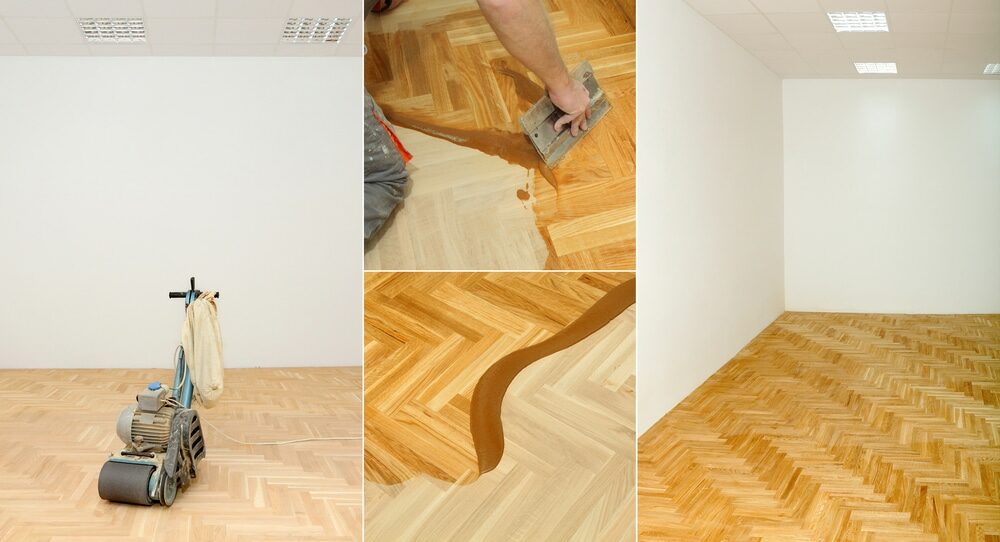
I. Recoating Hardwood Floors
A. What is recoating?
Recoating involves applying a new layer of finish on top of the existing one to restore the floor’s shine and protect it from further wear and tear. This process is often referred to as “screen and recoat” because it starts with a light sanding or screening of the existing finish to remove any surface contaminants and create a better bond with the new finish.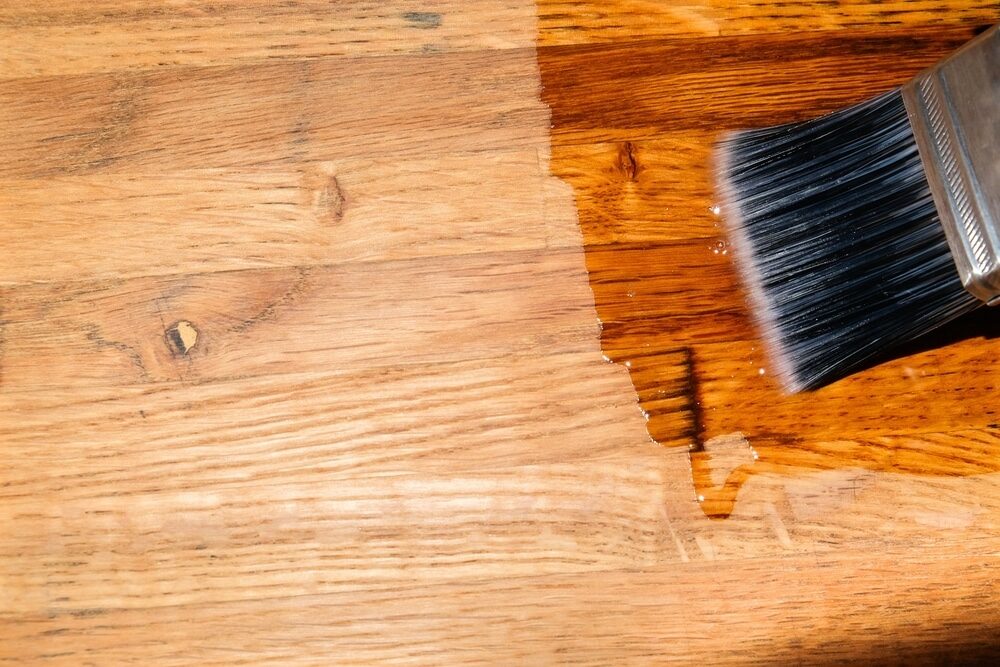
B. Benefits of Recoating
- Cost-Effective: Recoating is generally more affordable than sanding and refinishing because it requires less labour and materials.
- Time-saving: The recoating process is quicker than sanding, as it only involves a light screening rather than a complete removal of the existing finish.
- Less Dust: Recoating produces significantly less dust than sanding, making it a cleaner and more convenient option for homeowners.
- Preservation of the Floor’s Life: Since recoating only removes a small layer of the existing finish, it helps preserve the thickness and life of the hardwood floor.
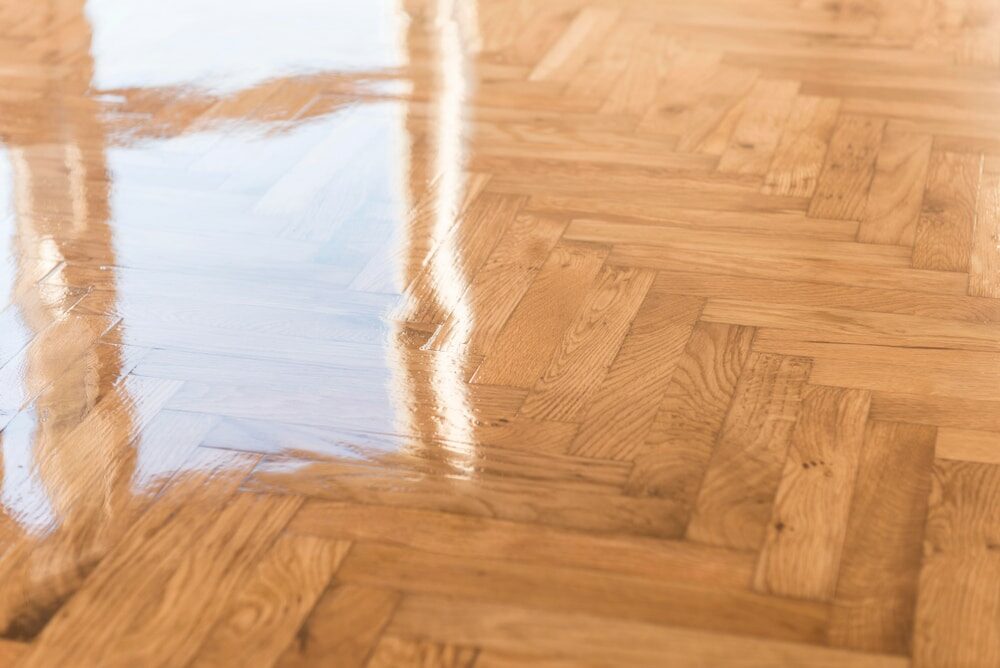
C. Drawbacks of Recoating
- Limited Repair: Recoating cannot fix deep scratches, gouges, or discoloration in the wood. These issues require more extensive repairs, such as sanding and refinishing.
- Compatibility Issues: Recoating may not be suitable for floors with certain types of finishes, like wax or oil-based polyurethane, as they may not bond well with the new finish.
- Ineffective on Severely Worn Floors: Recoating will not provide adequate protection for floors with worn or damaged finishes, leaving the wood susceptible to further damage.
II. Sanding Hardwood Floors
A. What is sanding?
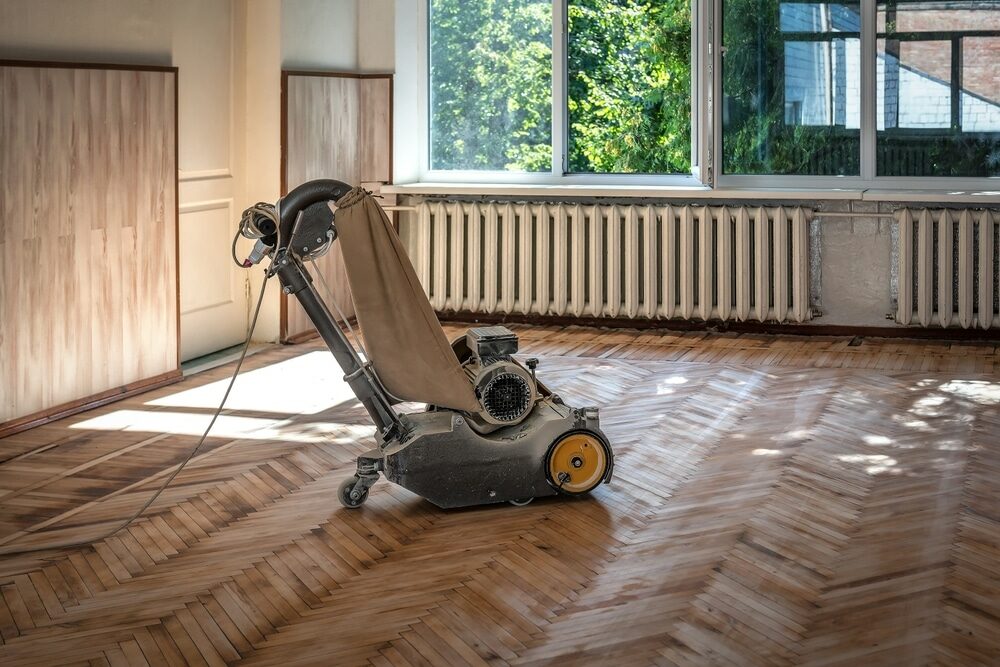
Sanding involves removing the existing finish and a thin layer of the wood surface using a floor sander. This process exposes a fresh layer of wood, which is then stained and refinished to restore the floor’s appearance and protect it from future damage.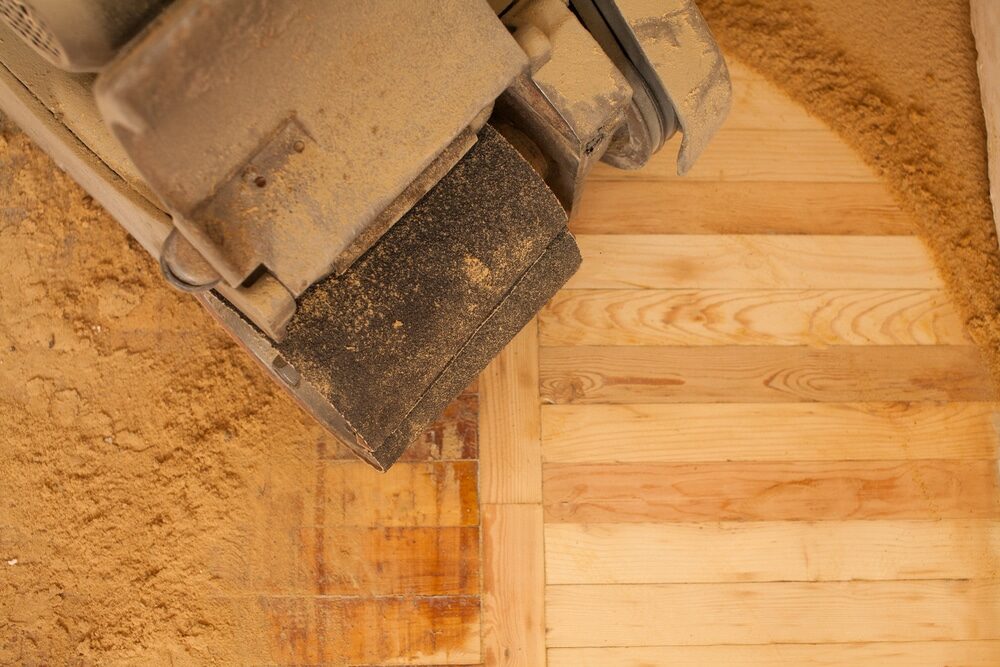
B. Benefits of Sanding
- Comprehensive Repair: Sanding can address deep scratches, gouges, and discoloration, providing a complete restoration of the hardwood floor’s appearance.
- Customization: With sanding, homeowners can choose a new stain colour or finish type, offering the opportunity to update the floor’s look and style.
- Improved Durability: By removing the damaged wood layer and applying a fresh finish, sanding can enhance the floor’s durability and resistance to wear and tear.
- Increased Home Value: A freshly sanded and refinished floor can increase the overall value of your home, making it more attractive to potential buyers.
C. Drawbacks of Sanding
- Cost: Sanding and refinishing are more expensive than recoating due to the increased labour and materials required for the process.
- Time-consuming: The sanding process takes longer to complete than recoating, and additional time is needed for the stain and finish to dry.
- Dust and Mess: Sanding produces a significant amount of dust and debris, which can be a nuisance for homeowners and require thorough cleaning after the process.
- Reduced Floor Life: Sanding removes a thin layer of the wood surface, which can shorten the overall lifespan of the hardwood floor if done too frequently.
III. How to Choose Between Recoating and Sanding
A. Assess the floor’s condition.
The first step in deciding between recoating and sanding is to evaluate the condition of your hardwood floor. If the floor has only minor scratches and the finish is still in good shape, recoating may be the ideal option. However, if there are deep scratches, gouges, or severe discoloration, sanding and refinishing will likely be necessary.B. Consider the Finish Type
The compatibility of the existing finish with a new finish is crucial when deciding between recoating and sanding. If your hardwood floor has a wax- or oil-based polyurethane finish, recoating may not be suitable, as the new finish may not bond properly. In such cases, sanding and refinishing with a compatible finish are the recommended options.C. Evaluate the floor’s age and previous maintenance.
Older floors that have undergone multiple sandings may not have sufficient thickness left for another sanding. In such cases, recoating can be a viable option to prolong the floor’s life. However, if the floor has been neglected for a long time, sanding may be necessary to restore its appearance.D. Weigh the Cost and Time Factors
Recoating is generally less expensive and quicker than sanding, making it a preferred option for those with budget constraints or tight timelines. However, if the floor requires extensive repairs, sanding and refinishing may be a worthwhile investment to improve durability and increase the home’s value.Some Useful Links:
- Wood Floor Restorations
- Wood Floor Repairs
- Floor Sanding Services
- Wood Floor Polishing
- Wood Floor Renovations
Conclusion
Hardwood floors can maintain their beauty and functionality with proper care and maintenance. Recoating and sanding are two common methods to restore hardwood floors, each with their own unique benefits and drawbacks. Homeowners should assess the condition of their floors, consider the finish type, evaluate the floor’s age and previous maintenance, and weigh the cost and time factors before choosing between recoating and sanding. By understanding the differences between these two processes, homeowners can make an informed decision that best suits their needs and restores the natural beauty of their hardwood floors.More from our Blog:
Transform Your Space with Elegant Herringbone Parquet Flooring Why Professional Hardwood Floor Sanding is Essential – Expert Tips for Stunning Floors Seasonal Wood Floor Care Tips for UK Homes – Keep Your Floors Pristine Year-Round Some Basic Tips on Floor Sanding and Finishing The Ultimate Guide to Floorboard Sanding Techniques



Sanding
We provide virtually dust-free sanding with our continuous belt machinery with mobile extraction units, giving you a safer environment for your family.

Oiling
This organic finish not only adds beauty to your home but also has exceptional water-repellent characteristics, making it easier to clean and maintain.

Waxing
This natural floor finish offers the softest and most mellow appearance – and leaves your floor able to breath.

Buffing
Using soft buffing machines (and hand-polishing where required) will bring a wonderful sheen to your newly-finished floor.

Repairs
We offer a full assessment of your wooden floors to determine what repairs are needed to provide the perfect working surface for the later stages of sanding, staining and sealing.

Restoration
We offer a comprehensive restoration process designed to address floors that are improperly fitted or damaged over time through wear and tear.
Request a fixed price quote for your wood floor restoration now
Simply enter your postcode below to get started.






Services
Wood Floor Sanding Wood Floor Restoration Wood Floor Scratch Repair Squeaky Wood Floor Repair Parquet Floor Sanding Parquet Floor Restoration Commercial Floor Sanding Church Floor Sanding Community Centre Floor Sanding School Floor Sanding Gap Filling Gap Filling with ResinCopyright © Mr Sander®
Privacy & Cookies Terms & Conditions Complaints Procedure Cancellation Rights Sitemap

Get An Instant Price Estimate Before You Go…
Simply enter the rooms you need sanded and we’ll provide you with a price estimate instantly! Try our price calculator now.
Get a Price Estimate NowLocal Floor Sanding Experts
Over 500 5-Star Reviews
Safe, Dust Free Sanding
Operating Since 1994