London:
Nationwide:


25,000+
Floors Restored

27 Years Experience

Wood Flooring Association Certified
Energy Considerations for Hardwood Floors: An Efficient Choice
Posted on July 9, 2023
Floor Sanding Services News
Energy Considerations for Hardwood Floors: An In-Depth Analysis
Hardwood floors are a popular choice for homeowners due to their enduring aesthetic appeal and durability. However, when choosing a flooring option, it’s crucial to consider the energy implications of your choice. Hardwood floors interact with your home’s heating, cooling, and lighting in unique ways, affecting energy consumption. This comprehensive guide delves into the energy considerations for hardwood floors, helping you make an informed decision.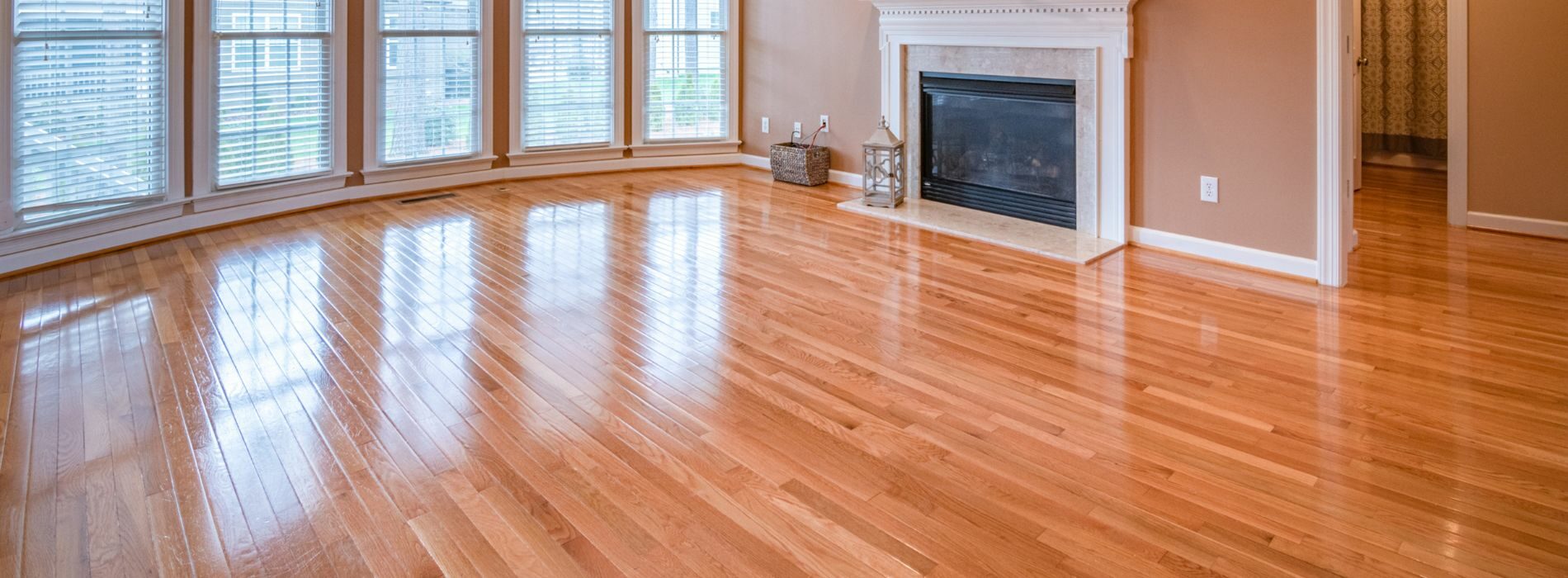
The Appeal of Hardwood Flooring
Hardwood floors add a touch of elegance and sophistication to any home. They are renowned for their durability, long lifespan, and ease of maintenance. While the aesthetic and practical considerations of hardwood flooring are well known, their energy implications are often overlooked.Thermal Properties of Hardwood Floors
One critical aspect of hardwood flooring’s energy implications relates to its thermal properties, which directly influence your home’s heating and cooling efficiency.Heat Retention
Hardwood is a natural insulator due to the tiny air chambers that occur within its cellular structure. This characteristic allows it to retain heat, making hardwood floors a comfortable choice, especially in colder climates.Thermal Conductivity
While hardwood retains heat effectively, it is not as thermally conductive as materials like tile or stone. Therefore, if you’re considering using underfloor heating, hardwood floors might not be as efficient at transmitting the heat as more conductive materials.Hardwood Floors and Lighting Efficiency
The interaction of hardwood floors with your home’s lighting also impacts your energy consumption.Light Reflection
Hardwood floors can reflect light, both natural and artificial, thereby potentially reducing the need for additional lighting. The degree of reflection depends on the color and finish of the hardwood. Lighter-colored hardwood or floors with high-gloss finishes reflect more light, brightening up the room.Energy Saving
By enhancing light distribution, hardwood floors can contribute to energy savings, especially in spaces where natural light is utilized optimally. Less reliance on artificial lighting results in reduced energy consumption.Sustainable Harvesting: A Crucial Energy Consideration
The energy footprint of hardwood floors is not confined to their performance in your home. The process of harvesting and manufacturing the hardwood also plays a significant role.Sustainable Forest Management
Hardwood for flooring is often sourced from sustainably managed forests. These forests are carefully managed to balance the rate of tree harvesting with the rate of new growth. This sustainable approach contributes to the mitigation of global warming as growing trees absorb carbon dioxide, a primary greenhouse gas.Energy Consumption in Manufacturing
The energy consumed in manufacturing hardwood floors is another important factor. While it’s true that the process requires energy, it’s typically less energy-intensive than the manufacturing processes for synthetic flooring materials. Additionally, manufacturing waste from hardwood production is often repurposed into other useful products, reducing overall waste.The Lifecycle Energy Implication of Hardwood Floors
The energy implications of hardwood floors extend across their lifecycle, from their creation to their disposal.Longevity and Energy Efficiency
Hardwood floors can last for generations, especially if well maintained. This long lifespan means that energy and resources are not frequently expended to replace the flooring, making hardwood floors an energy-efficient choice in the long run.End-of-Life Considerations
At the end of their lifespan, hardwood floors also have a lower environmental impact compared to many other types of flooring. Hardwood is biodegradable and can be recycled or repurposed, reducing the energy-intensive process of waste disposal.Making Your Hardwood Floors More Energy Efficient
While hardwood floors inherently have energy implications, homeowners can take steps to enhance their efficiency further.Use Area rugs.
Area rugs can add an extra layer of insulation to your hardwood floors, reducing heat loss and making the room feel warmer.Opt for Engineered hardwood.
Engineered hardwood, consisting of a hardwood veneer attached to a plywood base, can be more stable and less susceptible to temperature and humidity changes compared to solid hardwood. This stability can enhance the energy efficiency of underfloor heating systems.Regular Maintenance
Regular cleaning and periodic refinishing can extend the lifespan of your hardwood floor, enhancing its energy efficiency and reducing the need for replacement.Conclusion: Balancing Energy Considerations with Aesthetic Appeal
Hardwood flooring is an attractive and durable choice for any home. But beyond their timeless appeal, hardwood floors also offer energy advantages, including natural insulation properties, light reflection capabilities, and a sustainable lifecycle. When considering hardwood flooring, remember to balance these energy considerations with your aesthetic preferences and practical needs. By doing so, you can choose a flooring option that is not only visually pleasing and durable but also contributes to the overall energy efficiency of your home. While the energy considerations of hardwood floors might not be immediately apparent, understanding them can contribute to a more sustainable and energy-conscious lifestyle. Therefore, when choosing your hardwood floor, remember that you’re not only selecting a flooring option; you’re also making an energy choice.Some Useful Links:
- Floor Sanding Services
- School Floor Sanding
- Wood Floor Restorations
- Wood Floor Repairs
- Wood Floor Polishing
More from our Blog:
The Crucial Role of Underlayment in Hardwood Flooring The Ultimate Guide to Parquet Floor Sanding and Staining Exploring Common Patterns in Parquet Flooring | Ultimate Guide The Wood Mr Sander® in London: A Comprehensive Review Enhance Your Interior Look and Appeal with Floor Sanding

Sanding
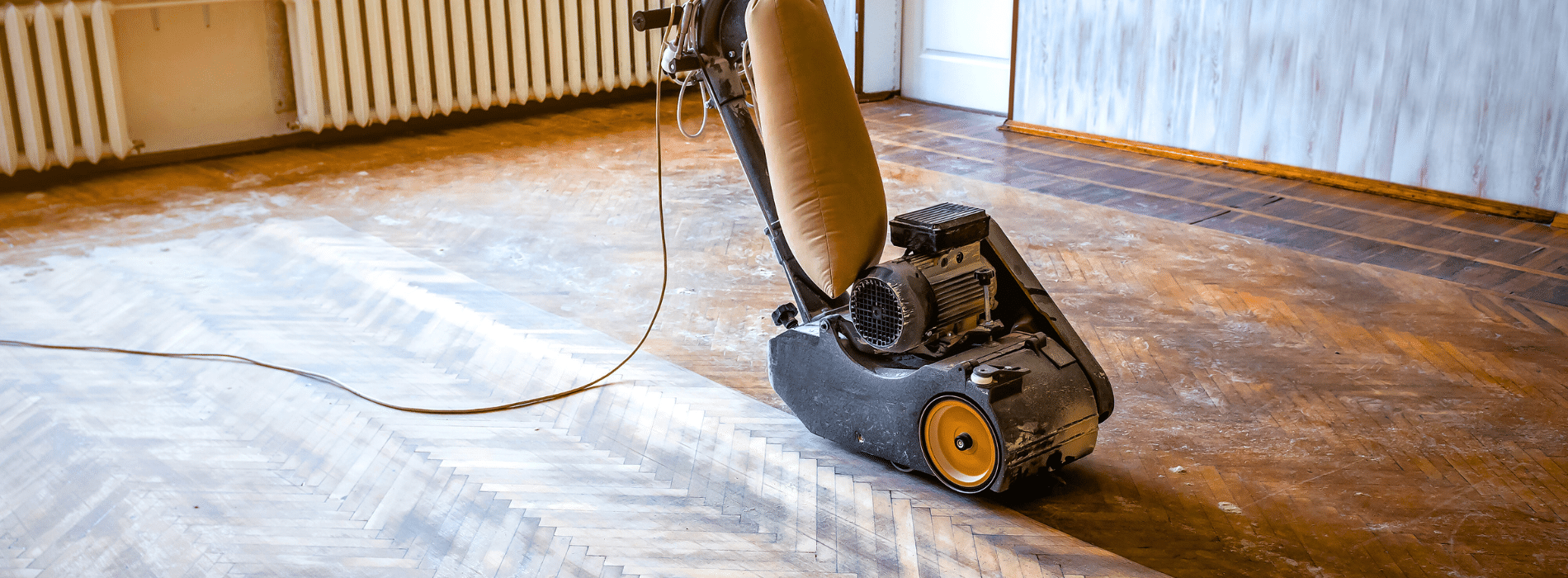
We provide virtually dust-free sanding with our continuous belt machinery with mobile extraction units, giving you a safer environment for your family.

Oiling
This organic finish not only adds beauty to your home but also has exceptional water-repellent characteristics, making it easier to clean and maintain.

Waxing
This natural floor finish offers the softest and most mellow appearance – and leaves your floor able to breath.

Buffing
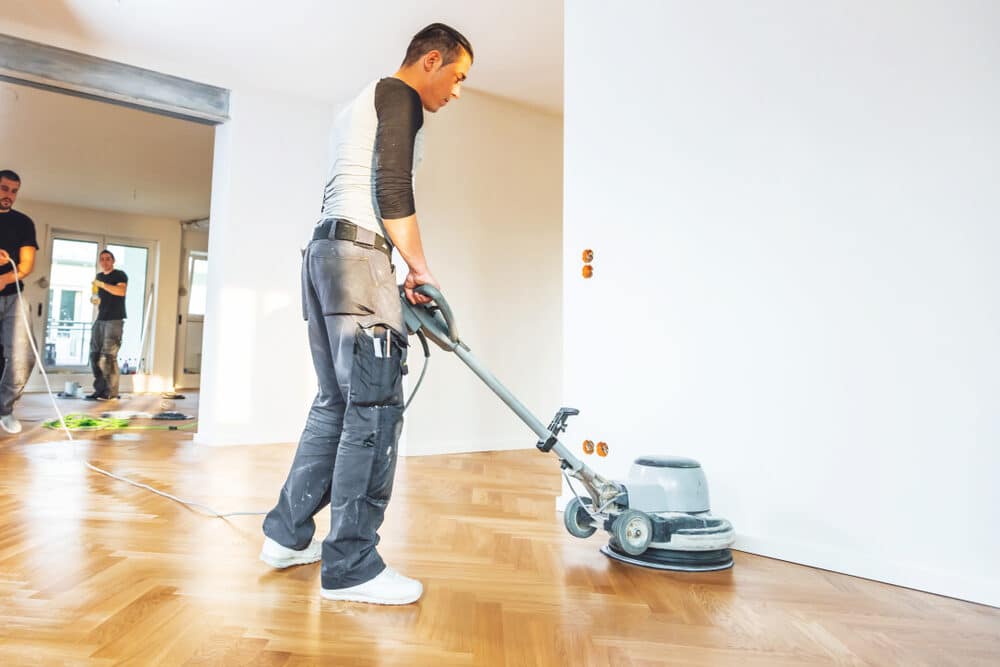
Using soft buffing machines (and hand-polishing where required) will bring a wonderful sheen to your newly-finished floor.

Repairs
We offer a full assessment of your wooden floors to determine what repairs are needed to provide the perfect working surface for the later stages of sanding, staining and sealing.

Restoration
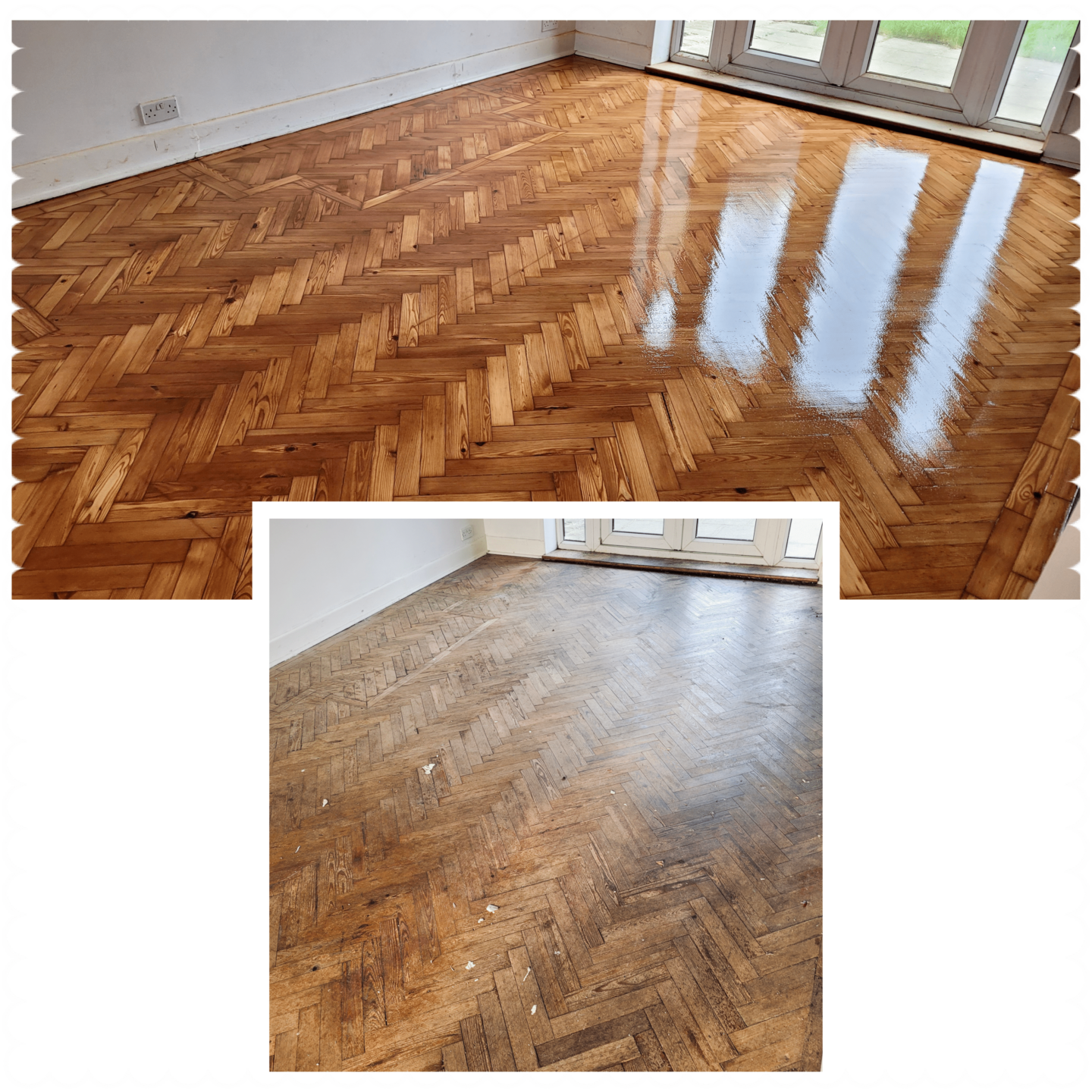
We offer a comprehensive restoration process designed to address floors that are improperly fitted or damaged over time through wear and tear.
Request a fixed price quote for your wood floor restoration now
Simply enter your postcode below to get started.






Services
Wood Floor Sanding Wood Floor Restoration Wood Floor Scratch Repair Squeaky Wood Floor Repair Parquet Floor Sanding Parquet Floor Restoration Commercial Floor Sanding Church Floor Sanding Community Centre Floor Sanding School Floor Sanding Gap Filling Gap Filling with ResinCopyright © Mr Sander®
Privacy & Cookies Terms & Conditions Complaints Procedure Cancellation Rights Sitemap

Get An Instant Price Estimate Before You Go…
Simply enter the rooms you need sanded and we’ll provide you with a price estimate instantly! Try our price calculator now.
Get a Price Estimate NowLocal Floor Sanding Experts
Over 500 5-Star Reviews
Safe, Dust Free Sanding
Operating Since 1994