London:
Nationwide:


25,000+
Floors Restored

27 Years Experience

Wood Flooring Association Certified
Wood Floor Sanding Equipment: How to Choose the Best Tools for a Professional Finish
Posted on April 27, 2023
Blog
The Ultimate Guide to Selecting Wood Floor Sanding Equipment for a Flawless Finish
Wood flooring is a beautiful, durable, and practical choice for any home or commercial space. Over time, though, the surface of the wood can become scratched, dull, or worn down. To restore the original beauty and lustre of your wood floors, you’ll need to sand and refinish them. This is where choosing the right wood floor sanding equipment comes into play. In this comprehensive guide, we’ll dive into the world of wood floor sanding equipment, exploring the various types and their specific applications. By the end of this 3000-word post, you’ll be well-equipped with the knowledge you need to select the ideal sanding equipment for your unique project.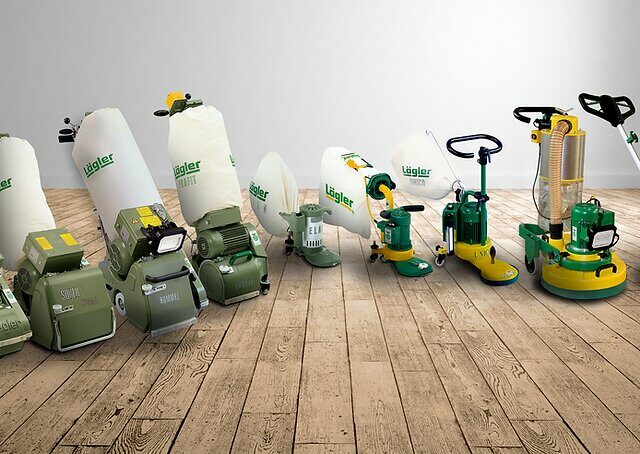
Section 1: Understanding the Basics of Wood Floor Sanding
Before diving into the specific types of equipment available, it’s important to understand the basic principles of wood floor sanding. 1.1 Why Sand Wood Floors? Sanding wood floors removes the old finish, exposes the raw wood, and smooths out any surface imperfections. This process is crucial for preparing the floor for a new finish or stain, ensuring a beautiful and long-lasting result.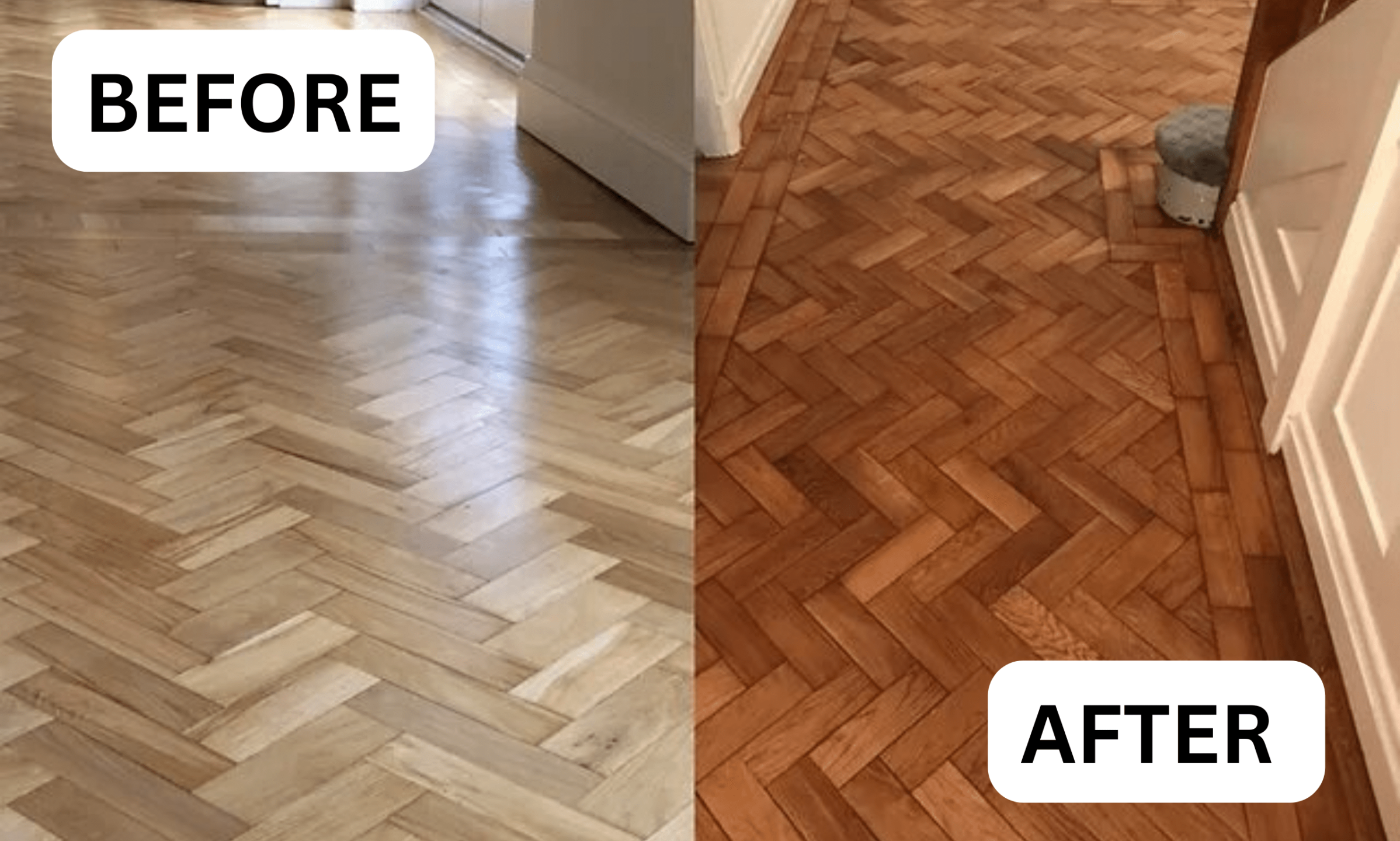 1.2 Different Types of Wood Floors
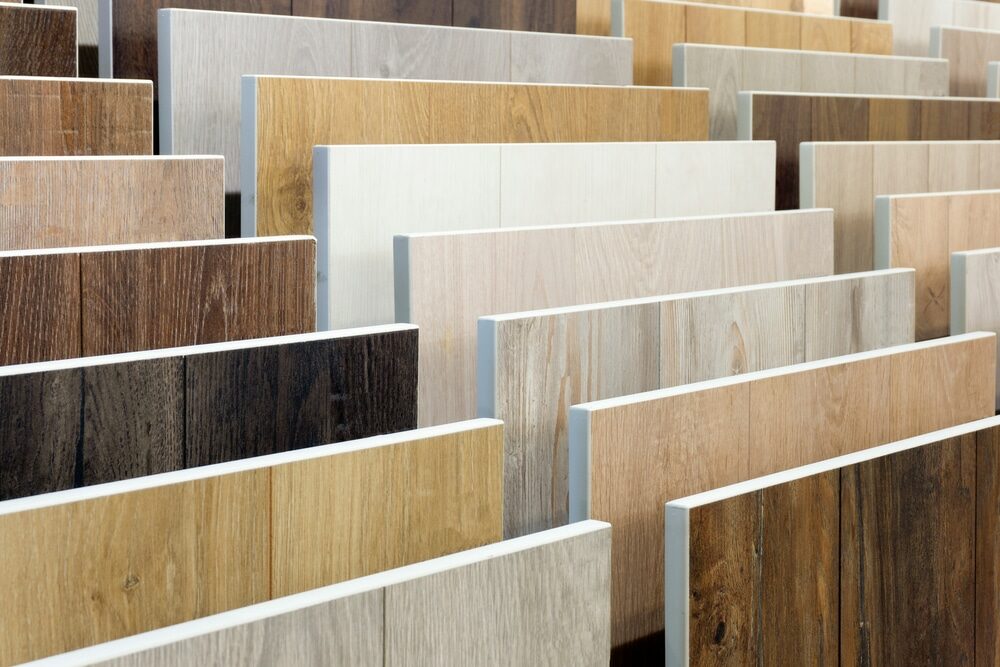
There are several types of wood floors, including solid hardwood, engineered hardwood, and parquet. Each type has its own unique characteristics and may require different sanding techniques or equipment.
1.2 Different Types of Wood Floors
There are several types of wood floors, including solid hardwood, engineered hardwood, and parquet. Each type has its own unique characteristics and may require different sanding techniques or equipment.
Section 2: Choosing the Right Wood Floor Sander
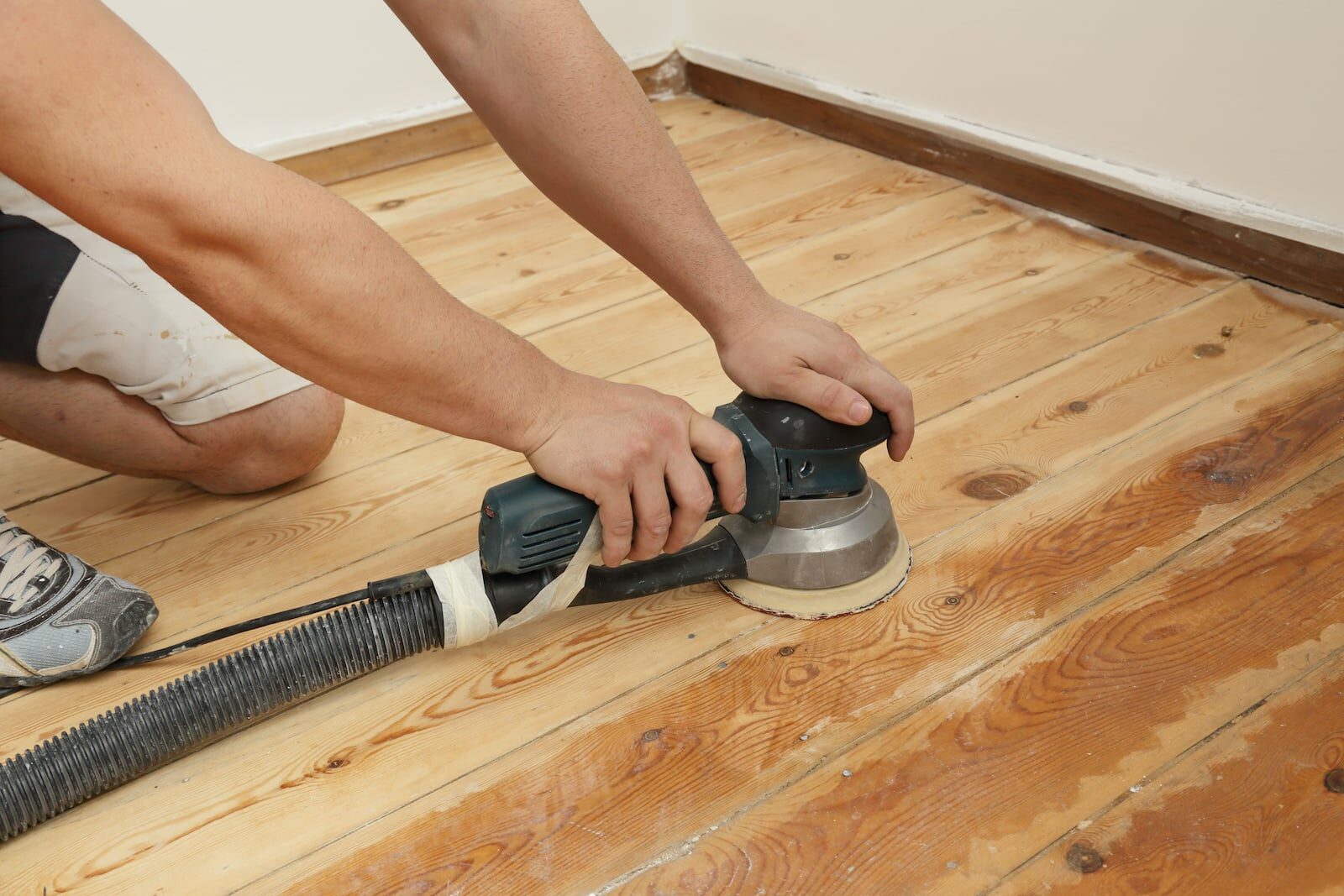
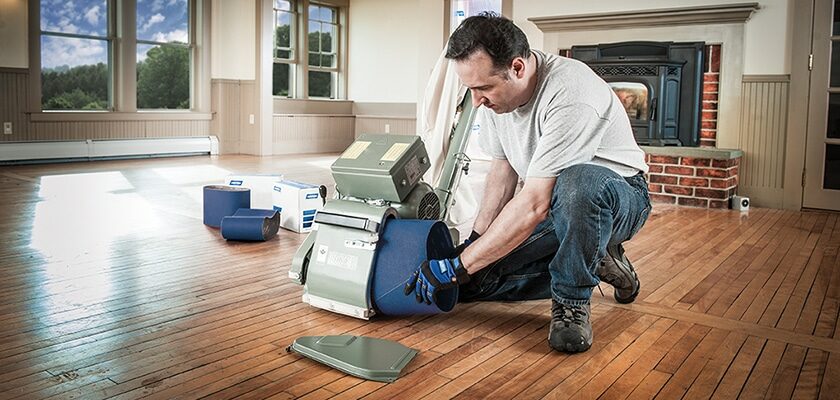
Selecting the proper sander is crucial to achieving a smooth, even finish on your wood floor. In this section, we’ll cover the various types of sanders and their applications. 2.1 Drum Sanders A drum sander is a heavy-duty machine that uses a rotating drum wrapped with sandpaper to remove the old finish and even out the surface of the wood. Drum sanders are ideal for large areas, removing thick layers of finish, or levelling uneven floors.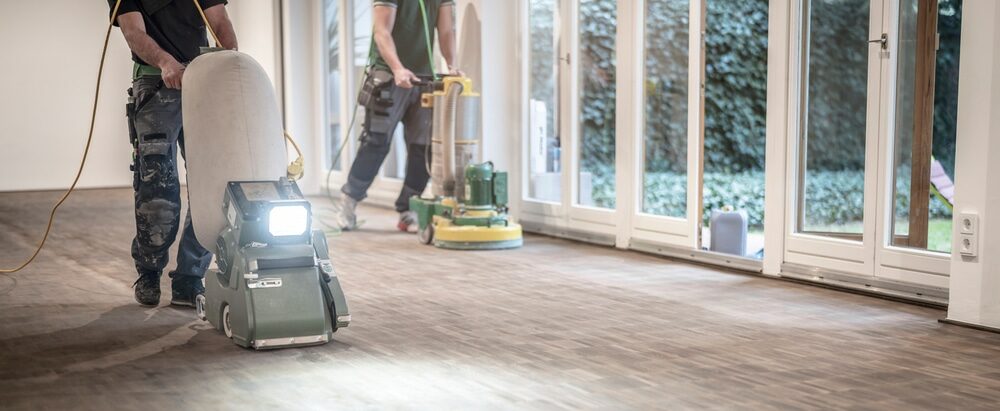 2.2 Orbital Sanders
Orbital sanders are lighter and easier to manoeuvre than drum sanders. They use a square or rectangular sanding pad that moves in a random orbit, which helps reduce the risk of leaving swirl marks on the floor. Orbital sanders are great for smaller areas or fine finishing work.
2.2 Orbital Sanders
Orbital sanders are lighter and easier to manoeuvre than drum sanders. They use a square or rectangular sanding pad that moves in a random orbit, which helps reduce the risk of leaving swirl marks on the floor. Orbital sanders are great for smaller areas or fine finishing work.
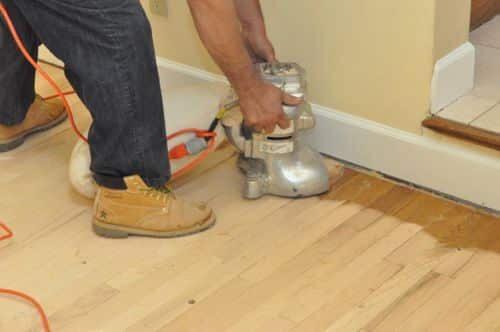
 2.3 Edger Sanders
Edger sanders are small, handheld machines designed to sand the edges and corners of a room that larger sanders can’t reach. They are usually used in conjunction with a drum or orbital sander.
2.3 Edger Sanders
Edger sanders are small, handheld machines designed to sand the edges and corners of a room that larger sanders can’t reach. They are usually used in conjunction with a drum or orbital sander.
Section 3: Selecting the Right Sandpaper Grit and Type
Choosing the correct sandpaper grit and type is essential for achieving a smooth, even finish on your wood floor. 3.1 Understanding Sandpaper Grit Sandpaper grit refers to the size of the abrasive particles on the sandpaper. Lower grit numbers indicate larger, coarser particles, while higher grit numbers represent smaller, finer particles. When sanding a wood floor, you’ll typically start with a lower-grit sandpaper and work your way up to higher grits as you progress through the sanding process.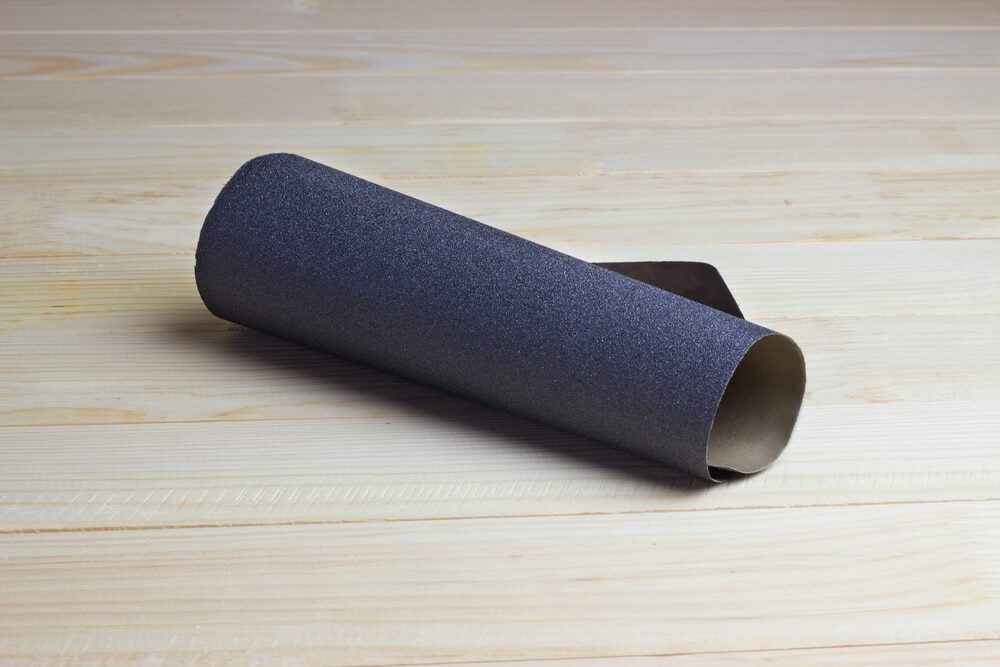 3.2 Types of Sandpaper
There are several types of sandpaper available, including aluminium oxide, silicon carbide, and ceramic. Each type has its advantages and specific applications.
3.3 Sandpaper Selection Tips
When choosing sandpaper, consider the type of wood floor you’re working with and the desired finish. Start with a coarser grit to quickly remove old finishes and imperfections, then move on to finer grits to achieve a smooth surface.
3.2 Types of Sandpaper
There are several types of sandpaper available, including aluminium oxide, silicon carbide, and ceramic. Each type has its advantages and specific applications.
3.3 Sandpaper Selection Tips
When choosing sandpaper, consider the type of wood floor you’re working with and the desired finish. Start with a coarser grit to quickly remove old finishes and imperfections, then move on to finer grits to achieve a smooth surface.
Section 4: Dust Collection and Safety Considerations
Proper dust collection and safety precautions are vital when working with wood floor sanding equipment.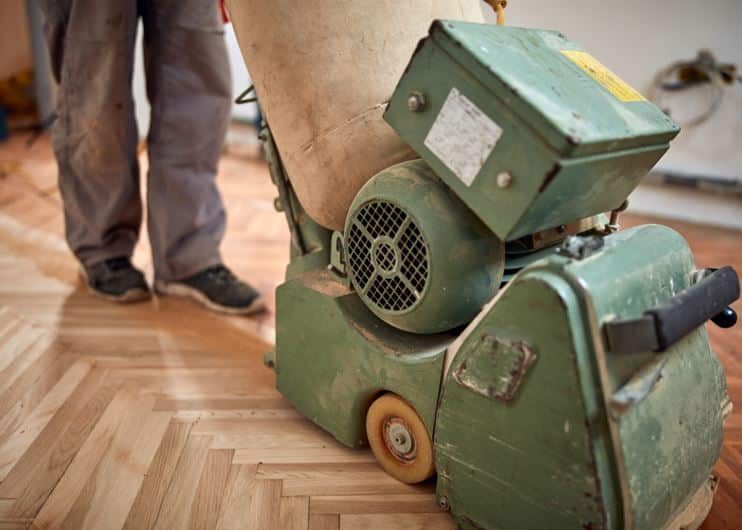
Section 5: Additional Accessories and Tools for Wood Floor Sanding
To achieve professional-quality results, you may need to use additional accessories and tools alongside your wood floor sanding equipment. 5.1 Hand Scrapers Hand scrapers are essential for removing old finishes or stubborn spots in tight corners and along edges where larger sanders can’t reach. They are also useful for creating a distressed or hand-scraped look on your wood floor.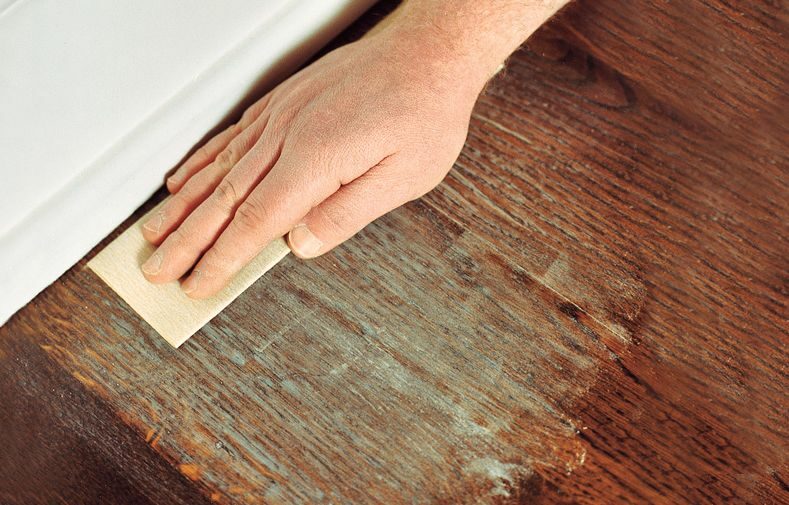 5.2 Buffers
Buffers are used to blend and smooth out the surface of the wood floor after sanding with a drum or orbital sander. They can also be used to apply stains, sealers, or finishes to the wood floor evenly.
5.2 Buffers
Buffers are used to blend and smooth out the surface of the wood floor after sanding with a drum or orbital sander. They can also be used to apply stains, sealers, or finishes to the wood floor evenly.
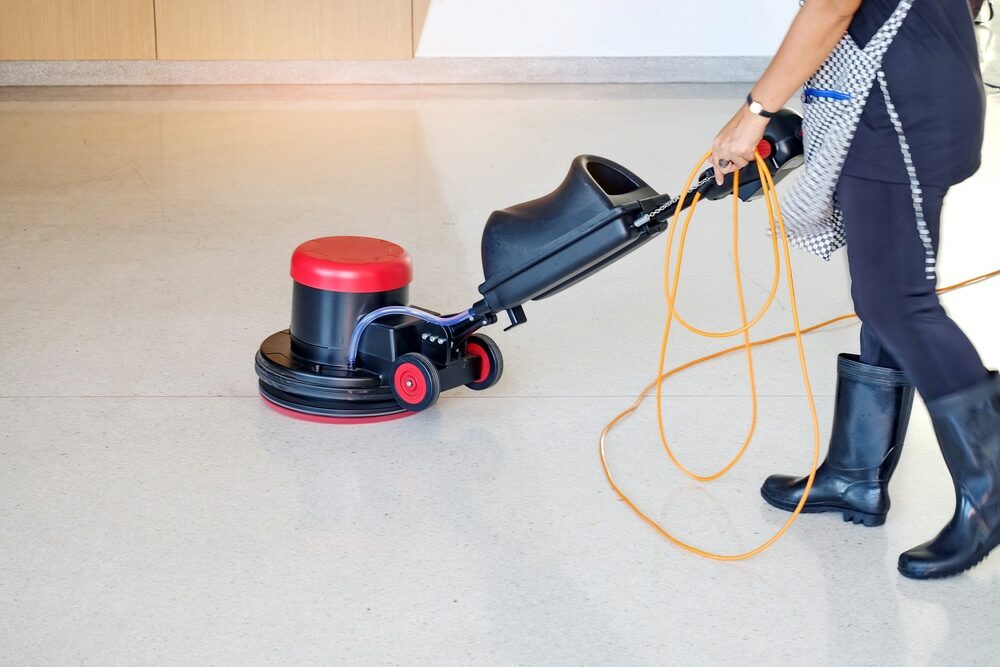 5.3 Vacuum Cleaners
A vacuum cleaner is an essential tool for cleaning up dust and debris after sanding. Choose a vacuum cleaner with a HEPA filter to ensure that even the smallest dust particles are captured.
5.3 Vacuum Cleaners
A vacuum cleaner is an essential tool for cleaning up dust and debris after sanding. Choose a vacuum cleaner with a HEPA filter to ensure that even the smallest dust particles are captured.
Section 6: Rental vs. Purchase: Weighing Your Options
Once you have determined the type of sanding equipment and accessories you need, you must decide whether to rent or purchase the equipment. 6.1 Rental Pros and Cons Renting wood floor sanding equipment can be a cost-effective option if you’re only planning to use it for a single project or infrequently. Many rental companies offer a range of sanders and accessories, allowing you to choose the right equipment for your needs. However, rental fees can add up quickly if you need the equipment for an extended period or multiple projects. 6.2 Purchase Pros and Cons Purchasing wood floor sanding equipment can be a significant upfront investment, but it may be more cost-effective in the long ruan if you plan to use the equipment regularly or for multiple projects. Owning your equipment also means you won’t be constrained by rental availability or time limits. However, you’ll be responsible for the maintenance, repairs, and storage of the equipment.Some Useful Links:
Conclusion: Choosing the right wood floor sanding equipment is crucial for achieving a beautifully restored wood floor. By understanding the basics of wood floor sanding, selecting the appropriate sander and sandpaper, and considering safety and additional accessories, you’ll be well-equipped to tackle your wood floor refinishing project with confidence. Always weigh the pros and cons of renting versus purchasing equipment to make the most cost-effective decision for your unique situation.More from our Blog:
What is a Floating Hardwood Floor? A Comprehensive Guide Mastering Floorboards Sanding: Tips & Techniques for Stunning Results Key Questions to Ask before Selecting A Floor Sanding Company



Sanding
We provide virtually dust-free sanding with our continuous belt machinery with mobile extraction units, giving you a safer environment for your family.

Oiling
This organic finish not only adds beauty to your home but also has exceptional water-repellent characteristics, making it easier to clean and maintain.

Waxing
This natural floor finish offers the softest and most mellow appearance – and leaves your floor able to breath.

Buffing
Using soft buffing machines (and hand-polishing where required) will bring a wonderful sheen to your newly-finished floor.

Repairs
We offer a full assessment of your wooden floors to determine what repairs are needed to provide the perfect working surface for the later stages of sanding, staining and sealing.

Restoration
We offer a comprehensive restoration process designed to address floors that are improperly fitted or damaged over time through wear and tear.
Request a fixed price quote for your wood floor restoration now
Simply enter your postcode below to get started.






Services
Wood Floor Sanding Wood Floor Restoration Wood Floor Scratch Repair Squeaky Wood Floor Repair Parquet Floor Sanding Parquet Floor Restoration Commercial Floor Sanding Church Floor Sanding Community Centre Floor Sanding School Floor Sanding Gap Filling Gap Filling with ResinCopyright © Mr Sander®
Privacy & Cookies Terms & Conditions Complaints Procedure Cancellation Rights Sitemap

Get An Instant Price Estimate Before You Go…
Simply enter the rooms you need sanded and we’ll provide you with a price estimate instantly! Try our price calculator now.
Get a Price Estimate NowLocal Floor Sanding Experts
Over 500 5-Star Reviews
Safe, Dust Free Sanding
Operating Since 1994