London:
Nationwide:


25,000+
Floors Restored

27 Years Experience

Wood Flooring Association Certified
Manchester Floor Sanding, Floorboards Restoration & Parquet Repair – M1
VIEW PRICING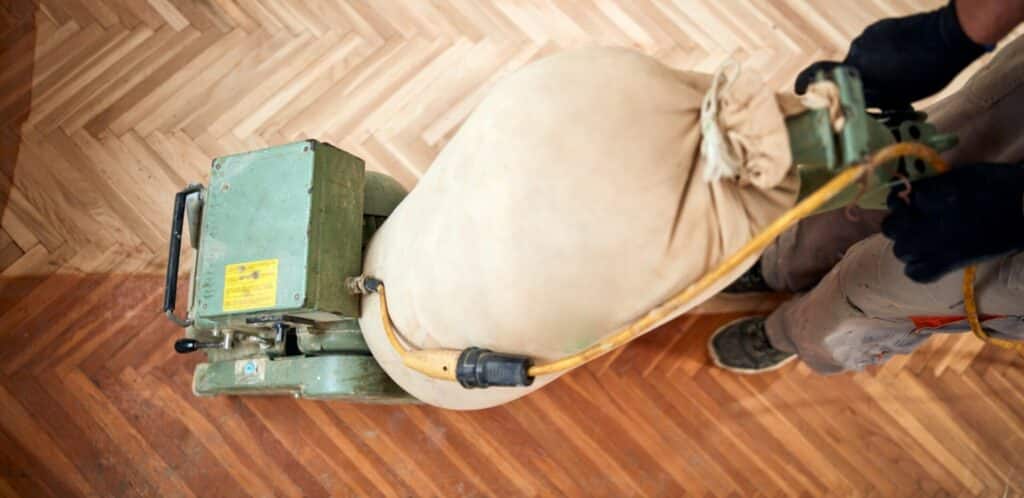
Looking for Premier Floor Sanding, Restoration & Repair Services in Manchester, M1?
Welcome to Mr Sander®, your premier destination for exquisite floor sanding and restoration services in Manchester, M1. At the core of our ethos lies a deep-seated belief in the transformative power of quality craftsmanship. With a blend of tradition and innovation, we dedicate ourselves to revitalizing the essence and beauty of your wooden floors. Our team, fuelled by passion and precision, promises to uncover the hidden charm and character lying dormant beneath your feet. By choosing Mr Sander®, you’re not just opting for a service; you’re embracing an experience that will breathe new life into your home, making every step within your space a testament to timeless elegance and warmth.
In a world where every detail matters, we understand that the foundation of your home plays a crucial role in its overall atmosphere and aesthetic. That’s why, at Mr Sander®, we approach each project with a heart full of enthusiasm and a commitment to excellence that’s unmatched in our field. Our mission is to not just meet your expectations but to exceed them, delivering results that resonate with quality, durability, and beauty. With Mr Sander®, you’re securing more than just a service; you’re investing in a piece of artistry that holds the promise of durability, allure, and an unwavering dedication to customer satisfaction. Let us take you on a journey where each grain of wood tells a story, and every floor we touch turns into a masterpiece that stands the test of time.
At Mr Sander® in Manchester, M1, we offer a wide variety of services to cater to your wood flooring needs, which include:
- Sanding and sealing of solid or engineered wood flooring
- Parquet floor restoration
- Pine floorboard sanding and varnishing (Victorian & Georgian)
- Staining wooden floors
- Engineered and solid wood floor sanding
- Re-oiling of wooden floors and re-coating of lacquered floors
- Commercial floor refinishing: Schools, Museums, Community Halls, Shops, etc
- Wood floor repairs for floorboards, parquet, and hardwood flooring
- Wooden worktop refinishing and decking restoration
- Stairs sanding & stripping (Tread and Riser)
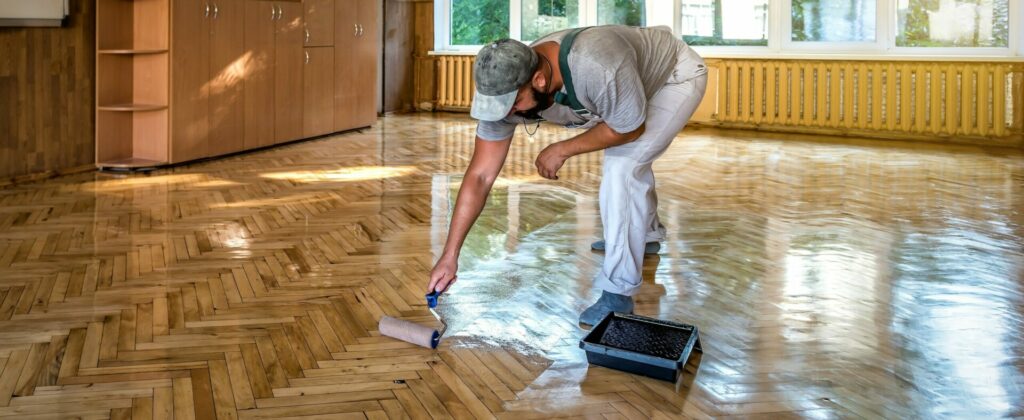
To create the ideal look for your floors, we also offer a range of finishes, including Osmo and Pallmann Hardwax, Bona Traffic HD, Junckers Strong, HP Commercial Lacquer, and stains from Morrells, Bona Craft Oils, Rustins, and Myland.
As the leading service company in Manchester, M1
We strive to continue providing our clients with beautifully restored wooden floors that enhance the appearance and ambiance of their homes.
Why Choose Us for Floor Sanding in Manchester, M1?
Unparalleled Quality and Craftsmanship:
At Mr Sander®, we don’t just restore floors; we transform them into works of art. Our team is composed of highly skilled professionals who bring years of experience and a keen eye for detail to every project. We use only the highest quality materials and the latest techniques to ensure your floors are not just sanded but meticulously restored to their original beauty and charm.
Personalized Service Tailored to Your Needs:
We understand that each home and every floor has its own unique story and requirements. That’s why we offer bespoke solutions tailored specifically to your needs and desires. From the initial consultation to the completion of the project, we work closely with you to ensure that the final outcome reflects your vision and enhances the overall ambiance of your home.
Customer Satisfaction at Our Core:
Your happiness and satisfaction are what drive us. Mr Sander® is built on a foundation of trust and a passion for delivering exceptional customer service. We go above and beyond to ensure that the process is as seamless and enjoyable as possible, with clear communication, respect for your home, and meticulous attention to every detail.
Eco-Friendly Practices:
We are committed to sustainability and environmentally friendly practices. By choosing eco-conscious materials and employing green sanding techniques, we minimize our ecological footprint while ensuring a healthy and safe environment for your family. With Mr Sander®, you can rest assured that your beautiful floors are also a choice that benefits the planet.
A Promise of Durability:
Our commitment to quality means that we not only aim to beautify your floors but also to ensure their longevity. We apply finishes and treatments that protect your floors from wear and tear, ensuring they remain a source of pride and joy for years to come.
A Passion for Floors:
At Mr Sander®, floors are our passion. We believe that a beautifully restored floor can transform the entire feel of a home, and we pour our heart, soul, and expertise into making sure every floor we touch reflects the highest standards of quality and beauty.
Choosing Mr Sander® means choosing a reliable, professional, and customer-focused service provider. Our team’s dedication, combined with our use of cutting-edge technology, enables us to provide a service of unmatched quality. We’re not just improving floors; we’re enhancing the overall beauty and value of your space. Trust us to revitalise your wooden floors with care, precision, and deep respect for the material’s natural properties. For floor sanding, restoration, and repair services in Manchester, M1, Mr Sander® is the company to call.
Our Floor Sanding Process in Manchester, M1
1. Initial Consultation and Assessment
The journey begins with a thorough consultation to understand your vision and assess the condition of your floors. Our experts will visit your home, evaluate the scope of work needed, and discuss any specific requirements or concerns you might have. This step ensures that our approach is perfectly tailored to meet your expectations and the unique characteristics of your flooring.
2. Preparation and Protection
Before the sanding begins, we take meticulous steps to prepare the area. This involves moving furniture, securing and protecting adjacent surfaces, and ensuring that the environment is safe and ready for the sanding process. Our team takes great care to minimize dust and protect your home and belongings.
3. Sanding with State-of-the-Art Equipment
Using advanced, dust-minimizing sanding machines, we gently remove the old finish, imperfections, and signs of wear from your floors. Our process involves multiple stages of sanding, starting with coarser grits to remove the old layers and gradually moving to finer grits to achieve a smooth and flawless surface. This careful, graded approach ensures the best possible foundation for the finishing touches.
4. Detailing and Fine Sanding
Attention to detail is what sets us apart. After the initial sanding, we meticulously address any hard-to-reach areas, corners, and edges with hand tools and fine-grit sandpaper. This ensures a uniformly smooth surface across the entire floor, laying the groundwork for a perfect finish.
5. Cleaning and Preparing for Finishing
Once the sanding is complete, we thoroughly clean the floors to remove all dust and debris. This step is crucial for ensuring that the finish adheres properly and looks impeccable. We take pride in our dust-free cleaning techniques, leaving your space neat and ready for the final stages.
6. Applying the Finish
Based on your preferences and the specific needs of your flooring, we apply a high-quality finish that enhances the wood’s natural beauty and provides durable protection against wear and tear. Our range of finishes includes eco-friendly options, and we offer a variety of sheens and colors to perfectly match your home’s aesthetic.
7. Final Inspection and Care Instructions
Our commitment to excellence extends beyond the completion of the project. We conduct a thorough final inspection to ensure every aspect of our work meets our high standards and your complete satisfaction. Additionally, we provide detailed care instructions to help you maintain the beauty and longevity of your floors.
Contact Our Team Today!
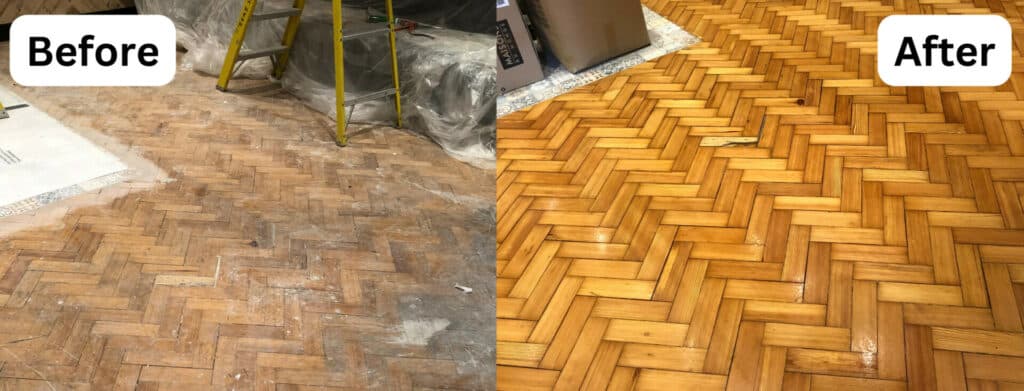
Contact us at 020 7381 9408 or via email for more information and a free, no-obligation quote. Since 1994, we have been restoring wood floors of all types, including hardwood boards, parquet blocks, and cork. In our careful restoration process, we fix or replace any damaged blocks or boards, sand the floor to a smooth, bare wood finish, and use both high-tech sanders and traditional hand-renovation methods to get perfect results. Then, we add a protective finish that you choose: lacquer for durability, traditional oil for natural beauty, or hard wax for extra warmth.
Hiring a Professional Floor Sanding Company vs. a DIY Floor Sanding Project: Which One Is Right for You?
Deciding between hiring a professional floor sanding company like Mr Sander® and undertaking a DIY floor sanding project involves weighing several important factors. Each option has its own set of benefits and challenges, and the right choice depends on your specific circumstances, skills, and expectations. Here’s a detailed comparison to help you make an informed decision:
Hiring a Professional Floor Sanding Company
Pros:
- Expertise and Experience: Professional companies bring years of experience and specialized knowledge. They can handle a wide range of flooring types and conditions, ensuring high-quality results.
- Advanced Equipment: Professionals use industrial-grade sanding machines that are more efficient and effective than rental equipment. These machines also minimize dust, making the process cleaner and healthier.
- Time-Saving: A professional team can complete the job much faster than a DIY enthusiast. This means less disruption to your daily life and quicker access to your newly refurbished space.
- Quality and Durability: Professionals know how to achieve the best finish and how to apply it for long-lasting durability. They can also offer warranties for their work, giving you peace of mind.
- Cost-Effectiveness: While hiring professionals involves upfront costs, it can be cost-effective in the long run. Mistakes made during DIY projects can lead to costly repairs or even the need to hire professionals to fix the issues.
Cons:
- Cost: The initial outlay for professional services is higher than doing it yourself. For those on a tight budget, this can be a significant factor.
DIY Floor Sanding Project
Pros:
- Cost Savings: The primary advantage of DIY floor sanding is the potential for cost savings, as you avoid the labor costs associated with professional services.
- Personal Satisfaction: Completing the project yourself can provide a sense of accomplishment and the ability to say you did it with your own hands.
Cons:
- Risk of Mistakes: Without the proper experience and equipment, there’s a higher risk of making mistakes—such as uneven sanding, damaging the wood, or applying the finish incorrectly—that can be costly or impossible to reverse.
- Time and Effort: DIY projects can take significantly longer to complete, especially if you’re learning as you go. This can also mean a longer period of disruption at home.
- Equipment Rental Costs: While you save on labor, you still need to rent or buy the necessary equipment, which can be costly and may not offer the same quality as professional-grade machines.
- Health and Safety Risks: Sanding floors generates a lot of dust, and improper handling can lead to health risks. Professional companies have the equipment to minimize dust and dispose of it safely.
Conclusion
- Consider Your Skill Level and Experience: If you have experience with similar projects and feel confident in your ability to handle the job, a DIY approach might be suitable.
- Evaluate Your Budget: If cost is your primary concern and you’re prepared for the potential need for corrections, DIY could save you money initially.
- Assess the Scope of the Project: For large or complex projects, or if your floors are particularly valuable or in poor condition, hiring professionals is often the safer choice.
- Think About Your Time and Convenience: If you prefer a hassle-free process and quick, guaranteed results, professional services like those offered by Mr Sander® are the way to go.
Ultimately, the choice between hiring a professional floor sanding company and taking on a DIY project depends on weighing these factors against your personal preferences, abilities, and the value you place on the quality and durability of the finished product.
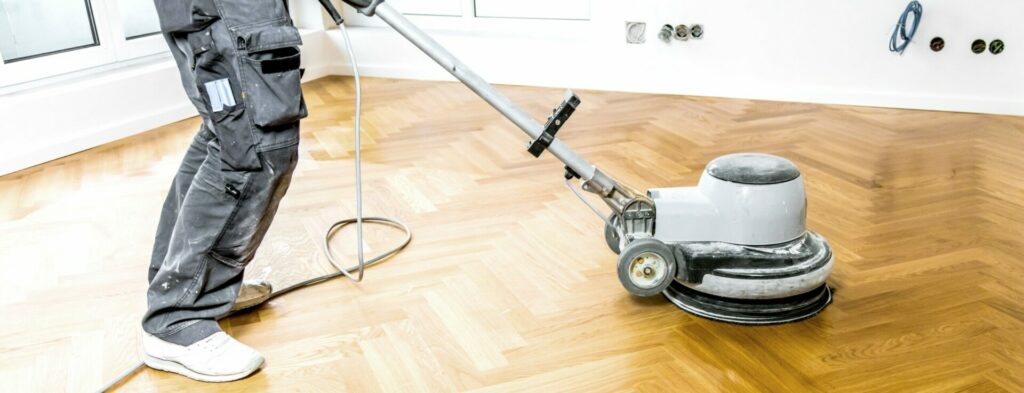


Sanding
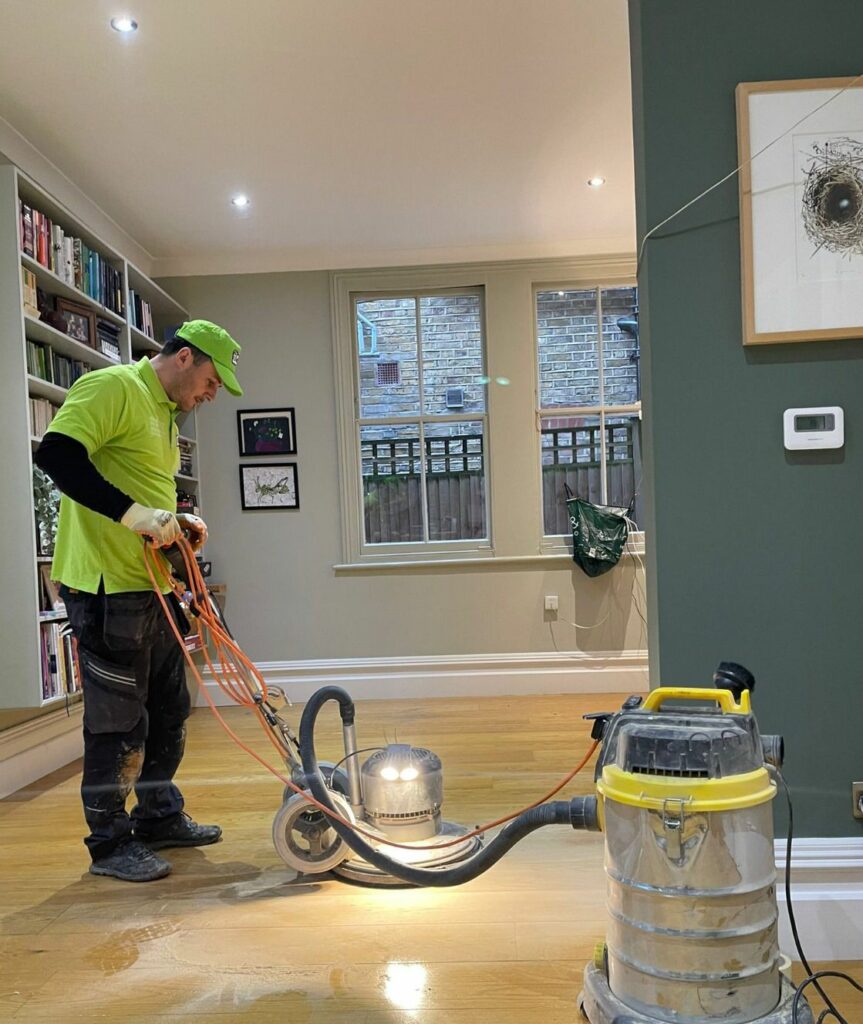
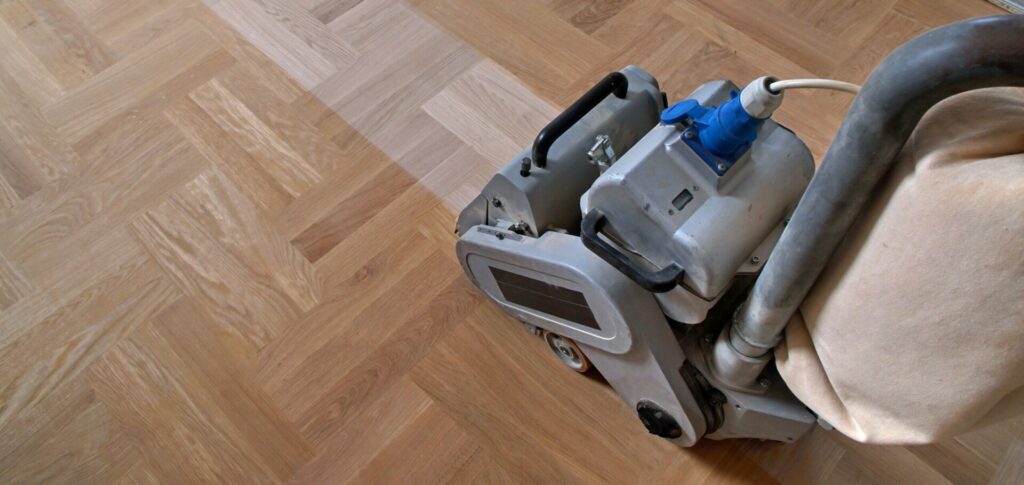
We provide virtually dust-free sanding with our continuous belt machinery with mobile extraction units, giving you a safer environment for your family.

Oiling
This organic finish not only adds beauty to your home but also has exceptional water-repellent characteristics, making it easier to clean and maintain.

Waxing
This natural floor finish offers the softest and most mellow appearance – and leaves your floor able to breath.

Buffing
Using soft buffing machines (and hand-polishing where required) will bring a wonderful sheen to your newly-finished floor.

Repairs
We offer a full assessment of your wooden floors to determine what repairs are needed to provide the perfect working surface for the later stages of sanding, staining and sealing.

Restoration
We offer a comprehensive restoration process designed to address floors that are improperly fitted or damaged over time through wear and tear.
Request a fixed price quote for your wood floor restoration now
Simply enter your postcode below to get started.






Services
Wood Floor Sanding Wood Floor Restoration Wood Floor Scratch Repair Squeaky Wood Floor Repair Parquet Floor Sanding Parquet Floor Restoration Commercial Floor Sanding Church Floor Sanding Community Centre Floor Sanding School Floor Sanding Gap Filling Gap Filling with ResinCopyright © Mr Sander®
Privacy & Cookies Terms & Conditions Complaints Procedure Cancellation Rights Sitemap

Get An Instant Price Estimate Before You Go…
Simply enter the rooms you need sanded and we’ll provide you with a price estimate instantly! Try our price calculator now.
Get a Price Estimate NowLocal Floor Sanding Experts
Over 500 5-Star Reviews
Safe, Dust Free Sanding
Operating Since 1994