London:
Nationwide:


25,000+
Floors Restored

27 Years Experience

Wood Flooring Association Certified
Cardiff Floor Sanding, Floorboards Restoration & Parquet Repair – CF10
VIEW PRICING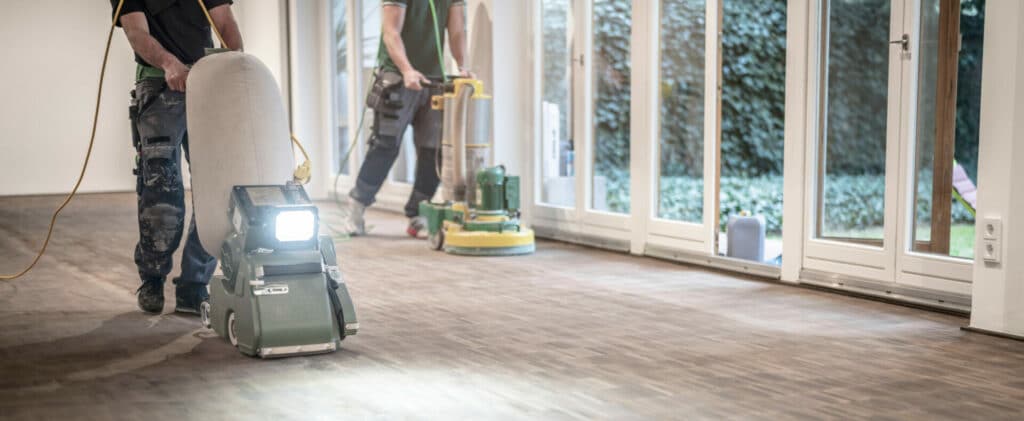
Looking for Premier Floor Sanding, Restoration & Repair Services in Cardiff, CF10?
Welcome to Mr Sander®, Cardiff’s leading floor sanding experts, where our dedication to perfection meets the warmth of your home. Nestled in the bustling heart of Cardiff, CF10, we specialize in breathing new life into your wooden floors, transforming them into the pristine, inviting surfaces you’ve always dreamed of. With a steadfast commitment to quality, precision, and unparalleled customer service, we ensure every project we undertake is infused with the magic of rejuvenation and the passion we have for what we do.
At Mr Sander®, we believe that your home is more than just a space; it’s a canvas for your life’s most precious moments. Our mission is to enhance the beauty and longevity of your wooden floors, ensuring they stand the test of time and continue to bring warmth and elegance to your home for years to come. By choosing us, you’re not just opting for a service; you’re embracing a partnership with craftsmen who put your satisfaction at the heart of everything we do. Let us show you how our dedication to excellence can transform your space, creating a foundation for countless memories and moments to cherish.

At Mr Sander® in Cardiff, CF10, we offer a wide variety of services to cater to your wood flooring needs, which include:
- Sanding and sealing of solid or engineered wood flooring
- Parquet floor restoration
- Pine floorboard sanding and varnishing (Victorian & Georgian)
- Staining wooden floors
- Engineered and solid wood floor sanding
- Re-oiling of wooden floors and re-coating of lacquered floors
- Commercial floor refinishing: Schools, Museums, Community Halls, Shops, etc
- Wood floor repairs for floorboards, parquet, and hardwood flooring
- Wooden worktop refinishing and decking restoration
- Stairs sanding & stripping (Tread and Riser)
To create the ideal look for your floors, we also offer a range of finishes, including Osmo and Pallmann Hardwax, Bona Traffic HD, Junckers Strong, HP Commercial Lacquer, and stains from Morrells, Bona Craft Oils, Rustins, and Myland.
As the leading service company in Cardiff, CF10
We strive to continue providing our clients with beautifully restored wooden floors that enhance the appearance and ambiance of their homes.
Why Choose Us for Floor Sanding in Cardiff, CF10?
Personalised Service Tailored to You:
At Mr Sander®, we understand that every floor, much like its owner, possesses its own unique character and needs. That’s why we offer bespoke floor sanding solutions, meticulously tailored to meet the specific requirements of your space. From the initial consultation to the final touch-up, our dedicated team ensures a seamless, personalised experience, prioritising your vision and satisfaction above all else.
Unmatched Quality and Craftsmanship:
Our passion for perfection drives us to deliver unparalleled quality in every project we undertake. With a team of highly skilled craftsmen who bring years of experience and a keen eye for detail, we use only the finest tools and techniques to achieve flawless finishes. Our commitment to excellence ensures that your floors will not only look spectacular but will also withstand the test of time.
Eco-Friendly Practices:
We believe in protecting both your floors and the environment. Mr Sander® utilises the most advanced, eco-friendly sanding technologies and materials that minimise dust and reduce environmental impact. Our sustainable practices ensure a healthier home for you and a brighter future for our planet.
Transparent Pricing and Communication:
Clarity and honesty are at the heart of everything we do. We provide transparent pricing and clear communication throughout the entire process, ensuring you are fully informed and comfortable with each decision made. No hidden fees, no surprises—just exceptional service tailored to fit your budget.
Unrivalled Customer Support:
Your satisfaction is our top priority. Our team is committed to providing exceptional customer service, offering expert advice, and addressing any concerns promptly. We’re here to support you every step of the way, ensuring a stress-free and enjoyable experience from start to finish.
A Legacy of Happy Customers:
Our reputation is built on the smiles of our satisfied customers. With countless successful projects across Cardiff and glowing testimonials to our name, Mr Sander® is synonymous with quality and customer satisfaction. We’re proud to be a part of our community, bringing joy and beauty to homes throughout CF10 and beyond.
Choosing Mr Sander® means choosing a reliable, professional, and customer-focused service provider. Our team’s dedication, combined with our use of cutting-edge technology, enables us to provide a service of unmatched quality. We’re not just improving floors; we’re enhancing the overall beauty and value of your space. Trust us to revitalise your wooden floors with care, precision, and deep respect for the material’s natural properties. For floor sanding, restoration, and repair services in Cardiff, CF10, Mr Sander® is the company to call.
Our Floor Sanding Process in Cardiff, CF10
1. Initial Consultation and Assessment
Your journey begins with a detailed consultation where we discuss your vision, assess the condition of your floors, and address any specific concerns or requirements you may have. This initial step allows us to tailor our approach to suit your needs perfectly, ensuring the final outcome not only meets but exceeds your expectations.
2. Preparation and Protection
Before we commence the sanding process, we take every precaution to protect your home. Furniture is carefully moved, and areas not being sanded are meticulously covered to prevent dust spread. Our preparation ensures a clean, safe environment, allowing us to focus solely on the transformation of your floors.
3. Dust-Free Sanding
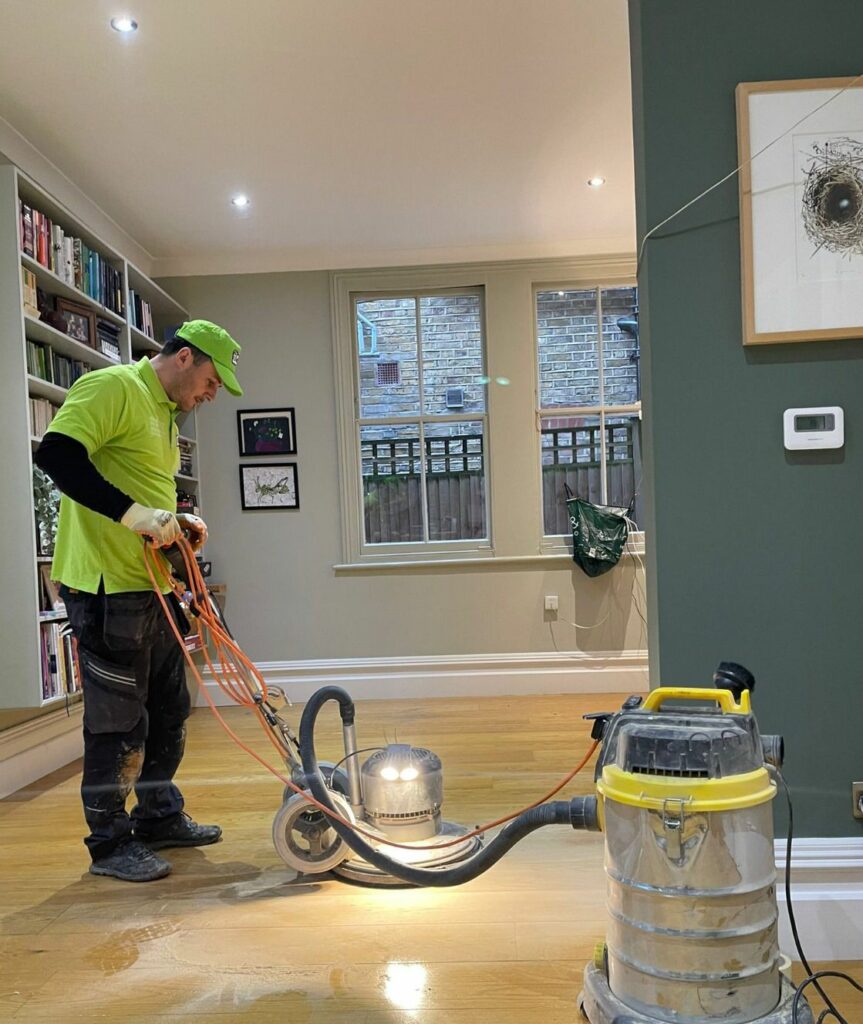
Utilizing the latest in dust-free sanding technology, we begin the process of gently removing the old finish, imperfections, and signs of wear. Our state-of-the-art equipment captures dust particles as they are created, ensuring a healthier environment for you and your family and a pristine finish for your floors.
4. Detailing and Finishing Touches
With the bulk of the sanding complete, our craftsmen pay special attention to edges, corners, and any intricate areas, ensuring a uniformly smooth surface across your entire floor. This attention to detail is what sets Mr Sander® apart, guaranteeing a flawless finish every time.
5. Sealing and Protection
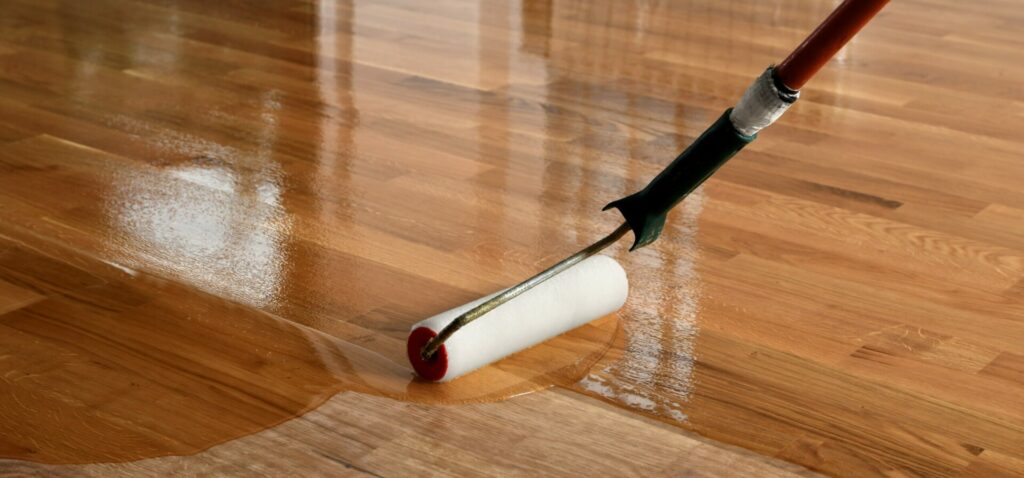
Once the sanding is complete, and your floors are perfectly smooth, we apply a high-quality sealant. This not only enhances the natural beauty of the wood but also provides a durable layer of protection against wear, tear, and spills. You’ll have the option to choose from various finishes, including matte, satin, or gloss, allowing you to customize the final look to your liking.
6. Final Inspection and Clean-Up
Our commitment to excellence extends to the final stages of the project. We conduct a comprehensive inspection to ensure every inch of your floor meets our high standards. Following this, we meticulously clean the area, removing any remaining dust and debris, leaving your home spotless and your floors shining.
7. Care Instructions and Follow-Up
To ensure your floors remain beautiful for years to come, we provide detailed care instructions tailored to your specific finish. Additionally, our team is always available for follow-up support, offering advice and services to maintain the beauty and integrity of your floors.
Choosing Mr Sander® means entrusting your floors to experts who care deeply about the quality of their work and your satisfaction. Our floor sanding process is a testament to our dedication, ensuring your floors are not just sanded but truly transformed.
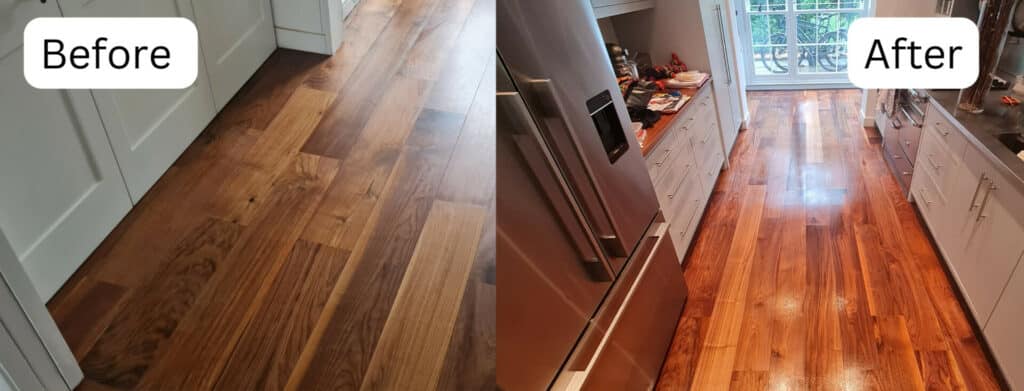
Contact Our Team Today!
Contact us at 020 7381 9408 or via email for more information and a free, no-obligation quote. Since 1994, we have been restoring wood floors of all types, including hardwood boards, parquet blocks, and cork. In our careful restoration process, we fix or replace any damaged blocks or boards, sand the floor to a smooth, bare wood finish, and use both high-tech sanders and traditional hand-renovation methods to get perfect results. Then, we add a protective finish that you choose: lacquer for durability, traditional oil for natural beauty, or hard wax for extra warmth.
Hiring a Professional Floor Sanding Company vs. a DIY Floor Sanding Project: Which One Is Right for You?
Deciding between hiring a professional floor sanding company like Mr Sander® and taking on a DIY floor sanding project involves weighing several factors, including cost, quality, time, and personal satisfaction. Both options have their merits, but understanding the nuances of each can help you make an informed decision that aligns with your needs and expectations.
Hiring a Professional Floor Sanding Company
Advantages:
- Expertise and Experience: Professional companies bring years of experience and a deep understanding of different wood types, finishes, and techniques. This expertise ensures your floors are handled with the care and precision they deserve, avoiding common mistakes that could damage your floors or affect their durability.
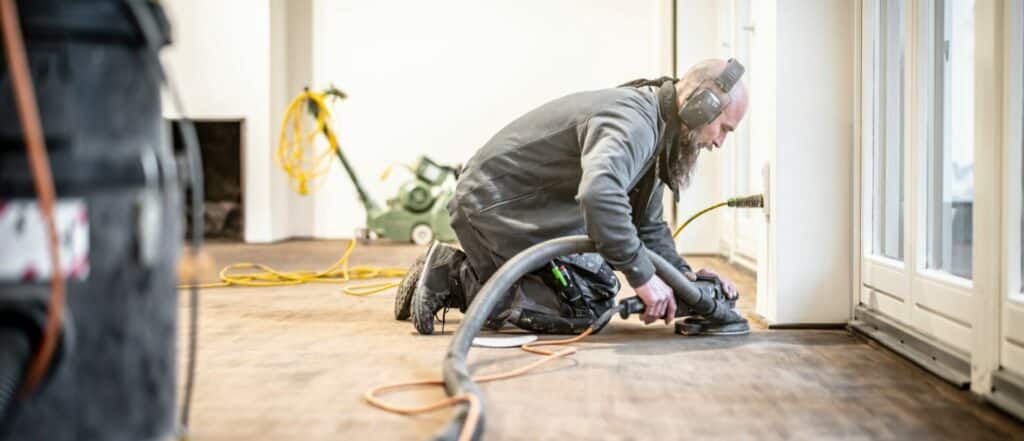
- Advanced Equipment: Professionals use high-grade, dust-free sanding equipment that minimizes mess and maximizes efficiency. This equipment is often too expensive for a one-time DIY project, yet it’s crucial for achieving a flawless finish.
- Time-Saving: Entrusting your floor sanding to experts like Mr Sander® saves you considerable time and effort. Professionals can complete the job faster and more efficiently, allowing you to enjoy your beautifully restored floors without the hassle of doing it yourself.
- Guaranteed Results: Professional floor sanding companies often provide a guarantee for their work, offering peace of mind that the job will be done right. If any issues arise, they’ll be handled promptly and professionally.
Considerations:
- Cost: Hiring a professional service is more expensive upfront than doing it yourself. However, when considering the potential for costly mistakes and the purchase or rental of equipment, the price difference may be justified.
DIY Floor Sanding Project
Advantages:
- Cost Savings: The most apparent advantage of DIY floor sanding is the potential for cost savings, especially if you already have the necessary tools or can borrow them.
- Personal Satisfaction: Completing a floor sanding project on your own can provide a sense of achievement and personal satisfaction, knowing you revitalized your floors through your hard work.
Considerations:
- Risk of Mistakes: Without the proper experience and equipment, there’s a higher risk of making mistakes that can damage your floors, such as uneven sanding or leaving marks that are difficult to remove.
- Time and Effort: Sanding floors is labor-intensive and time-consuming, especially for those unfamiliar with the process. It can also be physically demanding, requiring a significant commitment of your time and energy.
- Equipment and Dust Management: Acquiring the right sanding equipment and managing dust can be challenging. Professional-grade sanders are expensive to buy or rent, and without dust-free technology, you might end up with a considerable cleanup job.
Conclusion
If you value peace of mind, time savings, and guaranteed quality, hiring a professional floor sanding company like Mr Sander® is the way to go. Professionals ensure your floors are beautifully and safely restored, providing value that extends beyond the initial cost.
On the other hand, if you’re enthusiastic about DIY projects, have some experience, or are working with a very tight budget, taking on a floor sanding project yourself might be rewarding. Just be prepared for the challenges and potential learning curve involved.
Ultimately, the right choice depends on your priorities, budget, and how much value you place on the quality and longevity of your floor’s finish.


Sanding
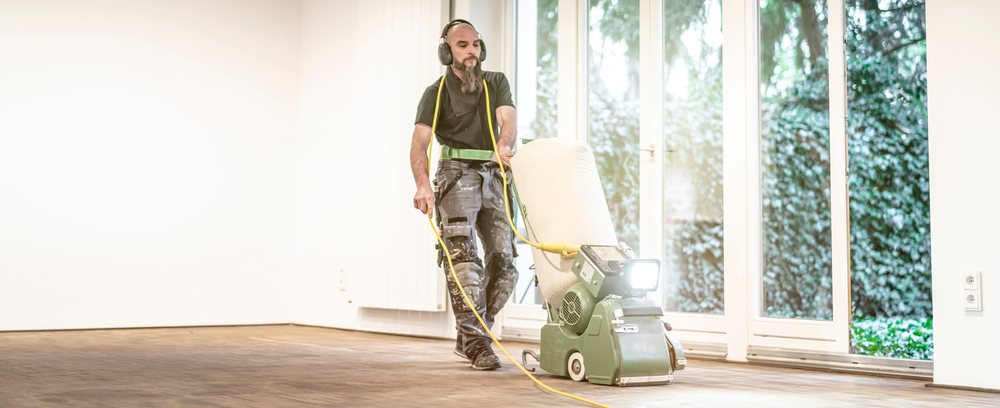
We provide virtually dust-free sanding with our continuous belt machinery with mobile extraction units, giving you a safer environment for your family.

Oiling
This organic finish not only adds beauty to your home but also has exceptional water-repellent characteristics, making it easier to clean and maintain.

Waxing
This natural floor finish offers the softest and most mellow appearance – and leaves your floor able to breath.

Buffing
Using soft buffing machines (and hand-polishing where required) will bring a wonderful sheen to your newly-finished floor.

Repairs
We offer a full assessment of your wooden floors to determine what repairs are needed to provide the perfect working surface for the later stages of sanding, staining and sealing.

Restoration
We offer a comprehensive restoration process designed to address floors that are improperly fitted or damaged over time through wear and tear.
Request a fixed price quote for your wood floor restoration now
Simply enter your postcode below to get started.





Services
Wood Floor Sanding Wood Floor Restoration Wood Floor Scratch Repair Squeaky Wood Floor Repair Parquet Floor Sanding Parquet Floor Restoration Commercial Floor Sanding Church Floor Sanding Community Centre Floor Sanding School Floor Sanding Gap Filling Gap Filling with ResinCopyright © Mr Sander®
Privacy & Cookies Terms & Conditions Complaints Procedure Cancellation Rights Sitemap

Get An Instant Price Estimate Before You Go…
Simply enter the rooms you need sanded and we’ll provide you with a price estimate instantly! Try our price calculator now.
Get a Price Estimate NowLocal Floor Sanding Experts
Over 500 5-Star Reviews
Safe, Dust Free Sanding
Operating Since 1994