London:
Nationwide:


25,000+
Floors Restored

27 Years Experience

Wood Flooring Association Certified
Unforgiving Lacquer: The Ultimate Wooden Floor Finish for Durability and Style
Posted on April 10, 2023
Blog
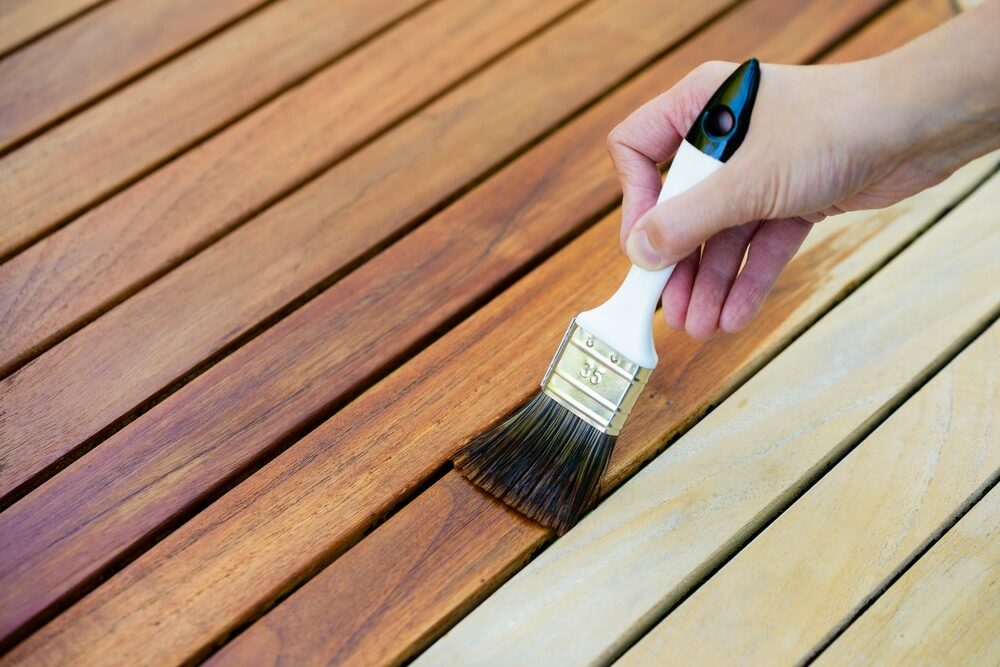
Types of Lacquer Finishes
There are three primary types of lacquer finishes available for wooden floors:a. Water-Based Lacquer
Water-based lacquers have gained popularity in recent years due to their low volatile organic compound (VOC) content and environmentally friendly nature. They provide a clear, non-yellowing finish that highlights the natural beauty of the wood. Water-based lacquers also have a faster drying time compared to oil-based counterparts, making them a convenient choice for homeowners and professionals alike.b. Oil-Based Lacquer
Oil-based lacquers are made from a combination of natural oils, resins, and solvents. They provide a rich, amber tone to the wooden floors, adding depth and warmth to the overall appearance. Oil-based lacquers are known for their superior durability and resistance to wear and tear, making them an ideal choice for high-traffic areas.c. Acid-Catalyzed Lacquer
Acid-catalysed lacquers are a type of solvent-based finish that offer excellent durability and resistance to moisture, chemicals, and abrasions. They are commonly used in commercial and industrial settings where the floors are subject to heavy use and harsh conditions. Due to their strong odour and high VOC content, acid-catalysed lacquers may not be the best choice for residential applications.Benefits of Lacquer as a Floor Finish
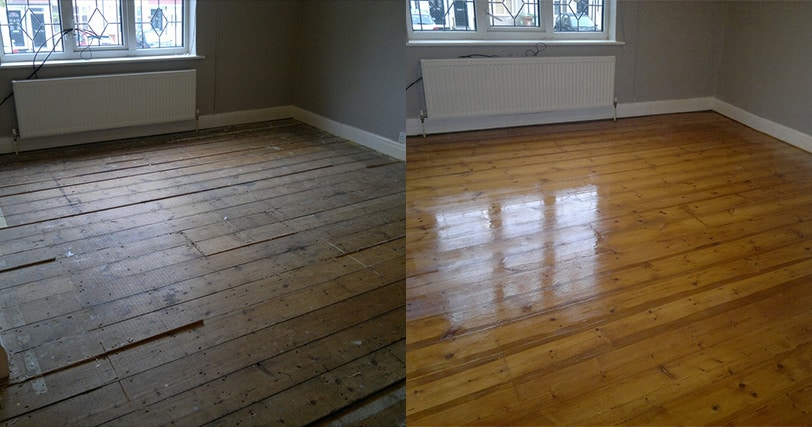
a. Durability
One of the most significant advantages of lacquer as a floor finish is its exceptional durability. It forms a hard, protective layer on the surface of the wood, which effectively shields it from scratches, dents, and other forms of damage. This makes lacquered floors a practical choice for busy households, pets, and high-traffic areas.b. Style and Aesthetics
c. Resistance to Moisture and Stains
Lacquer finishes are known for their excellent resistance to moisture, spills, and stains. This makes them a suitable choice for areas like kitchens and bathrooms, where wooden floors are more susceptible to water damage. The protective layer formed by the lacquer prevents liquid from penetrating the wood, ensuring a longer lifespan for your floors.d. Easy Application
Compared to other finishes like wax, oil, and varnish, lacquer is relatively easier to apply. Its fast drying time allows for quicker completion of the refinishing process, making it a convenient option for both DIY enthusiasts and professional floor refinishers. Additionally, lacquer can be easily applied with a brush, roller, or spray gun, offering flexibility in the application method.The Process
a. Surface Preparation
Before applying lacquer to your wooden floors, it is essential to prepare the surface. Begin by removing all furniture, rugs, and other items from the room. Then, clean the floor thoroughly to remove any dirt, dust, or debris. Next, sand the floor using a floor sander or sanding machine, starting with coarse-grit sandpaper and gradually moving to finer grits. This process removes any existing finish, smoothens the wood, and opens up its pores, ensuring better adhesion of the lacquer.b. Applying the Lacquer
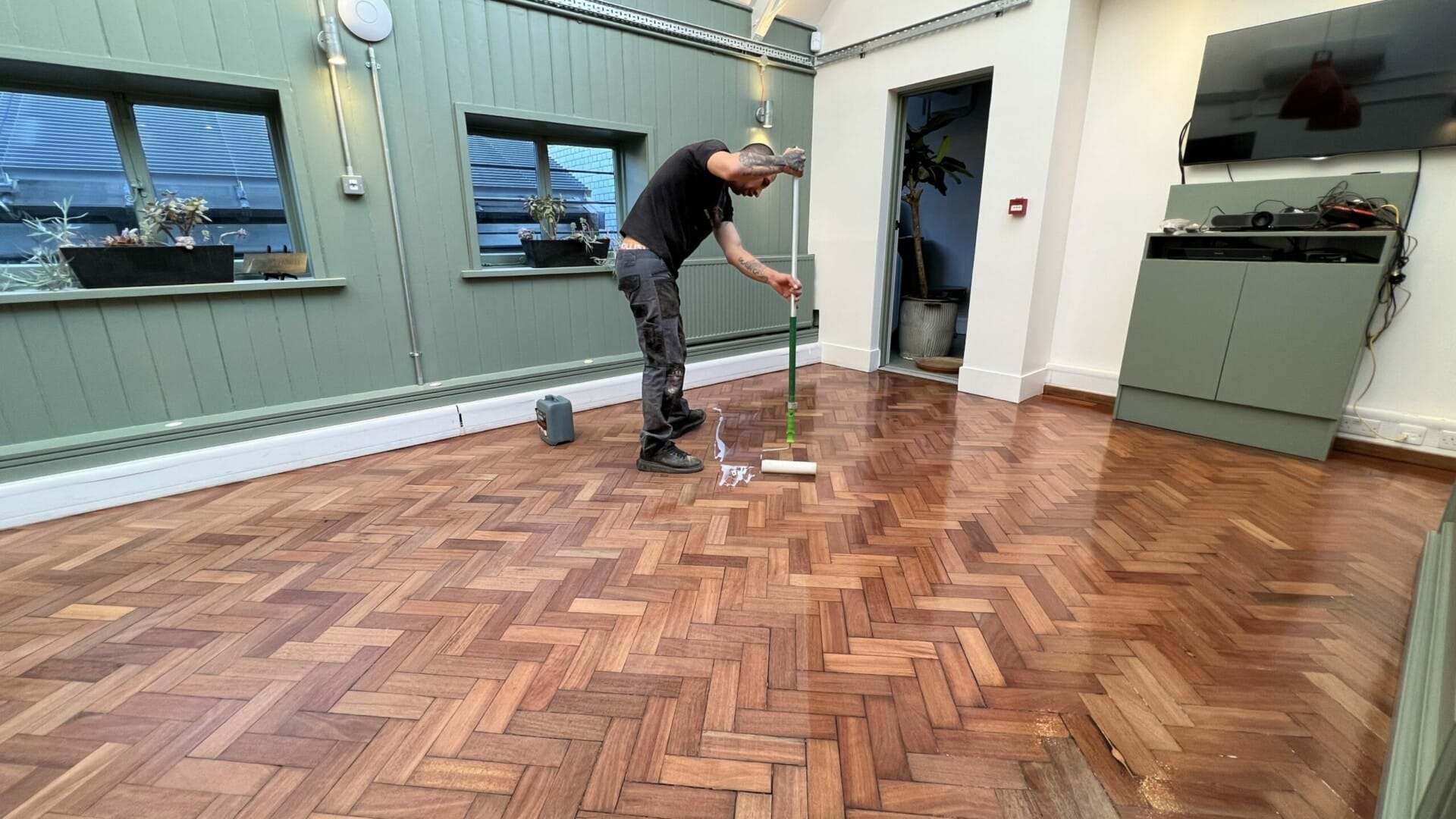
Once the floor is clean and sanded, you can proceed with the application of the lacquer. Stir the lacquer well before use, and then pour a small amount into a paint tray. Use a high-quality brush, roller, or spray gun to apply the lacquer evenly onto the floor, working in small sections and moving with the grain of the wood. It is essential to maintain a wet edge and avoid overlapping strokes to prevent visible lines and streaks in the final finish. Depending on the type of lacquer you are using, you may need to apply two or three coats, allowing each coat to dry as per the manufacturer’s instructions.c. Curing Time and Post-Application Care
After the final coat of lacquer has been applied, allow the floor to dry and cure for the recommended time, which can vary from a few hours to several days, depending on the product used. During this period, avoid walking on the floor or placing any furniture or rugs, as this may damage the finish. Once the lacquer has fully cured, you can start using the floor as normal.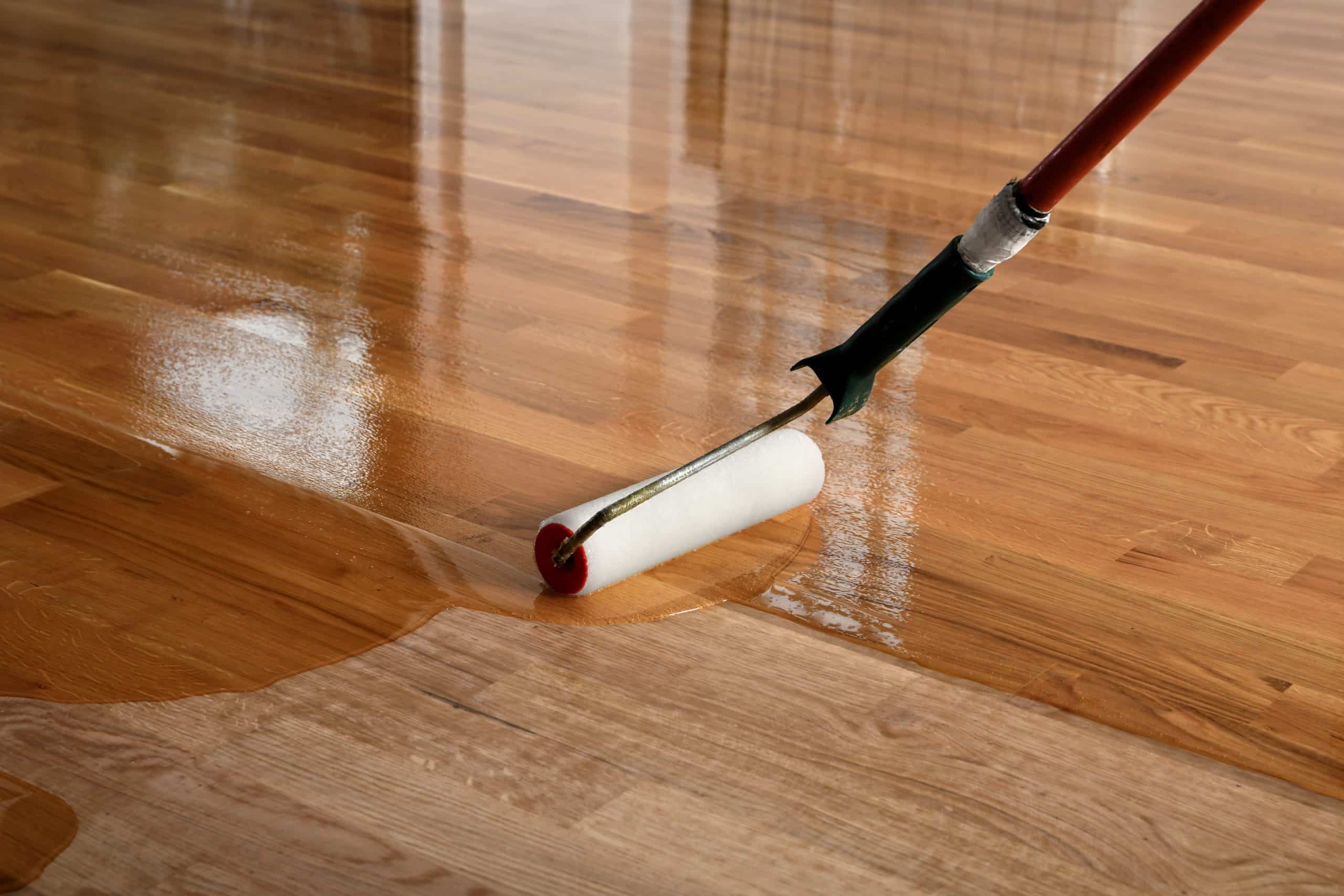
Maintenance Tips for Lacquered Floors
To keep your lacquered floors looking their best, follow these simple maintenance tips:- Sweep or vacuum the floor regularly to remove dirt, dust, and debris.
- Use a damp mop or cloth to clean the floor, avoiding excessive water that could damage the finish.
- Place mats at entrances and high-traffic areas to minimise the impact of dirt and grit on the floor.
- Use felt pads under furniture legs to prevent scratches and dents.
- Refrain from using harsh chemicals or abrasive cleaning tools that could damage the lacquer finish.
- Consider periodic buffing and recoating to maintain the shine and durability of the lacquer finish.
Some Useful Links:
Conclusion
Unforgiving lacquer has undoubtedly established itself as the ultimate wooden floor finishing for durability and style. Its exceptional resistance to wear and tear, moisture, and stains, coupled with its aesthetic versatility, makes it an ideal choice for homeowners and designers seeking to enhance the beauty and longevity of their wooden floors. By understanding the different types of lacquer finishes, the application process, and proper maintenance techniques, you can ensure a stunning and long-lasting finish that will elevate your interior space and withstand the test of time.More from our Blog:
How to Sand and Varnish a Wooden Floor Shift the dirt Watch out for spills
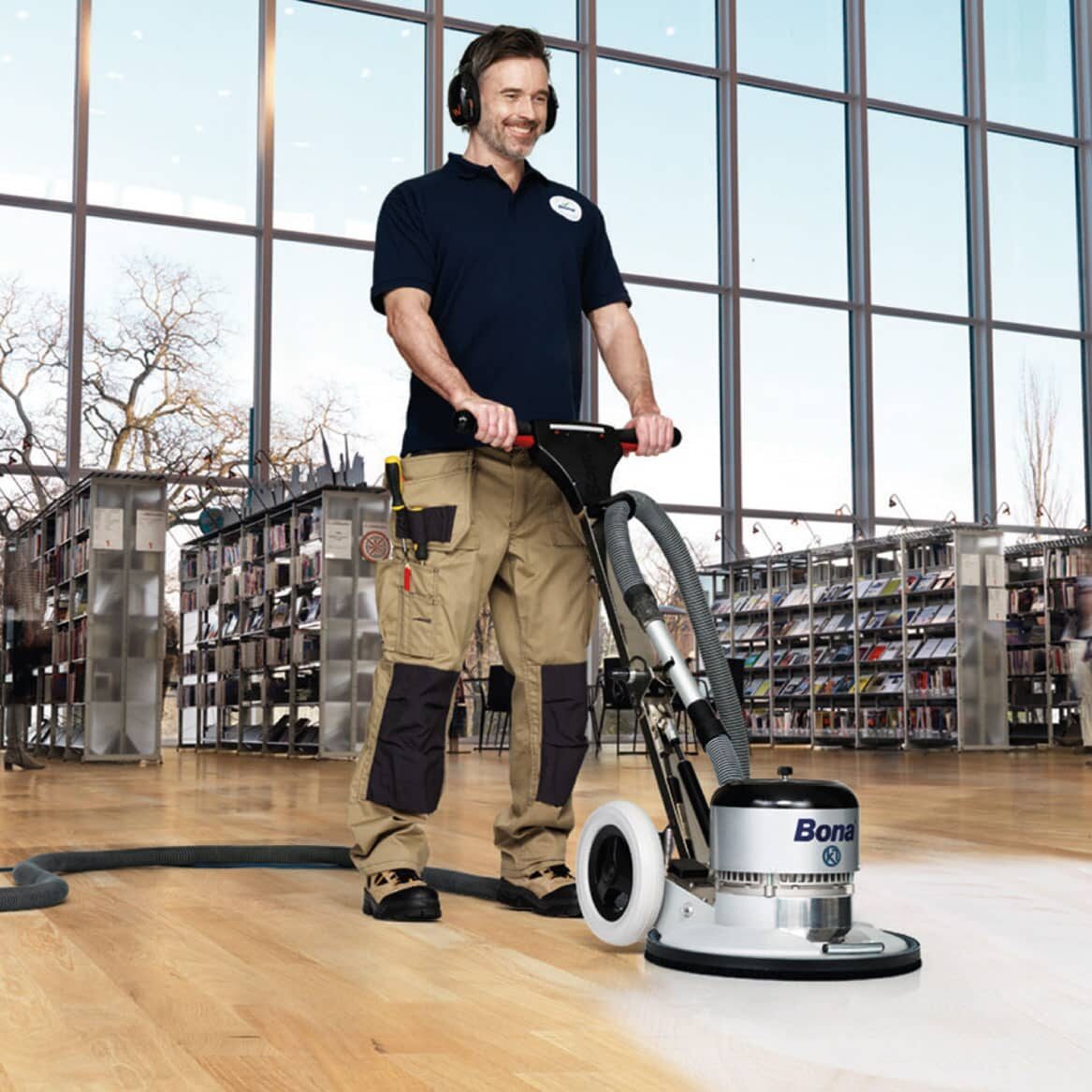

Sanding
We provide virtually dust-free sanding with our continuous belt machinery with mobile extraction units, giving you a safer environment for your family.
Oiling
This organic finish not only adds beauty to your home but also has exceptional water-repellent characteristics, making it easier to clean and maintain.

Waxing
This natural floor finish offers the softest and most mellow appearance – and leaves your floor able to breath.

Buffing
Using soft buffing machines (and hand-polishing where required) will bring a wonderful sheen to your newly-finished floor.

Repairs
We offer a full assessment of your wooden floors to determine what repairs are needed to provide the perfect working surface for the later stages of sanding, staining and sealing.

Restoration
We offer a comprehensive restoration process designed to address floors that are improperly fitted or damaged over time through wear and tear.
Request a fixed price quote for your wood floor restoration now
Simply enter your postcode below to get started.





Services
Wood Floor Sanding Wood Floor Restoration Wood Floor Scratch Repair Squeaky Wood Floor Repair Parquet Floor Sanding Parquet Floor Restoration Commercial Floor Sanding Church Floor Sanding Community Centre Floor Sanding School Floor Sanding Gap Filling Gap Filling with ResinCopyright © Mr Sander®
Privacy & Cookies Terms & Conditions Complaints Procedure Cancellation Rights Sitemap

Get An Instant Price Estimate Before You Go…
Simply enter the rooms you need sanded and we’ll provide you with a price estimate instantly! Try our price calculator now.
Get a Price Estimate NowLocal Floor Sanding Experts
Over 500 5-Star Reviews
Safe, Dust Free Sanding
Operating Since 1994