London:
Nationwide:


25,000+
Floors Restored

27 Years Experience

Wood Flooring Association Certified
The difference between Natural Hardwax and Water-based Lacquers?
Posted on April 22, 2023
Blog
Natural Hardwax vs. Water-based Lacquers: Unveiling the Core Differences for Your Flooring Choices
When it comes to choosing the perfect finish for your wooden floor or furniture, you may find yourself faced with a difficult decision: Should you use natural hardwax or water-based lacquer? Both options have their own unique benefits and drawbacks, making it essential to understand their differences before making your choice. In this comprehensive guide, we’ll delve into the world of natural hardwax and water-based lacquers, examining their composition, application, advantages, and disadvantages. By the end, you’ll have a clear understanding of which finish is best suited to your needs.
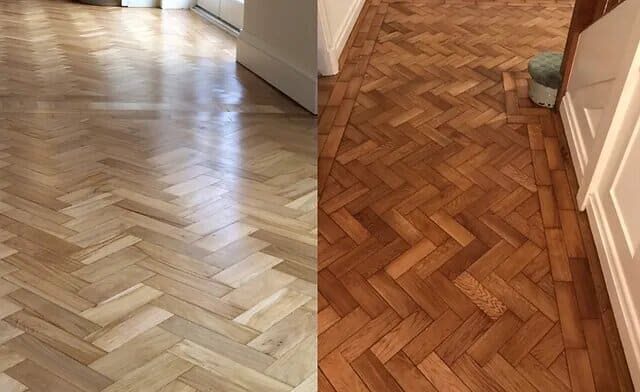
Section 1: Understanding Natural Hardwax
1.1 What is natural hard wax?
Natural hardwax, also known as hardwax oil, is a blend of natural oils and waxes that penetrate and nourish the wood while providing a durable and protective surface. The composition of hardwax oil varies between manufacturers, but common ingredients include linseed oil, tung oil, carnauba wax, and beeswax.
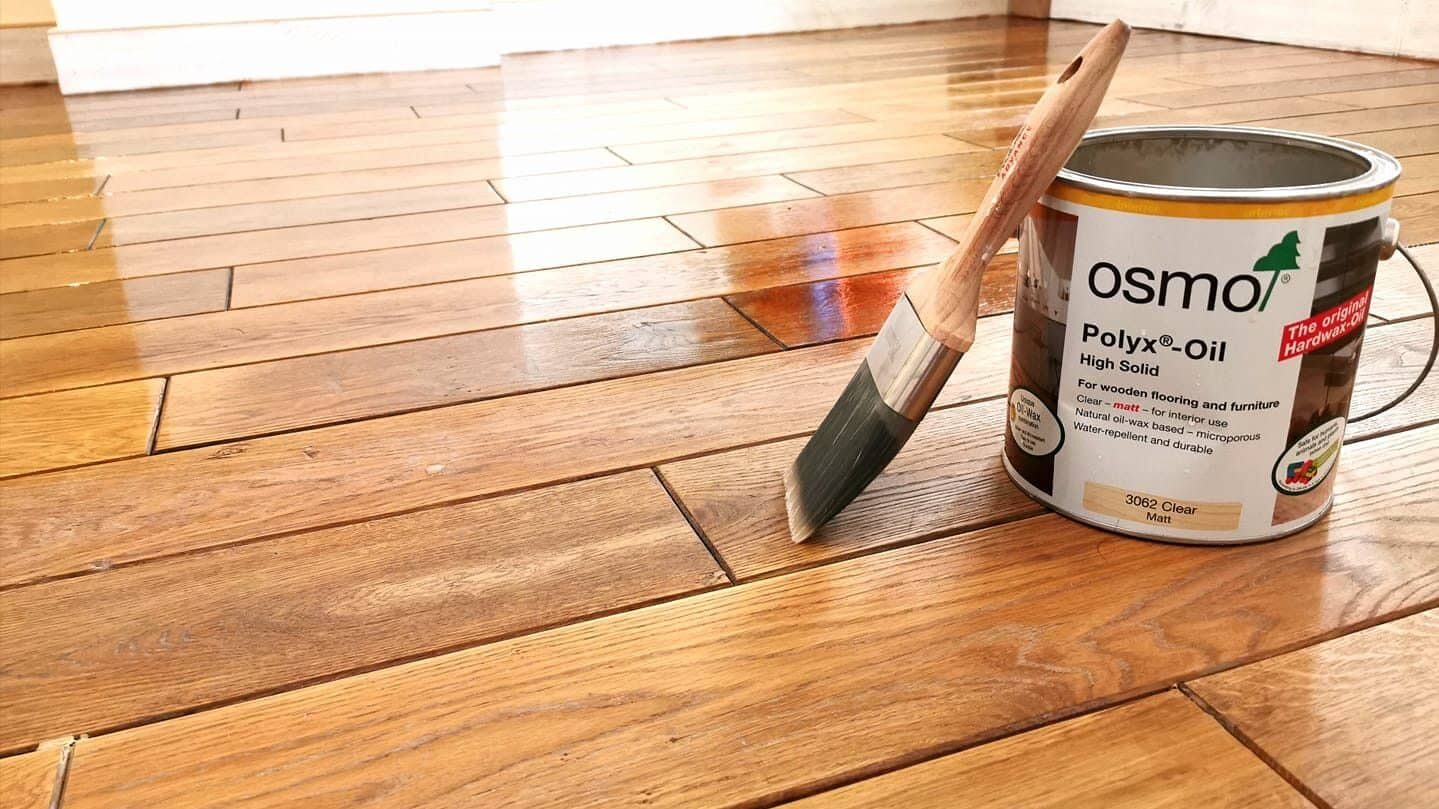
1.2 Benefits of Natural Hardwax
- Enhances the natural beauty of wood: By penetrating the wood fibres, hardwax oil accentuates the grain and colour of the wood, giving it a warm and rich appearance.
- Easy to maintain and repair: Unlike lacquers, which form a film on the surface of the wood, hardwax oil can be spot-repaired by simply sanding and reapplying the finish to the affected area.
- Environmentally friendly: Most natural hardwaxes are made from renewable resources, making them a more sustainable option than synthetic finishes.
- Breathable finish: Hardwax oil allows the wood to breathe, preventing moisture buildup and promoting a healthier indoor environment.
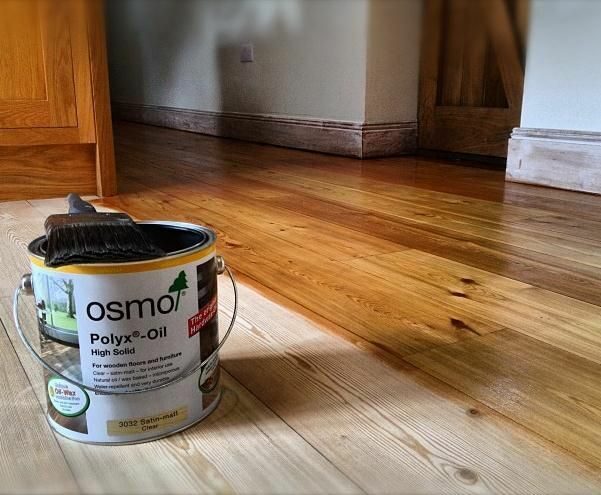
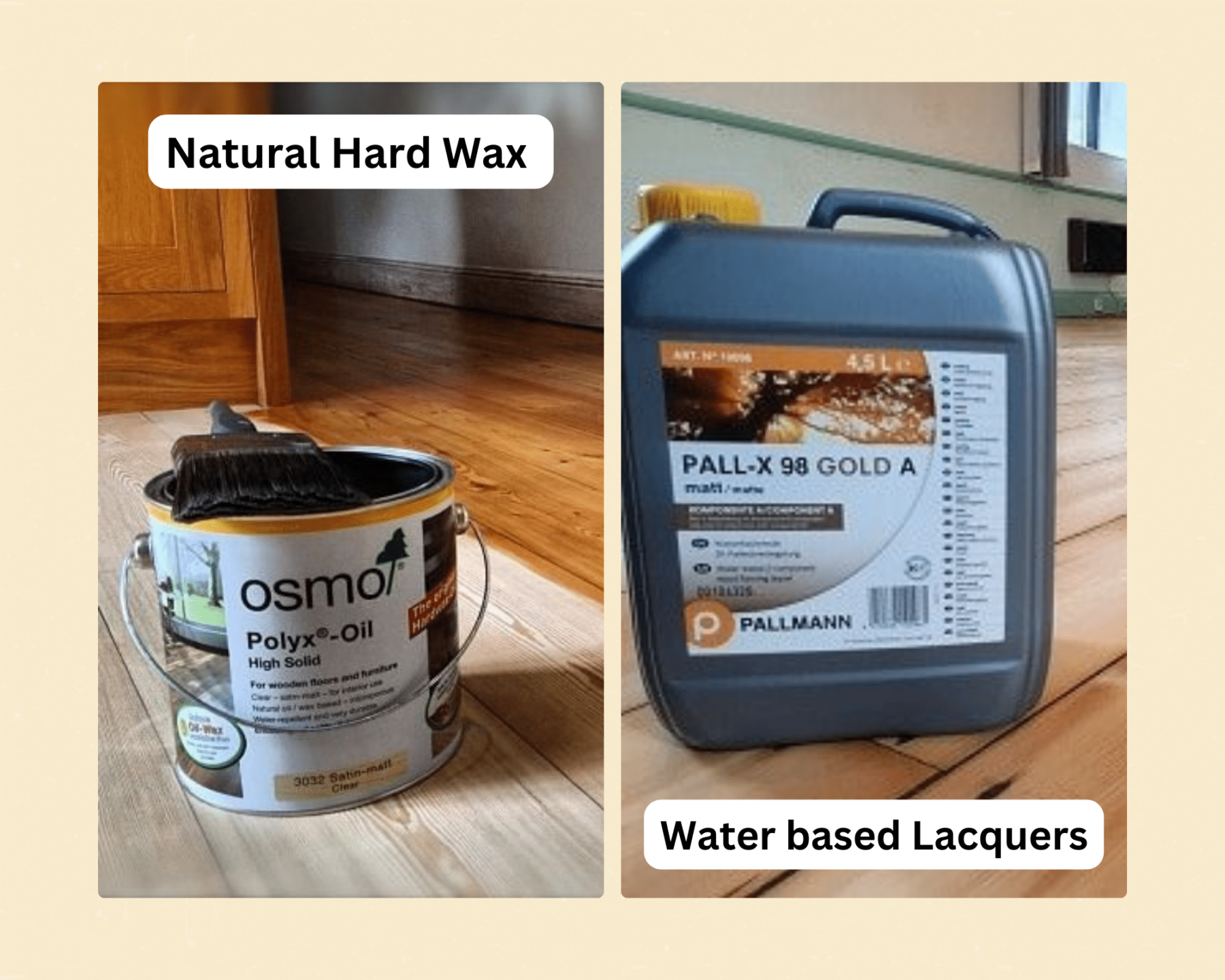
Check the Finish of Natural Hard Wax:
1.3 Disadvantages of Natural Hardwax
- Requires more frequent maintenance: hardwax oil finishes typically need to be reapplied every few years to maintain their protective properties.
- Longer drying time: Due to its oil content, hardwax takes longer to dry compared to water-based lacquers, sometimes requiring up to 24 hours between coats.
Section 2: Understanding Water-Based Lacquers
2.1 What are water-based lacquers?
Water-based lacquers are a type of wood finish that uses water as a solvent rather than the more traditional and toxic volatile organic compounds (VOCs) found in solvent-based lacquers. These lacquers form a protective film on the surface of the wood, providing a durable and scratch-resistant finish.
2.2 Benefits of Water-Based Lacquers
- Fast drying time: Water-based lacquers typically dry within an hour, allowing for multiple coats to be applied in a single day.
- Low VOC content: These finishes emit fewer harmful VOCs than their solvent-based counterparts, making them a more environmentally friendly option.
- Resistant to scratches and abrasion: The film-forming nature of water-based lacquers makes them highly resistant to wear and tear, providing a long-lasting finish.
- Clear, non-yellowing finish: Water-based lacquers do not yellow over time, making them ideal for maintaining the natural colour of light-toned woods.
2.3 Disadvantages of Water-Based Lacquers
- Less natural appearance: The film formed by water-based lacquers can make the wood look more “plastic” and less natural compared to hardwax oil finishes.
- Difficult to repair: Unlike hardwax oil, water-based lacquers cannot be spot-repaired, meaning that damaged areas often require a complete refinish of the entire surface.
Section 3: Comparing Natural Hardwax and Water-Based Lacquers
3.1 Application Techniques
Both natural hardwax and water-based lacquers can be applied using similar methods. These include:
- Brushing: For smaller areas or intricate furniture pieces, using a brush ensures precision and control during application.
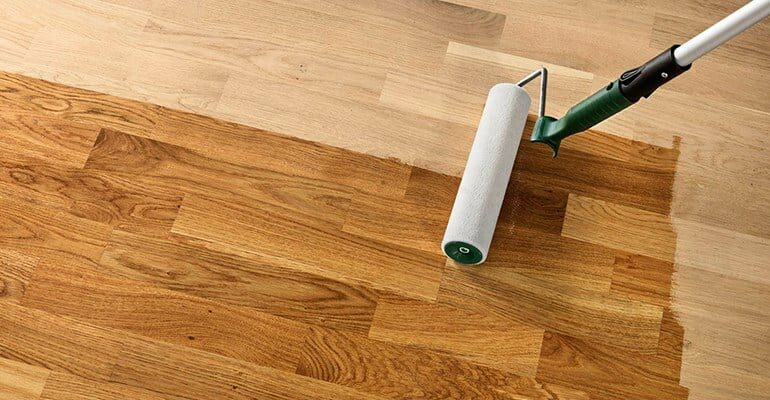
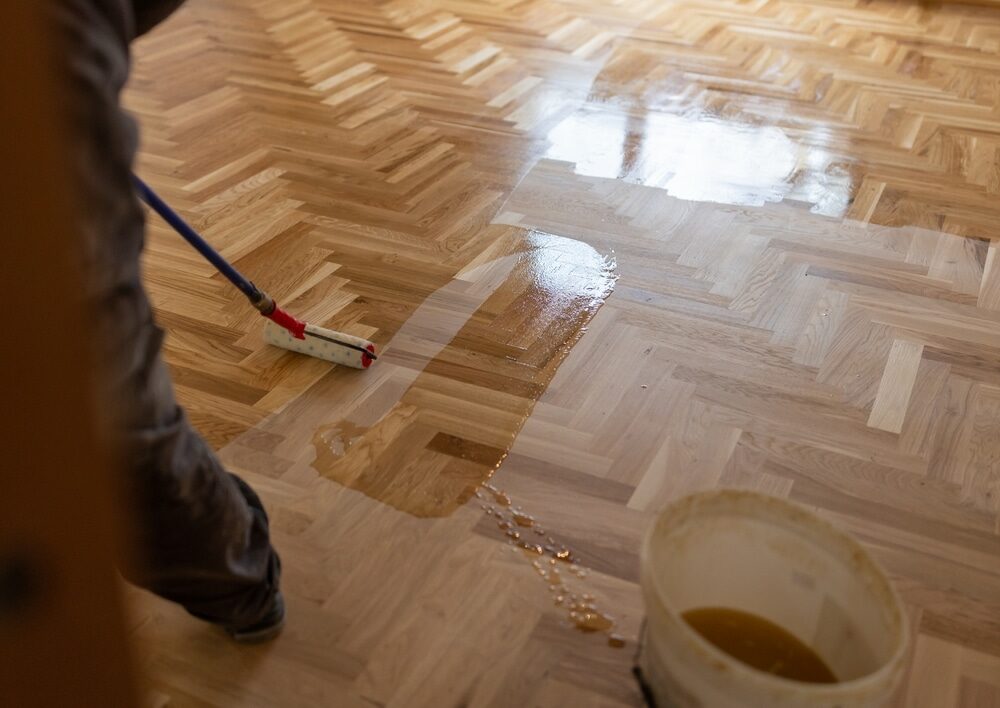
- Roller: For larger areas, a roller can be used to apply the finish evenly and quickly.
- Spray: Professional applicators often use spray equipment to achieve a flawless, even finish.
It’s important to follow the manufacturer’s instructions for the specific product you’re using, as different formulations may have unique application requirements.
3.2 Durability and Longevity
When it comes to durability, water-based lacquers have a slight edge over natural hardwax. Their protective film provides excellent resistance to scratches, abrasions, and water damage. However, this durability comes at the cost of a less natural appearance and the need for a complete refinish if damaged.
Natural hardwax, while not as resistant to wear and tear as water-based lacquers, provides a more natural look and feel. Additionally, the ease of repairing and maintaining hardwax oil finishes can be a significant advantage for some homeowners.
Cost
The cost of natural hardwax and water-based lacquers can vary significantly depending on the specific product and brand. In general, water-based lacquers tend to be more affordable upfront but may require more frequent touch-ups or refinishing.
On the other hand, natural hardwax products may have a higher initial cost, but their ease of maintenance and repair can make them more cost-effective in the long run. Ultimately, the best choice will depend on your budget and priorities.
Some Useful Links:
Conclusion
Both natural hardwax and water-based lacquers have their own unique set of advantages and disadvantages. Your choice should be determined by your specific needs and preferences and the type of wood you’re working with.
If you prioritise a natural appearance and easy maintenance, natural hardwax might be the better choice. However, if you’re looking for a durable, scratch-resistant finish and are willing to sacrifice some of the natural wood’s warmth and texture, water-based lacquers could be the way to go.
In any case, it’s essential to consider the long-term maintenance requirements and costs associated with each finish before making your decision. This comprehensive guide should help you make an informed choice and achieve the perfect finish for your wooden floors or furniture.
More from our Blog:
Ways to have flooring finished with Osmo Hardwax Oil Why parquet floor sanding requires the latest Lagler Trio machine? Managing Pets in Homes with Wooden Flooring: Essential Tips
Sanding
We provide virtually dust-free sanding with our continuous belt machinery with mobile extraction units, giving you a safer environment for your family.
Oiling
This organic finish not only adds beauty to your home but also has exceptional water-repellent characteristics, making it easier to clean and maintain.

Waxing
This natural floor finish offers the softest and most mellow appearance – and leaves your floor able to breath.

Buffing
Using soft buffing machines (and hand-polishing where required) will bring a wonderful sheen to your newly-finished floor.
Repairs
We offer a full assessment of your wooden floors to determine what repairs are needed to provide the perfect working surface for the later stages of sanding, staining and sealing.
Restoration
We offer a comprehensive restoration process designed to address floors that are improperly fitted or damaged over time through wear and tear.
Request a fixed price quote for your wood floor restoration now
Simply enter your postcode below to get started.





Services
Wood Floor Sanding Wood Floor Restoration Wood Floor Scratch Repair Squeaky Wood Floor Repair Parquet Floor Sanding Parquet Floor Restoration Commercial Floor Sanding Church Floor Sanding Community Centre Floor Sanding School Floor Sanding Gap Filling Gap Filling with ResinCopyright © Mr Sander®
Privacy & Cookies Terms & Conditions Complaints Procedure Cancellation Rights Sitemap

Get An Instant Price Estimate Before You Go…
Simply enter the rooms you need sanded and we’ll provide you with a price estimate instantly! Try our price calculator now.
Get a Price Estimate NowLocal Floor Sanding Experts
Over 500 5-Star Reviews
Safe, Dust Free Sanding
Operating Since 1994