

Discover Floor Sanding and Satin Finishes That Boost Property Value Fast
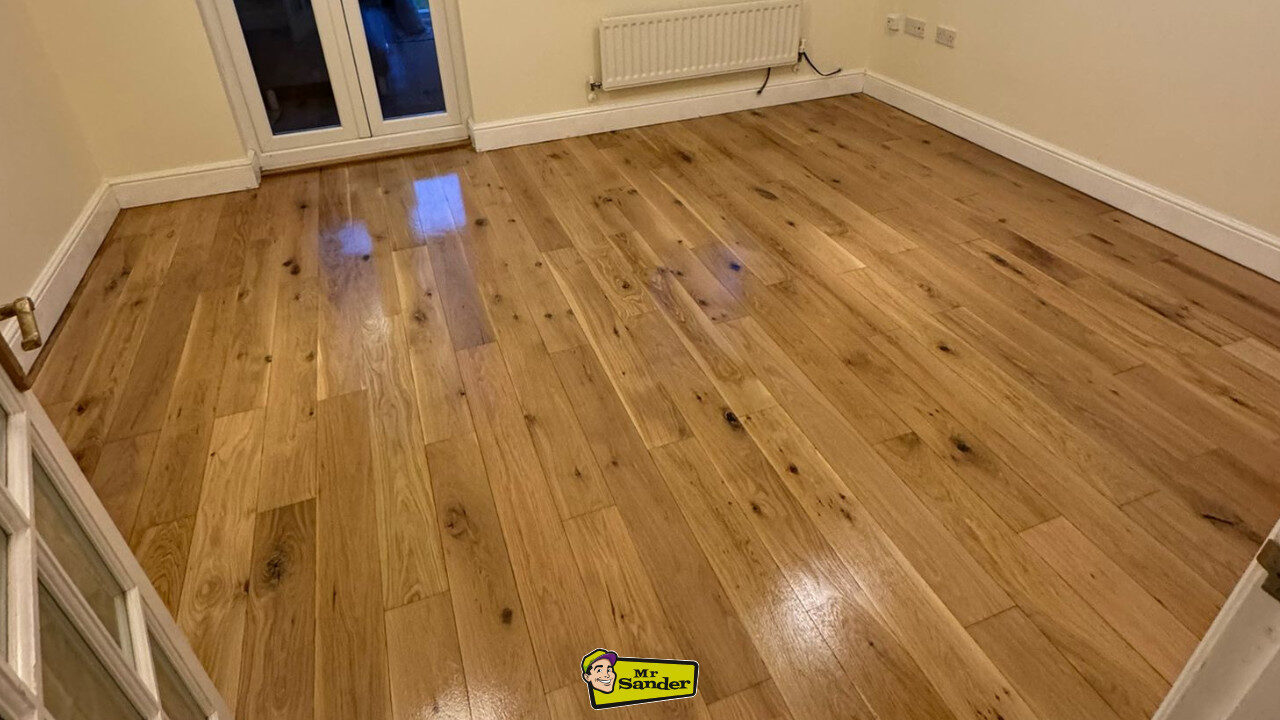
Picture a cool Saturday morning. You ease into the kitchen, the kettle begins its gentle rumble, and sunlight slips across your oak boards. Instead of glaring reflections or dull indifference, you’re greeted by a soft, luxurious glow. That is the magic of Floor Sanding and Satin Finishes—a finish that whispers quality rather than shouting for attention.
And yes, we’ll show you exactly how to get there, without dust storms, without chemical chaos, and without the dreaded “plastic” look. In the next few minutes you’ll discover:
- The secret science behind satin—and why your estate agent quietly loves it.
- Why professional floor sanding is non-negotiable if you value both lungs and luxury.
- The hidden power of colour with skilled wood floor staining.
- How a true dustless floor sanding system spares your curtains, lungs and sanity.
- A step-by-step route-map to keeping that balanced glow for decades.
Sprinkled throughout are clear calls to action. “If you don’t ask, you don’t get.” So when the time is right, simply click 0800 955 8585 or tap the name Mr Sander®—and let’s give your floor the finish it deserves.
Understand the Finish Spectrum
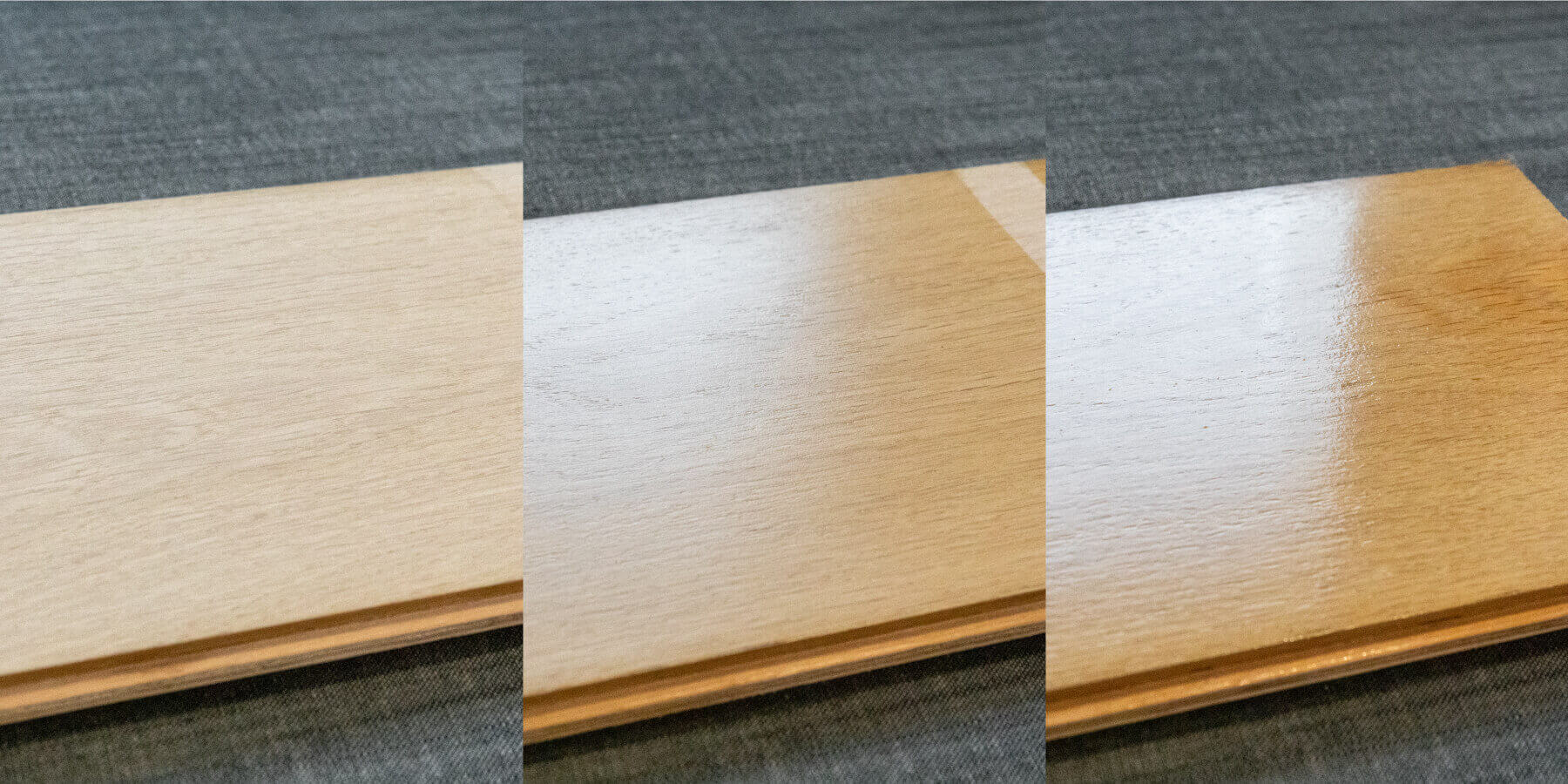
High-Gloss: When Too Much Is Just… Too Much
Gloss finishes bounce back almost every photon that lands on them. Estate-agent photos love it; daily life does not. Every sock-mark, paw-print and speck of dust screams for attention. Worse, micro-scratches catch the light and grow uglier each month.
Ultra-Matte: The Fashionable Wallflower
Low-sheen oils exploded in popularity with Scandinavian minimalism. Under certain lights they look superb—but spill red wine once and you’ll understand the upkeep. Without a reflective layer, stains travel straight to the grain.
Satin: The Middle Way
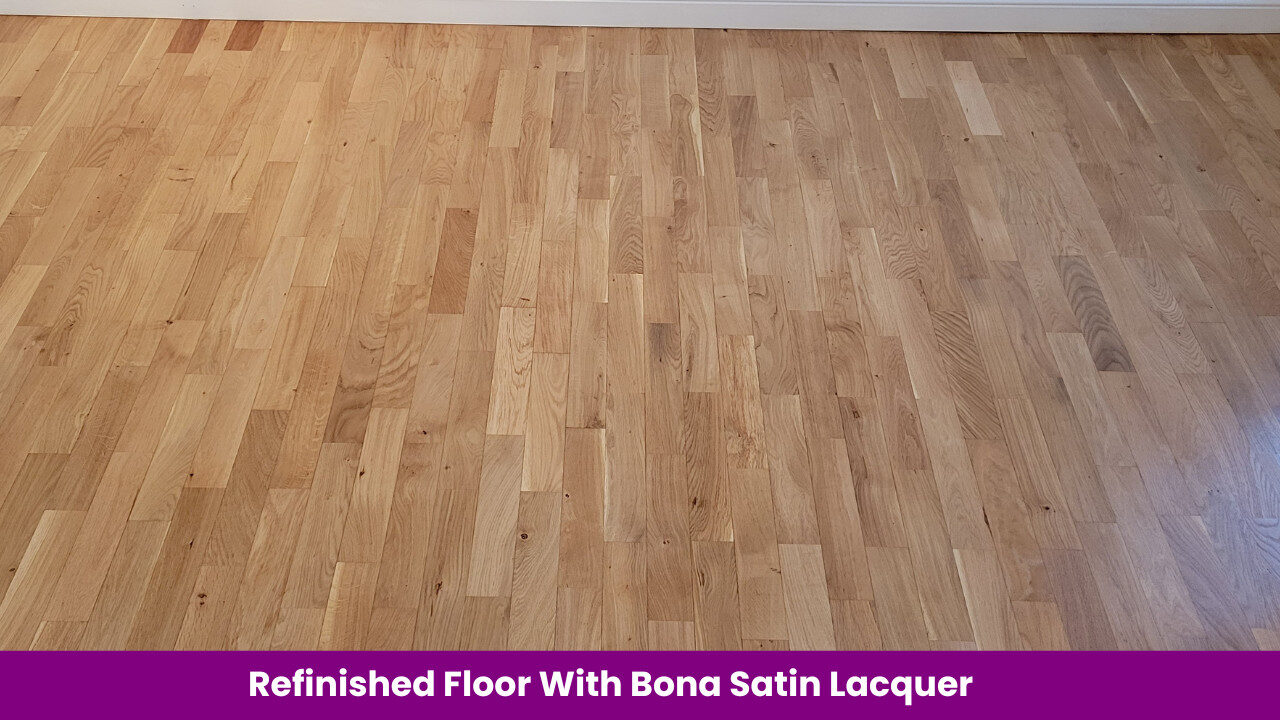
Now you see why the Goldilocks zone is satin. Around 40 % reflectivity delivers elegance without fuss. Your grain pattern pops. Minor scuffs fade back into the timber. And, critically for homeowners hoping to £boost resale£, surveyors equate satin floors with “recent professional renovation”—even years down the line.
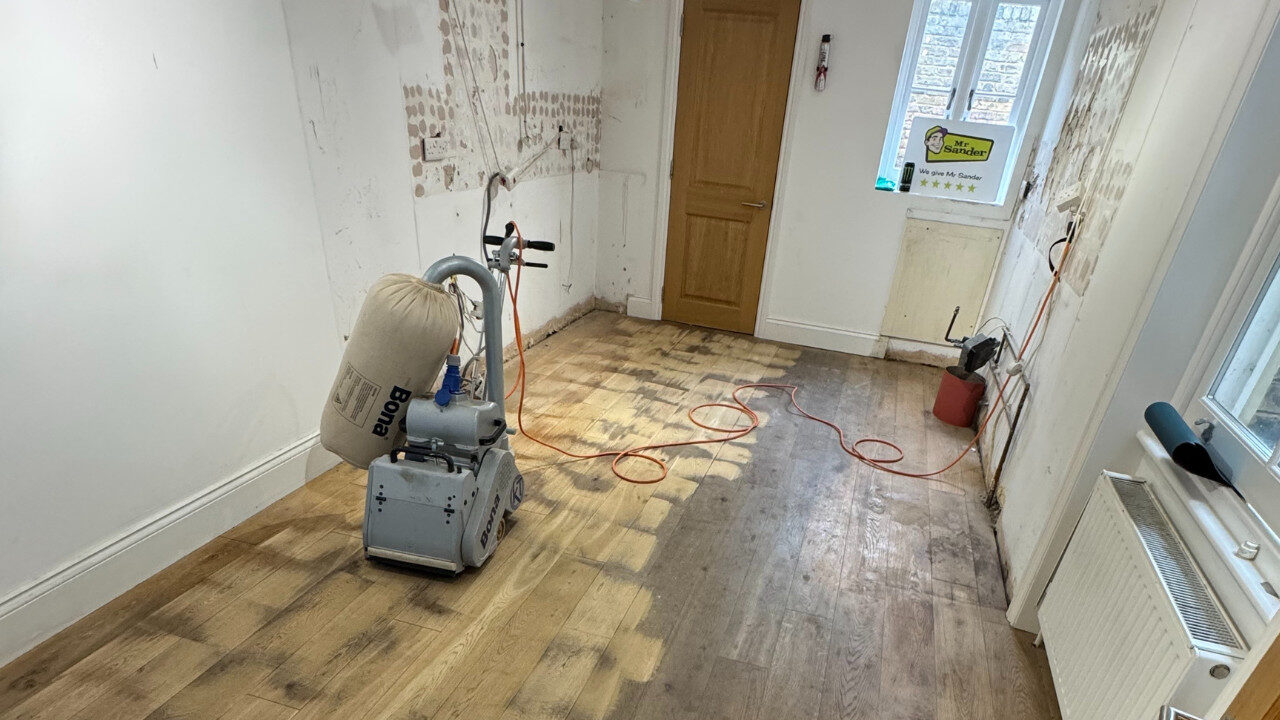
The Bedrock: Professional Floor Sanding
“Great marketing can’t polish a bad product; it starts with the core.” — Drayton Bird
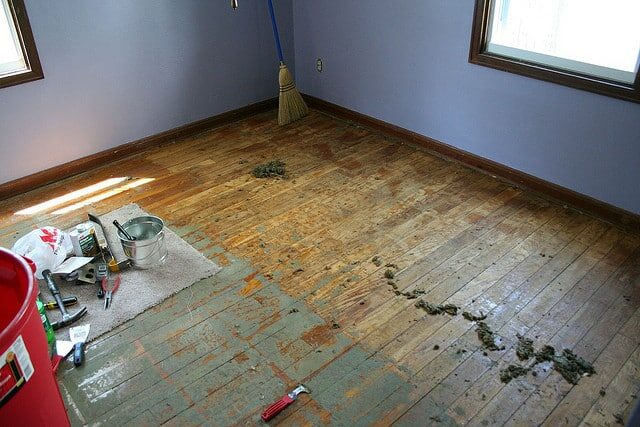
A satin coat cannot mask uneven planks or chatter-marks. Great shine begins with ruthless preparation.
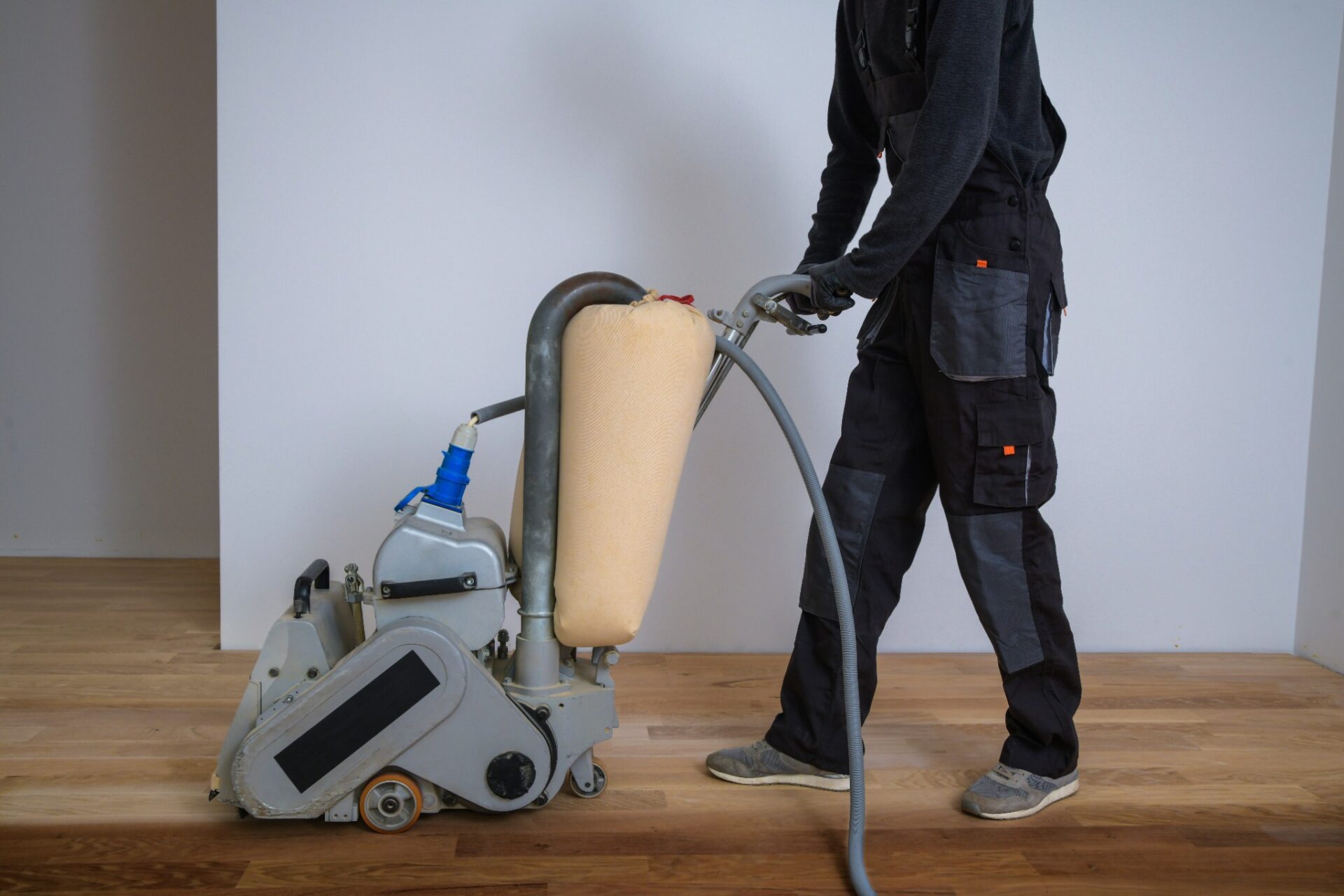
2.1 The Dustless Difference
Old-school drum sanders blast microscopic timber particles into every corner of your property. Your lungs deserve better. A modern dustless floor sanding setup connects industrial HEPA vacuums to precision belt sanders. Result? Up to 98 % dust extraction. Curtains stay cream; electronics survive; neighbours remain friendly.
2.2 Grit Sequence Is Everything
- 24- or 36-grit belts flatten cupped boards.
- 40- or 60-grit removes pit-marks.
- 80-grit smooths.
- 100-120-grit screen preps for stain or sealer.
Miss a step and you’ll highlight scratches under satin’s subtle sheen.
2.3 Edge & Corner Perfection
A great sanding firm blends belt work with edgers and multi-heads so the perimeter matches the field. Walk the room barefoot; if it feels like silk, your satin will too.
Colour Alchemy: Staining for Satin
Oak, maple, even humble pine can look Champagne-premium with the right tint. Our bespoke wood floor staining process moves far beyond off-the-shelf shades:
- Hand-mixed alcohol dyes for ultra-even absorption.
- Test panels on your actual timber—no guesswork.
- Micro-layer technique: two thinner coats beat one thick slab; less grain-masking, zero blotch.
A quick caution: DIY stains sit differently under satin than gloss. Cheap pigmentation often floats above the grain, turning muddy once a finish is applied. Invest in pro-grade dyes or call us.
Sealing the Deal: Satin Finishes Explained
4.1 Polyurethane vs Hardwax Oil Satin
| Feature | Satin Polyurethane | Satin Hardwax Oil |
|---|---|---|
| Durability | 10–15 years | 4–6 years |
| Sheen Consistency | Uniform | Slightly more organic |
| Spot Repair | Harder—full-panel resand | Easy—buff & re-oil |
| VOC Levels | Mid-low (new water-based tech) | Very low |
| Typical Homes | Busy families, rentals | Design-led, sustainable |
4.2 Number of Coats
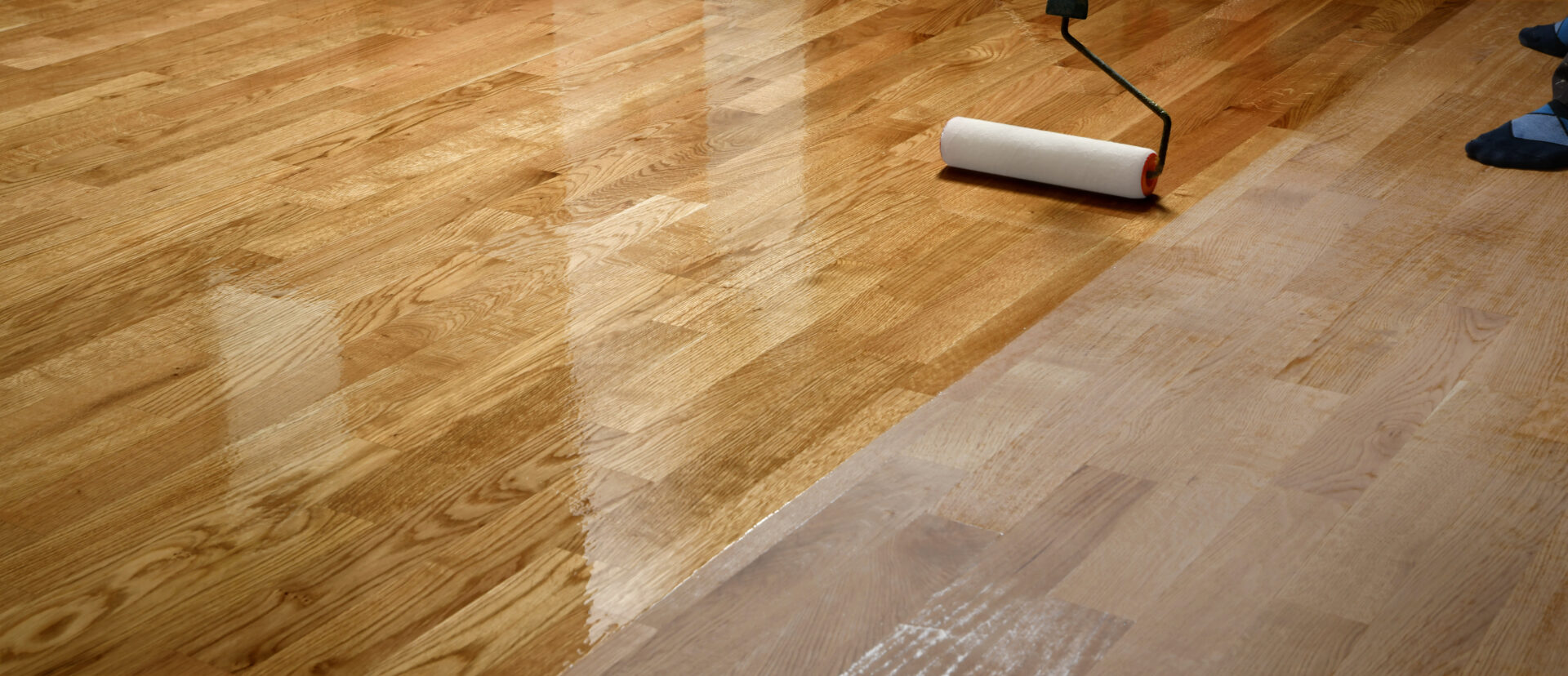
We lay three coats as standard—base, build, beauty—sanding out tiny burrs between each. Anything less and even satin begins to telegraph swirl marks.
4.3 Cure Time & Why It Matters
Water-based satins are walk-able in six hours, safe for pets overnight, but reach max hardness at five days. A little patience protects decades of shine.
Maintenance: Keeping the Balanced Glow
- Daily: Soft-bristle broom or microfibre.
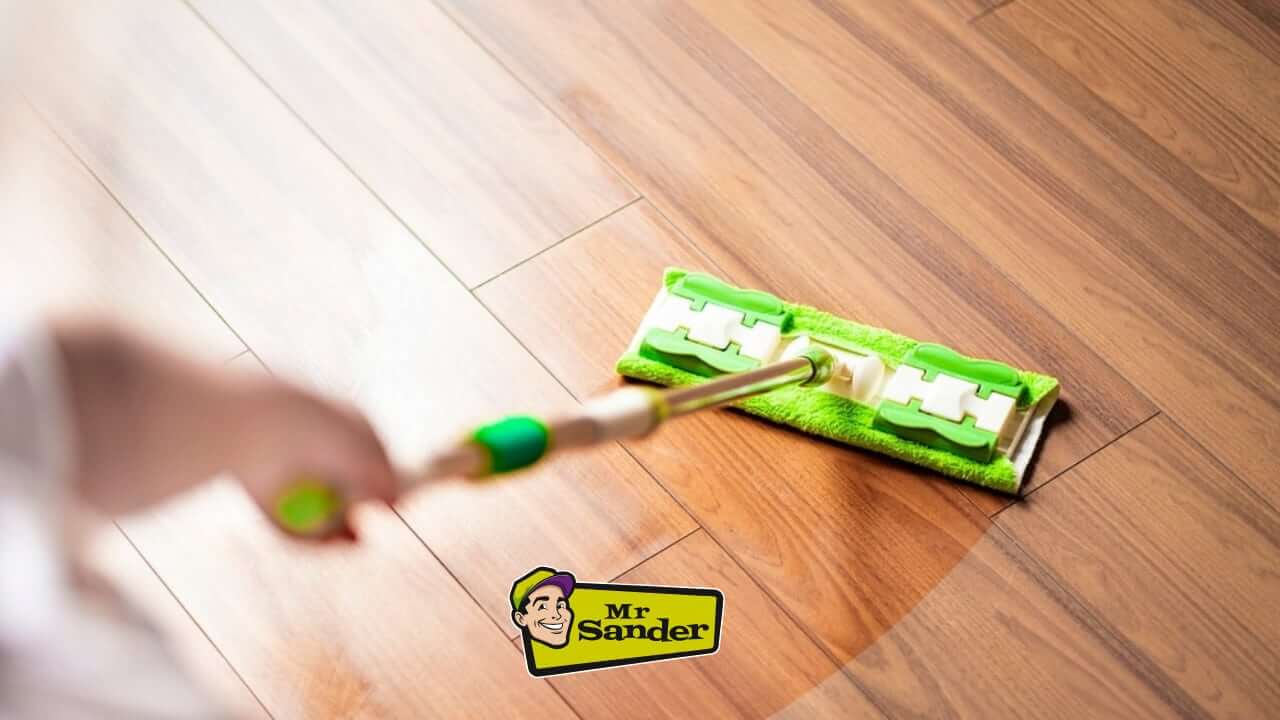
- Weekly: PH-neutral wood-floor soap, damp—not wet—mop.
- Quarterly: Refresh with satin-specific polish; skip generic supermarket silicone (it streaks).
- Biennial: Light screen & re-coat by pros; cost-effective insurance.
Quick-Fix Scratch Recipe
- Clean.
- Dab matching satin touch-up.
- Feather edges with a green Scotch-Brite pad.
Five minutes later the mark has vanished into your balanced shine.
Cost vs Value: The Accountant’s View
| Item | Cheap DIY | “Mate with a Machine” | Mr Sander® Professional |
|---|---|---|---|
| Upfront Spend | Low | Mid | Sensible |
| Dust Containment | None | Little | 98 % |
| Finish Lifespan | 2–3 yrs | 4–6 yrs | 10–15 yrs |
| Likely Re-Sand Cycles (30 yrs) | 10 | 6 | 2 |
| Total 30-Year Outlay | Highest | High | Lowest |
Cheaper now can mean dearer later. A true satin job by Mr Sander® often pays for itself by year nine, then keeps saving you money, headaches, and Sunday afternoons.
Case Study: Three-Bed Victorian, Surrey
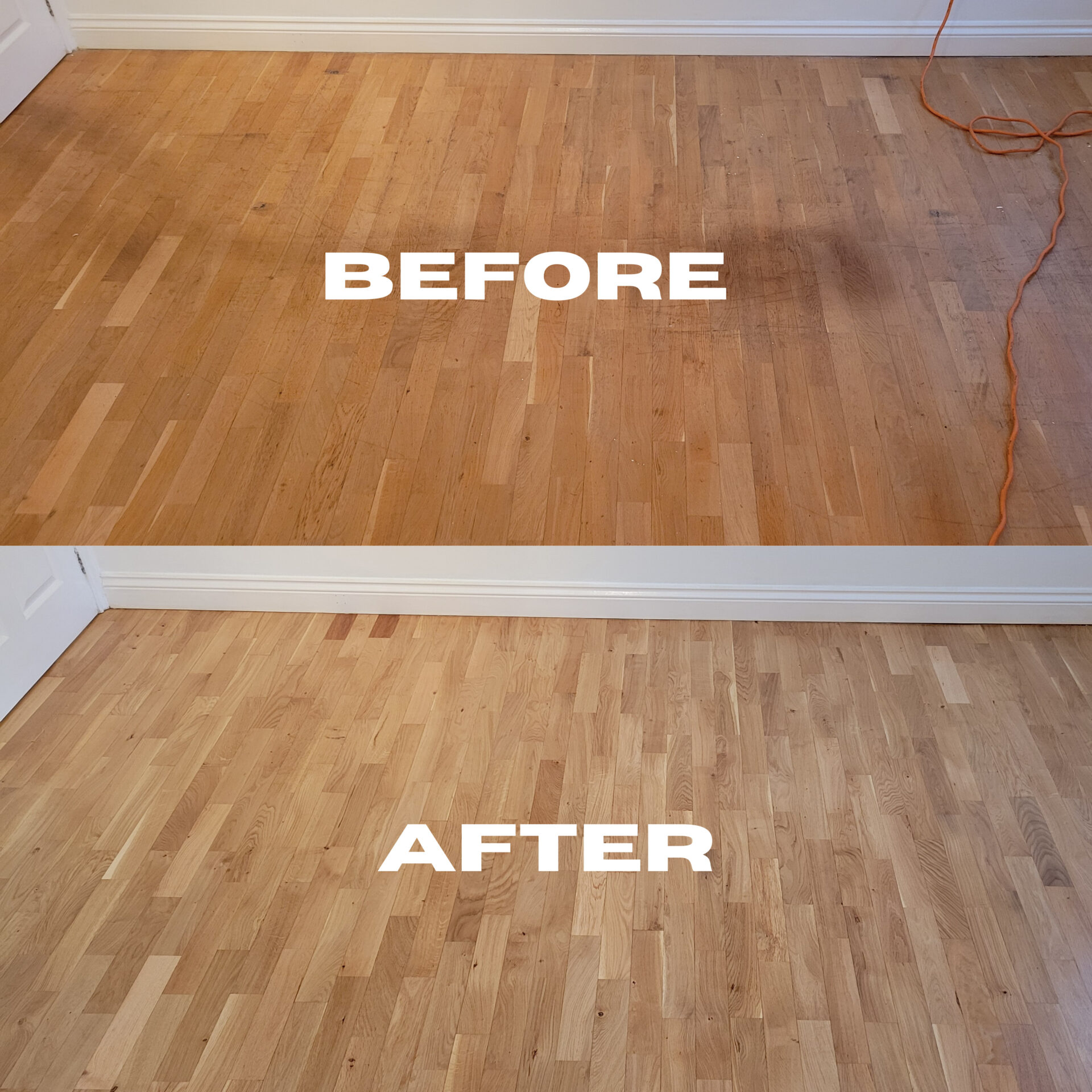
Mrs Whitaker phoned in despair. Estate agents had knocked £15 k off her valuation citing “tired floors.” We completed:
- Full dustless floor sanding (93 m²).
- A warm English-walnut wood floor staining.
- Triple-coat water-based satin polyurethane.
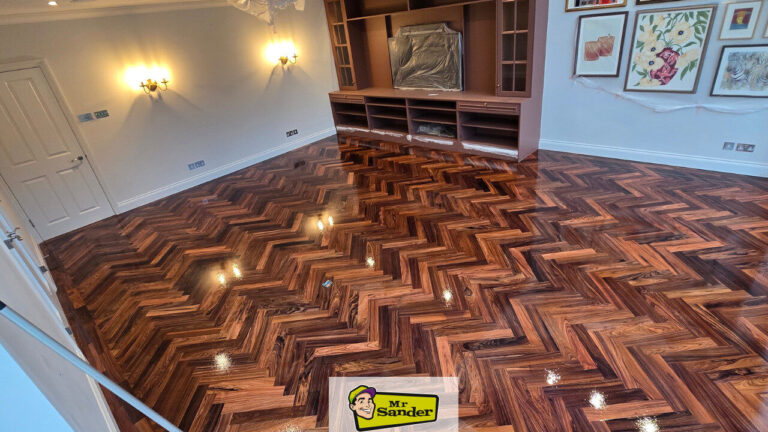
Time on site: 3.5 days. Dust complaints: Zero. New valuation: £22 k higher than pre-sanding figure. Net gain? £19 k after fees—plus one delighted homeowner.
Frequently Asked Questions
Will satin show dog scratches?
Minor scuffs melt into the mid-sheen. Deep gouges? Any finish loses. Trim claws; place felt pads.
Is satin slippery?
Less so than gloss. We can add micro-grit for kitchens or care homes.
How often must I recoat?
Light traffic: 8–10 years. Busy kitchens or rentals: 5–7 years. A quick screen-and-recoat costs under 20 % of a full resand.
Can I go from matt to satin later?
Yes—provided your current seal is compatible or lightly abraded first. We’ll test.

Ready to Own the Glow? Call Us Today
You’ve read nearly 2,500 words on the art of Floor Sanding and Satin Finishes. You know the value, the science, the cost-benefit… and one thing is crystal clear:
Your floors will not transform themselves.
So let’s act:
- Click to call: 0800 955 8585 — real humans, no sales scripts.
- Or book online with Mr Sander®—the name UK homeowners trust.
- Mention code BALANCED-SHINE for a free doorway mat (protects that satin from day one).
Because every great room begins underfoot. Let’s give yours the balanced shine it deserves—quietly luxurious, gloriously British, and built to last.