

Floor Fitting and Installation: Your Ultimate Guide to a Perfect Home Upgrade
It’s often said that floors are the stage on which the drama of our daily lives plays out. Whether it’s the sound of your toddler’s first steps or the patter of puppy paws, the floor is quite literally the foundation of your home. Naturally, we all want our floors to be robust, easy to maintain, and downright attractive. But how do you pick the right type of flooring? And once chosen, how do you ensure it’s fitted correctly?
Welcome to this comprehensive guide on Floor Fitting and Installation, written in a style that might remind you of Drayton Bird—straight-talking, practical, and slightly witty. By the time you’ve waded through these 2,500 words, you’ll be well-versed in the basics of flooring options, the steps involved in fitting them, and how to avoid costly mistakes.
Quick note before we dive in: if you’d prefer professional help (and there’s no shame in that), you can always call the experts at Mr Sander® on 0800 955 8585. From Solid Wood Floor Fitting to Engineered Floor Installation and beyond, they’ve got you covered.
Now, without further ado, let’s talk about floor fitting, shall we?

Why Floor Fitting and Installation Matters
Setting the Tone for Your Space
Ever stepped into a room and felt instantly at ease? Chances are, the floor played a part in that. The right floor can make a space feel warm, inviting, and harmonious. Conversely, a worn-out or mismatched floor can turn what might otherwise be a lovely room into something rather drab.
Boosting Home Value
Flooring is one of the first things potential buyers (and nosy neighbours) notice. Upgrading from a tired old carpet to modern hardwood or parquet can significantly increase your home’s market value. If you’re looking to sell in the near future, a high-quality floor installation might well pay for itself.
Durability and Comfort
Quality floors stand the test of time, which saves you money and hassle in the long run. The better the product and the more professional the installation, the less you’ll spend on repairs and replacements. Beyond that, the right underlayment and fitting technique can improve comfort and even help with soundproofing.

Common Types of Flooring to Consider
Let’s be honest: there’s an almost bewildering array of choices these days. So how do you pick what’s right for you? Below, we’ve broken down some of the most popular options, all of which fall under the broader umbrella of Floor Fitting and Installation.
Solid Wood Flooring
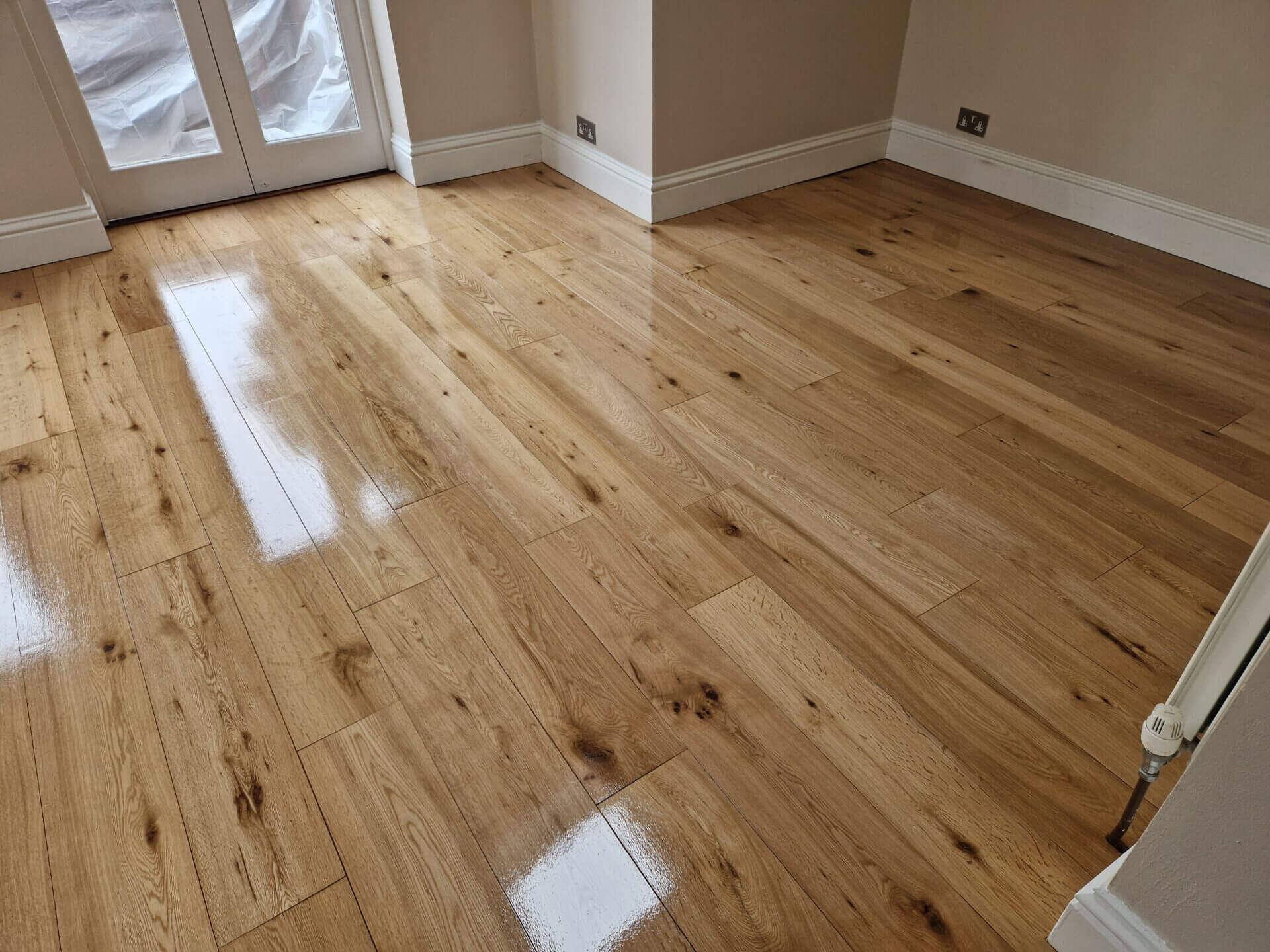
If you’re a fan of the classics, you might gravitate towards Solid Wood Floor Fitting. Each plank is milled from a single piece of timber, offering a timeless, natural aesthetic. Oak, maple, walnut—take your pick. Solid wood flooring can last for decades if properly maintained, and it’s infinitely refinishable. But be warned: it’s typically more expensive, and it doesn’t take kindly to excessive moisture.
Engineered Wood Flooring
Engineered wood looks like solid wood on top—because it is real wood. Beneath that veneer, you’ll find layers of plywood or high-density fibreboard. This layered structure makes Engineered Floor Installation more stable, particularly in environments with fluctuating temperature or humidity (e.g., kitchens or basements). It’s often more budget-friendly than solid wood and can still bring that luxurious “real wood” vibe to your home.

Laminate Flooring
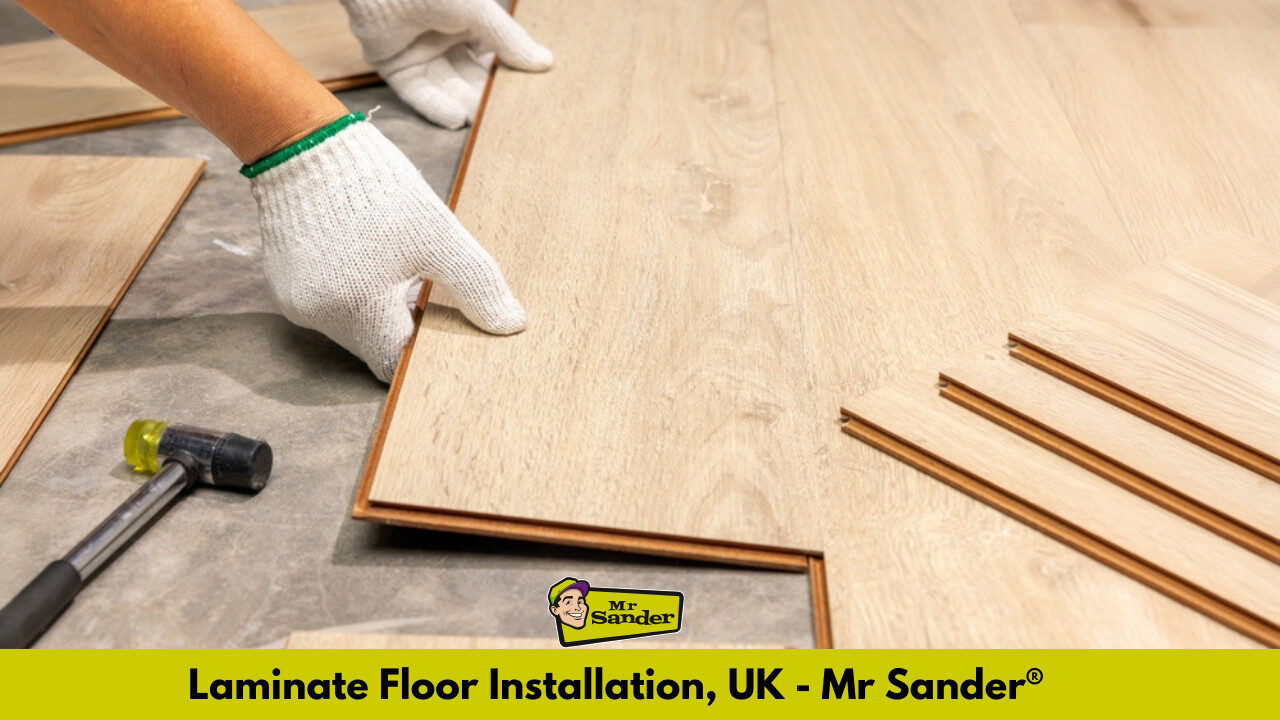
Laminate is basically the cheeky impersonator of the flooring world: it mimics real wood or stone at a fraction of the cost. With advancements in printing technology, some laminate floors look impressively similar to genuine hardwood. If you’re on a tight budget or want a floor that’s easy to clean, laminate might be the ticket. It’s also fairly straightforward for enthusiastic DIYers—though professional installation is recommended for flawless results.
Parquet Flooring
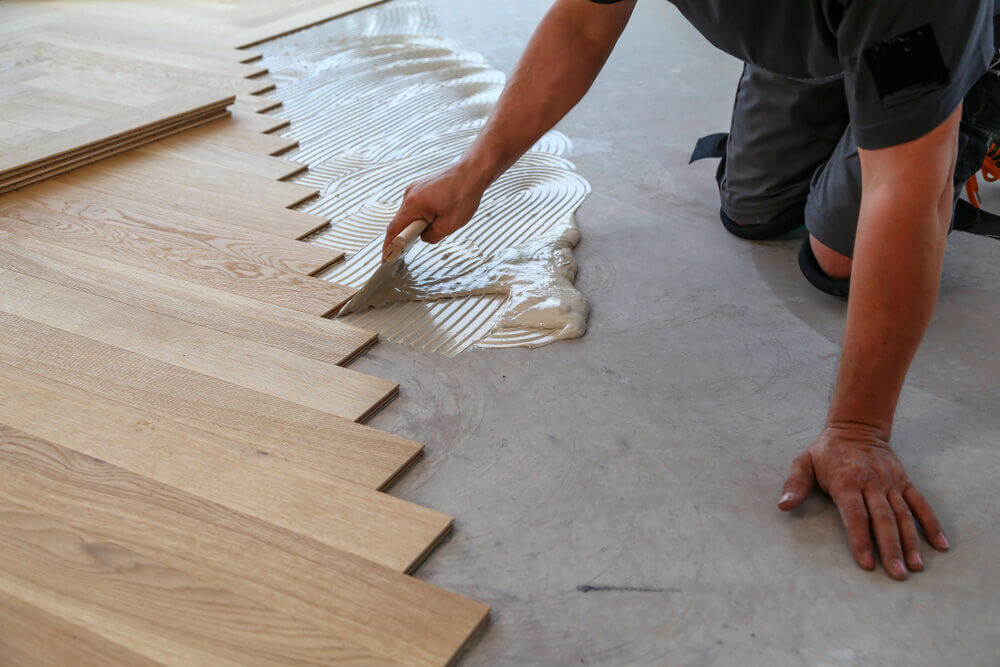
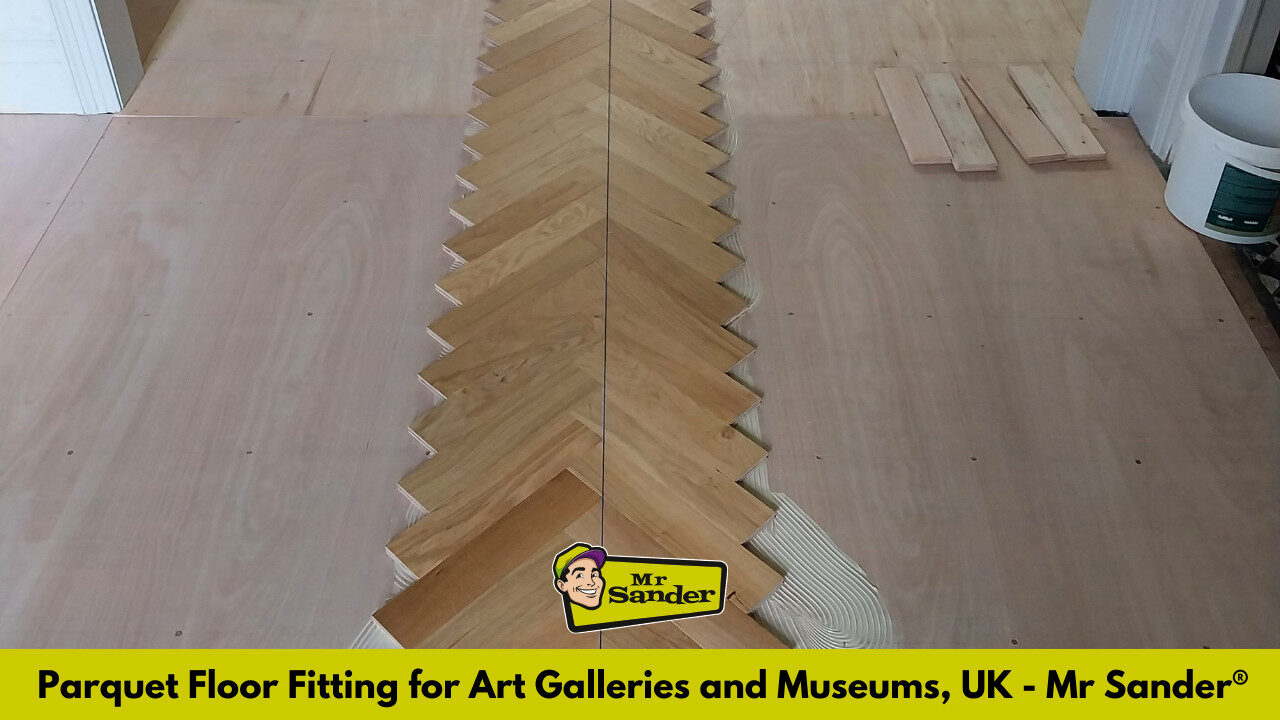
There’s something undoubtedly posh about Parquet Floor Fitting. Small blocks or strips of wood are arranged in geometric patterns like herringbone or chevron. The result is a luxurious, statement-making floor that graces the halls of grand estates and upmarket homes alike. If you fancy a style that screams “designer,” parquet is worth considering. Just remember it can be labour-intensive to fit, so you’ll want an experienced professional.
Hardwood Flooring
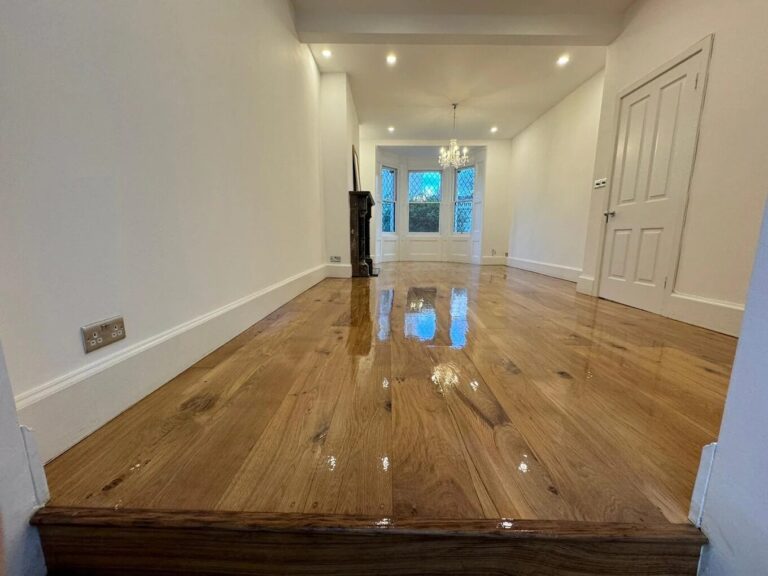
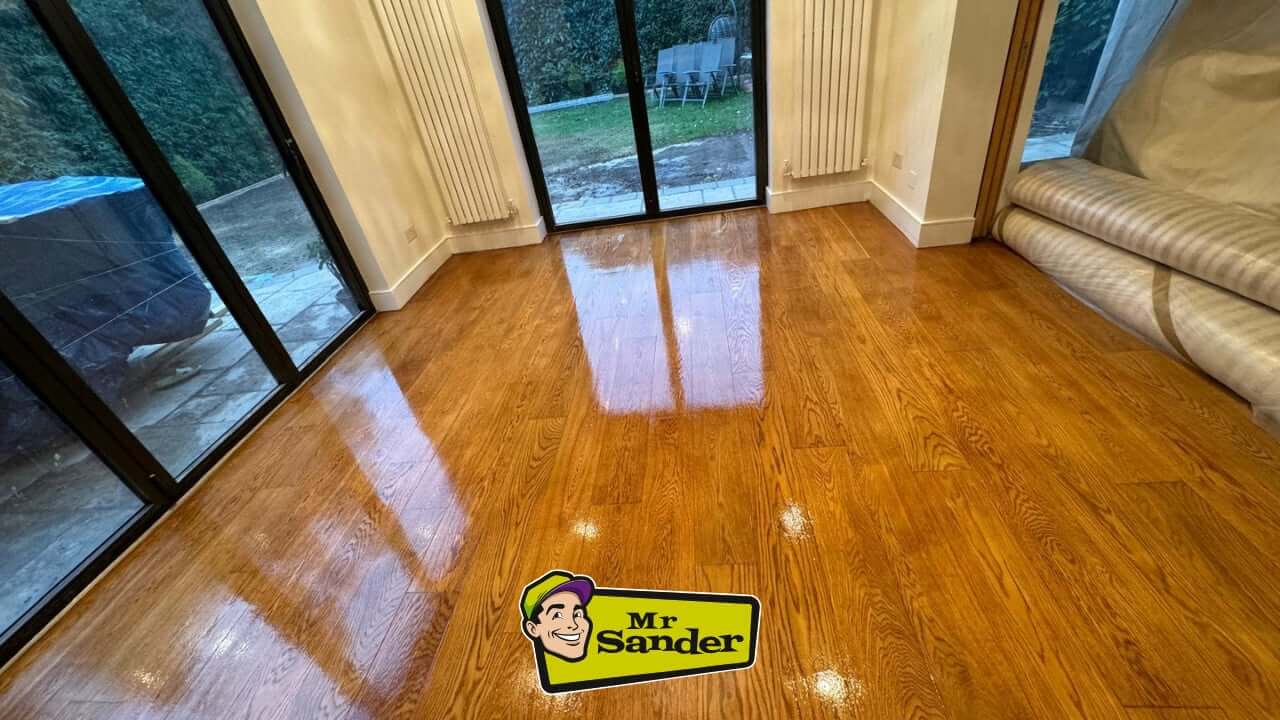
Think of Hardwood Floor Fitting as the big umbrella term for floors made from solid timbers like oak, walnut, ash, and so forth. It’s strong, beautiful, and can be refinished multiple times. Hardwood floors suit a variety of design aesthetics—from rustic farmhouse to sleek contemporary—and they can significantly boost your home’s resale value.
Brand-Specific Fittings
Two well-respected brands in the wood flooring sphere are Kahrs and Junckers. Each offers unique benefits:
- Kahrs Floor Fitting is synonymous with innovation, quality, and environmental sustainability. They specialise in engineered wood floors that strike a balance between durability and ease of installation.
- Junckers Floor Fitting is well-regarded for solid hardwood options, particularly popular for sports halls, dance floors, and other large-scale installations. If you fancy the same flooring they use in top-tier sports venues, Junckers might be up your alley.
Specialised Sanding Services
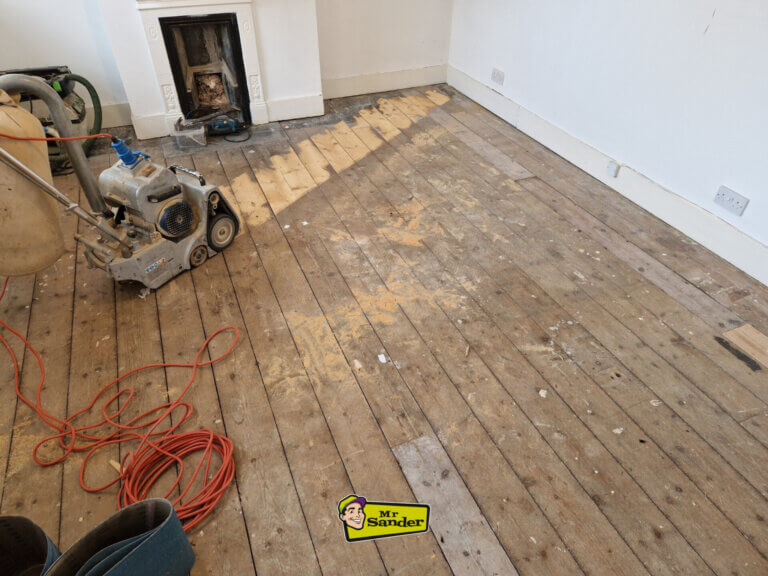
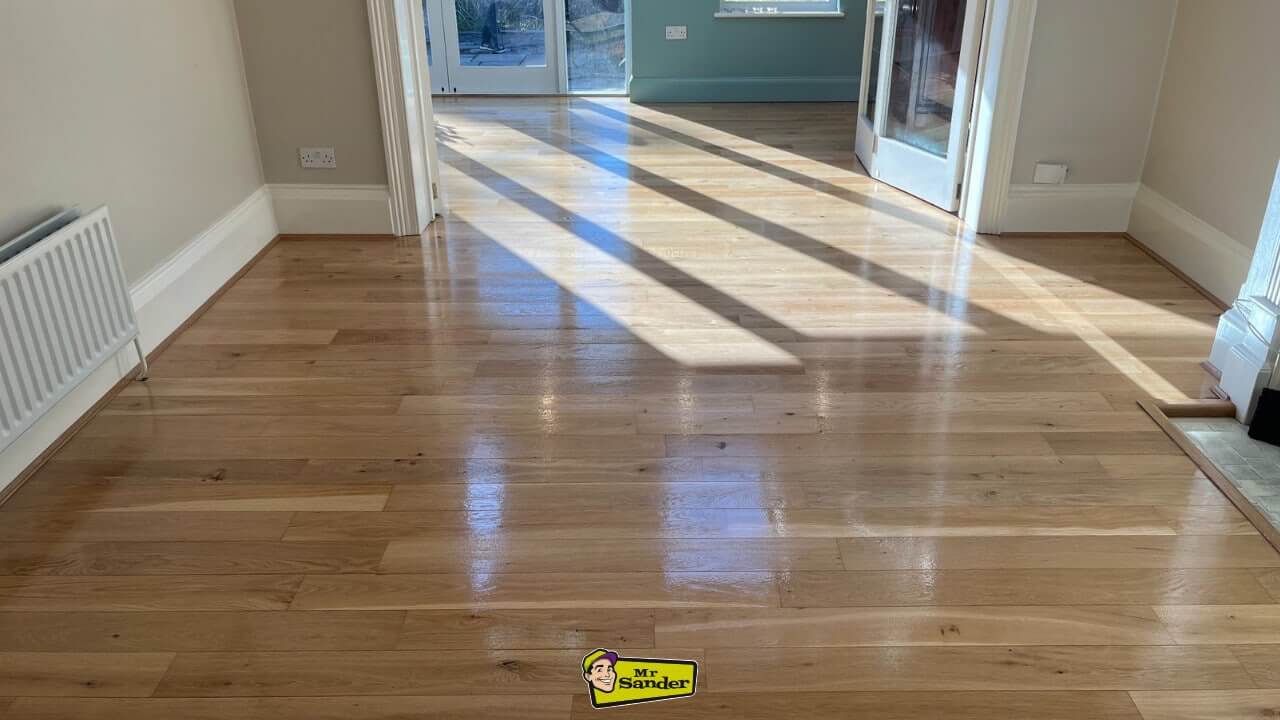
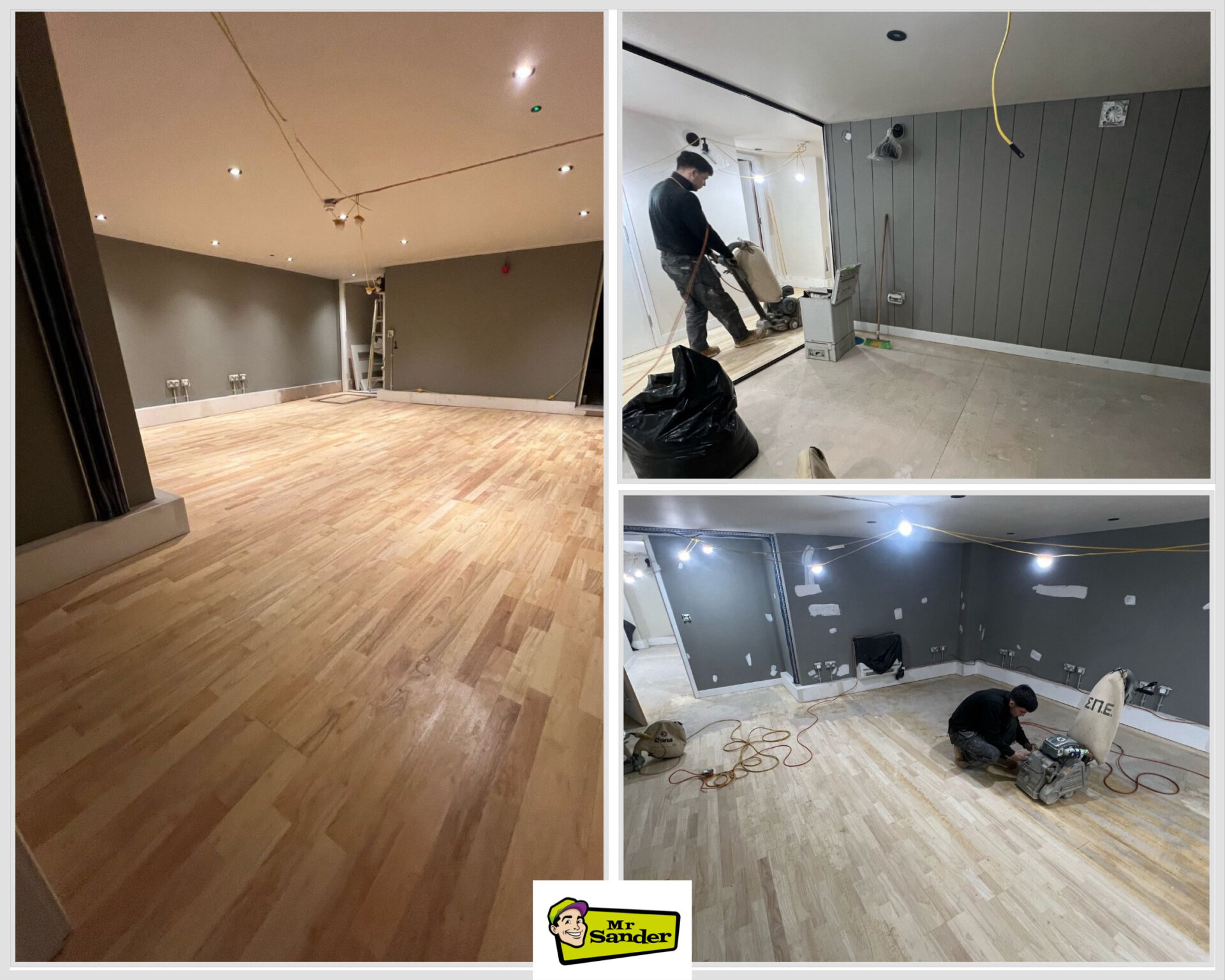
Although sanding is less about installation and more about maintenance or refurbishment, we’d be remiss not to mention Floor Sanding . High-traffic or historically significant floors often need careful attention. This service is a testament to how crucial professional care can be when preserving valuable surfaces.
Key Steps in Floor Fitting and Installation
Now we know the players—solid wood, engineered wood, laminate, parquet, etc.—but what about the process? You can’t just toss some planks onto your subfloor and hope for the best. Quality Floor Fitting and Installation involves a series of methodical steps.
1. Evaluate the Room and Subfloor
First things first: measure the space carefully to know how much material you’ll need. Check the subfloor for levelness, moisture, and structural integrity. If you’re laying wood or laminate over concrete, ensure the concrete is fully cured and use a moisture barrier. If you’re working with a timber subfloor, fix any squeaks and ensure no boards are loose.
2. Acclimatise the Flooring
Wood and engineered floors especially need time to acclimatise to the environment. That means storing them in the room where they’ll be installed—often for at least 48 hours—so they can adjust to the humidity and temperature. Skip this step, and you risk warping or gaps after installation.
3. Gather the Right Tools
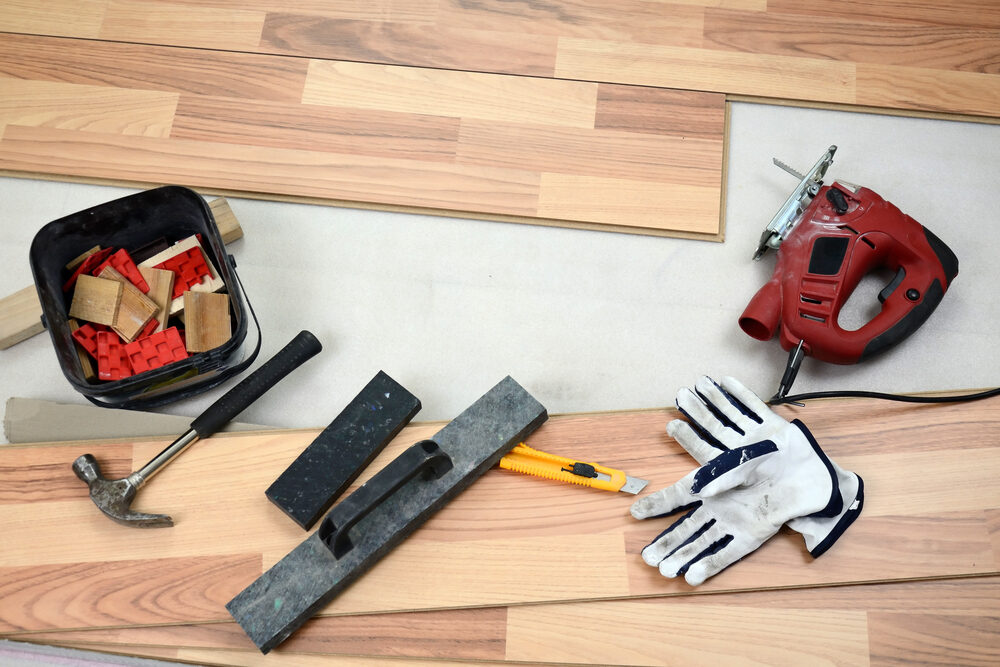
Depending on the type of floor, you might need:
- A saw (circular, jigsaw, or mitre saw)
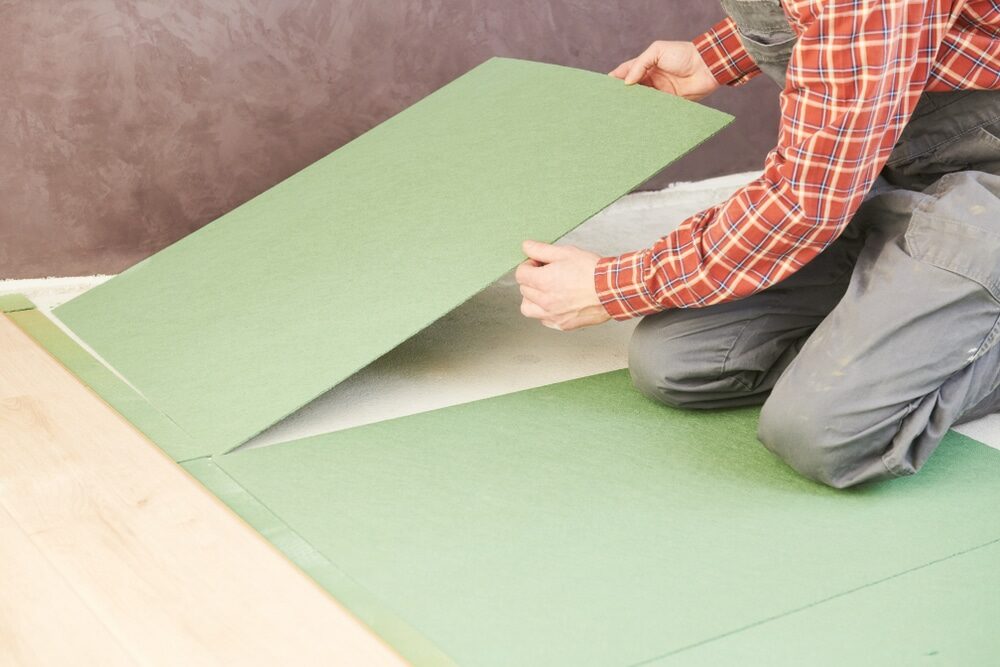
- Underlay or moisture barrier
- Tape measure, spacers, and a carpenter’s square
- Rubber mallet or tapping block
- Hammer and nails (or a pneumatic nailer)
- Glue (for specific parquet or engineered floors)
- Finishing trim or beading
A well-prepared toolkit ensures you don’t waste time running to the shops mid-install.
4. Plan the Layout
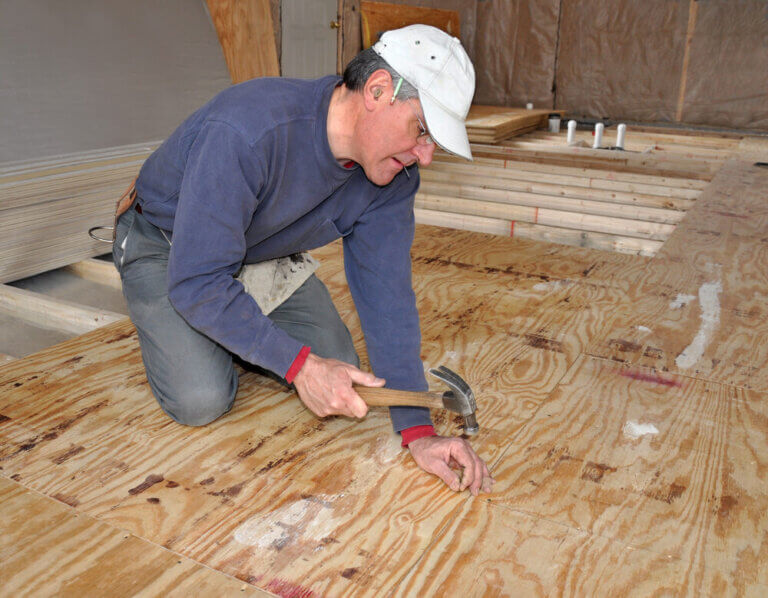
Laying wood parallel to the longest wall is traditional, but there’s no hard and fast rule. For parquet, decide on the pattern (herringbone, basket weave, etc.) well in advance. Also, plan your expansion gap—most floors need space around the perimeter to allow for natural movement. Skipping this gap can cause buckling or squeaking.
5. Installation Method
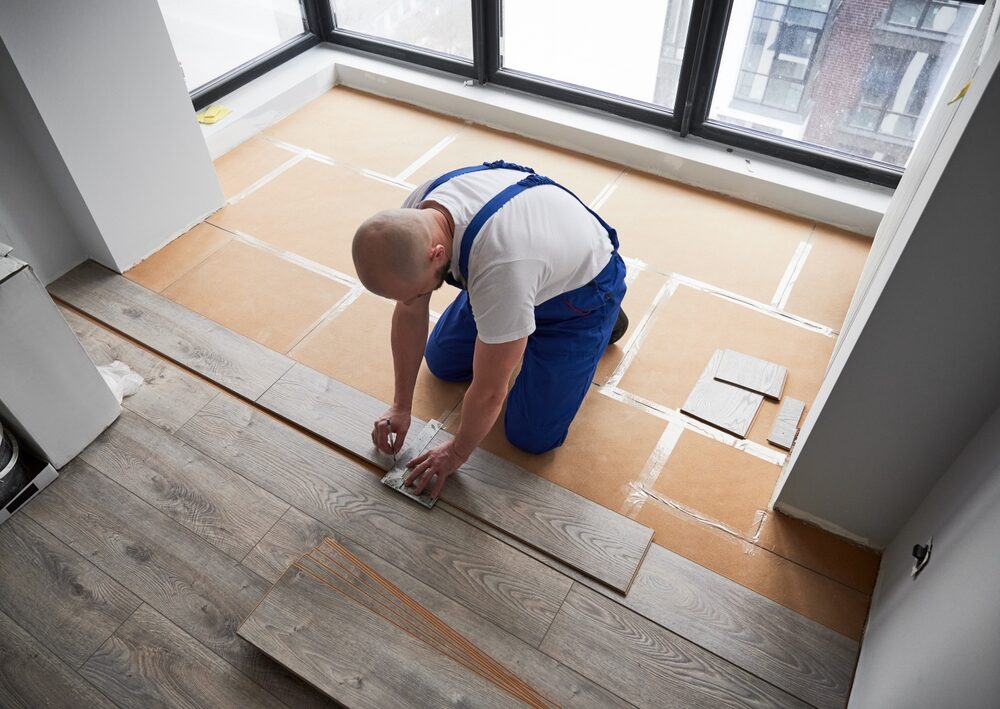
- Floating Floor: The boards lock to each other (click-lock system) but not to the subfloor. Common with engineered and laminate floors.
- Glue-Down: Wood or parquet planks are adhered to the subfloor with a suitable adhesive.
- Nail or Staple Down: Often used with solid hardwood on a timber subfloor.
The method you choose depends on the product, subfloor, and personal preference.
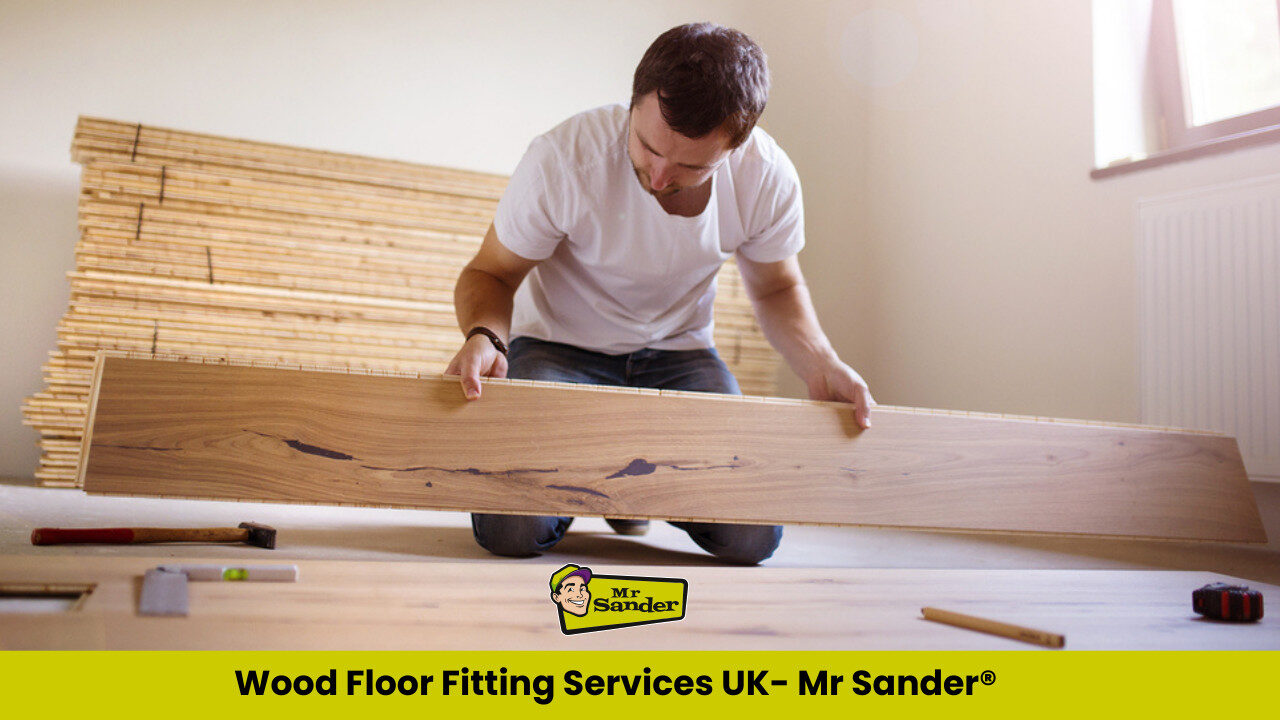
6. Finishing Touches
Once the floor is down, remove spacers and install skirting boards or beading to cover the expansion gap. If you have door thresholds, fit them carefully for a seamless transition. Give the floor a quick clean or vacuum to remove dust and debris.
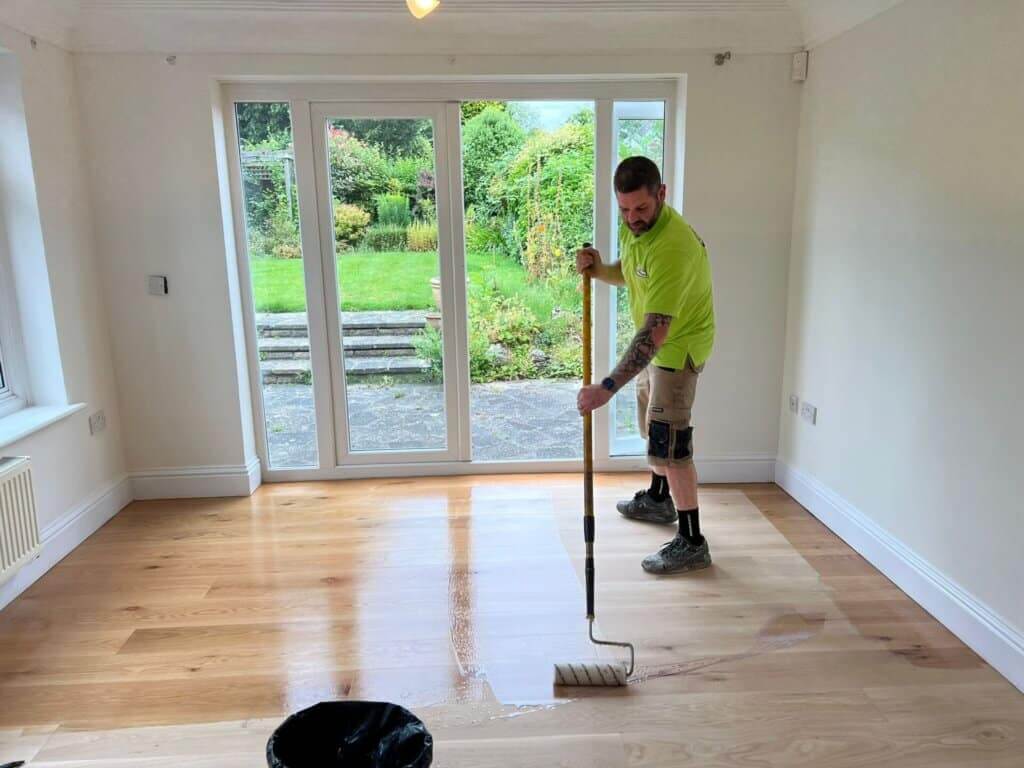
The Benefits of Professional Installation
Sure, you can watch a few online tutorials and give it a go yourself. But there’s a reason so many people opt for professional help. Let’s take a look:
1. Expertise and Experience
Professional floor fitters have encountered just about every quirky subfloor, awkward doorway, and rebellious plank you can imagine. They know how to handle these challenges quickly and effectively.
2. Quality Guaranteed
Many professional fitters offer warranties on their work. If something goes awry down the line due to installation errors, you’re covered. With DIY, you’re on your own.
3. Time-Saving
Fitting a floor isn’t a simple weekend project for most folks—especially if you have little experience. Pros can often complete the job in a fraction of the time it would take you.
4. Minimised Mistakes
Crooked boards, unsightly gaps, squeaks—these can all reduce the lifespan and enjoyment of your new floor. A professional ensures your floor is installed correctly from day one.
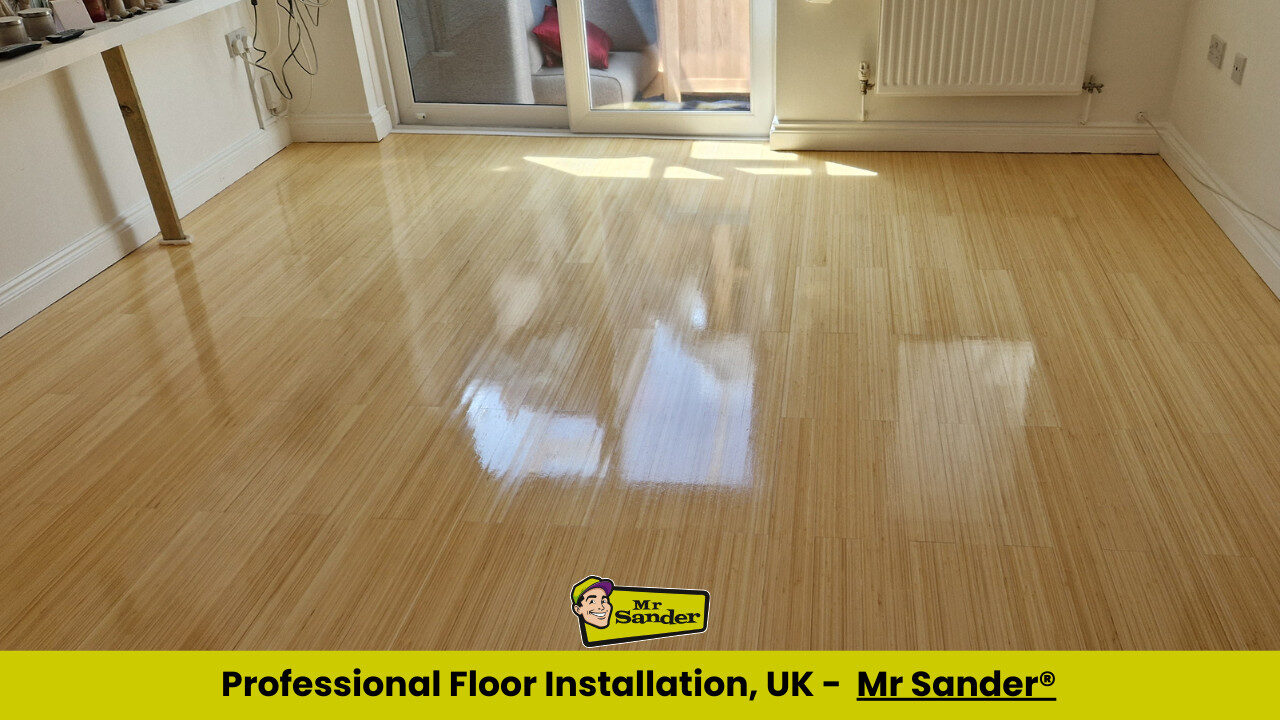
Maintenance Tips to Extend Floor Life
It’s one thing to install a gorgeous new floor. It’s another to keep it looking sharp year after year. Whether you have Wood Floor Fitting or Hardwood Floor Fitting, here are some general maintenance tips:
1. Clean Regularly
Dirt and grit can act like sandpaper on your floor’s surface. Vacuum or sweep regularly, especially in high-traffic zones. If spills occur, wipe them up promptly.
2. Use Protective Pads and Rugs
Furniture legs can scratch your floor. Stick felt pads under chairs, tables, and sofas. Place doormats or rugs near entrances to catch debris before it’s tracked in.
3. Control Humidity and Temperature
Extreme dryness or humidity can cause wood to warp or shrink. Use a humidifier in winter or dehumidifier in summer if needed, especially if you have solid wood floors.
4. Refinish When Needed
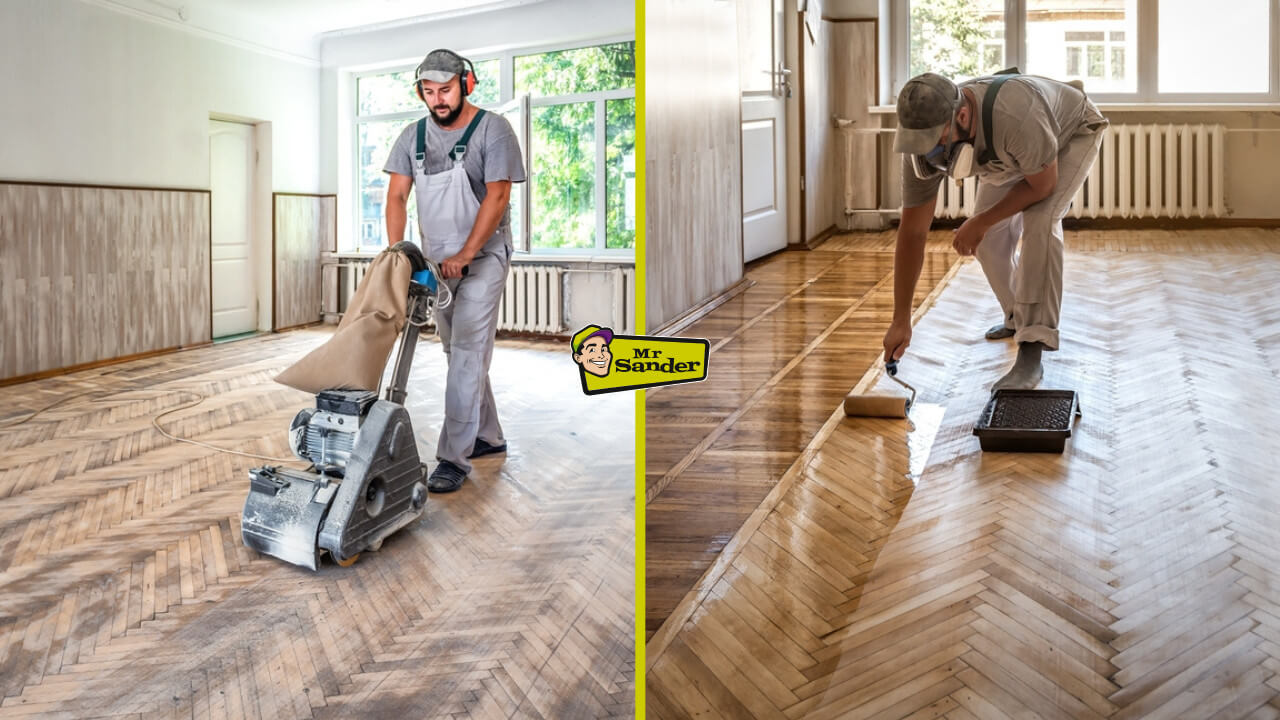
Over time, even the best floor can look tired. Sanding and refinishing can give it a fresh lease of life. In commercial or high-profile spaces, consider a specialised service like Floor Sanding for Museums and Art Galleries.
Avoiding Common Pitfalls
Even with the best planning, you can stumble into pitfalls that jeopardise your lovely new floor. Here’s how to dodge them:
1. Skipping Subfloor Prep
A stable, level, and dry subfloor is essential for a smooth installation. Ignoring subfloor issues can result in squeaks, uneven boards, or even rotting if moisture is present.
2. Not Leaving an Expansion Gap
Wood-based floors need room to expand and contract with climate changes. Butting them tightly against walls or door frames is a recipe for trouble.
3. Installing in the Wrong Environment
Some floors aren’t suitable for bathrooms, basements, or areas with heavy moisture. For instance, many solid woods aren’t recommended for below-grade installations. Consider engineered products if moisture is a concern.
4. Overestimating DIY Skills
We all love the idea of saving money, but if you’ve never used a saw or hammered a nail, you might want to reconsider tackling a large installation yourself. Mistakes can be costly, both in wasted materials and your own time.
Brand Spotlight: Kahrs and Junckers
We’ve already mentioned these names, but let’s give them a bit more stage time, shall we?
Kahrs Floor Fitting
- Reputation for Sustainability: Kahrs pioneered eco-friendly engineered floors, reducing environmental impact without sacrificing quality.
- Wide Range of Styles: Whether you want a Scandinavian vibe or something more exotic, Kahrs likely has a product to suit.
- Easy Installation: Many Kahrs floors feature a click-lock system that speeds up the fitting process.
Junckers Floor Fitting
- Expertise in Solid Hardwood: Junckers is renowned for producing robust, beautiful solid wood floors.
- Used in Commercial Spaces: If you’ve been to a top-tier sports venue or dance studio, chances are you’ve trodden on a Junckers floor.
- Longevity and Durability: Junckers floors are designed to withstand heavy use and can be sanded multiple times.
Deciding Which Floor is Right for You
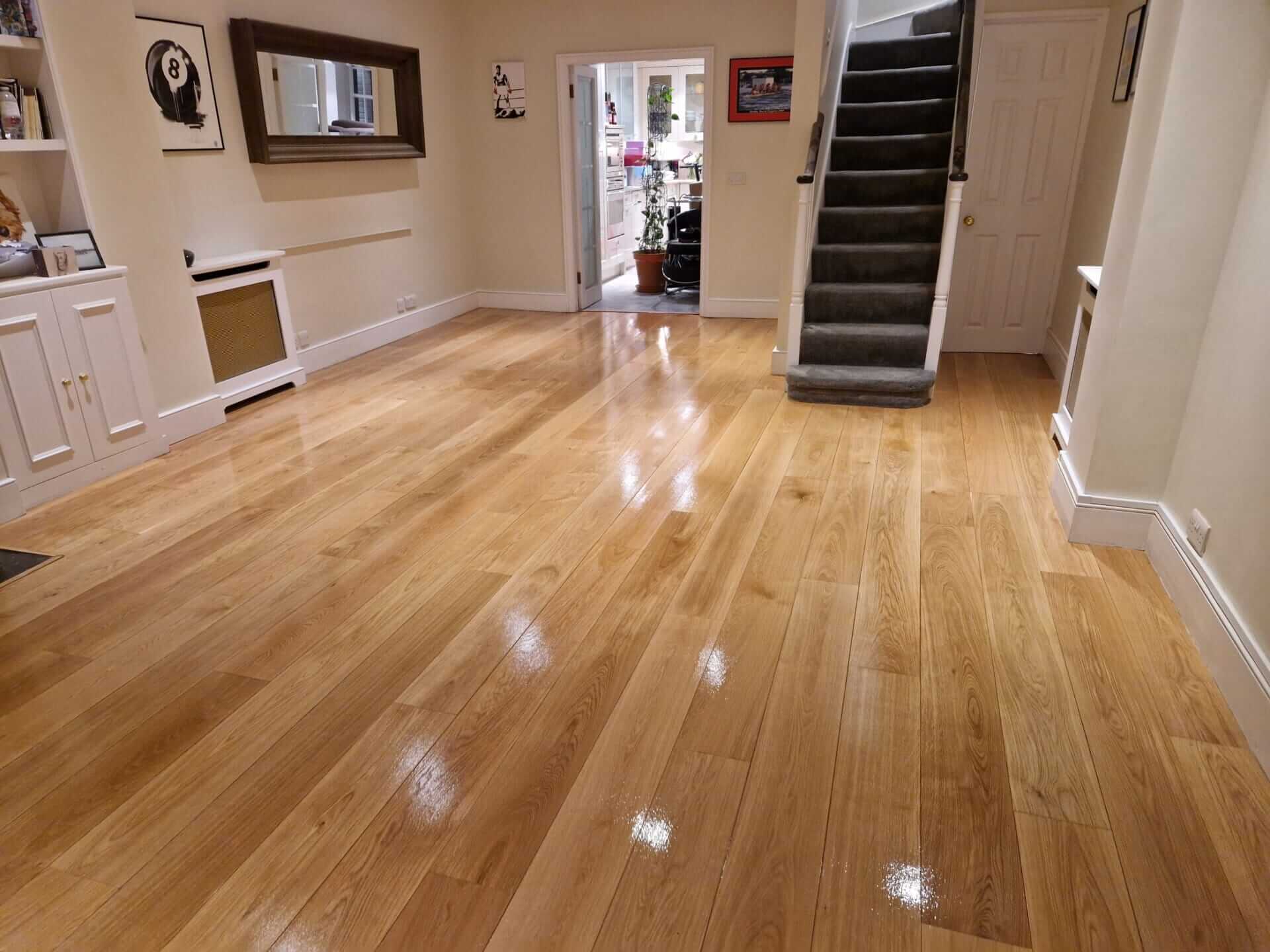
You might be tempted to pick the prettiest option, but hold your horses. Think about the function of the room, your budget, and how much traffic the space sees. Also, consider your personal taste—do you prefer a modern or rustic aesthetic?
- For Classic Elegance: Solid hardwood or parquet
- For Contemporary Versatility: Engineered or laminate
- For Brand Prestige: Kahrs or Junckers
- For High Durability: Hardwood or brand-engineered solutions
Remember, it’s not just about how the floor looks on day one; it’s about how it’ll perform (and look) in year five, year ten, and beyond.
The DIY Route: A Brief Overview
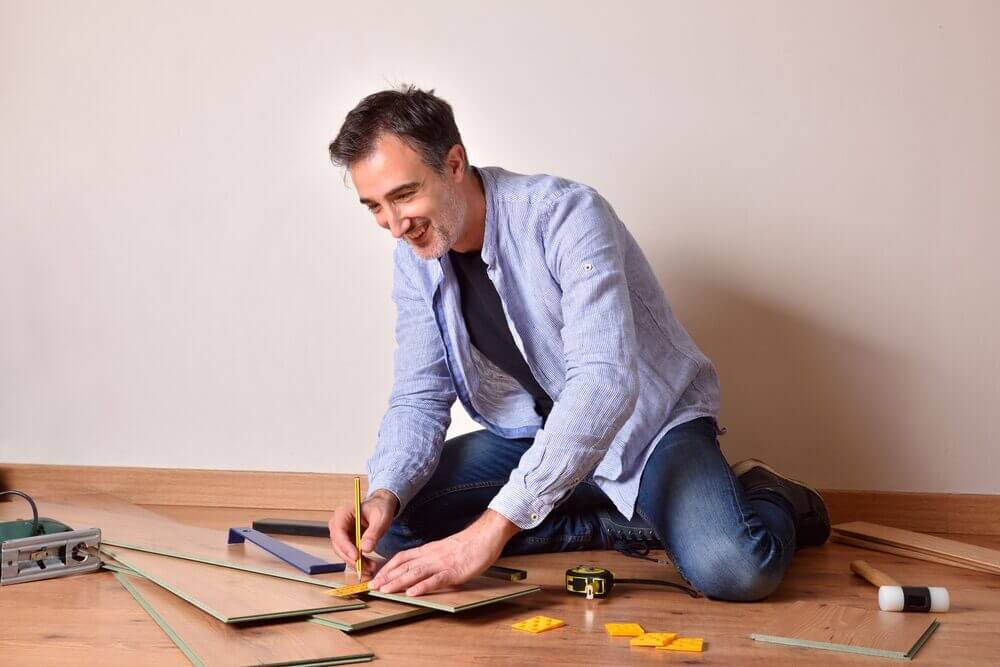
If you’re still pondering a DIY installation, here’s the short version of what you’re signing up for:
- Preparation: Inspect and level your subfloor; let your boards acclimatise.
- Tools: A decent saw, measuring tape, spacers, underlayment.
- Method: Decide whether you’re floating, gluing, or nailing.
- Cutting: Measure thrice, cut once!
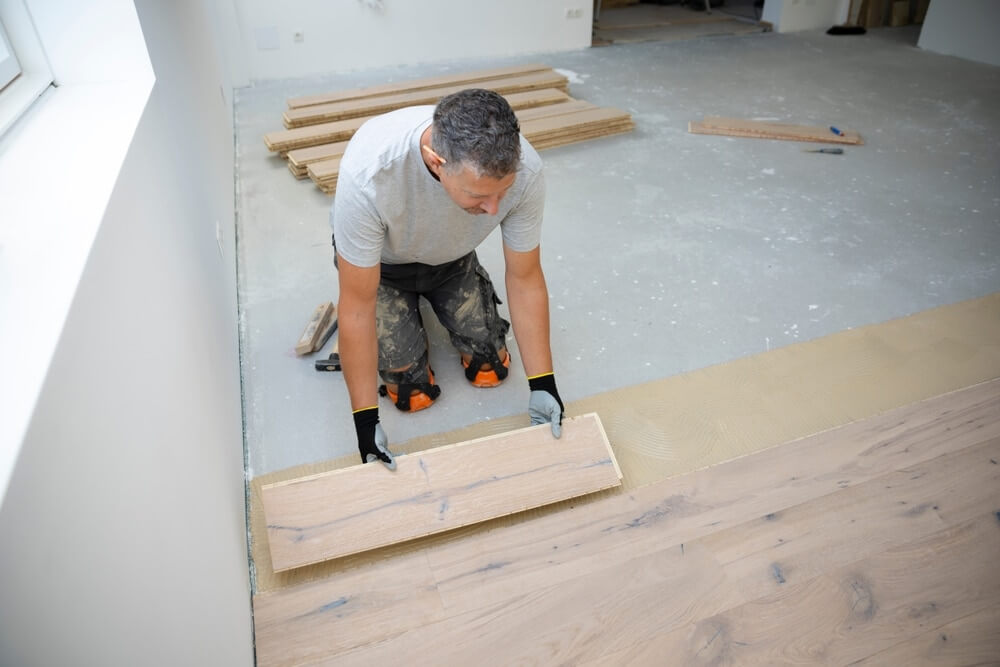
- Laying the Boards: Maintain expansion gaps, click or nail boards in place, and keep them aligned.
- Finishing: Skirting boards, thresholds, and a final clean-up.
Some people find it rewarding—others find it a headache. If you run into trouble, there’s no shame in calling Mr Sander® on 0800 955 8585 to bail you out.
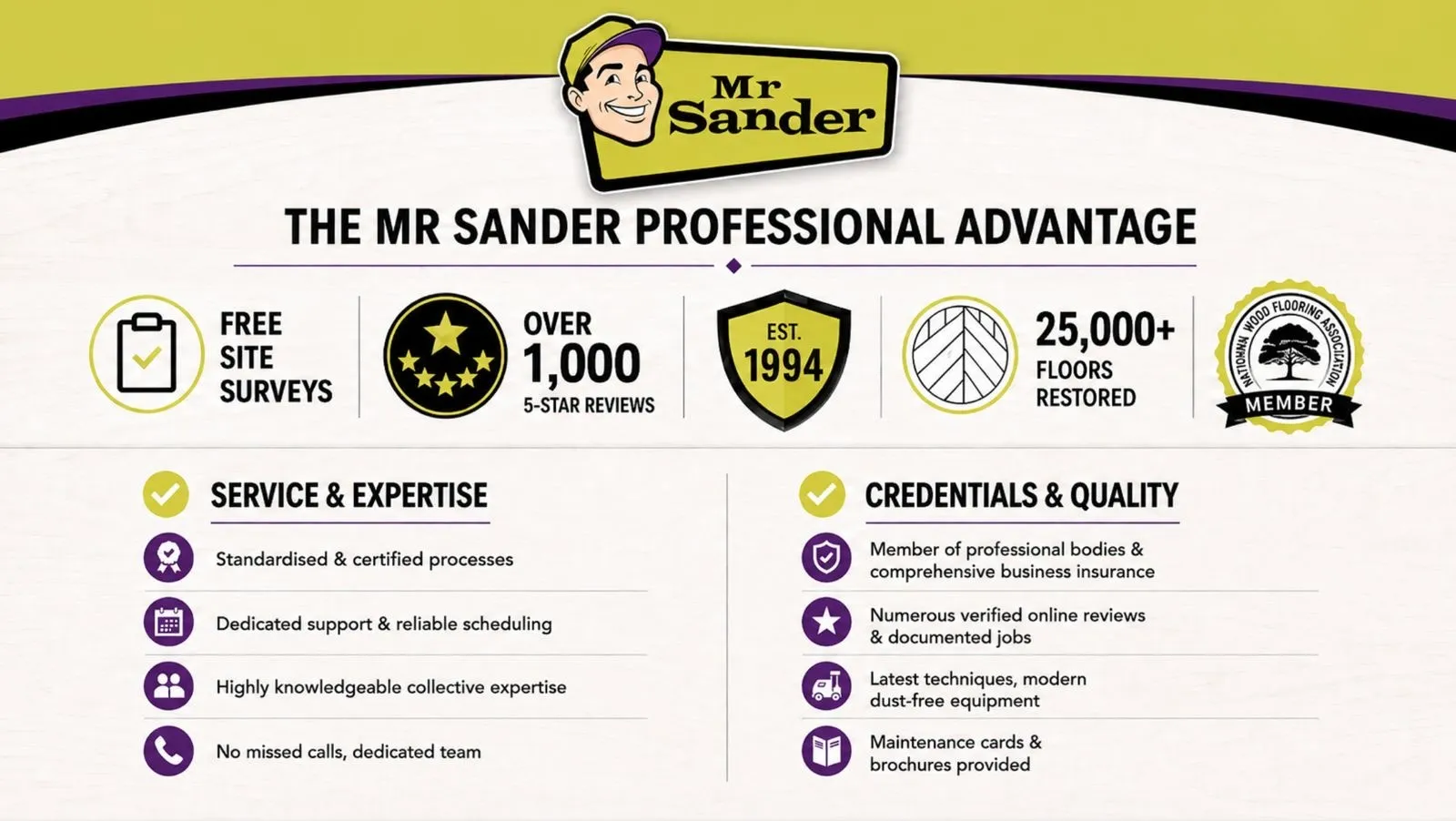
Embracing Professional Assistance: The Mr Sander® Approach
Now, let’s talk about a simpler route. Perhaps you’re short on time, or you’d rather not risk a lopsided floor. If so, Mr Sander® offers a full suite of services, covering every aspect of Floor Fitting and Installation. Whether you fancy Wood Floor Fitting or something more specialised like Parquet Floor Fitting, their team will handle the job with finesse.
What You Get with Professional Service
- Comprehensive Consultation: Discuss your vision, budget, and timelines to find the perfect match.
- Expert Installation: Skilled professionals show up with the right tools and know-how, ensuring minimal disruption.
- Post-Installation Care: Maintenance tips, plus a direct line for future refinishing or repairs.
Custom Solutions
Not every home is a neat rectangle. Some have nooks, crannies, or open-plan layouts that require a bit of creative thinking. Mr Sander® customises their approach to fit your space perfectly, from transitional door thresholds to under-stair cupboards.
Ready to transform your floors? Give the team a ring on 0800 955 8585 or pop over to Mr Sander® to explore your options. Whether you’re after a brand-new installation or a refurbishment, they’ll get your home looking shipshape in no time.
The Sustainability Question
With the global push towards greener living, you might wonder how sustainable your new floor will be. Here are a few pointers:
- Choose FSC-Certified Wood: Look for the Forest Stewardship Council (FSC) mark, indicating the timber is sourced responsibly.
- Engineered vs Solid: Engineered boards can be more eco-friendly because they use fewer slow-growing hardwoods in the core.
- Low VOC Finishes: Volatile organic compounds can harm indoor air quality. Opt for low-VOC adhesives and finishes.
If sustainability is high on your priority list, mention it to your fitter. They’ll guide you towards the best eco-friendly options.
Future-Proofing Your Floor
Trends come and go, but your floor might be around for decades. So how do you ensure it remains relevant and in good nick?
Neutral Colours
Mid-tone or natural finishes tend to have longer staying power than ultra-dark or whitewashed floors. They pair well with a range of wall colours and décor styles.
Quality Over Quantity
Invest in reputable brands or at least mid-range products. Bargain-basement laminate might look decent at first but can wear out quickly.
Regular Maintenance
A small scratch or warped board is easier to fix early on. Address issues promptly, and your floor will reward you with extended life.

Adding Value to Your Home
We’ve already touched on how new floors can boost resale value, but let’s get a bit more concrete. High-quality wood or parquet floors are often seen as a premium feature, appealing to buyers who appreciate craftsmanship and longevity. Engineered floors, too, can impress if they’re in good shape and reflect current design sensibilities.
Stand Out in a Crowded Market
If you’re in a city where most properties have tired old carpets, installing something like Hardwood Floor Fitting can set your home apart. Potential buyers (or renters) will notice the difference and might be willing to pay a premium.
ROI Considerations
When deciding how much to spend, think about how long you’ll stay in the home. If you plan to sell in a year, you might not want to splash out on super-high-end floors. Conversely, if this is your forever home, it pays to invest more for top-notch materials and professional fitting.

Summarising the Essentials
We’re nearing the end of our deep dive into Floor Fitting and Installation basics. Before we finish, let’s do a quick round-up of the main points:
- Choose the Right Type: Consider your budget, style preferences, room function, and local climate.
- Prepare Thoroughly: A stable, level subfloor is the key to a successful installation. Don’t skip acclimatisation.
- Installation Method: Floating, glue-down, or nail-down—each has pros and cons.
- Professional Help: Hiring experts reduces the risk of errors and can save you both time and money in the long run.
- Maintenance: Regular cleaning, controlling humidity, and occasional refinishing can extend floor life.
- Add Value: A well-fitted, high-quality floor can bolster your home’s resale potential.
Final Thoughts: Making the Right Choice
So there you have it—a 2,500-word tour of the world of Floor Fitting and Installation, from the warmth of solid wood to the practicality of laminate, and from brand-specific solutions to the finer points of underlayment. We’ve covered the why, the how, and the what-next. The only question left is: which route suits you best?
- DIY Daredevil? You’ll need patience, tools, and a willingness to learn.
- Professional Route? Dial 0800 955 8585 and speak with Mr Sander®. Let them handle the heavy lifting while you sit back and plan your new décor.
No matter which path you choose, remember that a well-fitted floor is an investment in both your home’s aesthetics and its future value. Good luck, and may your new flooring bring you years of comfort, style, and squeak-free bliss!